Where Winds Meet Beginners Guide: Best Starting Tips and Combat Tricks
Few RPGs have surprised me as much as Where Winds Meet. It throws you into an enormous martial arts sandbox where exploration feels rewarding, combat punishes sloppy play, and character progression is much deeper than most free-to-play RPGs. The game doesn’t waste time holding your hand forever either. Within the first several hours you’re expected to understand weapon synergies, defensive mechanics, mobility skills, resource management, and even your character’s physical condition.
That combination is exactly why so many newcomers struggle.
After spending countless hours experimenting with different weapon combinations, comparing community discoveries, and testing various progression routes, one thing became obvious: making the right decisions during the opening chapters saves dozens of hours later.
This guide covers everything that actually matters during your first adventure, without drowning you in unnecessary theory.
Don’t Rush Through the Initial Settings
Many players skip the setup menus because they assume every option can simply be changed later. Technically that’s true, but choosing better settings from the beginning makes the learning curve significantly smoother.

Keep the Detailed Interface Enabled
If this is your very first character, choose the Detailed UI.
Yes, the screen becomes a little busier, but it constantly highlights hidden mechanics, tutorials, environmental interactions, exploration points, and progression systems that are incredibly easy to overlook.
Once you’ve learned how the world works, switching to a cleaner interface becomes much more comfortable.
ARPG Camera Is the Better Choice
The game lets you select between two camera systems:
| Camera Mode | Recommended For | Verdict |
|---|---|---|
| ARPG Mode | Keyboard & Mouse players | ⭐ Best overall |
| MMORPG Mode | Players who prefer manual camera control | Situational |
Personally, I never looked back after choosing ARPG mode.
Combat becomes much more fluid because the camera naturally follows movement instead of forcing constant adjustments during fast-paced encounters.
Against aggressive bosses, those saved milliseconds genuinely matter.
Don’t Hide in Story Difficulty Forever
Story Mode exists for players who mainly want to experience the narrative, and there’s nothing wrong with that.
But if your goal is eventually tackling difficult bosses, co-op content, or PvP, Normal difficulty teaches proper habits much earlier.
Learning enemy patterns while mistakes actually have consequences makes later content dramatically less frustrating.
Combat Isn’t About Button Mashing
Where Winds Meet rewards patience far more than aggression.
You can spam attacks against weak enemies, but bosses will quickly remind you why timing is everything.
The biggest lesson new players need to learn is recognizing attack colors.
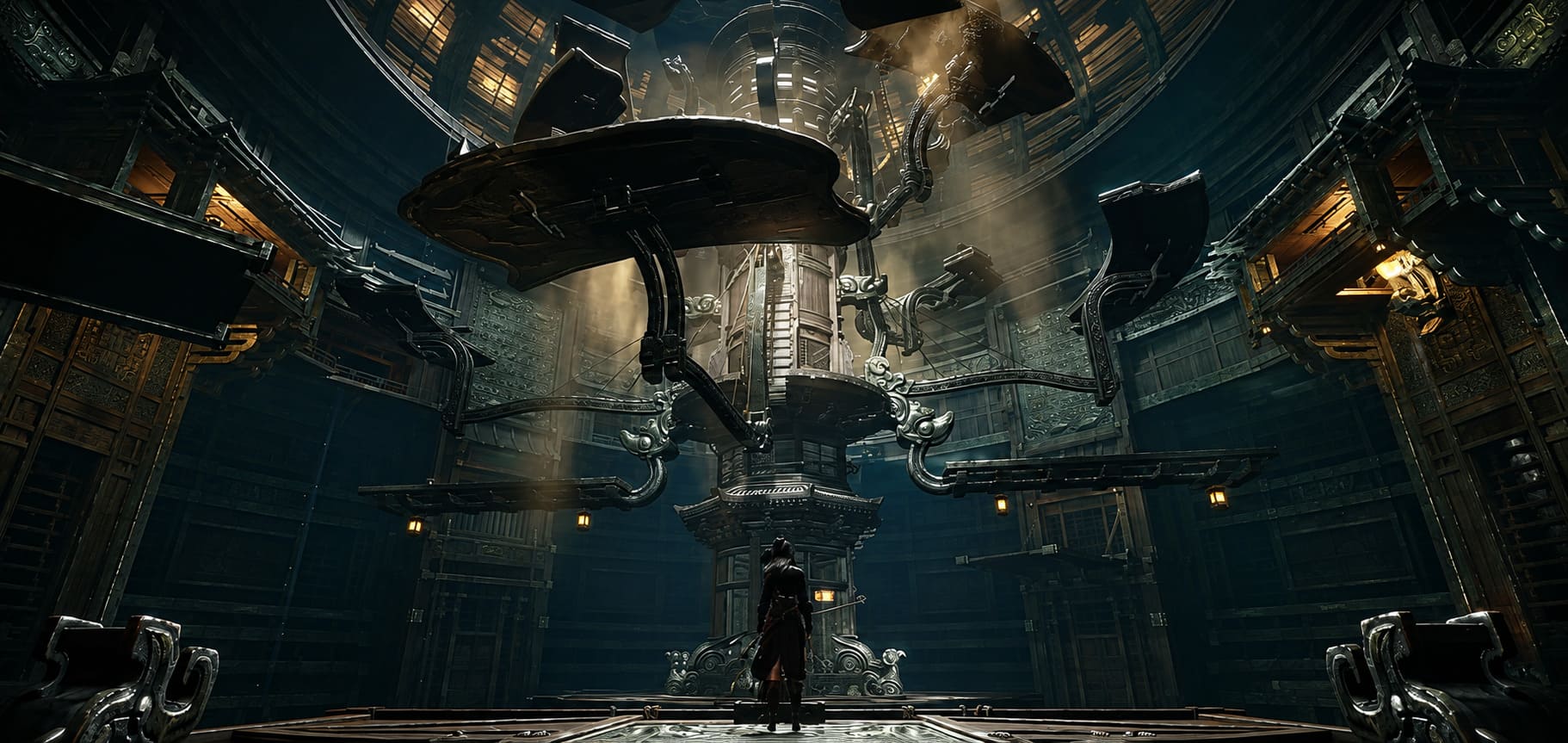
Understanding Attack Colors
Enemy animations are designed around visual signals.
Ignoring them usually means watching your health disappear.
White and Red Attacks
These attacks are meant to be parried.
The timing windows are surprisingly forgiving, especially compared to hardcore action games.
Landing a perfect parry against powerful red attacks deals huge posture damage, interrupts enemy momentum, and creates opportunities for devastating counterattacks.
Once this rhythm clicks, many bosses suddenly become much easier.
Golden (Yellow) Attacks
This is where many beginners fail.
Golden attacks cannot be parried.
No matter how perfect your timing feels, you’ll lose that exchange every single time.
When you see a golden flash:
- Dodge immediately.
- Dash completely outside the attack radius.
- Wait for recovery.
- Counter afterward.
Trying to look stylish here usually ends with a loading screen.
Learn to Fight With Two Weapons
One feature I absolutely love is the game’s weapon swapping.
Instead of locking yourself into one style, you can carry two primary weapons and instantly switch between them during combat.
This opens the door to some surprisingly creative combinations.
For example, deploy the Vernal Umbrella and let it provide ranged pressure, switch to your Sword or Spear, and rush into melee while the umbrella continues attacking independently.
It feels incredibly satisfying because both weapons continue contributing instead of simply replacing one another.
The more you experiment, the more unique your personal fighting style becomes.
Mystic Skills Are More Important Than You Think
Weapons aren’t your only source of damage.
Mystic Skills add another layer to every build.
You can equip several active abilities that range from offensive bursts to utility effects and support techniques.
Many players unlock them and then completely forget about upgrades.
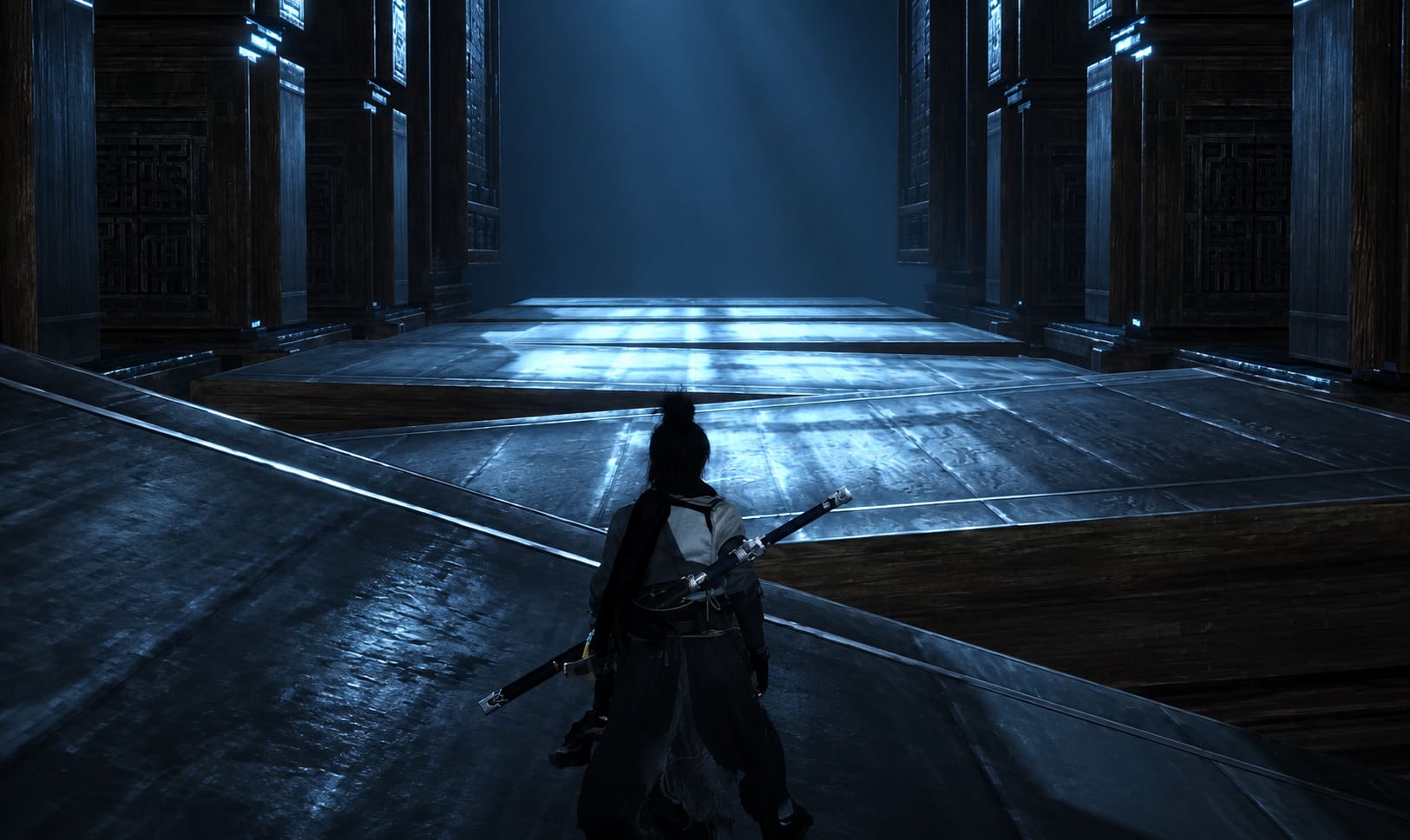
That’s a mistake.
Spend daily energy farming upgrade materials through activities like:
- Sword Trials
- Wandering Path challenges
- Season Shop purchases
Higher-level Mystic Skills scale extremely well and noticeably improve both PvE and PvP performance.
Which Starting Weapon Should You Pick?
Shortly after entering the Verdant Wilds, you’ll meet Qi Sheng, who introduces your first major weapon choice.
Fortunately, there isn’t a “wrong” decision because Where Winds Meet uses a flexible classless progression system.
Still, some options are friendlier for beginners.
| Weapon | Best For | Difficulty |
|---|---|---|
| Panacea Fan | Survivability and healing | Easy |
| Vernal Umbrella | Ranged pressure and battlefield control | Easy-Medium |
| Infernal Twinblades | Fast aggressive melee | Hard |
| Thundercry Blade | Heavy attacks and defense | Medium |
Panacea Fan
If someone asked me for a single recommendation, this would be it.
Self-healing gives you much more room for mistakes while you’re still learning boss mechanics.
Vernal Umbrella
Probably the most unique weapon available early.
Being able to pressure enemies from range while preparing another weapon creates excellent battlefield control.
It’s especially effective against mobile opponents.
Infernal Twinblades
Fast.
Flashy.
Extremely rewarding.
Also very unforgiving.
Players who enjoy aggressive action games will probably fall in love with these blades, but beginners should expect a steeper learning curve.
Thundercry Blade
Slow doesn’t mean weak.
Heavy strikes deal excellent posture damage and provide a more defensive playstyle that’s perfect for players who enjoy deliberate combat.
You Can Learn New Martial Arts From NPCs
One mechanic that perfectly captures classic wuxia storytelling is stealing or learning martial arts directly from masters across the world.
Whenever you discover a weapon style you like, press Space on that weapon inside the menu.
The game will point you toward the instructor.
From there, you have multiple options.
- Join the appropriate Sect.
- Complete their training.
- Follow special stealth missions.
- Secretly steal the fighting style.
Honestly, few RPGs handle class progression this creatively.
Exploration Rewards Curious Players
The world is enormous, packed with mountains, rivers, villages, hidden caves, and ancient ruins.
Movement alone feels fantastic.
- Run across walls.
- Glide through valleys.
- Cross water.
- Scale cliffs.
- Chain mobility techniques together.
Traversal rarely feels like wasted time.
Unlock Celestial Seas As Early As Possible
One of the smartest early investments is obtaining Celestial Seas.
Early exploration eventually introduces a quest involving inspecting an NPC’s belongings.
Using Inspect Mode unlocks one of the most useful utility abilities in the game.
Celestial Seas allows you to remotely interact with certain objects, including treasure chests.
Imagine spotting valuable loot inside a high-level enemy camp.
Instead of risking a difficult fight, you simply activate the skill, open the chest remotely, and pull the rewards directly into your inventory.
It’s one of those mechanics that completely changes how you approach exploration.
Spend Resources Wisely
Progression materials aren’t unlimited.
Burning valuable currency on temporary upgrades is something many new players regret.
Jade Coins
Your spending priorities should follow this order:
- Martial Arts upgrades
- Core combat progression
- Skill improvements
Avoid investing heavily into early equipment enhancement.
Gear gets replaced frequently before Level 50.
Save expensive upgrades for equipment you’ll actually keep.
Never Let Daily Energy Overflow
Even if you only have thirty minutes available, spend your daily stamina.
The best activities include Outpost Challenges, which reward experience, upgrade materials, and increasingly valuable treasure after every completed wave.
Missing several days of stamina doesn’t feel terrible immediately, but you’ll definitely notice the slower progression later.
Breakthrough Battles
Eventually you’ll reach temporary level limits.
This isn’t the end of progression.
You’ll unlock special Breakthrough encounters against powerful opponents.
Winning these battles will:
- Raise your level cap.
- Unlock stronger loot.
- Improve attribute limits.
- Open additional progression systems.
Treat them like progression milestones rather than optional side content.
Don’t Ignore Your Character’s Health Conditions
One feature that genuinely surprised me was the survival system.
Weather actually matters.
Your wanderer can become sick, overheated, frozen, or exhausted depending on the environment.
These aren’t cosmetic debuffs.
Illness reduces maximum health, weakens stamina recovery, and noticeably hurts combat efficiency.
Carry medicines whenever you’re exploring distant regions, especially before entering dangerous dungeons.
If your condition worsens, visiting a town physician is often much faster than trying to brute-force difficult encounters while suffering heavy penalties.
Where Winds Meet Currency Farming Guide 2026: Master the Market and Get Gold Fast
Five Beginner Mistakes You Should Avoid
The community keeps repeating the same warnings, and after playing extensively, I completely agree.
- Trying to Parry Golden Attacks. Yellow always means dodge. Forgetting this rule is probably the fastest way to die.
- Selling Old Equipment Too Early. After unlocking the Arsenal system around Level 40, older gear contributes toward permanent account-wide stat bonuses. Store it instead of immediately getting rid of everything.
- Ignoring Mobility Upgrades. Lightness techniques dramatically improve exploration speed and make many environmental puzzles far easier.
- Playing Forever Alone. The single-player experience is excellent, but Sects provide valuable buffs, exclusive rewards, shops, and easier access to multiplayer content.
- Forgetting the Recommended Equipment Button. Pressing F automatically optimizes your current equipment and passive setup using the strongest available combination. It’s a surprisingly reliable shortcut that saves plenty of inventory management time.
Where Winds Meet Companion & Retainer Recruitment Guide: How to Build Your Estate (2026)
Final Thoughts
Where Winds Meet rewards curiosity more than rushing. Players who spend time mastering parries, experimenting with weapon combinations, unlocking movement abilities, and understanding its progression systems will find an incredibly satisfying martial arts RPG hiding beneath its intimidating complexity.
The opening hours can certainly feel overwhelming, but once the combat rhythm clicks and the world begins opening up, it’s difficult to put the game down. Whether you’re hunting legendary martial arts manuals, gliding across mountain peaks, or perfectly countering a seemingly impossible boss attack, the game constantly rewards skill, experimentation, and patience.
Take your time, keep practicing those red-attack parries, dodge every golden flash without hesitation, invest your early resources wisely, and your journey through the Jianghu will be far smoother than most first-time wanderers experience.