Where Winds Meet Companion & Retainer Recruitment Guide: How to Build Your Estate (2026)
When I first jumped into Where Winds Meet Version 1.8 update, I expected a few quality-of-life improvements and maybe another side activity to keep players busy. Instead, Everstone Studio completely surprised me by introducing one of my favorite features in the entire game—the Blissful Retreat estate system.
As someone who spends hundreds of hours exploring open-world RPGs, I usually lose interest when games throw in mandatory settlement mechanics. Too often they feel like chores rather than gameplay. Thankfully, that isn’t the case here. After spending many hours experimenting with different estate layouts, recruiting villagers, and testing companion mechanics, I can confidently say this update adds a completely new layer of progression that actually feels rewarding.
If you’re wondering how to recruit the best retainers, unlock animal companions, and make your estate profitable without wasting time, here’s everything I learned during my adventure.
Why the Blissful Retreat Is Worth Your Time
The biggest surprise for me wasn’t the buildings themselves—it was how naturally the estate fits into the world of Qinghe.
Instead of simply purchasing upgrades through menus, you’re rebuilding a forgotten home that slowly transforms into a lively settlement. Watching villagers arrive, businesses become active, and your property grow after every session creates a satisfying sense of progression.

You’re no longer just another martial artist traveling across Jianghu.
You’re building something permanent.
The estate eventually becomes much more than decoration because it generates resources, unlocks cosmetics, provides passive income, and gives your recruited NPCs meaningful jobs.
Unlocking the Estate System
Before recruiting anyone, you’ll first need to progress through the Version 1.8 storyline.
Eventually the main quest sends you back to the ruined Blissful Retreat, where the estate management tutorial begins.
From that point onward, the Homestead interface becomes available, allowing you to restore buildings, assign workers, and begin expanding your village.
I highly recommend focusing on these introductory quests first because nearly every new system is connected to your estate.
Finding Human Retainers
One thing I appreciate is that the game doesn’t let you instantly hire everyone you meet.
Instead, recruitment feels personal.
Many villagers are dealing with problems created by the unstable world around them, and helping them naturally leads to them joining your settlement later.
The best places I’ve consistently found recruitable NPCs include:

- Busy Qinghe marketplaces
- Harbor districts and docks
- Small farming communities
- Refugee camps
- Roads connecting remote villages
If an NPC appears to need help or discusses work opportunities, it’s always worth speaking with them.
Some eventually become incredibly valuable workers.
How Recruitment Actually Works
Most retainers won’t accept your invitation immediately.
You’ll usually need to complete one or more objectives before they trust you.
Common recruitment activities include:
- Delivering supplies
- Gathering medicine
- Defeating local bandits
- Clearing enemy camps
- Solving village problems
- Improving friendship through conversations
I actually prefer this approach because it makes every recruited worker feel earned rather than randomly purchased.
Matching Talents Matters More Than I Expected
This is probably the biggest mistake new players make.
Not every worker should perform every job.
Each retainer specializes in certain professions, and assigning them correctly dramatically improves production efficiency.
| Retainer Talent | Best Assignment | Why It Matters |
|---|---|---|
| Production | Farms, gathering stations, lumberyards | Faster material generation |
| Crafting | Porcelain workshops, breweries, manufacturing | Better crafted products |
| Business | Inns, taverns, trading routes | Increased Homestead Coin income |
| Management | Village operations and logistics | Improves overall efficiency |
Once I started matching talents correctly, my estate income noticeably increased without needing additional upgrades.
Animal Companions Steal the Show
I’ll admit it.
The cats completely won me over.
While the retainers keep your economy running, the companion system adds personality to the estate.
These aren’t just cosmetic pets.
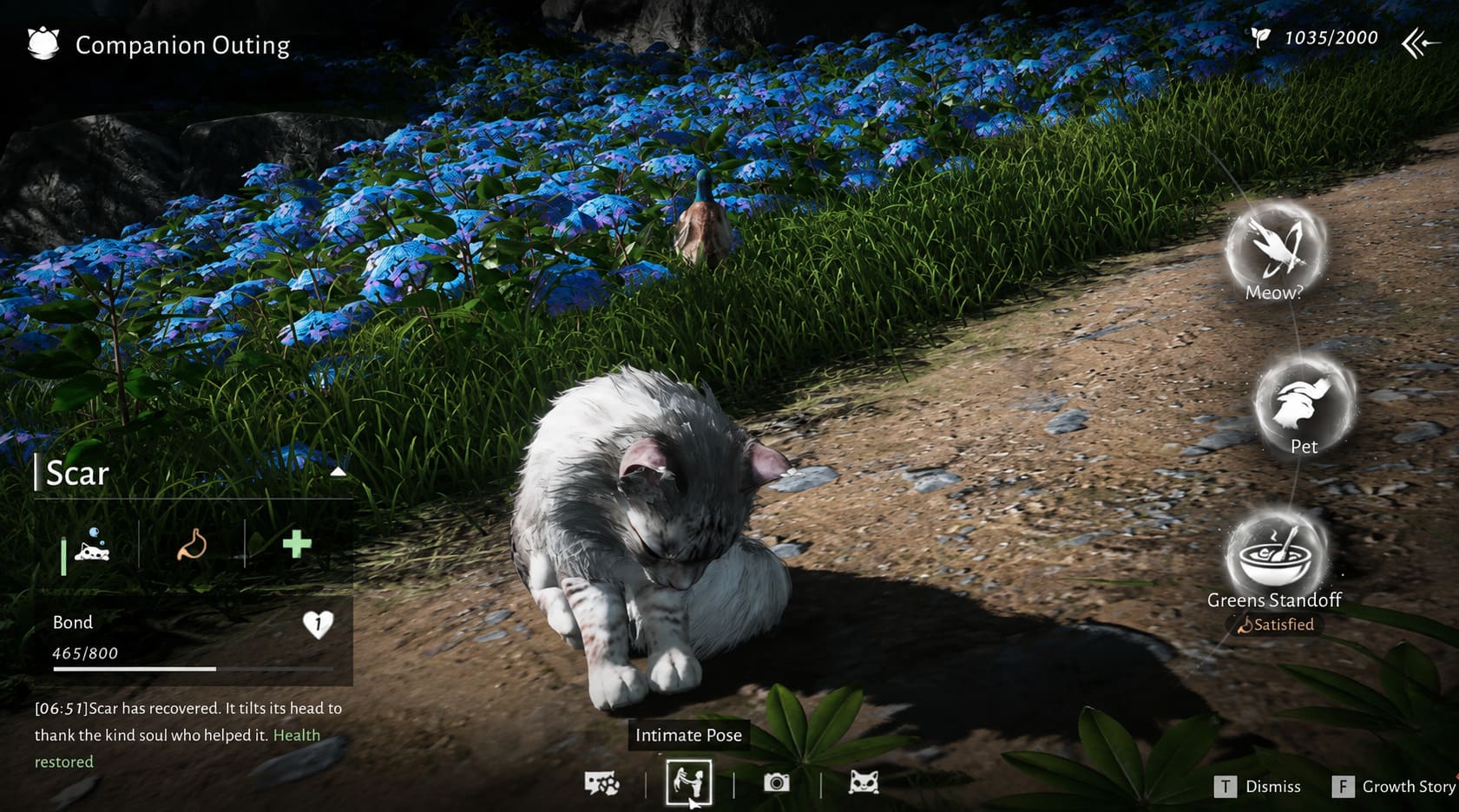
They follow you across the world, interact with environments, collect useful materials, and become surprisingly enjoyable travel partners.
If future updates keep expanding this system, I could honestly see it becoming one of the game’s defining features.
Starting the Companion Questline
The journey begins at the Meow Meow Temple.
The introductory quest teaches every basic mechanic you’ll need, from bonding to recruiting your first companions.
It’s one of those side quests that I almost ignored, but I’m glad I didn’t.
The developers clearly spent time making each animal feel different.
Every Early Companion You Can Recruit
Maverick
Maverick asks you to complete a platforming challenge.
It isn’t particularly difficult, but it does test movement and timing.
Finish the trial successfully, and Maverick joins your growing family.
Scar
Scar’s recruitment is much more action-focused.
You’ll be asked to quickly cut down nearby trees using your martial arts abilities.
It’s simple, fast, and a fun change of pace.
Pudding
Probably the easiest companion to unlock.
Most players can recruit Pudding immediately after interacting with the required dialogue sequence.
If you’re already visiting Maverick, make sure you recruit Pudding during the same trip.
Goldie
Goldie doesn’t appear immediately.
This companion becomes available later through the update schedule, making it one of the first rewards players continue working toward after launch week.
Don’t Ignore Animal Whisperer
If I could recommend only one exploration upgrade, it would easily be Animal Whisperer.
Unlocking this skill completely changes how companions behave.
Instead of acting like simple followers, they begin revealing additional dialogue, personality traits, and hidden interactions that make the world feel much more alive.
It’s easily worth prioritizing early.
Daily Bonding Is Surprisingly Rewarding
Like many companion systems, relationships improve through daily interaction.
Fortunately, the activities never become overwhelming.
I usually spend only a few minutes doing my daily routine before heading back into exploration.
My normal checklist includes:
- Feeding companions
- Playing with toys
- Changing cosmetic outfits
- Bringing pets into exploration
- Collecting gathered resources
Even short daily sessions steadily improve bond levels.
Companions Can Find Useful Resources
One feature I didn’t expect to enjoy is resource gathering.
While you’re exploring Qinghe, companions quietly collect various materials.
Later, using WindSense, you can inspect what they’ve discovered and transfer everything into your inventory.
It’s passive, convenient, and encourages bringing pets everywhere instead of leaving them behind.
Building a Profitable Estate
As your businesses expand, your settlement begins generating Homestead Coins.
These become the primary currency for estate progression.
Rather than letting income sit untouched, I recommend checking your village regularly because earnings accumulate surprisingly quickly once multiple buildings become operational.
Homestead Coins can be exchanged for numerous rewards, including:
- Exclusive furniture blueprints
- Village upgrades
- Decorative items
- Cosmetic outfits
- Character customization rewards
Some cosmetics are completely free if you’re willing to invest enough time into estate management, which is always something I appreciate in modern games.
Where Winds Meet Homestead Guide: House Building and Farming Tutorial
My Personal Advice After Many Hours
After experimenting with nearly every new mechanic, I’ve realized something important.
Don’t rush.
Where Winds Meet shines when you slow down.
Talk to villagers.
Explore every corner of Qinghe.
Recruit retainers naturally.
Spend time with your companions instead of treating them as another checklist.
The estate system isn’t designed to replace exploration—it enhances it.
That’s probably why I’ve enjoyed this update so much.
Instead of pulling me away from the open world, it keeps giving me reasons to return home before setting out on another adventure.
Few games manage to make a homestead feel this meaningful.
Where Winds Meet Healer Guide: Master Medicine Skills, Crafting, and Combat Healing
Final Thoughts
Version 1.8 has easily become one of my favorite updates for Where Winds Meet.
The combination of meaningful NPC recruitment, profitable village management, adorable companion interactions, and long-term progression makes the Blissful Retreat feel like much more than an optional side activity.
If you’re just starting the update, focus on unlocking the estate as early as possible, recruit villagers whenever opportunities appear, and don’t skip the companion questline at the Meow Meow Temple.
In my experience, these systems only become more enjoyable as your village grows.
Whether you’re chasing cosmetics, maximizing passive income, or simply looking for a relaxing break between sword fights, building the perfect estate has become one of the most satisfying parts of the entire game—and honestly, I hope Everstone Studio keeps expanding it with every future update.