Warhounds Budget Management Guide: Top Mercenary Finance Tips for Beginners
Warhounds does something I absolutely love in tactical strategy games: it makes your mistakes hurt. Not because the game throws some ridiculous dice roll at you, but because bad decisions have consequences that follow you from the battlefield straight into your company finances. A sloppy firefight isn’t just a bad turn. It’s another medical bill, another damaged weapon, another day of wages for a mercenary who can’t fight.
Set in a war-torn version of Africa beyond 2035, Warhounds combines deterministic, physics-driven combat with a surprisingly demanding layer of company management. There are no convenient excuses when something goes wrong. If your operator gets exposed, takes a round, and ends up in the infirmary, that’s on you. If you burn through expensive equipment because you couldn’t control a firefight, your bank account pays the price.
After spending enough time with games in the XCOM and Jagged Alliance tradition, I’ve learned one particularly painful lesson: the squad that looks strongest on paper isn’t always the squad that survives a campaign. Warhounds rewards discipline. You need to think about contracts, salaries, ammunition, repairs, injuries, equipment and upgrades as one interconnected economy.
That’s why this Warhounds budget management guide focuses on the part of the game that can quietly destroy an otherwise brilliant campaign. You don’t need to become a spreadsheet addict, but you do need to stop treating your money like an infinite resource.
1. Your Battlefield Performance Is Basically Your Financial Performance
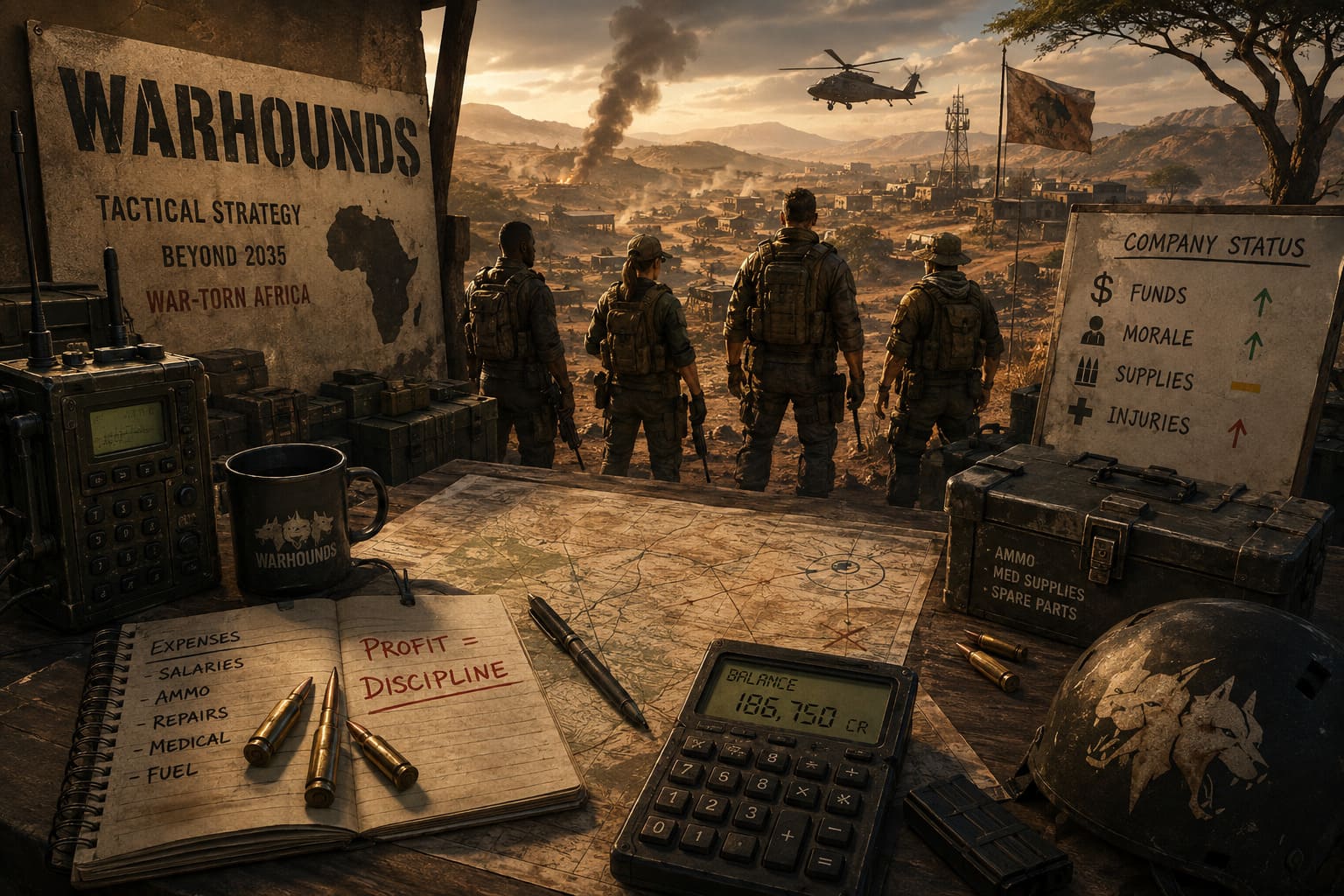
The first rule is simple: every tactical mistake can become an economic mistake. This is probably the most important thing new players need to understand before they start signing contracts.
Warhounds’ deterministic combat system makes this even more important. You aren’t losing a mercenary because the game decided that a 95% chance to hit suddenly meant nothing. If an operator gets shot, there was usually a positioning, line-of-sight, movement or tactical decision behind it.
That makes injuries particularly expensive. A wounded mercenary can require medical treatment, miss future deployments and continue collecting their wage while sitting out of combat. Suddenly one bad engagement has created three separate expenses.
The same applies to equipment. Smoke grenades, combat scanners, optical camouflage, drones and other advanced tools can be incredibly useful, but throwing them around every mission is a fantastic way to turn a profitable contract into a financial dud.
My advice: use expensive equipment when it changes the outcome of a fight, not simply because you have it. Good positioning and controlled overwatch should solve problems that don’t require a 5,000-credit gadget.
2. Stop Chasing the Biggest Contract Reward
This is one of those mistakes that looks completely reasonable when you’re new. You open the contract screen, see a massive payout and immediately think, “Yep, we’re doing that one.”
Don’t.
The number displayed on a contract is only the beginning of the calculation. A mission offering a huge reward can still be terrible business if it requires a long deployment, heavy ammunition expenditure, expensive equipment and a high probability of casualties.
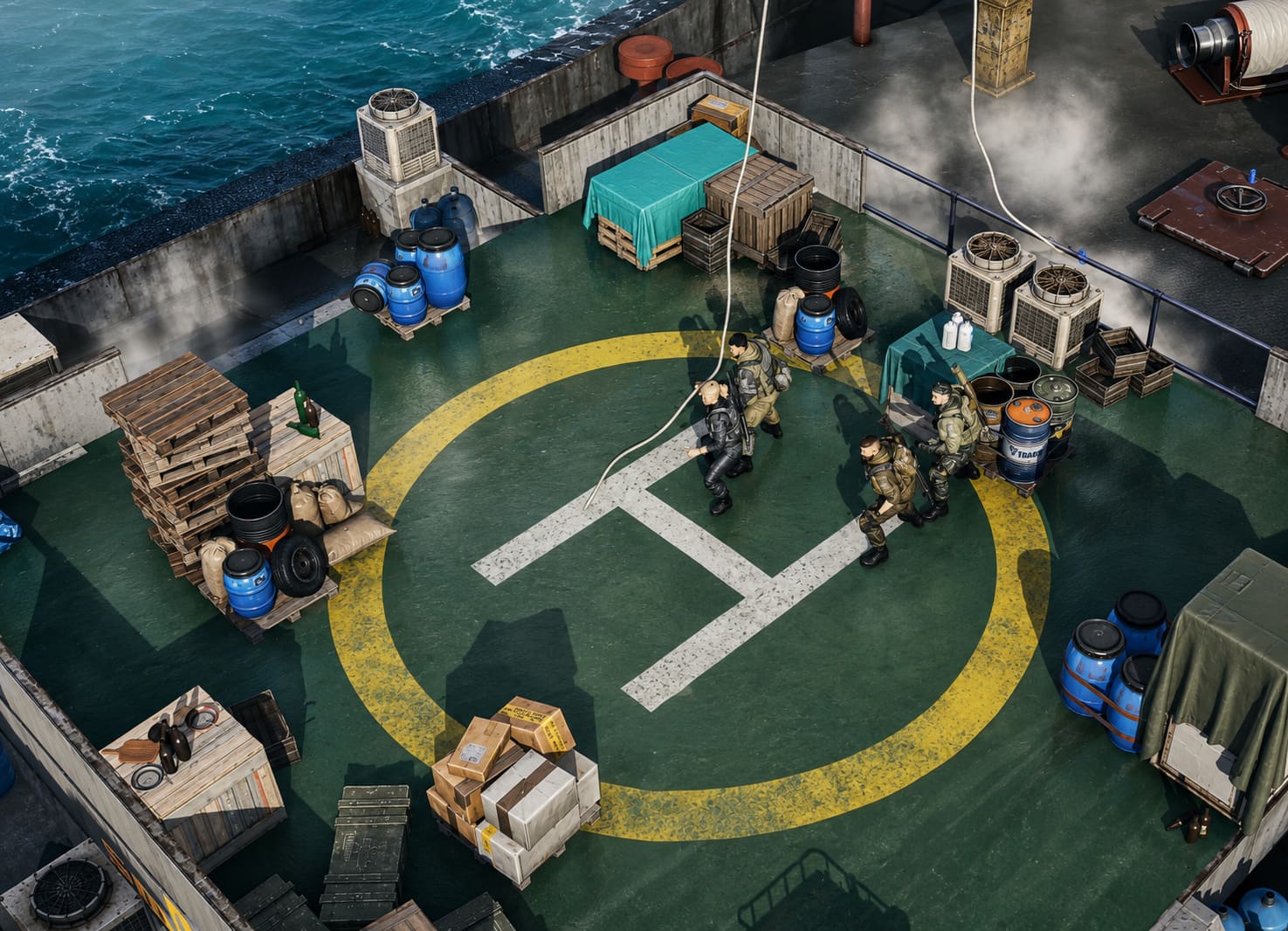
Before accepting a contract, mentally calculate its real profit margin. At minimum, consider:
- Deployment costs: Fuel and transportation can eat into the reward before your squad even reaches the objective.
- Ammunition: Heavy weapons and specialized ammunition aren’t free, particularly when a mission turns into a prolonged firefight.
- Repairs: Armor and equipment damage can create a nasty bill after the operation.
- Medical expenses: One badly wounded veteran can cost you far more than you expected.
- Downtime: Injured operators still need to be paid even when they aren’t available for contracts.
Early in a campaign, I strongly prefer shorter infiltration, assassination and precision-style operations. A 25-to-40-minute mission that lets a compact squad get in, accomplish the objective and disappear can be far more valuable than a gigantic contract that turns into a two-hour war of attrition.
| Contract Type | Potential Benefit | Main Financial Risk | Early-Game Verdict |
|---|---|---|---|
| Short Infiltration | Fast payout, low resource use | Limited room for mistakes | Excellent |
| Assassination | High value for focused squads | Heavy resistance if detected | Excellent |
| Defensive Operation | Large headline reward | Long engagements and attrition | Risky |
| Extended Combat Contract | Potentially massive payout | Ammo, repairs and injuries | Situational |
The goal isn’t to make the most money from one mission. The goal is to finish ten missions in a row without destroying your company in the process.
3. Keep Your Mercenary Roster Lean
This is where Warhounds can start feeling less like a tactical shooter and more like running a small private military corporation. Every mercenary you recruit represents another ongoing expense.
And yes, I know the temptation.
You see a cool operator with an interesting personality, a different weapon specialization or some weird combination of traits and think, “I’ll recruit them just in case.” Suddenly your barracks are packed with ten people, half of whom haven’t seen combat in weeks.
That’s bad business.
An idle mercenary is essentially a recurring subscription you forgot to cancel. You’re paying wages without generating revenue from that character.
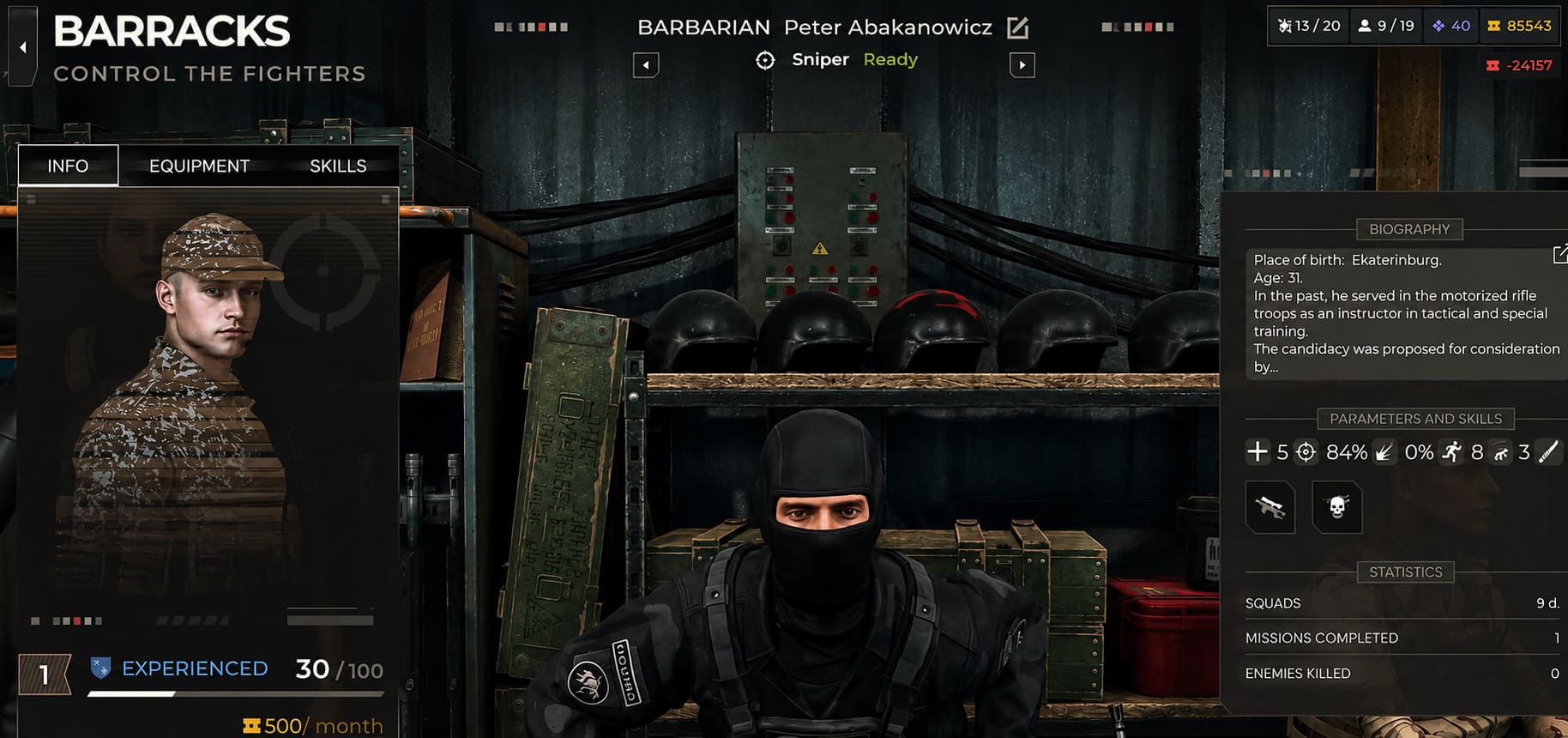
For the opening stretch of the campaign, I’d stick with approximately four or five reliable operators. Build around a core group that you know how to use rather than collecting every mercenary available.
Expand the roster when your finances can comfortably absorb the additional wages. A good personal rule is to have enough liquid cash to cover several weeks of baseline salaries without relying on your next contract to keep the lights on.
There’s another nasty decision you’ll eventually face: what to do with a mercenary who has become too expensive to maintain. If an operator suffers serious long-term injuries, develops problematic traits or simply doesn’t fit your current strategy, don’t keep them around because you’re emotionally attached to them.
Warhounds rewards ruthless accounting. Sometimes cutting one expensive contract loose is healthier for the company than trying to carry a damaged operator indefinitely.
4. Spend Base Upgrade Money Where It Actually Matters
The mobile command base is another easy place to waste money. Strategy games love giving players shiny upgrades, and Warhounds is no different. A new workshop, advanced customization option or expensive weapons facility can look incredibly attractive.
But ask yourself one question before buying anything:
“Does this upgrade help my company make or save money?”
If the answer is no, it probably shouldn’t be your first priority.
Early upgrades should focus heavily on systems connected to operations, intelligence and cost reduction. Anything that lowers maintenance expenses or opens better opportunities can provide value across multiple contracts.
Workshop optimization, for example, can help reduce the long-term burden of repairing equipment. Intelligence improvements can reveal better objectives, faction opportunities and potentially more lucrative contracts.
That’s much more useful to me early on than building an expensive facility just because it unlocks a cool piece of equipment.
5. Treat Action Points Like Money
This might sound strange at first, but it completely changes how you approach Warhounds tactical combat.
Action Points are another form of currency.
Every movement, reload, weapon swap and ability consumes something valuable. Waste AP and you aren’t just losing tactical efficiency. You’re increasing the chance that somebody gets hurt, which eventually means spending actual money.
One of the most common beginner mistakes is moving an operator too far forward without considering what they’ll do afterward. You reach a supposedly safe position, only to discover that the mercenary has no AP left for a reload, defensive stance or repositioning.
Then the enemy gets its turn.
One burst of incoming fire later, your armor is damaged and your operator is bleeding. Congratulations: the three AP you wasted have potentially turned into a medical bill and several days of lost wages.
Before committing to movement, think about the end position, not just the destination. Ask yourself whether the mercenary will still have enough AP to reach cover, reload, overwatch or respond to an unexpected enemy push.
Good AP management prevents damage before it happens. In a game built around deterministic combat, that’s incredibly powerful.
6. Don’t Empty Your Inventory Just Because You Can
Another habit I recommend breaking early is immediately converting every piece of material you acquire into something shiny.
Warhounds gives you access to resources, components and electronic materials that can become extremely valuable later. Spending everything the second it appears can leave you with nothing when a better opportunity arrives.
Regional factions can introduce temporary events, special markets, equipment opportunities and higher-tier contracts. Reputation milestones can also create better circumstances for spending your accumulated resources.
So instead of constantly buying advanced gear at normal prices, consider building a reserve.
Think of it like saving your strongest cooldowns in a difficult RPG encounter. You could blow everything immediately, but why would you when you know a much more important fight might be coming?
Heavy exoskeletons, elite drone systems and other high-end equipment should be strategic purchases, not impulse buys.
If an event gives you a discount, bonus materials or improved purchasing conditions, that’s when your stockpile suddenly becomes incredibly valuable.
7. Build an Emergency Fund Before Expanding Aggressively
This is the piece of advice I wish more strategy games taught directly. Profit is not the same thing as financial security.
You can finish several missions with excellent payouts and still be dangerously close to bankruptcy if your company has massive recurring expenses.
Keep a reserve for the inevitable disaster. Eventually, a mission will go sideways. An operator will take a serious hit. A weapon will need repairs. A contract will cost more resources than expected. That’s normal.
The mistake is building your entire company around the assumption that every operation will go perfectly.
I like having enough cash available that one bad mission doesn’t force me to accept the next terrible contract on the map. That financial breathing room gives you something incredibly valuable: choice.
8. The Best Warhounds Budget Strategy Is Actually Pretty Simple
If you strip the entire economic system down to its core, successful budgeting in Warhounds comes down to a few habits.
- Take profitable contracts, not impressive-looking contracts.
- Keep your active roster small until your income can support expansion.
- Prevent injuries instead of paying to fix them.
- Prioritize upgrades that reduce costs or increase opportunities.
- Use expensive equipment when it provides a meaningful tactical advantage.
- Keep an emergency cash reserve for bad operations.
None of this sounds revolutionary. That’s exactly why it works.
Warhounds isn’t asking you to discover some secret money exploit. It’s asking whether you can make consistently good decisions under pressure. The game punishes greed, sloppy tactics and unnecessary spending in exactly the way a mercenary campaign should.
Warhounds Guide: How to Recruit Unique Bio Mercenaries, Boost Squad Popularity, and Max Out Renown
Conclusion: Run Your Warhounds Company Like a Business
The biggest shift you can make as a beginner is changing the way you think about money. Your mercenaries aren’t disposable action heroes, and your equipment isn’t free loot. Every decision on the tactical map feeds directly into your company’s financial situation.
A careless advance can become an injury. An injury becomes medical expenses and downtime. Downtime means you’re paying a mercenary who can’t generate revenue. Damaged equipment requires repairs. Expensive consumables reduce mission profits. Before you know it, one sloppy operation has created a financial hole that takes several contracts to repair.
On the other hand, a disciplined commander can snowball surprisingly hard.
Warhounds Game 2026: Weapons and Ammo Types Guide for Meta Domination
Keep the roster compact. Take contracts with strong margins. Use terrain and positioning instead of wasting expensive gadgets. Preserve AP. Upgrade the base intelligently. Save resources for genuinely valuable opportunities. Most importantly, maintain enough cash that you aren’t forced into desperate contracts.
That’s the real Warhounds money management strategy. You don’t need to play like a billionaire. You need to play like someone who knows exactly where every dollar is going.
Once that mindset clicks, the campaign becomes much more satisfying. You’re no longer simply trying to win individual firefights. You’re building a machine that can survive them. And when your mercenary company starts rolling from one profitable operation to the next while rival factions struggle to keep up, that’s when Warhounds really starts to feel like the tactical management beast it wants to be.