Jurassic World Evolution 3 Rebirth Expansion Guide: How to Prevent Facility Downfall
When I first jumped into Jurassic World Evolution 3: Rebirth, I expected bigger dinosaurs, more impressive visuals, and a few fresh mechanics. What I didn’t expect was how brutally demanding park management would become. As someone who streams new releases regularly and spends way too many late-night hours optimizing every little detail, I can confidently say that the Rebirth Expansion is one of the most engaging management experiences Frontier has ever delivered.
This isn’t the kind of DLC where you can throw down a few fences, hatch a giant predator, and watch the money roll in. Every decision matters. A poorly planned power network, an unhappy apex predator, or an overambitious expansion plan can send your entire facility into chaos within minutes.
After dozens of hours experimenting with layouts, surviving disasters, and recovering from a few spectacular failures, I’ve developed a strategy that consistently keeps my parks stable, profitable, and secure. If your sanctuary is constantly losing money, suffering blackouts, or dealing with endless dinosaur escapes, this guide will help you avoid the most common mistakes.
Why Park Collapse Happens So Often in Rebirth
One thing I immediately noticed is that Rebirth punishes bad habits from previous games.
In earlier Jurassic World Evolution titles, many players could get away with a simplistic setup. In Rebirth, however, the simulation feels much deeper. Systems are interconnected, meaning one failure can trigger several more.
The three biggest threats I see repeatedly are:
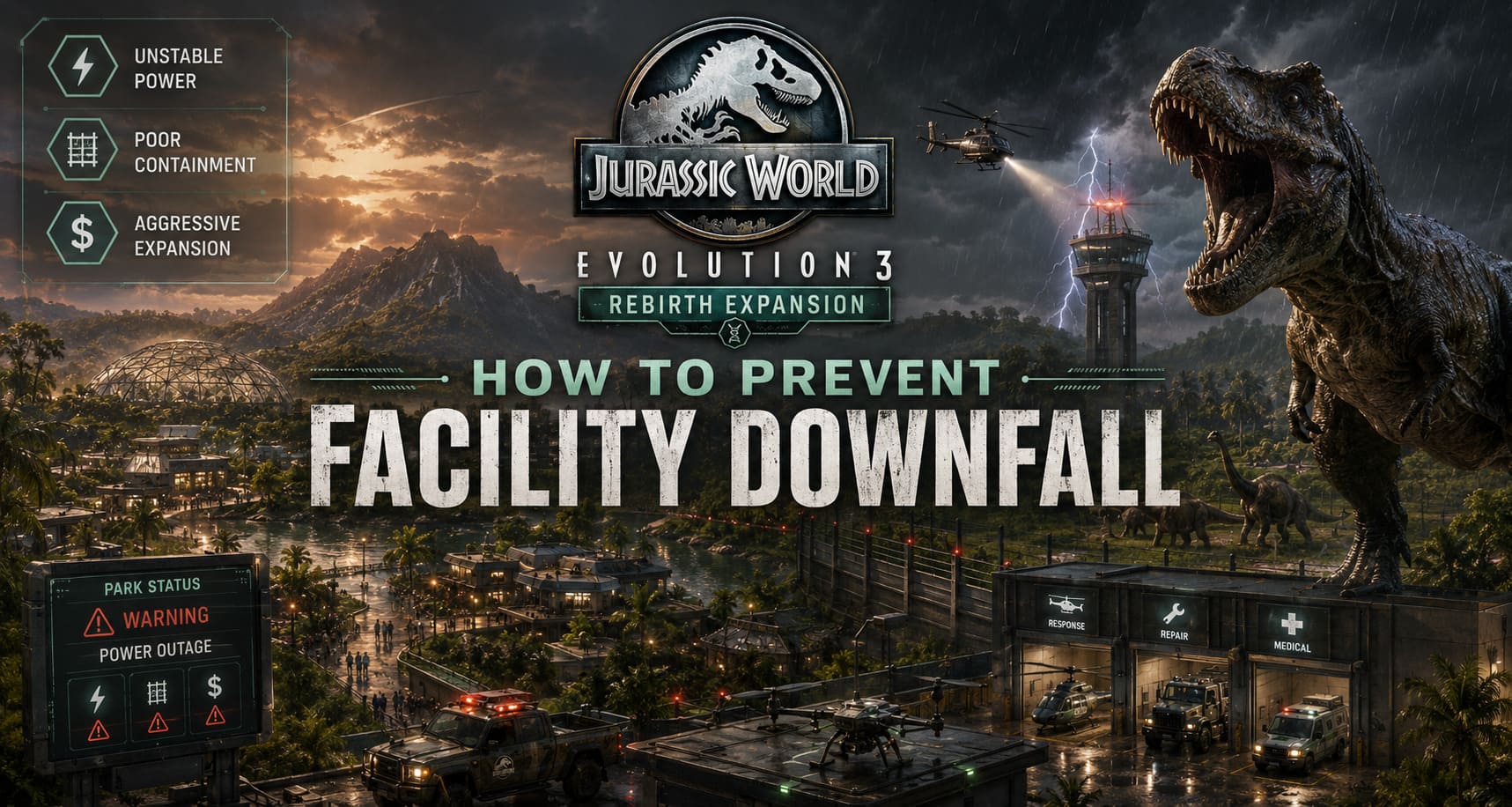
- Unstable power infrastructure
- Poor dinosaur containment
- Aggressive financial expansion
The dangerous part is that these problems rarely appear alone. A power outage can disable fences. Disabled fences can lead to escapes. Escapes can injure guests. Injured guests destroy your reputation and revenue. Suddenly you’re dealing with a financial crisis while dinosaurs roam freely across the island.
That’s why prevention is always more effective than emergency recovery.
My Approach to Power Management
If there’s one lesson every new player should learn early, it’s this:
Never trust a single power source.
The geothermal energy system introduced in Rebirth is one of my favorite additions because it adds meaningful strategic depth. At the same time, it creates new vulnerabilities.
I divide my parks into several independent sectors.
Instead of feeding everything from one central grid, I separate critical areas:
| Facility Zone | Power Priority | Backup Required |
|---|---|---|
| Carnivore Enclosures | Critical | Yes |
| Hatcheries | High | Yes |
| Guest Districts | Medium | Optional |
| Research Centers | Medium | Recommended |
| Decorative Areas | Low | No |
This approach ensures that a single failure doesn’t shut down the entire island.
Whenever severe weather is forecasted, my first concern isn’t guest comfort—it’s making sure every high-security enclosure remains powered.
Another tip I learned through painful experience: place backup generators close to dangerous dinosaurs. Those extra seconds can be the difference between a controlled situation and a disaster streamed live to thousands of viewers.
Building Enclosures That Actually Work
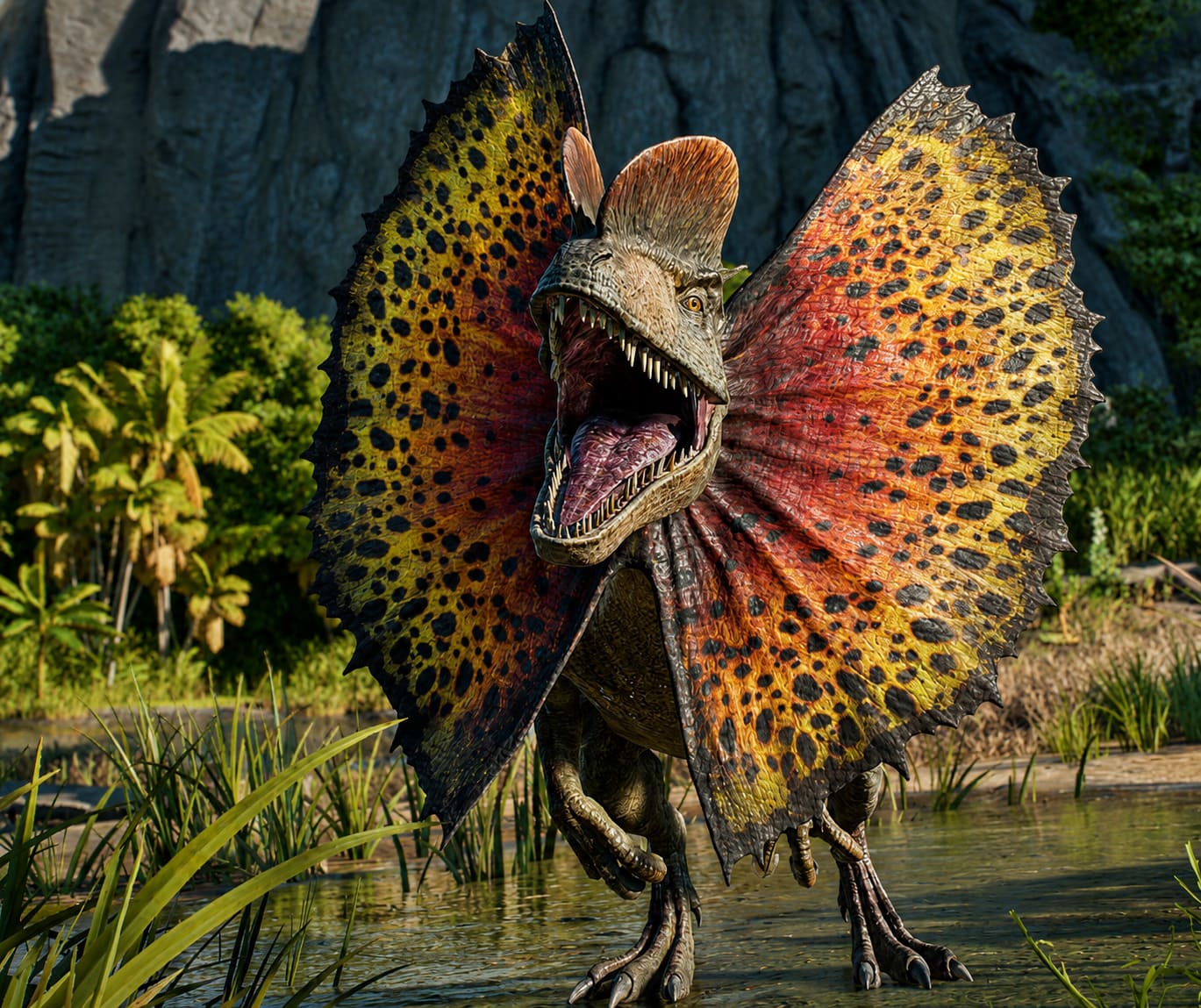
One of the smartest changes in Rebirth is the improved dinosaur behavior system.
Animals react more naturally, and they actively search for weaknesses.
Many players build fences that technically satisfy security requirements but fail under pressure.
My favorite strategy is the double-containment design.
Instead of relying on one fence line, I create two layers:
- Primary enclosure wall
- Secondary perimeter barrier
If a dinosaur breaches the inner fence, it still remains trapped within a secure buffer zone.
The design costs more upfront, but the long-term protection is worth every dollar.
When dealing with experimental species or large carnivores, I consider double containment mandatory rather than optional.
Security Cameras Are More Valuable Than You Think
I underestimated security cameras during my first campaign.
That was a mistake.
Most players view them as monitoring tools, but they’re actually early warning systems.
Proper camera placement helps identify:
- Aggressive behavior patterns
- Fence stress points
- Crowd-risk zones
- Potential escape routes
I always overlap camera coverage around carnivore habitats. Dead zones create blind spots, and blind spots eventually become expensive problems.
A fully monitored enclosure gives you more time to react before an incident becomes uncontrollable.
Automation Makes a Huge Difference
The more I played, the more I realized that successful parks depend on automation.
The new maintenance and drone systems are incredibly useful when configured correctly.
Instead of manually responding to every issue, I assign dedicated patrol routes.
My standard setup includes:
- Automated perimeter inspections
- Continuous feeder monitoring
- Scheduled infrastructure checks
- Rapid-response repair teams
This dramatically reduces unexpected failures.
Many disasters players experience aren’t caused by dinosaurs at all—they’re caused by neglected maintenance.
Keeping Dinosaurs Happy Is Easier Than Repairing Damage
One thing I genuinely appreciate about Rebirth is how much attention it gives to animal welfare.
An uncomfortable dinosaur isn’t just unhappy.
It’s dangerous.
Every enclosure should be customized according to species requirements.
I spend considerable time adjusting:
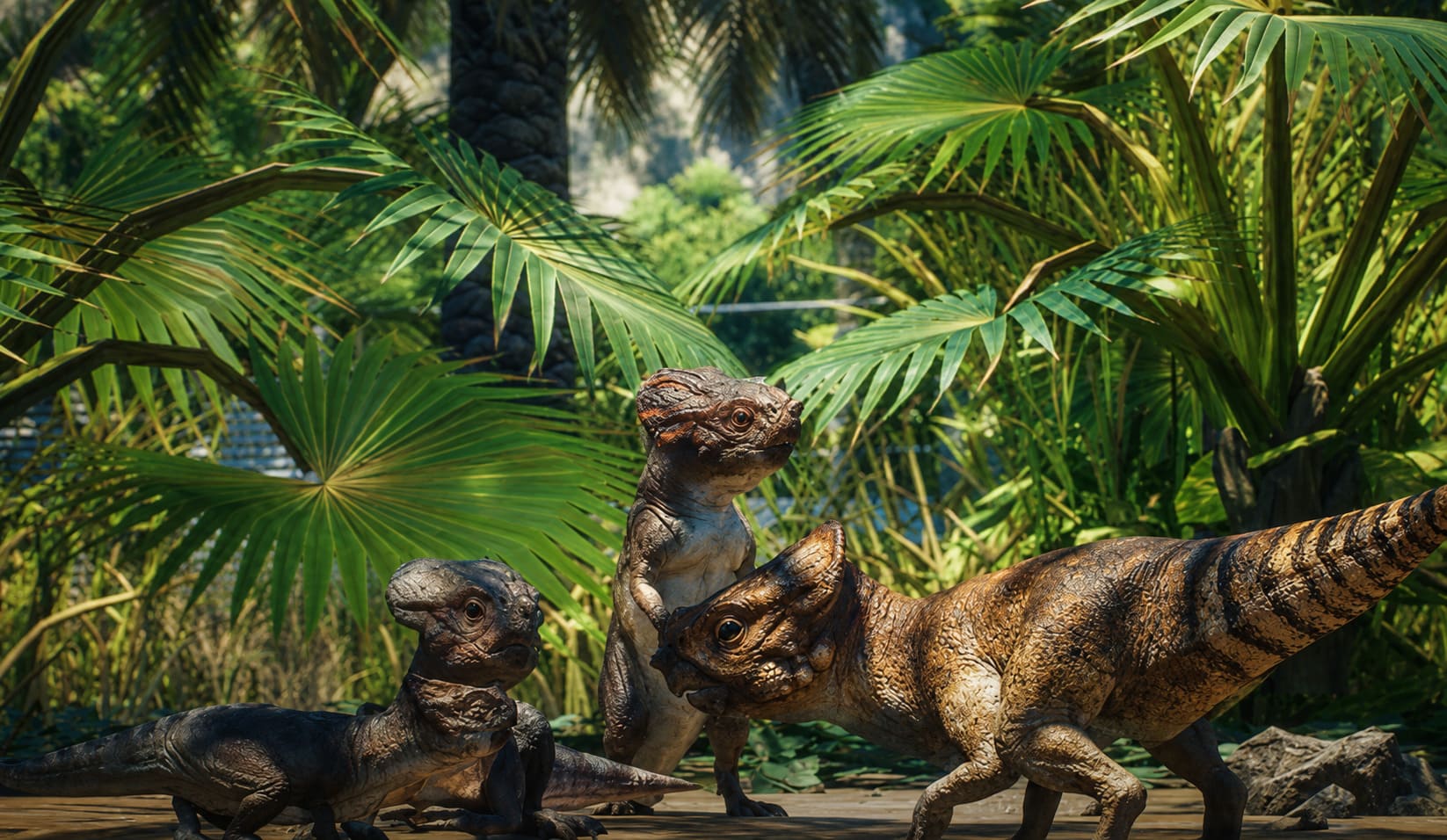
- Forest density
- Water access
- Open terrain space
- Vegetation types
- Social grouping
A small environmental mismatch may seem insignificant, but several minor comfort penalties can combine into a major problem.
I’ve seen highly valuable predators become escape risks simply because habitat conditions drifted slightly below their preferred thresholds.
Understanding Social Dynamics
The expanded social systems are another major change.
You can’t simply throw multiple species together and expect them to coexist peacefully.
Before introducing new dinosaurs, I always examine:
- Population limits
- Social requirements
- Territory needs
- Compatibility ratings
Overcrowding remains one of the fastest ways to trigger conflict.
Fights result in injuries, medical expenses, damaged fences, and negative publicity.
In my experience, slightly underpopulated enclosures perform much better than overcrowded ones.
My Emergency Response Philosophy
Every streamer eventually experiences a park disaster.
It’s inevitable.
The difference between success and failure comes down to reaction speed.
The moment I receive a dinosaur threat alert, I activate emergency shelters.
Immediately.
No hesitation.
Many players wait because they believe capture teams can solve the problem quickly.
Sometimes they can.
Sometimes they can’t.
Guest safety should always come first because reputation damage can linger long after the dinosaur is recaptured.
Decentralized Response Teams
Another strategy I strongly recommend is distributing response infrastructure across the island.
A centralized command center looks efficient on paper, but travel times become a serious issue.
My preferred setup includes multiple response hubs located throughout the facility.
Each hub contains:
- Capture helicopters
- Repair vehicles
- Medical support units
This allows emergency teams to reach incidents much faster.
The larger your park becomes, the more valuable this strategy becomes.
How I Keep My Park Profitable
Financial management often receives less attention than dinosaur care, but it determines long-term success.
One mistake I constantly see is rushing toward expensive predators.
Yes, giant carnivores attract visitors.
They also consume enormous resources.
My recommendation is simple:
Start with efficient herbivore exhibits.
These attractions generate stable income while requiring significantly lower maintenance costs.
Once revenue becomes predictable, gradually introduce premium attractions.
This creates a healthier economic foundation and reduces the risk of bankruptcy.
My Expansion Rule
I never expand unless I can comfortably absorb multiple disasters.
Before launching major construction projects, I ensure I have enough cash reserves to handle:
- Storm repairs
- Dinosaur treatment
- Emergency captures
- Guest compensation
Having a strong financial cushion provides flexibility during unexpected crises.
Jurassic World Evolution 3 Rebirth Expansion Guide: How to Manage Three Top Secret Locations
The Formula That Works Best
After extensive testing, I believe successful parks follow a simple formula:
Reliable Power + Strong Containment + Happy Dinosaurs + Controlled Growth = Long-Term Stability
Ignore any one of those pillars and problems eventually appear.
Master all four and your sanctuary becomes remarkably resilient.
The Rebirth Expansion rewards thoughtful planning more than reckless expansion, and that’s exactly why I’ve enjoyed it so much. Every system feels interconnected, every decision has consequences, and every successful park genuinely feels earned.
For players struggling with repeated facility failures, don’t focus solely on fixing disasters after they happen. Focus on designing a park where those disasters are far less likely to occur in the first place.
That’s the mindset that transformed my parks from constant chaos into thriving dinosaur empires—and it’s the same approach I recommend to anyone looking to dominate Jurassic World Evolution 3: Rebirth.