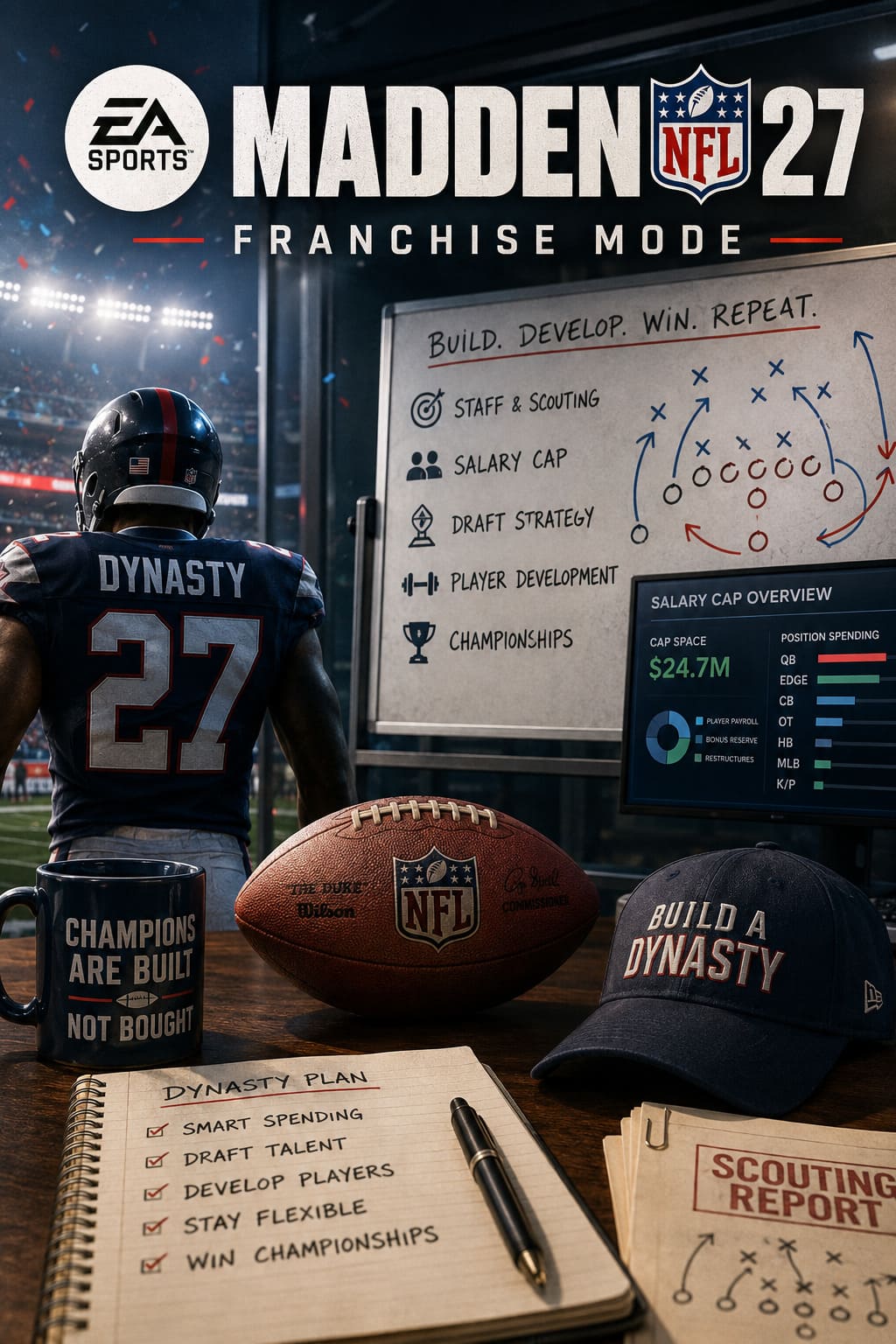
EA SPORTS™ Madden NFL 27 Franchise Mode Guide: Best Team Management Strategies to Build a Dynasty
If there is one thing I have learned after playing far too many franchise and career modes across football games, it is this: winning one season is easy compared to building a team that stays good for five or six years. Madden 27 Franchise Mode is no different.
You can take a stacked roster, play aggressively, make a few smart trades, and probably win the Super Bowl. That part is fun. The real challenge starts afterward, when your best players want new contracts, veterans begin losing speed, your draft picks become the backbone of the roster, and suddenly the salary cap feels much smaller than it did a year ago.
That is where good franchise management matters.
I have always preferred building teams that feel sustainable rather than simply throwing everything at one championship run. In Madden 27, that approach pays off especially well. You need to think like a general manager, not just someone calling plays on Sunday.
Here is the system I use to build a franchise that can compete year after year.
1. Build Your Staff Before You Start Fixing Everything Else
One mistake I see constantly in Franchise Mode is treating staff upgrades like an optional side activity. I would not do that.
Your coaching and personnel staff can have a surprisingly large impact on how quickly a young roster develops. If you are starting a rebuild, Staff Points should be one of your first priorities.
Head Coach Priorities
For the head coach, I like investing in development-oriented talents early. Anything that improves the experience gained from weekly training is valuable, especially when your roster contains several rookies or second-year players.
The reason is simple: development compounds.
A rookie who gains useful XP every week can become a quality starter much faster than a player who receives only occasional upgrades. Those extra improvements also make it easier to keep young players ahead of the contract curve.
Once your training-related upgrades are in a good position, I would start looking at staff-related discounts and recruiting bonuses. Saving Staff Points later can make a real difference when you are trying to build a complete organization.
Offensive and Defensive Coordinators
This is where I prefer to match the staff to the roster instead of simply hiring the highest-rated coordinator available.
Running a mobile quarterback?
Look for offensive boosts that complement his strengths.
Building around man coverage?
A defensive coordinator who improves your defensive backs makes more sense than a generic upgrade.
The best staff isn’t necessarily the one with the biggest overall number. It is the one that fits how you actually play.
Player Personnel
I usually put a lot of value on personnel bonuses that improve trades and free-agent negotiations.
If you enjoy rebuilding weaker teams, these bonuses become particularly useful. You are constantly looking for undervalued players, negotiating contracts, and trying to turn draft capital into useful starters.
2. Stop Paying Every Position Like It Is Equally Important
This is probably my biggest roster-building rule.
You cannot pay everyone.
It sounds obvious, but Madden makes it incredibly tempting to keep every player you develop. Then three seasons later, you look at your cap situation and realize half the roster is eating premium money.
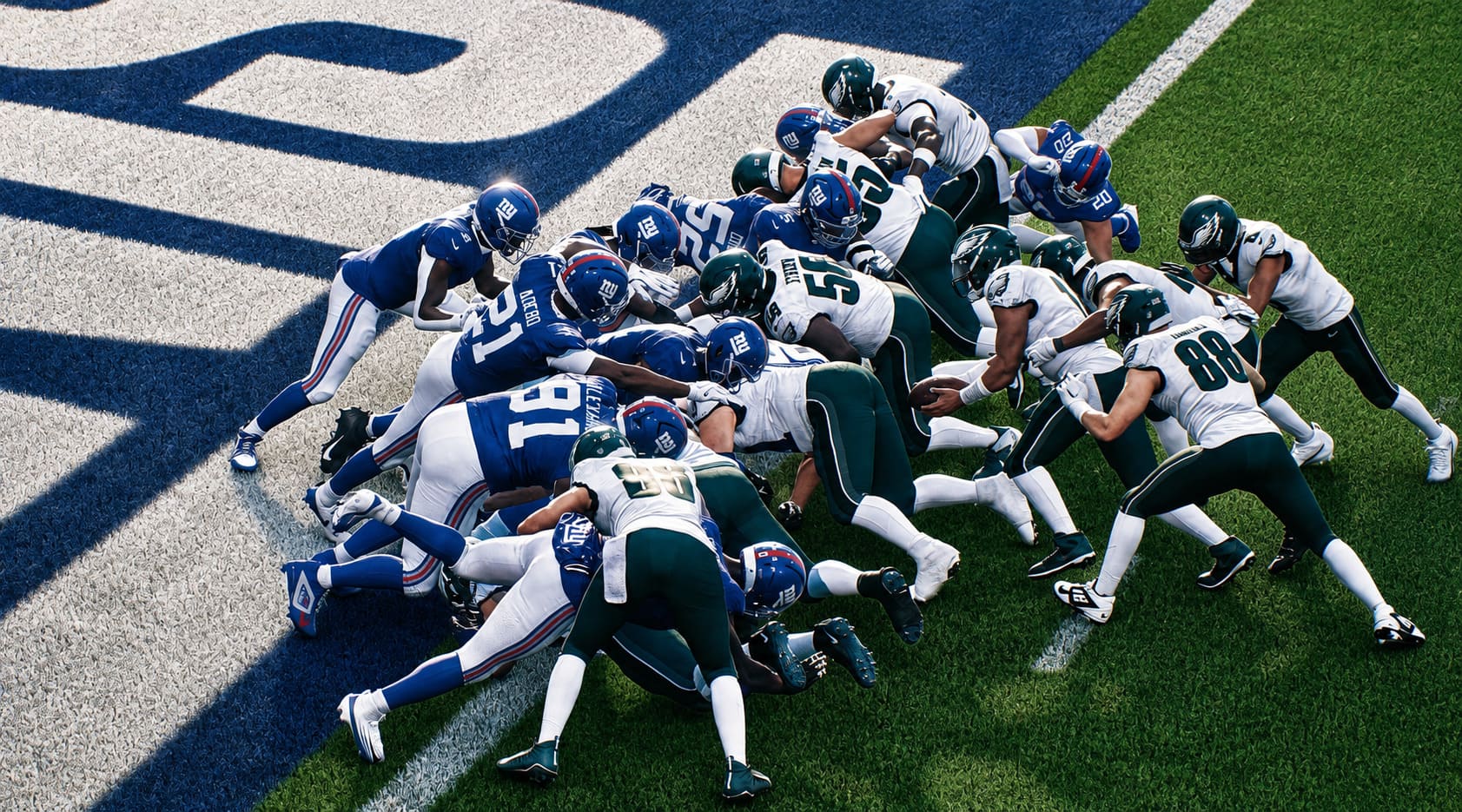
Instead, I divide positions into players I am willing to pay and positions I am comfortable replacing.
| Position | My Approach | Why |
|---|---|---|
| QB | Pay elite talent | Franchise quarterbacks are extremely difficult to replace |
| EDGE | Invest heavily | Consistent pass rush changes games |
| CB | Prioritize | Speed and coverage ability are extremely valuable |
| OT | Pay good starters | Protecting the quarterback is worth the investment |
| HB | Draft replacements | Running backs can become expensive quickly |
| MLB | Develop cheaply | Athletic linebackers can be very effective |
| K/P | Spend minimally | Premium cap space is better used elsewhere |
Quarterback Is the Exception
If you have a young quarterback with excellent development potential, I would rather pay him than start gambling on replacements.
A great QB can keep your offense competitive even when other areas of the roster are average.
But there is an important distinction between paying a franchise quarterback and overpaying a mediocre quarterback simply because you developed him.
Know the difference.
Running Back Is Where I Save Money
Running backs are one of the easiest positions for me to cycle through.
I would much rather draft a fast HB, use him during his rookie contract, develop him, and then make a decision before his second expensive contract than give a veteran running back a massive long-term deal.
The position simply does not justify the same financial commitment as quarterback, edge rusher, cornerback, or offensive tackle.
3. Salary Cap Management Will Make or Break Your Dynasty
The first time you completely destroy your future cap situation, you learn this lesson very quickly.
Dead cap is not something you should casually ignore.
Signing bonuses are particularly important because moving on from a player does not magically erase the financial commitment you already made.
Before signing a veteran to a massive deal, I always ask myself one question:
“Would I still want this player two years from now?”
If the answer is uncertain, I am much more careful with guaranteed money.
My Basic Cap Rules
- Avoid huge guaranteed contracts for aging players.
- Be careful with long deals for players approaching their decline years.
- Use cost-controlled rookie contracts aggressively.
- Think about future cap space before spending today’s money.
- Avoid creating unnecessary dead money when trading or releasing players.
The fifth-year option can also be extremely valuable for first-round selections who have developed well. An additional season of control can give you another year to evaluate a player before committing to a massive extension.
I also like backloaded deals when I am confident the roster can handle the future financial commitment.
But there is a warning here.
Backloading is not free money.
You are simply moving the problem into the future. If you keep doing it with multiple players, eventually those future seasons become a financial disaster.
4. The Draft Should Be the Heart of Your Franchise
If you want a dynasty, learn to love the draft.
Free agency can fix immediate problems, but the draft is where you build sustainable depth without destroying your salary cap.
And I strongly recommend avoiding the “draft strictly for need” mentality.
If your team desperately needs a linebacker but there is a mediocre linebacker available while an elite cornerback prospect is sitting on your board, take the better player.
Talent first. Need second.
A talented rookie can become a trade asset, starter, or long-term cornerstone.
What I Look For in Prospects
Overall rating is only part of the story.
I pay close attention to:
- Speed
- Acceleration
- Strength
- Position-specific physical traits
- Important letter grades
- Combine performance
- Development potential
For example, I would happily consider a lower-overall receiver with exceptional speed if his physical profile fits my offense.
The same principle applies to defensive backs. A corner with elite speed and useful coverage grades can become far more valuable than his initial overall rating suggests.
For offensive linemen, I care heavily about the grades that match how I actually run my offense.
Don’t draft a player because the game says he is projected to go in Round 2.
Draft him because you believe he is worth a Round 2 selection.
5. Trade Down When the Board Gives You a Reason
This is one of my favorite parts of Franchise Mode.
If you are sitting late in the first round and your board has no player worth that pick, don’t force it.
Trade down.
Turning one pick into multiple selections can dramatically improve a rebuilding roster.
I especially like accumulating future draft picks because it gives me flexibility. You can use them to move up later, acquire veterans, or simply keep adding cheap young players to the roster.
The goal isn’t to win every trade.
The goal is to make sure your roster keeps getting younger and more talented without constantly paying free-agent prices.
6. Weekly Training Is Free Player Development — Use It
Weekly training is easy to ignore once you get comfortable with Franchise Mode.
I wouldn’t.
If you have young players with strong development potential, they should be getting as much useful experience as possible.
My priority is usually young starters, rookies, and players who are close to an important development milestone.
I rarely waste valuable development opportunities on an aging veteran who has already reached his ceiling.
There is simply less upside.
Focus Players
Focus-player slots should go toward players who can realistically become important pieces of the franchise.
A rookie receiver with promising attributes?
Absolutely.
A 31-year-old veteran who is already near his maximum potential?
Usually not.
That distinction becomes incredibly important over multiple seasons.
7. Don’t Destroy Your Team With Practice Fatigue
This is another area where I learned to stop chasing development at all costs.
Early in the season, I am much more comfortable pushing the team harder. Players are healthier, and you have plenty of time to recover from fatigue.
Later in the year, I become much more conservative.
By the time you reach the final stretch of the regular season, your objective should shift from maximum development to maximum availability.
There is no point squeezing another little bit of XP out of your starters if your best players are exhausted or constantly dealing with injuries when the playoffs arrive.
I prefer stronger rotation management later in the season and giving backups more reps when possible.
The playoffs are what matter.
8. Chase Breakout Opportunities
Whenever a player receives a breakout scenario, I treat it seriously.
These challenges can provide some of the biggest development opportunities in Franchise Mode.
If the game gives you a specific objective, don’t just play your normal game and hope it happens.
Build your game plan around it.
If your rookie receiver needs multiple touchdowns, give him more targets. If your defensive player needs a particular statistical performance, adjust your defensive calls accordingly.
These moments can completely change the trajectory of a young player.
A player moving from a Normal development trait to Star can become much more valuable over the following seasons.
And that is exactly what you want.
9. My Ideal Dynasty-Building Philosophy
After playing plenty of sports franchise modes, I have found that the best long-term teams usually follow the same basic philosophy.
Spend heavily on positions that are difficult to replace. Draft aggressively at positions where young players can provide immediate value. Develop your own talent. Avoid emotional contracts.
That last one is especially important.
Don’t give a veteran a five-year contract because you just won the Super Bowl together.
Don’t keep an aging player because he has been on the roster since Year 1.
Don’t overpay a backup because you are afraid of losing depth.
Football is ruthless. Your roster needs to be ruthless too.
Souls Remnant Classless Skill System Guide: Build Strategies and Meta Character Progression
The Dynasty Formula
| Area | Long-Term Strategy |
|---|---|
| Staff | Invest in development and roster-building bonuses |
| QB | Secure elite young talent |
| Defense | Prioritize EDGE and CB |
| Draft | Value talent and physical traits |
| Free Agency | Fill specific holes instead of shopping randomly |
| Salary Cap | Protect future flexibility |
| Training | Prioritize young high-upside players |
| Veterans | Move on before decline becomes expensive |
Final Thoughts
For me, the most satisfying Madden 27 Franchise saves aren’t the ones where I immediately take an elite team and win three Super Bowls.
The best saves are the rebuilds.
Starting with a mediocre roster, finding a quarterback, hitting on a couple of draft picks, developing a secondary, fixing the offensive line, and eventually watching the players you drafted become the core of a championship team is what makes Franchise Mode worth playing.
Think in years, not weeks.
Your rookie class should be helping your roster two seasons from now. Your contracts should leave room for the next wave of talent. Your staff should be accelerating development instead of simply adding cosmetic bonuses. And your draft capital should always give you another way to improve the team.
Most importantly, don’t build a roster just to win the next game.
Build one that can survive the season after that.
That is the real trick to Madden 27 Franchise Mode. The Lombardi Trophy is the reward, but maintaining a competitive roster for five, six, or even ten seasons is where the real challenge begins.