EverRail Survival Guide: Timed Expeditions Tips and Full Crafting Recipes List (2026)
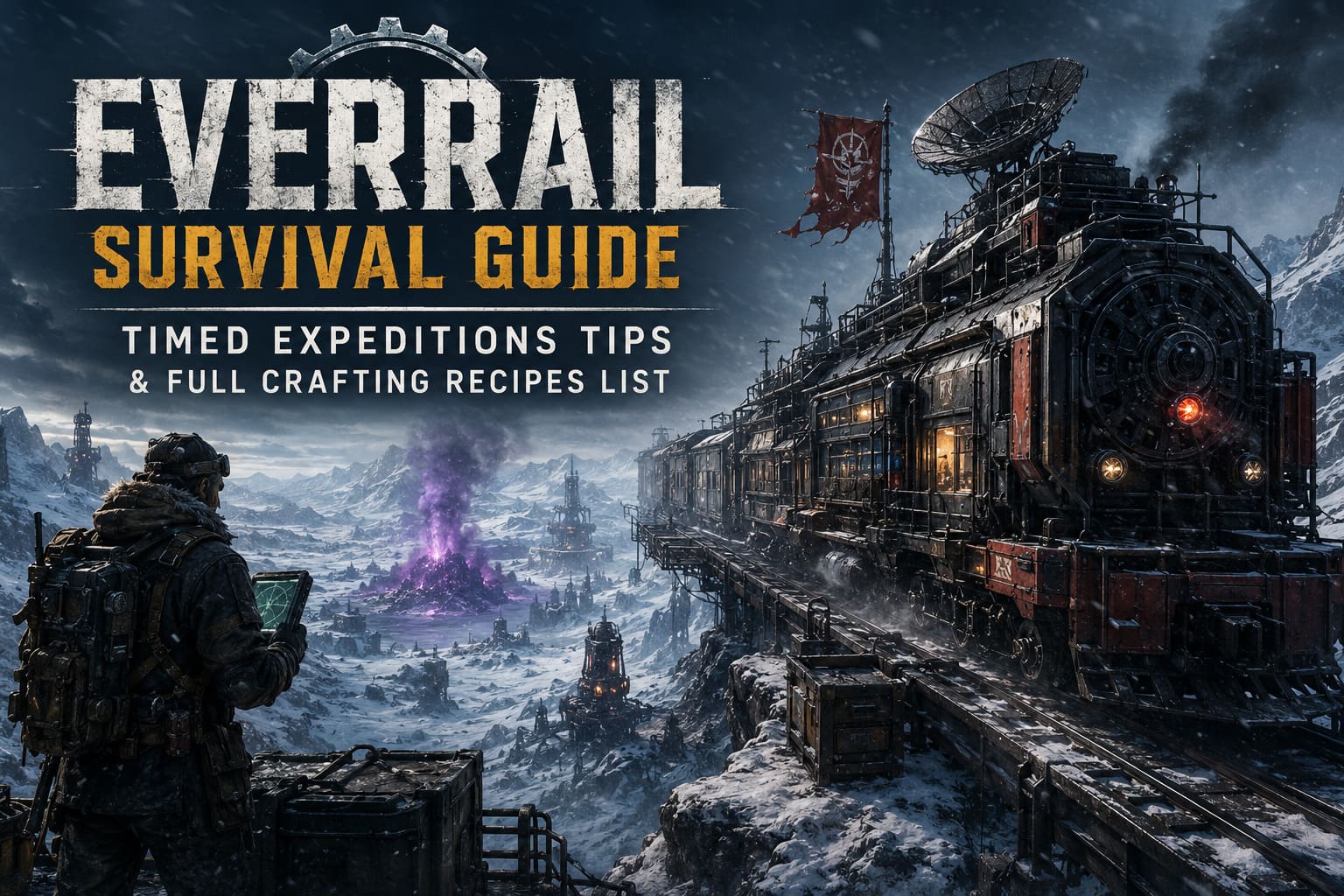
EverRail isn’t the kind of survival game that gives you time to admire the scenery. From the moment I started my first run across the frozen moon of Inara, it became obvious that every mechanic exists to pressure the player into making quick decisions. Your train is constantly demanding attention, the environment punishes hesitation, and every trip into the snow feels like gambling with your last chance.
I’ve played plenty of survival games over the years, but EverRail approaches the genre differently. Instead of building one giant static base, your entire home rolls across frozen tracks. The train is your shelter, your crafting station, your storage room, your factory, and quite literally your lifeline. Once you understand that everything revolves around keeping that machine alive, the game suddenly starts making sense.
If you’re struggling to survive your first several hours or you’re looking for more efficient ways to gather resources, this guide covers the strategies that made the biggest difference during my own experience.
Why Timed Expeditions Change Everything
Most survival games reward slow exploration. EverRail does the exact opposite.
Every minute your train remains stationary costs precious battery power. Wander too far chasing loot, and you may return to discover that your mobile base has become a frozen coffin. That constant pressure completely changes how you approach exploration.
Rather than asking, “What can I find here?” I found myself constantly asking:
- Can I reach this location and return safely?
- Is the loot actually worth the battery cost?
- Do I have enough supplies if something goes wrong?
That mindset is what separates successful expeditions from frustrating failures.
Always Think Two Trips Ahead
One mistake I made early was filling my backpack with random materials simply because they were nearby.
Eventually I realized that EverRail rewards planning much more than greed.
Before leaving the train, decide exactly what you’re searching for.
For example:
| Objective | Priority Resources | Recommended Equipment |
|---|---|---|
| Weapon upgrades | Mechanical Parts, Scrap Metal | Revolver, Bandages |
| Reactor improvements | Isotopes, Electronic Components | Glider, Cold Medicine |
| New wagons | Heavy Components, Refined Steel | Large Backpack |
| Medical supplies | Mutant Flora, Clean Water | Storage Containers |
Having a clear objective prevents wasting valuable battery time.
Your Train Is the Real Main Character
It sounds strange, but after dozens of hours I stopped thinking of my character as the most important part of the game.
The train is.
Everything depends on it.
Whenever I leave for an expedition, I always double-check several systems before opening the door.
My personal checklist includes:
- Battery level
- Deflector shield status
- Crafting queue
- Fuel reserves
- Inventory space
- Emergency healing supplies
Skipping even one of these checks has ruined more than one expedition.
The Glider Is Far More Useful Than It First Appears
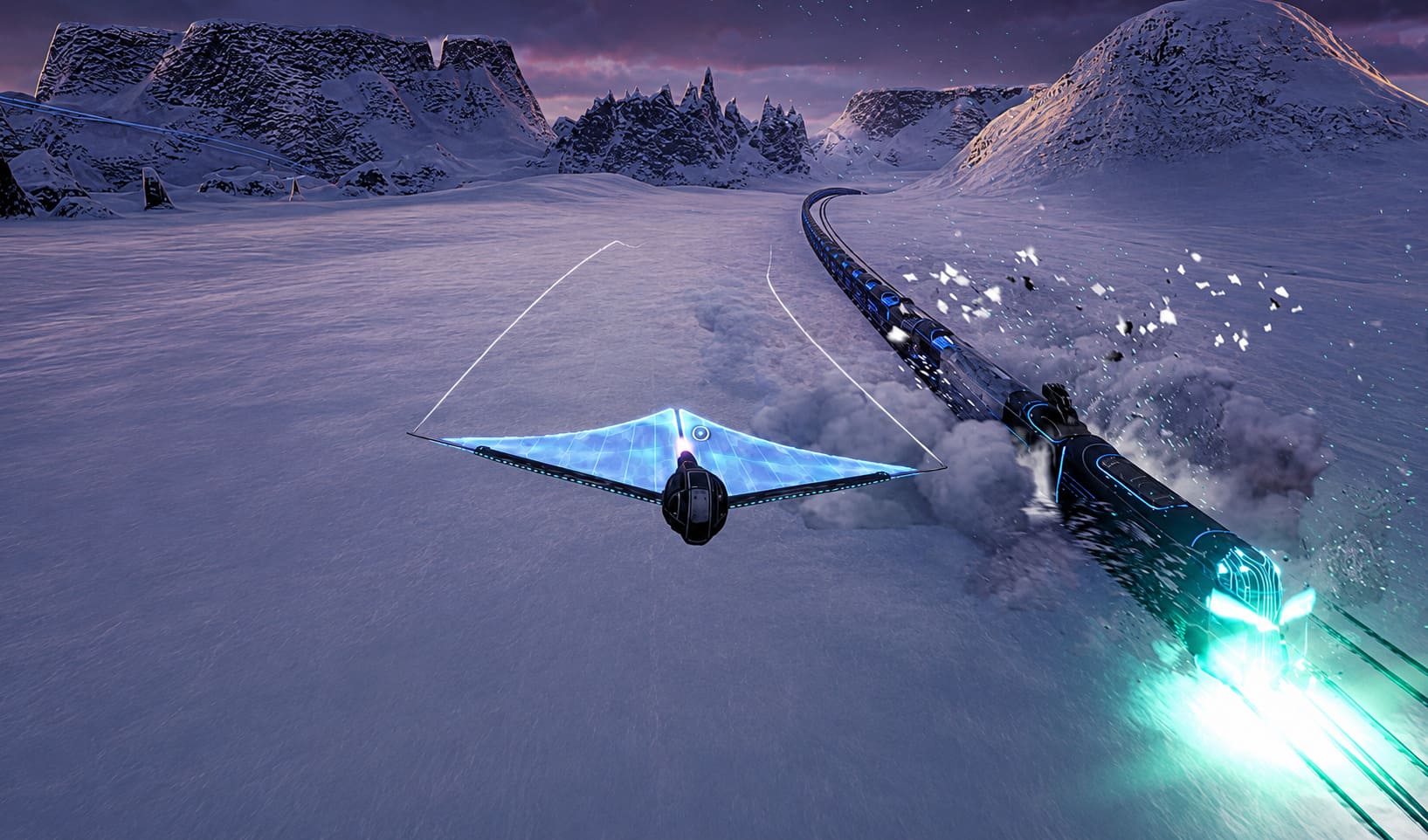
At first glance, the glider looks like a simple traversal tool.
It isn’t.
Learning how to launch from hills instead of climbing through deep snow dramatically reduces travel time.
More importantly, gliding lets you scout dangerous locations without committing to a fight.
Whenever I spotted abandoned facilities or military compounds, I usually circled them from above before deciding whether entering was worth the risk.
Those extra thirty seconds of scouting often saved several minutes of combat.
Purple Isotope Clouds Should Never Be Ignored
Eventually you’ll notice strange violet clouds scattered throughout the frozen landscape.
These locations are dangerous, but they’re also some of the most rewarding places in the game.
High-energy isotopes become increasingly valuable once advanced crafting stations and reactor upgrades unlock.
My recommendation is simple:
Never visit these areas without a clear escape plan.
Temperature drops quickly inside isotope zones, and staying too long usually creates more problems than the resources are worth.
Deploy automated collectors whenever possible instead of standing inside the hazard yourself.
Death Has Real Consequences
EverRail handles respawning differently than most survival games.
Instead of simply appearing at your base after dying, you consume one of your passengers.
That mechanic completely changed how I approached risk.
Passengers aren’t just NPCs filling empty train seats.
They’re effectively your remaining lives.
Whenever I discovered stranded survivors during expeditions, rescuing them immediately became a higher priority than gathering additional loot.
More passengers also improve production inside your train, making them valuable even when nobody dies.
Clearing Underground Facilities Efficiently
Underground bunkers quickly become some of the most rewarding—and dangerous—locations in EverRail.
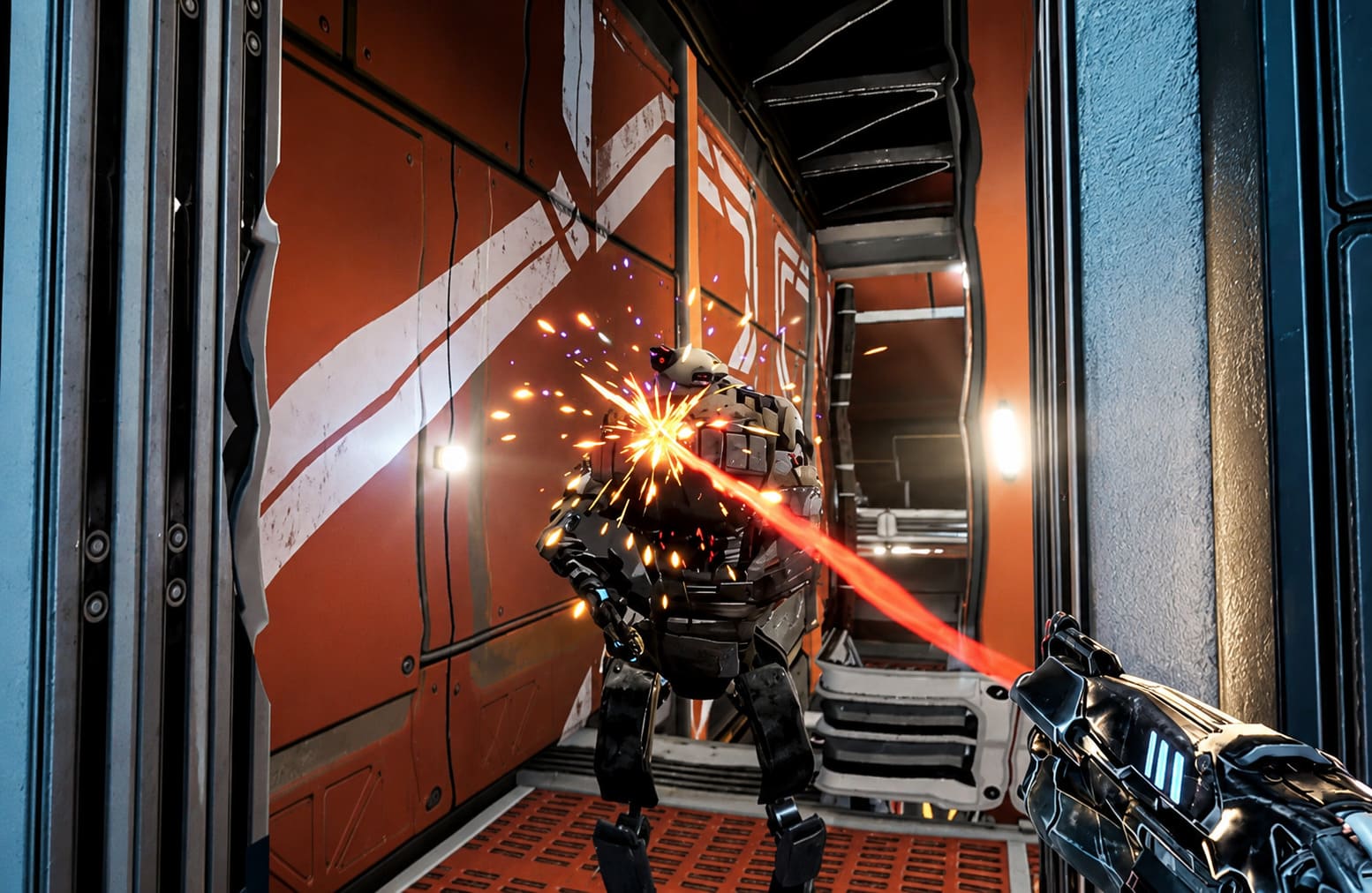
They’re packed with valuable blueprints, but they’re also protected by automated defenses.
One lesson became obvious after several failed attempts.
Don’t fight everything directly.
Instead, use the environment.
Some effective approaches include:
- Triggering landmines remotely.
- Pulling enemies into narrow corridors.
- Using pillars against turret fire.
- Eliminating smaller robots before focusing on objectives.
Invulnerable turrets are designed to waste ammunition.
Ignore them whenever possible and search for the control terminal instead.
Crafting Recipes Worth Prioritizing
Not every recipe deserves immediate attention.
Some become essential almost immediately, while others are luxury upgrades for later.
Early Survival Items
| Recipe | Materials | Purpose |
|---|---|---|
| Bandage | 2 Cloth, 1 Clean Water | Stops bleeding and restores health |
| Snake Oil | Mutant Flora, Chemical Compound | Removes poison and improves cold resistance |
| Skeleton Key | 3 Scrap Metal, Component | Opens locked security containers |
Bandages are easily my most crafted item during the opening hours.
Never leave the train without several.
Recommended Weapons
Weapon progression feels surprisingly balanced.
Here’s the order that worked best for me.
| Weapon | Best Use |
|---|---|
| Revolver | Early exploration |
| Rifle | Long-range robot encounters |
| Shotgun | Interior bunker combat |
| Tesla Cannon | Advanced mechanical enemies |
The Tesla Cannon deserves special mention.
Against robotic opponents, it performs significantly better than traditional firearms thanks to its electrical disruption effect.
Useful Explosives
Explosives aren’t just for combat.
They’re excellent utility tools.
Some examples include:
- Dynamite for blocked passages.
- Gunpowder Barrels for defensive traps.
- Molotovs to control choke points.
- Skeleton Grenades against robotic enemies.
- Holy Hand Grenade for rare late-game encounters.
I rarely wasted explosives on ordinary enemies.
Saving them for difficult bunker sections usually produced better results.
Ammunition You Should Always Stockpile
Running out of bullets halfway through an expedition is one of the easiest ways to lose passengers.
Keep materials ready for:
| Ammo | Materials | Output |
|---|---|---|
| Light Ammo | Lead Ore, Gunpowder | 12 Revolver rounds |
| Medium Ammo | Refined Iron, Gunpowder | 20 Rifle rounds |
| Shotgun Shells | Lead Ore, Gunpowder, Plastic Scrap | 6 Shells |
Personally, I always produced more rifle ammunition than anything else.
Its versatility made it my primary weapon for most of the game.
Expanding Your Train the Smart Way
Additional wagons completely transform how efficiently your train operates.
Rather than attaching modules randomly, I found specialized wagons much easier to manage.
For example:
| Wagon | Main Purpose |
|---|---|
| Storage Wagon | Resources and crafting materials |
| Workshop | Weapons and repairs |
| Greenhouse | Food and mutant flora |
| Smelting Wagon | Metal production |
Keeping every production chain separated makes inventory management much cleaner during long sessions.
Is EverRail Coming to Xbox and PS5? Train Battery Efficiency Guide
Co-op Is Easier When Everyone Has a Job
EverRail supports cooperative play, but simply having more players isn’t enough.
The biggest improvement comes from assigning permanent responsibilities.
The setup I liked most looked something like this:
- Conductor — keeps the train powered and protected.
- Scout — locates bunkers and isotope fields.
- Scavenger — focuses entirely on gathering heavy resources.
- Engineer — crafts equipment, repairs gear, and manages upgrades.
Once everyone understands their role, expeditions become noticeably smoother.
Final Thoughts
EverRail quickly became one of the more memorable survival games I’ve played this year because it constantly forces meaningful decisions.
Every expedition has a cost.
Every death matters.
Every upgrade feels earned.
That’s what keeps the experience engaging long after the opening hours.
If I could give one piece of advice to every new player, it would be this: don’t chase every resource you see. Plan your route, know exactly why you’re leaving the train, and always leave enough time to get back safely.
The frozen world of Inara rewards preparation far more than reckless bravery. Keep your battery charged, rescue every survivor you can, maintain a healthy stockpile of ammunition and medical supplies, and continue improving your rolling fortress one wagon at a time.
Master those fundamentals, and you’ll spend far more time expanding your train than watching another passenger become your next unfortunate respawn.