Upcoming RPGs 2026: Most Anticipated Role-Playing Games
The RPG landscape in 2026 is shaping up to be one of the most ambitious in recent memory.
After spending years following both AAA releases and niche tactical RPGs, it’s clear that developers are no longer just chasing bigger open worlds—they’re trying to build reactive systems, meaningful choices, and worlds that actually feel alive.
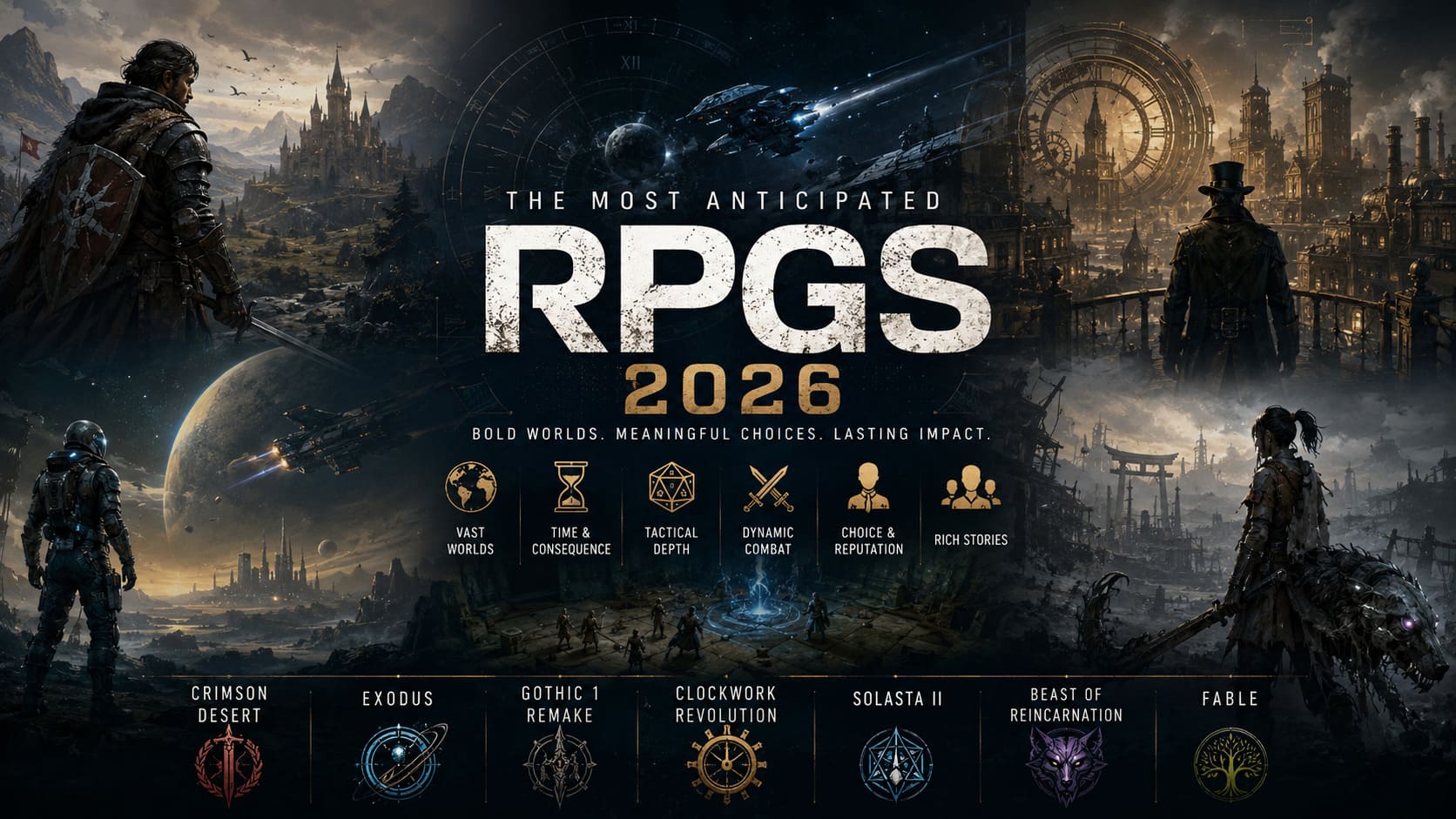
What stands out this year is not just scale, but intent. Studios are experimenting with time mechanics, systemic storytelling, and hybrid combat designs that blur genre lines.
Summer Game Fest 2026: Schedule and What to Expect
Some of these games will likely redefine expectations, while others may struggle under their own ambition.
Below is a breakdown of the most anticipated RPGs of 2026, written from the perspective of a long-time player who has seen enough hype cycles to know when something feels genuinely different.
Crimson Desert
Open-World Action RPG with Heavy Combat Focus
Crimson Desert is one of those games that immediately grabs attention the moment gameplay appears. It blends cinematic combat, open-world exploration, and large-scale encounters into a single experience that feels aggressive and fast-paced.
The most impressive aspect so far is movement. Climbing, grappling, mounted traversal, and combat transitions all appear seamless. Instead of separating exploration and fighting into distinct systems, everything flows together.
However, the real question is depth. A lot of games can look impressive in trailers, but the challenge is whether the world supports that freedom in meaningful ways rather than just scripted moments.
Final Fantasy VII Rebirth on Nintendo Switch 2 Review
Exodus
Sci-Fi RPG Built Around Time Dilation Consequences
Exodus introduces one of the most interesting narrative mechanics in recent RPG design: time dilation. The idea that your journey through space causes decades or centuries to pass back home creates an entirely different sense of consequence.
This isn’t just about dialogue choices—it’s about long-term world evolution. The factions, relationships, and civilizations you leave behind may not be the same when you return.
If executed properly, this could become one of the most ambitious narrative RPG systems ever attempted. But it’s also a complex design challenge that could easily collapse if not carefully balanced.
Gothic 1 Remake
Hardcore Dark Fantasy RPG Revival
The Gothic 1 Remake is a rare example of a modern project that refuses to simplify its identity. Instead of turning the original into a streamlined experience, it aims to preserve its harsh, unforgiving design philosophy.
There are no excessive map markers or hand-holding systems. NPCs follow daily routines, the world reacts to reputation, and survival in the early game remains deliberately difficult.
This approach will not appeal to everyone, but for players tired of overly guided RPGs, it’s a refreshing return to structured challenge and immersion.
Clockwork Revolution
Steampunk RPG with Time Manipulation Systems
Clockwork Revolution stands out because of its central mechanic: altering the past to reshape the present. This is not just narrative branching, but structural world transformation.
Entire districts, factions, and character relationships can shift based on historical changes made by the player. It’s an ambitious idea that, if fully realized, could push RPG reactivity to a new level.
The risk, of course, is complexity. Systems like this are extremely difficult to scale without breaking consistency or player understanding.
Solasta II
Tactical RPG Focused on Tabletop Accuracy
Solasta II is aimed at a very specific audience: players who enjoy strict tactical systems and tabletop-style mechanics. It prioritizes rules, positioning, and structured combat over cinematic presentation.
The game expands vertical combat design and emphasizes environmental interaction in turn-based encounters. Success depends heavily on planning, party composition, and understanding system interactions.
This is not a casual RPG, and it does not try to be one. That clarity of vision is exactly why it has a dedicated following.
Beast of Reincarnation
Dark Post-Apocalyptic Action RPG from Game Freak
Beast of Reincarnation is one of the most unexpected announcements in recent years. Known for Pokémon, Game Freak is now exploring a darker, more mature action RPG direction.
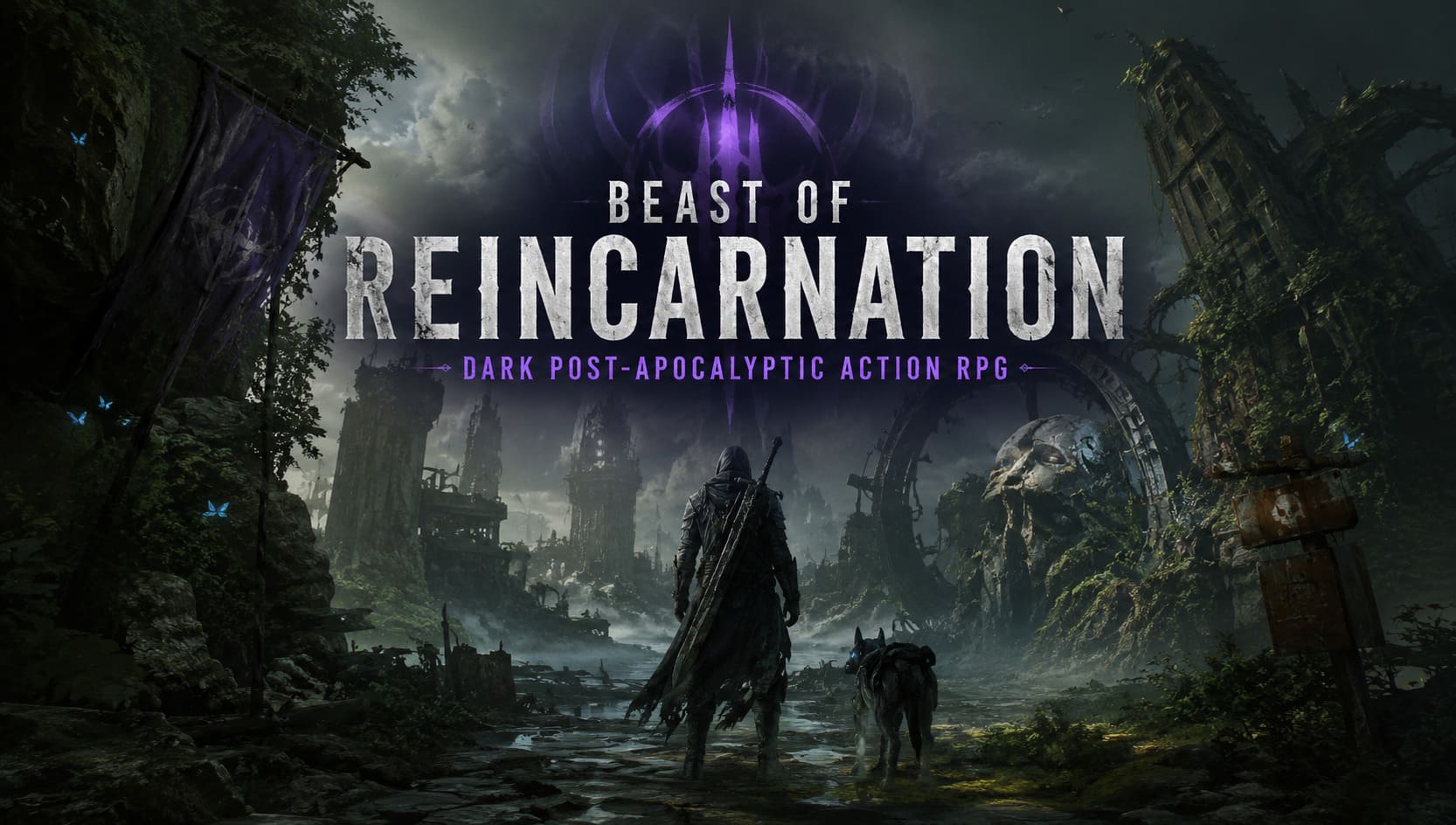
The setting is a ruined future Japan filled with mechanical anomalies and hostile factions. Gameplay appears faster and more aggressive than the studio’s traditional work, with an emphasis on survival and companion dynamics.
The biggest question is whether the studio can successfully transition into this genre without relying on familiar design patterns.
Fable
Fantasy RPG Reboot Focused on Choice and Humor
The return of Fable carries both excitement and skepticism. The series is known for its humor, morality systems, and reactive world design, and the reboot aims to bring all of that into a modern technical framework.
Player choices are expected to influence appearance, reputation, and world reactions in meaningful ways. Playground Games has strong technical capabilities, but RPG depth will ultimately determine success.
If it lands correctly, this could re-establish Fable as a major name in modern RPG design.
Final Thoughts
2026 is shaping up to be a defining year for RPGs, not because everything will succeed, but because so many developers are taking real risks. Time systems, reactive worlds, tactical fidelity, and genre experimentation all point toward a genre trying to evolve rather than repeat itself.
Some of these titles will likely become landmark releases. Others may fall short. But from a player’s perspective, this level of ambition is exactly what keeps the genre interesting.