Cheap Car Repair Guide: How to Expand Your Workshop and Make Millions
When I first launched Cheap Car Repair, I expected another casual mechanic simulator where you replace a few parts, earn some money, and slowly upgrade your garage. After dozens of hours behind the wrench, I realized this game is something completely different. It throws you into a rough 1990s Eastern European environment where every dollar matters, every shortcut feels tempting, and every repair decision can either grow your business or leave you struggling to pay the bills.
What makes the game so addictive is that success isn’t determined by how perfect your repairs are. Instead, it’s about finding the smartest balance between spending and earning. If you’re trying to expand your workshop as quickly as possible and build a garage that generates serious profit, this guide covers the strategies that worked best for me.
Why Workshop Expansion Matters
A lot of new players focus entirely on customer jobs without thinking long-term. The problem is that a small garage has limited earning potential. You can only work on so many vehicles, and the highest-paying contracts often require equipment you simply don’t have access to yet.
Expanding your workshop unlocks:
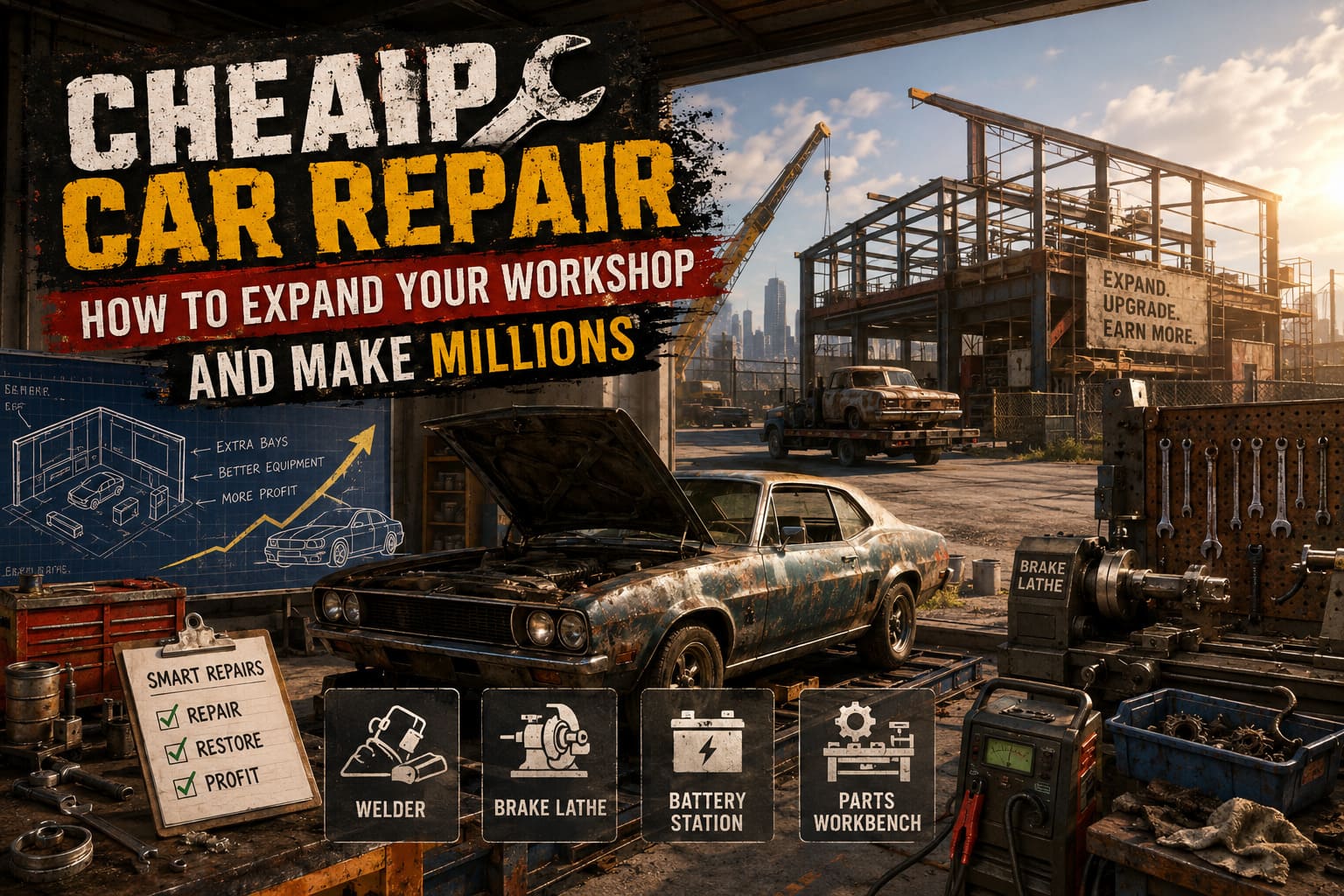
- Additional vehicle bays
- More advanced repair contracts
- Specialized repair equipment
- Faster workflow efficiency
- Greater vehicle flipping opportunities
In my experience, every major upgrade creates a noticeable jump in income potential. The challenge is gathering enough capital without wasting money along the way.
The Golden Rule: Stop Overspending
The biggest mistake beginners make is purchasing brand-new replacement parts for everything.
Cheap Car Repair rewards creativity far more than perfection. Customers generally care about results, not whether you spent a fortune achieving them. Every unnecessary purchase eats directly into your expansion budget.
I learned very early that the game is less about being an honest mechanic and more about becoming an efficient business owner.
Before buying anything, ask yourself:
Can this part be repaired?
Can this damage be hidden?
Can this job be completed using equipment instead of replacement parts?
If the answer is yes, keep your money.
Early-Game Profit Strategy That Changed Everything
The turning point for my save file came when I stopped treating bodywork jobs like real-world restorations.
Instead of replacing damaged panels, I invested in basic workshop tools and focused on cosmetic repairs. The results were surprisingly profitable.
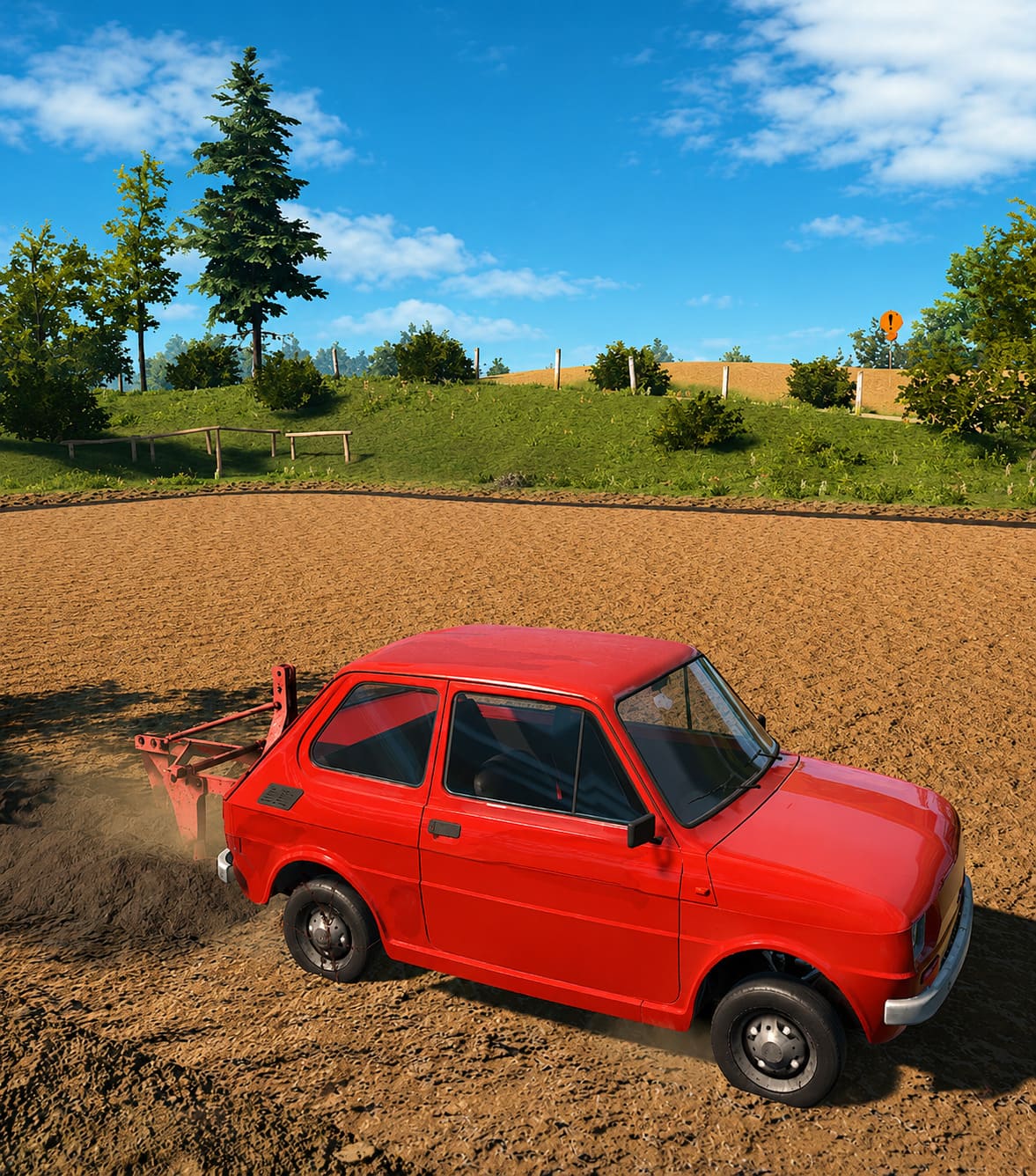
My Early Priority Purchases
| Upgrade | Why It Matters |
|---|---|
| Welder | Repairs structural damage cheaply |
| Car Wash | Instantly improves vehicle condition |
| Basic Paint Supplies | Essential for visual repairs |
| Putty Materials | Extremely cost-effective bodywork solution |
Once I had these tools, I started accepting every damaged vehicle that rolled into the garage.
Rust? Repair it.
Dents? Cover them.
Ugly body panels? Smooth them out and repaint.
The game’s repair evaluation system is surprisingly forgiving, allowing players to complete jobs for a fraction of what full replacements would cost.
As a result, my profit margins increased dramatically within just a few in-game days.
Essential Equipment Worth Buying
Not every workshop upgrade is worth rushing. Some tools pay for themselves almost immediately.
1. Brake Lathe
This machine became one of my favorite investments.
Instead of purchasing new brake components repeatedly, you can restore existing parts and reuse them. Since brake-related repairs appear frequently, the savings add up very quickly.
The upfront cost may seem high, but the long-term value is outstanding.
2. Battery Charging Station
Few things are more satisfying than fixing a “dead battery” problem without spending any money.
Whenever a customer vehicle arrives with electrical issues, I immediately check whether the battery can be recharged instead of replaced.
The charging station turns what would normally be an expense into pure profit.
3. Parts Workbench
This upgrade introduces one of the most useful mechanics in the game.
By successfully completing repair mini-games, you can salvage damaged components and return them to working condition.
The better your timing, the more money you save.
I strongly recommend investing skill points into upgrades that make these mini-games easier because they significantly reduce accidental failures.
The Real Money Maker: Junkyard Vehicle Flipping
Customer repairs are great for stable income, but the real fortunes are hidden in the junkyard.
Once I unlocked a second workshop bay, my entire playstyle changed.
Instead of waiting for customers, I started hunting for neglected vehicles that could be purchased cheaply and restored for profit.
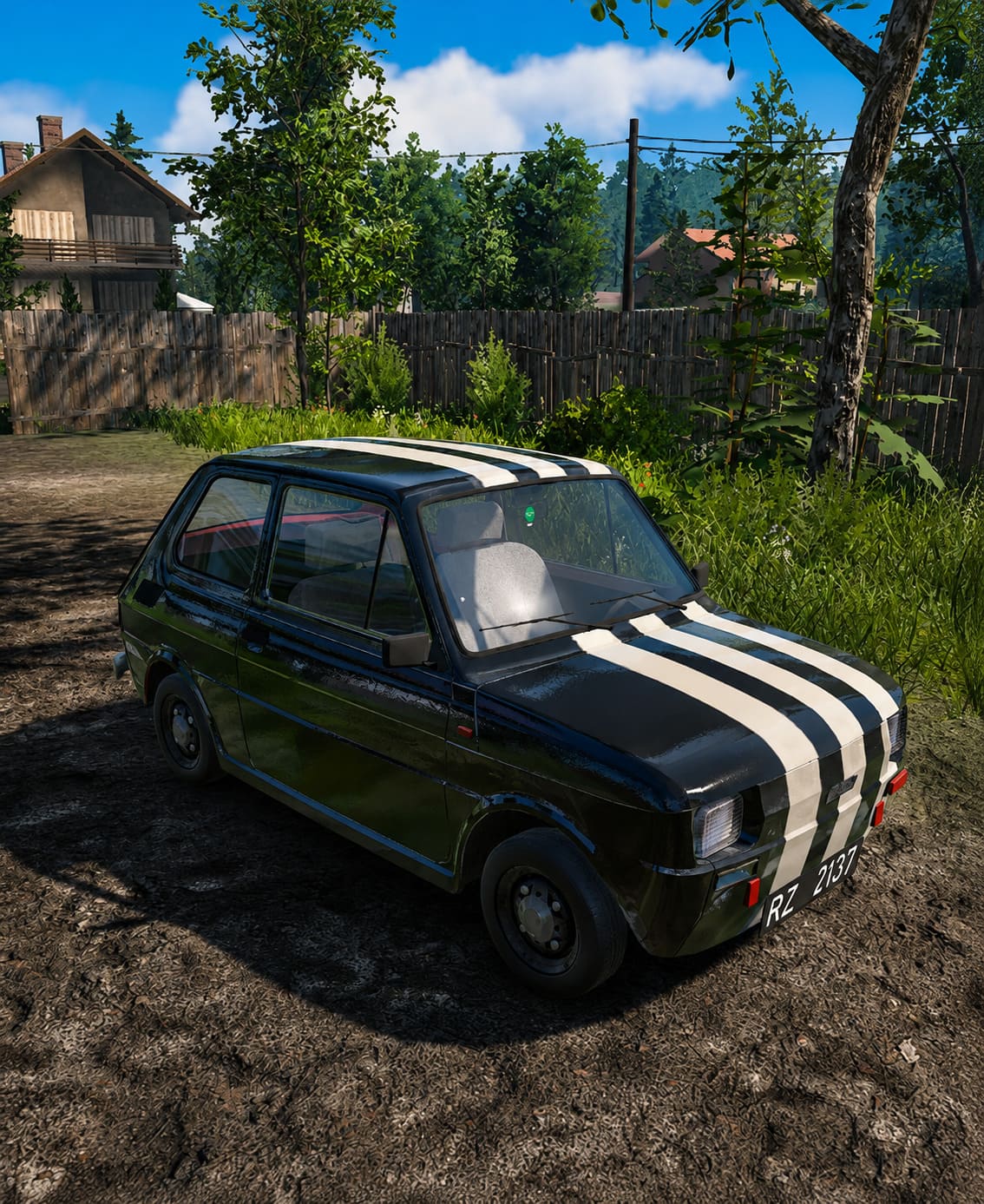
What I Look For
The best candidates usually have:
- Heavy cosmetic damage
- Rusty frames
- Dirty interiors
- Repairable mechanical issues
Many players ignore these vehicles because they look terrible at first glance.
That’s exactly why they’re profitable.
After towing them back to the garage, I focus on:
- Washing the vehicle thoroughly.
- Repairing structural issues with the welder.
- Fixing reusable parts.
- Improving overall condition ratings.
- Selling before investing excessive money.
The goal isn’t creating a perfect show car.
The goal is increasing value while spending as little as possible.
This strategy generated more money for me than any customer contract chain in the game.
Reputation Management Is More Important Than You Think
One feature I genuinely appreciate about Cheap Car Repair is that customer satisfaction still matters.
You can’t simply scam everyone forever without consequences.
Poor service eventually damages your reputation, reducing future opportunities.
That means balancing cost-cutting with customer expectations.
A repair doesn’t have to be perfect, but it does need to function.
I’ve found that staying just above the minimum quality threshold produces the best results.
Customers remain satisfied, profits remain high, and workshop growth continues steadily.
Cheap Car Repair 2026 Guide: Best Ways to Make Money Fast and Build Your Empire
My Recommended Progression Path
After experimenting with multiple saves, this is the route I would follow if starting from scratch today.
Stage 1: Build Your Foundation
- Focus on simple repair jobs.
- Avoid unnecessary purchases.
- Save every possible credit.
Stage 2: Invest in Bodywork Tools
Purchase:
- Welder
- Car Wash
- Paint Equipment
- Repair Materials
These tools dramatically increase profitability.
Stage 3: Expand Your Garage
Unlock a second working bay as soon as financially possible.
This creates more opportunities for simultaneous projects.
Stage 4: Improve Repair Efficiency
Purchase:
- Brake Lathe
- Battery Charger
- Parts Workbench
These upgrades reduce dependency on expensive replacement parts.
Stage 5: Become a Full-Time Vehicle Flipper
Begin sourcing vehicles from the junkyard.
Repair them efficiently.
Sell them for substantial profits.
Use the income to unlock advanced workshop upgrades and maximize your garage’s earning potential.
Cheap Car Repair vs Car Mechanic Simulator 2026: Which Game Is Best for Real Gearheads?
Final Thoughts
Cheap Car Repair succeeds because it captures the feeling of building something from almost nothing. Every workshop expansion feels earned, every successful vehicle flip feels rewarding, and every smart financial decision moves you closer to creating a thriving automotive business.
What I enjoy most is that the game constantly encourages problem-solving. Sometimes the best solution isn’t the most professional one—it’s simply the most profitable.
If your goal is to unlock every workshop upgrade quickly, focus on minimizing expenses, maximizing repair efficiency, and taking advantage of the junkyard economy whenever possible. Customer jobs will keep the lights on, but strategic vehicle flipping is what truly transforms a struggling mechanic into an automotive tycoon.
Master those systems, and your tiny rural garage will eventually become one of the most profitable operations in the entire region.