The Severed Gods Guide: Virtue vs Sin Choices and Reincarnation Loop Mechanics Explained
There is something refreshingly cruel about The Severed Gods. The game looks like a tactical RPG on the surface, throws you into grid-based battles, gives you a group of heroes to manage, and then quietly reminds you that none of your victories are completely permanent. You fight, make decisions, collect powerful equipment, lose everything, and start again.
And honestly? That is exactly why I like it.
A lot of roguelite RPGs treat death as a simple reset button. The Severed Gods tries to make every death feel like part of the story. Your mistakes become knowledge, your choices leave consequences, and the decisions you made during one run can influence how you approach the next.
The biggest system to understand is the game’s Karma mechanic, which revolves around two opposing philosophies: Virtue and Sin.
At first, these choices can look like simple morality decisions. Help someone or exploit them. Save a settlement or take advantage of it. Show mercy or grab whatever rewards are available.
But after spending more time with the game, it becomes obvious that Karma is much more than a morality meter. It can influence your resources, combat approach, available rewards, NPC relationships, and even the way you think about an entire reincarnation cycle.
Virtue vs Sin: The Basic Idea
The easiest way to understand Karma is to stop thinking about it as “good versus evil.”
Instead, think of it as two different build philosophies.
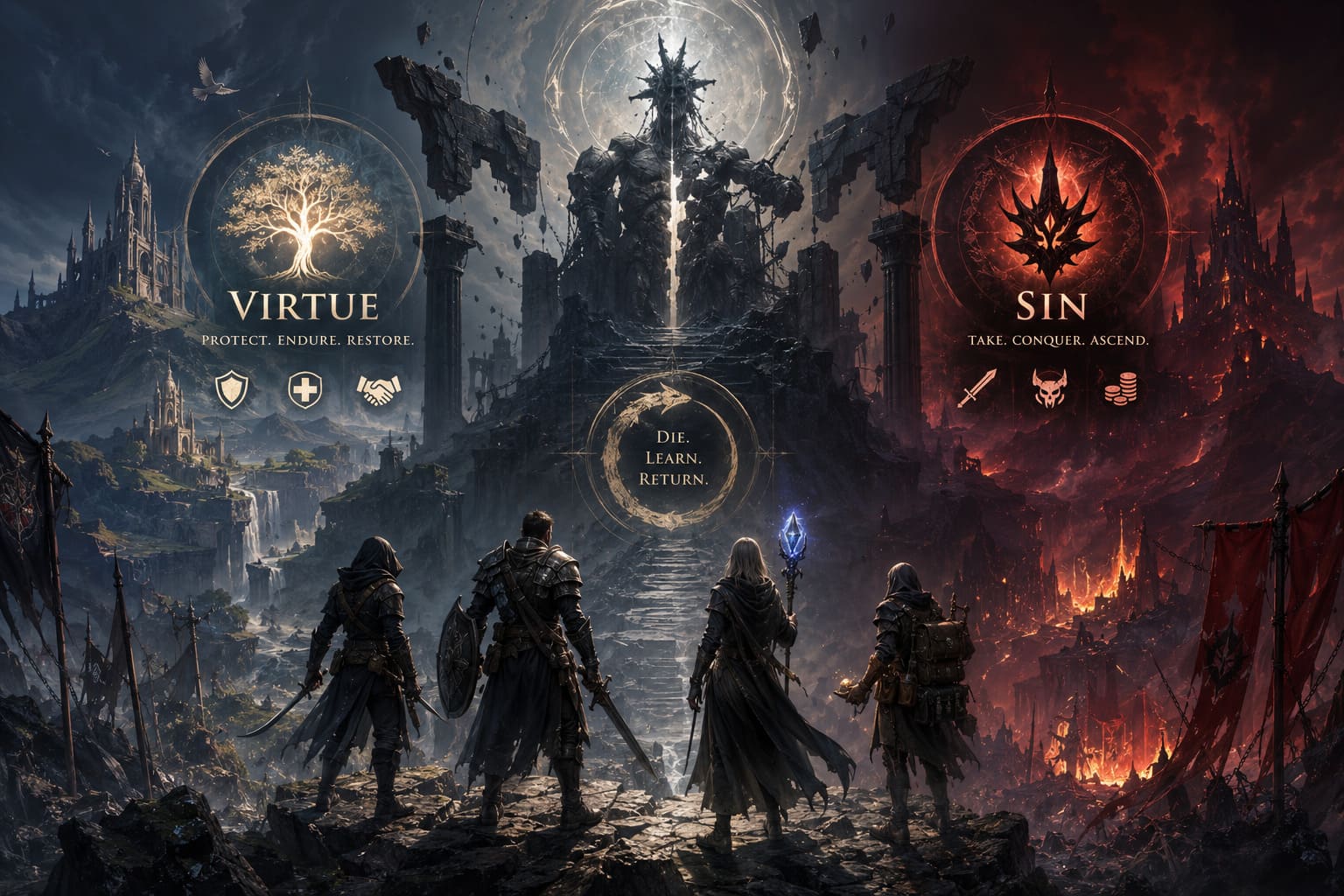
Virtue generally favors patience, protection, sustainability, and keeping the world around you intact. Sin leans toward immediate power, aggressive rewards, risky decisions, and squeezing as much value as possible out of every situation.
That distinction becomes especially important because the game constantly asks you to make decisions when you don’t have perfect information.
You might meet an injured traveler when your party is already low on supplies. Helping them could cost resources you desperately need. Taking advantage of them might give you something useful immediately.
That’s where the system becomes interesting.
The correct choice isn’t always the morally correct one. It’s the choice that fits the run you’re currently playing.
And personally, that’s how I recommend approaching Karma.
The Virtue Route: Playing the Long Game
Virtue is the path I prefer when I’m already invested in a run and want to push deeper into dangerous areas.
The main advantage of Virtue is that it tends to support stability. You’re not necessarily getting the most explosive reward from every individual decision, but you’re building an environment where your party has more opportunities to recover and prepare.
Virtue-oriented decisions can lead toward:
- Defensive and supportive relics
- Better survival options
- Stronger relationships with friendly NPCs
- More reliable settlements and safe locations
- Cleansing and defensive abilities
- Improved sustain during longer battles
This matters more than it might seem.
In a tactical game where positioning, health management, and action economy can decide a battle, having a more stable run is incredibly valuable.
For example, a defensive relic might not look nearly as exciting as something that increases your damage by a huge amount. But after several difficult encounters, the ability to survive one extra mistake can be worth far more than another damage modifier.
That’s especially true against bosses.
Virtue is essentially the “I want this run to survive” philosophy.
I wouldn’t necessarily recommend blindly choosing Virtue every time, though. If your build is already extremely defensive, stacking even more defensive benefits can create diminishing returns.
Sometimes you need to hit harder.
That’s where Sin comes in.
The Sin Route: Maximum Power, Maximum Risk
Sin is much easier to understand from a gameplay perspective.
If Virtue asks, “How do I survive this journey?” Sin asks, “How much can I get before everything falls apart?”
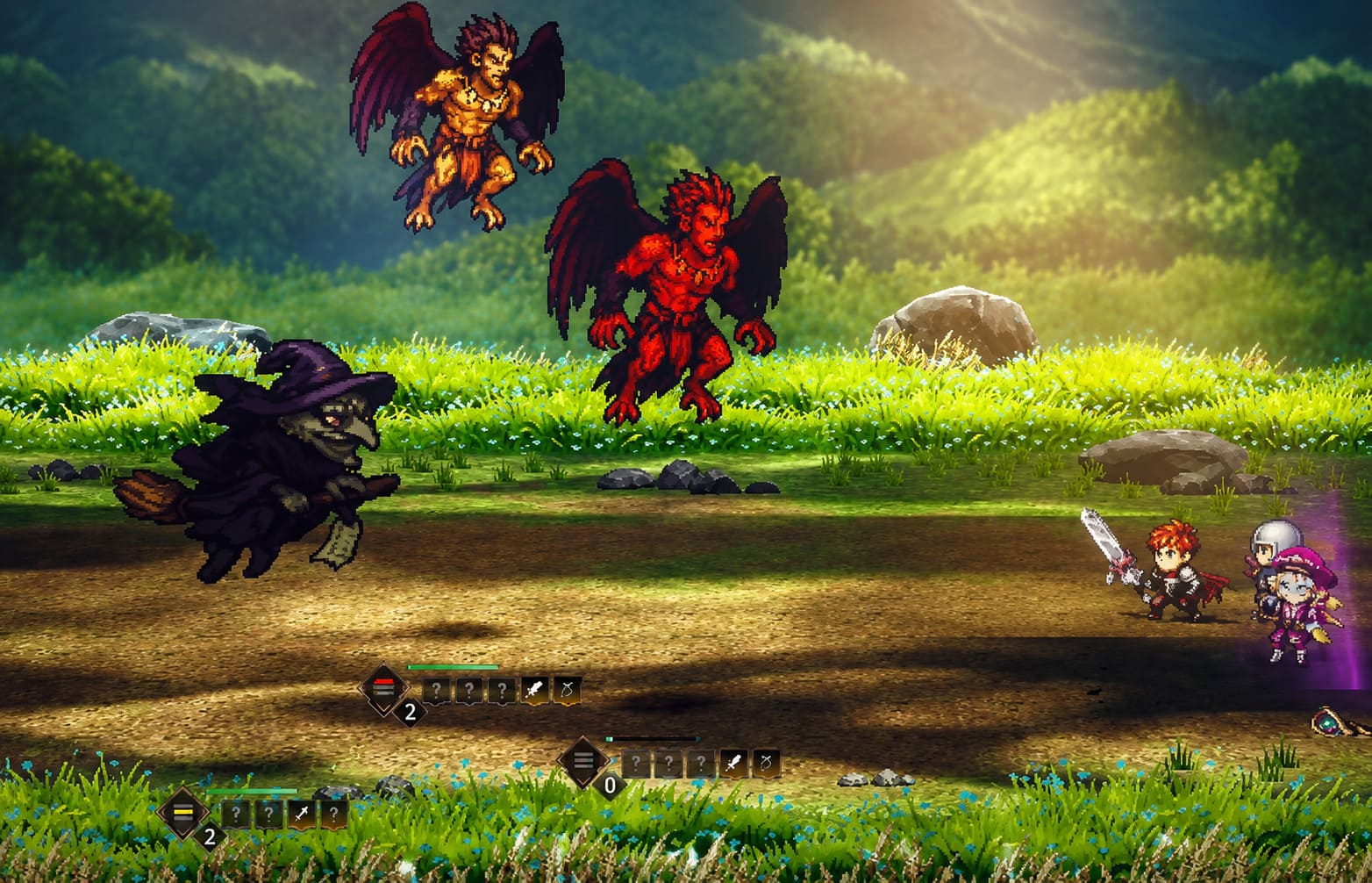
Sin-focused decisions tend to favor aggressive players who are willing to sacrifice long-term stability for immediate advantages.
Depending on your choices and progression, this philosophy can lead toward:
- High-damage relics
- Critical-hit bonuses
- Lifesteal effects
- Aggressive combat abilities
- Powerful forbidden skills
- Large resource gains
- More dangerous encounters and consequences
This can be incredibly satisfying.
There’s something genuinely fun about entering a fight with a build that looks completely unreasonable on paper and then watching your hero delete an enemy that was supposed to be a serious threat.
The downside is that Sin can make the world itself more hostile.
NPC relationships can deteriorate, certain friendly opportunities can disappear, and areas that would normally provide safety can become much less reliable.
In other words, Sin gives you power, but the game can make you pay for it later.
And that’s exactly why I wouldn’t treat Sin as simply the “best” Karma route.
Virtue vs Sin: Which Path Should You Choose?
Here’s the way I would break it down if you’re trying to decide quickly:
| Karma Path | Main Strength | Main Weakness | Best For |
|---|---|---|---|
| Virtue | Survival and stability | Lower immediate power | Defensive builds |
| Sin | Damage and resources | Greater long-term risk | Aggressive builds |
| Balanced | Flexibility | Fewer extreme rewards | Experimentation |
| Specialized Runs | Maximum efficiency | Requires planning | Experienced players |
I personally wouldn’t recommend constantly switching between Virtue and Sin without a reason.
The biggest mistake is trying to make every decision independently.
Instead, build the identity of your run around a specific goal.
If you’re testing a defensive hero combination, lean into Virtue.
If you’re trying to farm resources and push your damage as far as possible, Sin can make more sense.
How Karma Interacts With Your Heroes
One of the more interesting aspects of The Severed Gods is that Karma doesn’t exist separately from your party.
Your heroes have their own identities, and your moral decisions can complement those identities.
A frontline fighter, for example, makes obvious sense with a Virtue-oriented setup if you’re building around protection, counterattacks, and damage absorption.
But the same character can become much more frightening under an aggressive Sin-oriented setup, particularly if their abilities reward attacking wounded enemies.
The same principle applies to utility-focused characters.
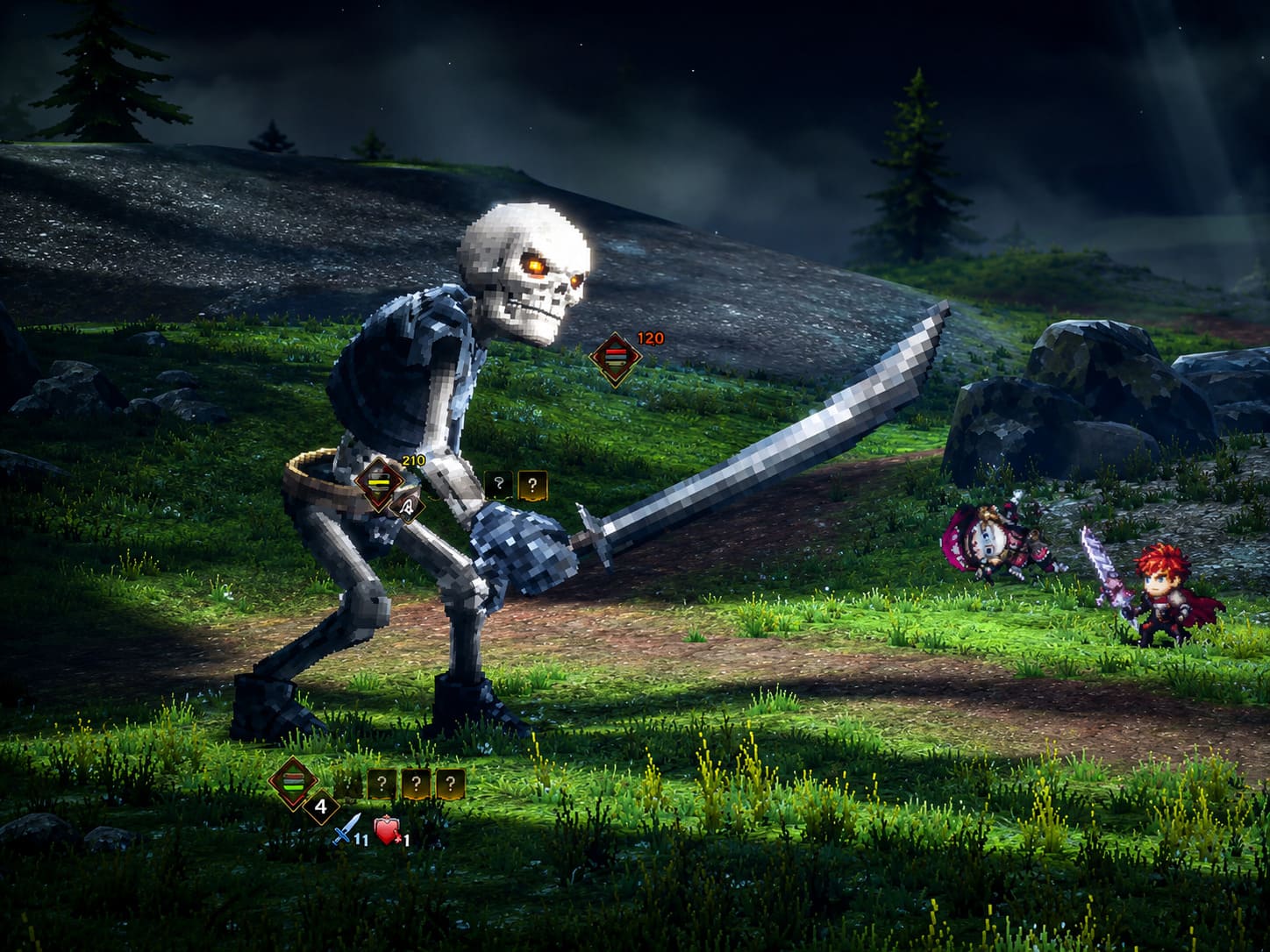
Fighter
A Virtue-oriented Fighter works well as a traditional protector. The goal is to control the frontline, absorb punishment, and create opportunities for the rest of the team.
A Sin-oriented Fighter is more about finishing enemies quickly and turning wounded targets into opportunities for massive damage.
Scholar
The Scholar benefits heavily from whichever direction you choose.
Virtue works nicely with a tactical support approach, weakening enemies and exposing vulnerabilities for the whole party.
Sin pushes the Scholar toward more dangerous abilities involving debilitating effects, turn manipulation, and powerful offensive magic.
Thief
This is probably one of the easiest characters to imagine on either side.
Virtue turns the Thief into a scout and utility specialist who helps the party avoid unnecessary danger.
Sin turns that same character into the person you send ahead when you want to take something that technically doesn’t belong to you.
And yes, I absolutely enjoy the second version.
Merchant
The Merchant can also change dramatically depending on your Karma strategy.
Virtue is about building relationships and creating a reliable economic network.
Sin is about extracting maximum value from every interaction.
Neither is automatically superior. It depends on whether your run needs stability or acceleration.
The Reincarnation Loop Is the Real Progression System
This is where The Severed Gods starts separating itself from a normal RPG.
Eventually, your run is going to end.
Maybe you lose against a powerful elite encounter. Maybe a boss destroys your carefully constructed party. Maybe you make one terrible tactical decision and spend the next ten minutes trying to recover from it.
Then you die.
At first, this can feel brutal.
After a while, you realize that death is basically another form of progression.
The reincarnation loop sends you back toward the beginning, but the experience you gained isn’t meaningless.
Your next attempt is built on the knowledge and progression from the previous one.
That’s the core roguelite philosophy, but The Severed Gods connects it directly to the game’s narrative.
You’re not simply loading another save.
You’re living another attempt.
What Actually Carries Between Reincarnations?
This is the part I recommend paying attention to most.
A new cycle doesn’t mean absolutely everything disappears. Certain forms of progression can continue through the larger meta-progression system.
Important long-term progression can include:
- Hero Unlocks: Reaching milestones and completing specific events can open additional characters.
- Skill Progression: Experience from previous attempts can contribute toward permanent improvements.
- Relic Progression: Some important relic discoveries can become part of your long-term arsenal.
- World Progression: Certain major accomplishments can affect which routes and areas are available later.
The important lesson is simple:
Don’t judge a failed run only by whether you reached the next boss.
A run that ends early can still be successful if you unlocked something valuable, learned an enemy pattern, discovered a new route, or improved your permanent progression.
That’s something I think new players often underestimate.
Why Karma Matters Even More After Death
The most interesting part of the system is the relationship between Karma and reincarnation.
Your choices aren’t just about what happens right now.
The world can reflect the consequences of your previous decisions, creating the feeling that your actions have a history.
If you repeatedly choose Sin, you’re effectively building a legacy around ruthless decisions.
If you consistently follow Virtue, you’re building a completely different legacy.
This gives reincarnation more meaning than simply saying, “Okay, here’s another randomly generated map.”
You’re carrying experience into a world that feels connected to what happened before.
And that makes every decision slightly more interesting.
My Recommended Karma Strategy
If you’re playing for the first time, I wouldn’t obsess over achieving a perfect Virtue or Sin score immediately.
Learn the combat system first.
Learn how positioning works.
Figure out which heroes actually complement each other.
Then start specializing.
Early Runs: Don’t Be Afraid of Sin
During your first few attempts, I think Sin can be extremely useful.
You’re probably going to die anyway.
So why not use those early runs to experiment with aggressive builds, gather resources, test powerful relic combinations, and discover how far your party can actually go?
These runs are about learning.
Don’t waste a run trying to play perfectly when you’re still learning the systems.
Mid-Game: Start Building Around Virtue
Once you’ve unlocked more heroes and understand the game better, I’d start experimenting with dedicated Virtue runs.
At this point, you’re no longer just trying to survive your first few encounters.
You’re trying to build a run capable of reaching the difficult late-game areas.
That’s where defensive stability becomes increasingly valuable.
Late Game: Commit to Your Ending
Eventually, Karma choices become much more important.
If you’re aiming for a particular ending, don’t treat the final stretch like a random collection of decisions.
Go into the final sections knowing exactly what kind of run you’re building.
If your goal requires a Virtue-oriented outcome, don’t suddenly abandon that philosophy because a tempting Sin reward appears near the end.
And if you’re deliberately pursuing a darker conclusion, embrace it.
Commitment matters more than indecision.
The Severed Gods Build Guide: Best Starter Builds and Meta Synergy Squads
The Biggest Mistake: Trying to Be Everything at Once
If there’s one piece of advice I’d give another player, it’s this:
Don’t build a party that tries to take advantage of every system simultaneously.
The Severed Gods rewards specialization.
A defensive party benefits from defensive relics.
An aggressive party benefits from aggressive relics.
A high-Karma strategy works better when your choices consistently support the build you’re creating.
Trying to split everything down the middle can leave you with a party that isn’t particularly good at anything.
That’s not always a disaster, but it can become painful once the difficulty ramps up.
Is The Severed Gods Worth Buying? 2026 Review & Gameplay Analysis
Final Thoughts
What I like most about The Severed Gods is that the Karma system doesn’t exist purely to tell you whether you’re a good or bad person.
It gives your runs an identity.
Virtue makes me think about protecting the party, preserving resources, and building a stable route through a hostile world. Sin is the complete opposite: take the reward, push the damage, accept the consequences, and see how far the madness can go.
Neither path is automatically the correct answer.
And that’s the point.
The reincarnation system makes those decisions even more interesting because a failed run isn’t necessarily wasted. You take what you learned into the next cycle, unlock more possibilities, understand the world a little better, and gradually turn those previous failures into power.
For me, that’s where the game really clicks.
The Severed Gods isn’t about winning one perfect run. It’s about creating better runs until the impossible eventually becomes possible.
So experiment with Karma, specialize your heroes, don’t be afraid to lose, and pay attention to what the game teaches you after every death.
Because in a world built around reincarnation, failure isn’t the end of the story. It’s part of the strategy.