Pass the Fear Lore Explained: Is Paras Games’ 2026 Bullet-Hell Roguelite Worth It?
When I boot up a new indie game, I’m usually hoping for one thing: a reason to keep playing after the first hour. Beautiful graphics are nice, flashy trailers are everywhere, but if the gameplay loop isn’t satisfying, I’m moving on pretty quickly.
That was exactly my mindset before launching Pass the Fear, the new roguelite bullet-hell game from PlayMud Studio, published by Paras Games. I expected another survivor-like with automatic attacks, a few flashy upgrades, and a difficulty spike pretending to be content.
Instead, I found something that surprised me.
It isn’t trying to replace Vampire Survivors, Hades, or Enter the Gungeon. It borrows ideas from each of them, but it has its own identity—and after several runs, I started understanding why players have been talking about it since release.
If you’re wondering whether Pass the Fear is worth playing in 2026, here’s my experience.
A World That Doesn’t Need Long Cutscenes
One thing I appreciate as both a streamer and someone who reviews games is when developers trust players enough to piece together the world themselves.
Instead of overwhelming you with endless dialogue, Pass the Fear throws you into chaos almost immediately.
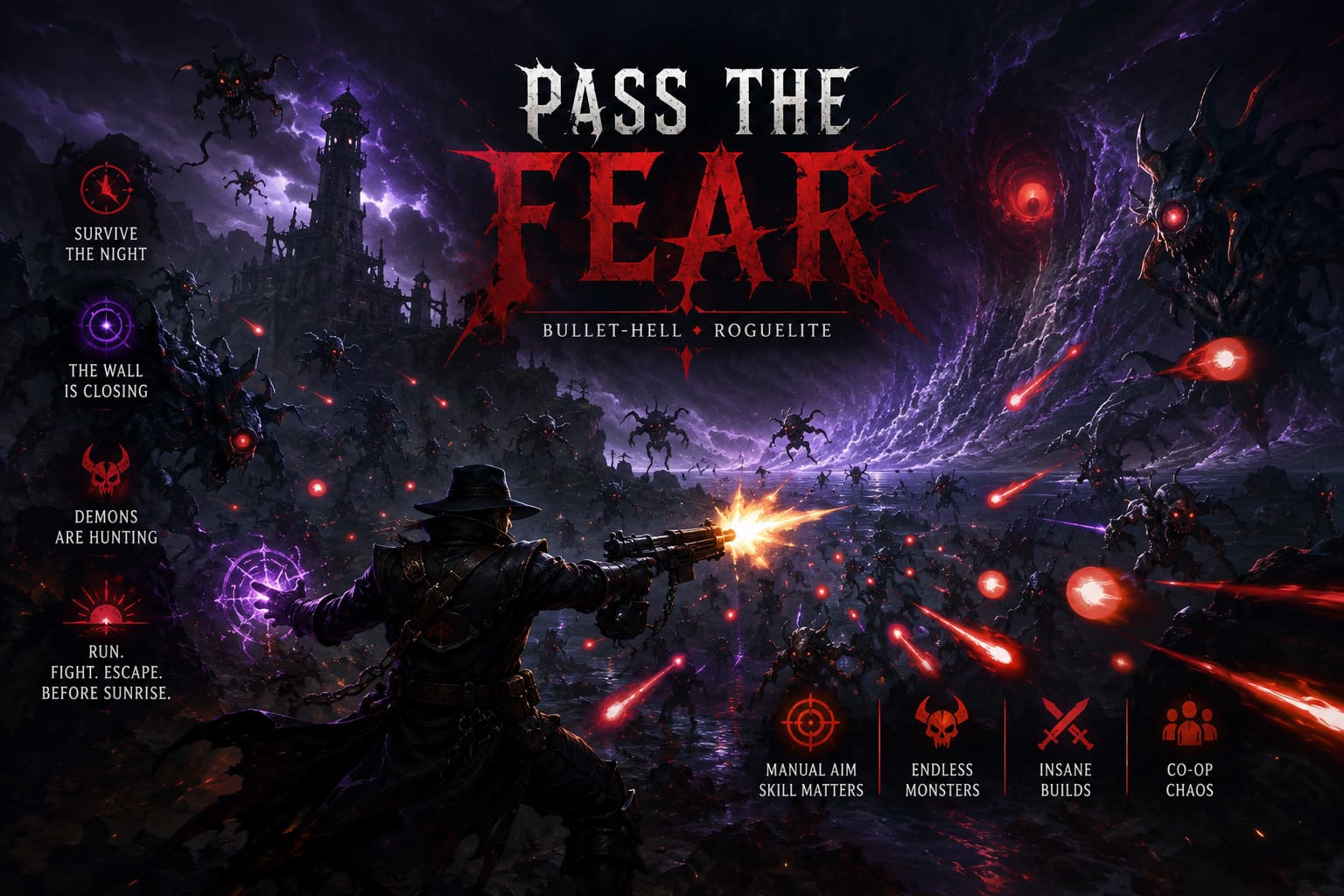
Everything revolves around a magical catastrophe known as The Witch’s Disaster. Whatever happened on this isolated island completely shattered reality. Nature has become hostile, monsters roam everywhere, and an enormous supernatural barrier called the Wall of Storms slowly consumes everything in its path.
You’re not the chosen hero destined to save humanity.
You’re simply an elite demon hunter trying to survive long enough to escape before sunrise.
That small detail changes the atmosphere dramatically.
Rather than feeling like an unstoppable champion, every run feels like you’re racing against time while the island actively wants you dead.
The lore isn’t constantly explained to you, but it’s present everywhere—in ruined landscapes, enemy designs, environmental details, and the pressure created by the approaching dawn.
I honestly enjoyed that approach.
Finally, A Bullet-Hell That Actually Wants You To Play
One of the biggest surprises for me was how active the combat feels.
We’ve seen dozens of roguelites over the past few years where your character attacks automatically while you simply dodge enemies.
That’s not what happens here.
Every shot matters.
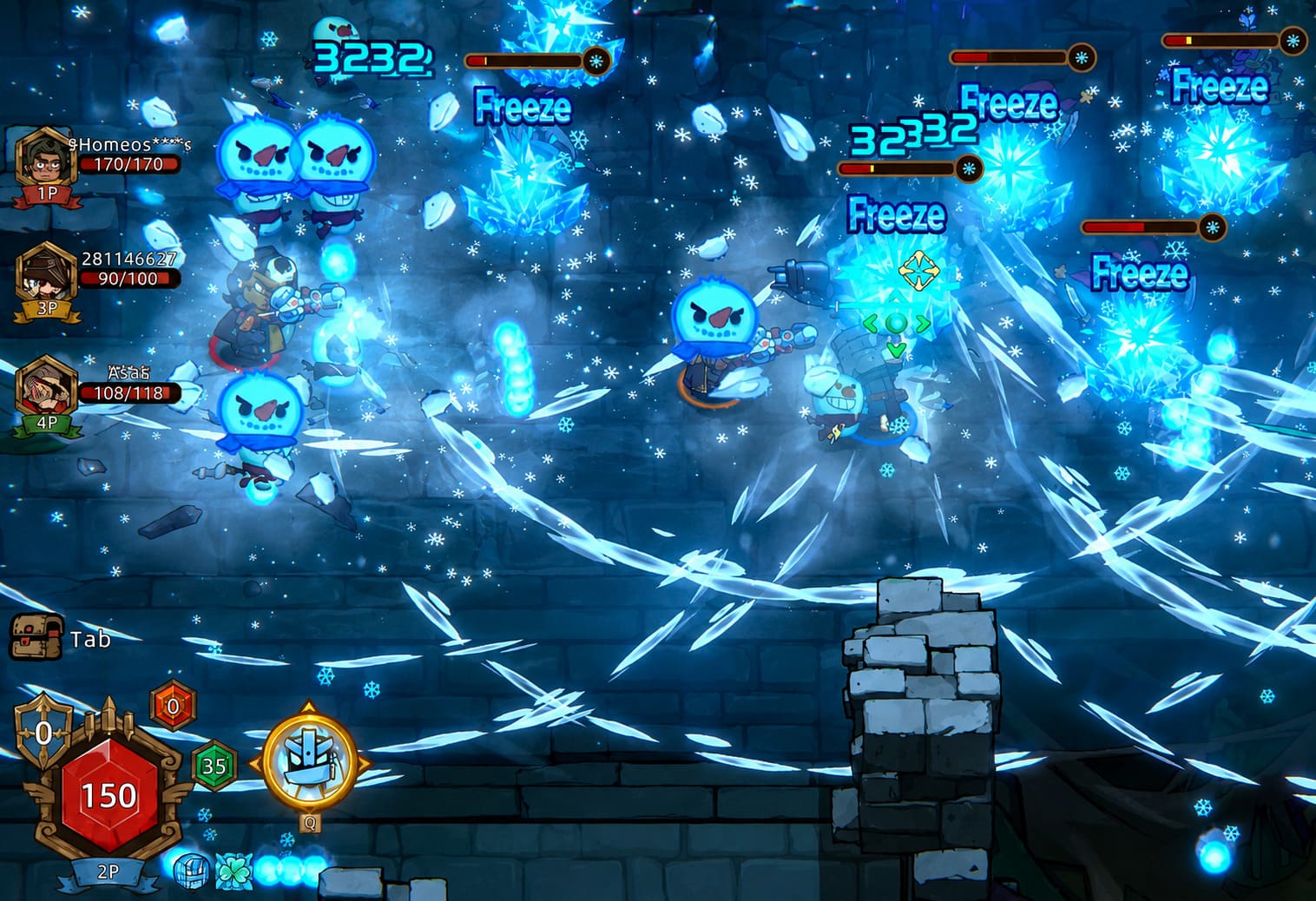
- You aim manually.
- You reposition constantly.
- You dodge waves of projectiles instead of simply outrunning them.
The first couple of runs humbled me pretty quickly.
I died because I got greedy.
I died because I underestimated bosses.
I died because I thought standing still for one extra second was safe.
Spoiler: it wasn’t.
That learning process is exactly what kept me coming back.
Instead of feeling unfair, every defeat usually made me realize I had made a mistake.
Building Ridiculous Weapon Combinations
The real fun begins once upgrades start stacking.
Every run slowly turns into an experiment.
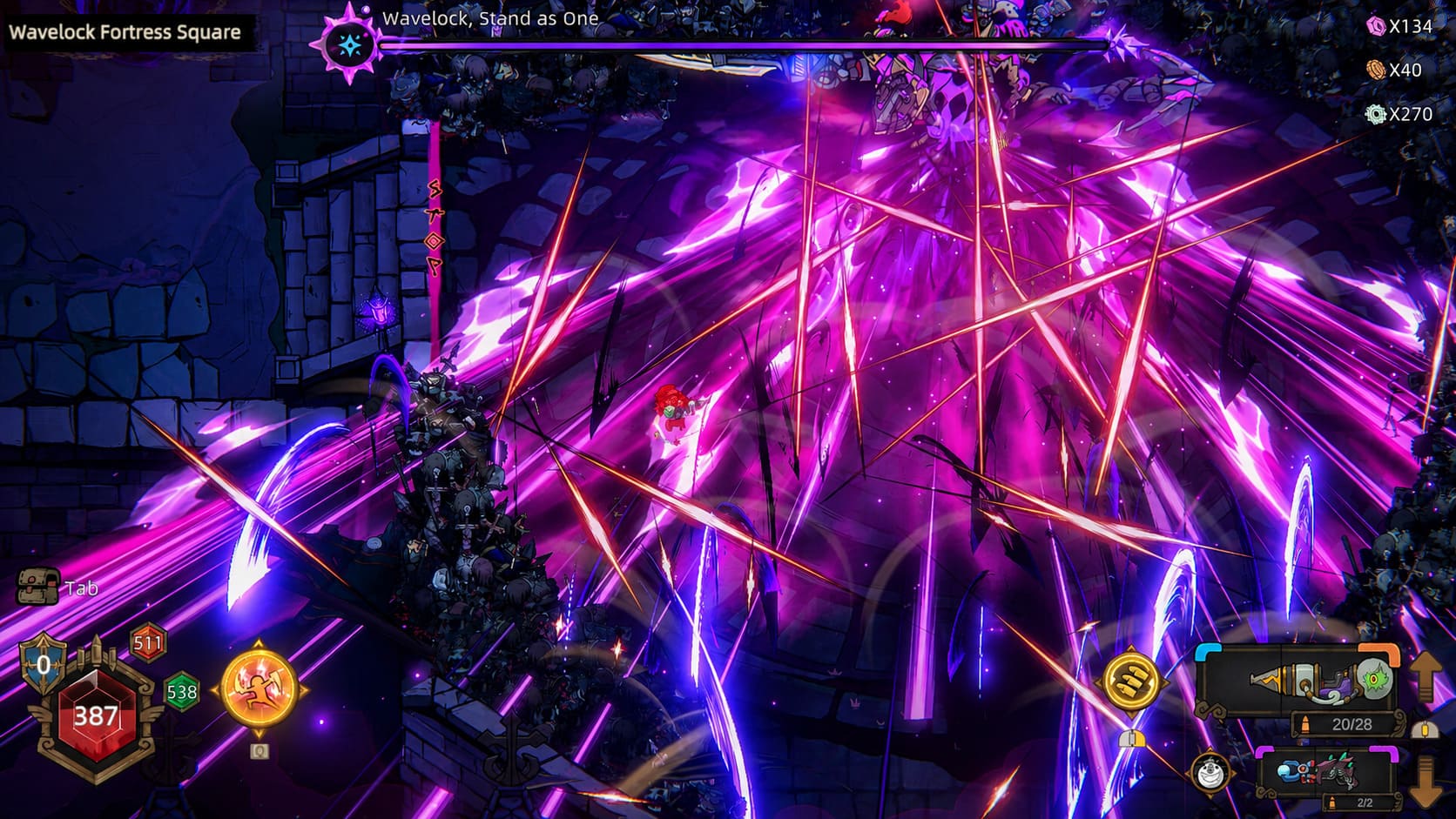
Sometimes I leaned into explosive firearms that erased entire groups of enemies.
Other times I focused on magical abilities that bounced across the screen, chained between monsters, or tracked enemies automatically while I concentrated on surviving.
The build system encourages experimentation without becoming overly complicated.
Some combinations feel almost broken—in a good way.
Others completely fall apart halfway through a run.
That’s part of the excitement.
You never know whether the random upgrades you’re being offered will transform your character into an unstoppable monster or create the weirdest build imaginable.
Death Is Part Of The Progression
If you’ve played roguelites before, this structure will feel familiar.
Every failed run sends you back to camp.
At first that sounds discouraging.
In reality, it’s where long-term progression begins.
Resources collected during your attempts unlock permanent upgrades, passive bonuses, and better starting equipment.
That means every defeat still moves your account forward.
I actually like this balance.
The game remains challenging, but it never feels like you’ve completely wasted twenty or thirty minutes after dying to a boss.
Playing With Friends Makes Everything More Chaotic
I spent most of my early hours playing solo, but co-op completely changes the experience.
Instead of everyone simply dealing damage independently, teammates naturally start creating roles.
- Some players become crowd-control specialists.
- Others build around raw damage.
- Someone inevitably becomes the person reviving everyone after things go horribly wrong.
Those unpredictable moments are exactly why roguelites work so well in multiplayer.
You rarely finish a session without laughing about some completely ridiculous situation.
What Really Stands Out
After spending several sessions with Pass the Fear, these are the areas that impressed me the most.
- Responsive combat that rewards precision instead of passive gameplay.
- Excellent atmosphere built through environmental storytelling rather than lengthy exposition.
- Creative weapon synergies that keep experimentation interesting.
- Meaningful progression that makes failed runs feel productive.
Those four elements work together much better than I initially expected.
Where It Still Needs Improvement
No game launches perfectly, especially in the indie scene.
There are definitely areas where I hope future updates expand the experience.
The biggest issue for me wasn’t difficulty.
It was familiarity.
After enough runs, I began recognizing similar upgrade paths more frequently than I wanted.
Enemy encounters also start repeating once you’ve invested several hours.
That doesn’t ruin the game, but additional monsters, bosses, and item combinations would significantly improve replayability.
I also noticed occasional English localization issues.
Nothing game-breaking, but some menus and descriptions could definitely use another proofreading pass.
My Experience As A Streamer
Streaming this game turned out to be much more entertaining than I expected.
Viewers immediately started reacting whenever I discovered ridiculous weapon combinations or somehow survived impossible situations with almost no health remaining.
Games like this naturally create exciting moments.
Every boss becomes a potential highlight clip.
Every successful dodge sequence feels earned.
Every failed run usually ends with someone in chat reminding you about the obvious mistake you somehow didn’t notice.
That’s exactly the kind of gameplay loop I enjoy sharing live.
Quick Overview
| Category | My Thoughts |
|---|---|
| Gameplay | Fast, demanding, and rewarding once mechanics click. |
| Difficulty | High but fair if you’re willing to learn. |
| Lore | Simple on the surface but surprisingly atmospheric. |
| Replay Value | Strong, although more build diversity would help long-term. |
| Multiplayer | Adds even more unpredictability and fun. |
| Overall Presentation | Dark fantasy visuals match the game’s intense pace perfectly. |
Who Should Play Pass the Fear?
I wouldn’t recommend this game to everyone.
If you mostly enjoy slow RPGs packed with dialogue and cinematic storytelling, this probably isn’t the experience you’re looking for.
However, you’ll likely have a great time if you enjoy games such as:
- Challenging roguelites.
- Classic bullet-hell shooters.
- Skill-based combat.
- Repeated runs that reward mastery.
- Experimenting with different builds.
Patience is rewarded here.
The better you understand enemy attacks and weapon combinations, the more satisfying every successful run becomes.
Hololive Dreams Coin Guide: How to Earn Dream Coins Fast (2026)
Final Thoughts
After several hours, I came away genuinely impressed.
Pass the Fear isn’t trying to chase trends—it feels like a game built by developers who genuinely enjoy difficult arcade-inspired action.
The setting may not deliver a deeply cinematic narrative, but it creates enough mystery to keep every run feeling tense. More importantly, the gameplay carries the experience from beginning to end. Manual aiming, constant movement, creative builds, and the pressure of escaping before dawn combine into something that feels fresh in a genre increasingly filled with passive combat systems.
Could it use more enemy variety? Absolutely.
Would I like to see additional weapons, bosses, and post-launch content? Without question.
But even in its current state, I found myself saying “just one more run” far more often than I expected. That’s usually the clearest sign that a roguelite has done its job.
If you’re searching for an indie action game that respects your skill, pushes your reflexes, and lets you create wildly satisfying builds, Pass the Fear deserves a spot on your radar. It isn’t the easiest game you’ll play this year, but it might be one of the most rewarding once everything starts to click.