Mistfall Hunter Solo vs Squad Meta Guide: Real Gameplay Differences, Class Picks, and Survival Tactics Explained
Mistfall Hunter doesn’t feel like a standard PvPvE extraction RPG—it feels like a pressure cooker built to see how long you last before the system breaks you. After digging through beta sessions and watching how players behave in real lobbies, one truth stands out fast: Solo and Squad gameplay are not variations of the same mode. They are different ecosystems entirely.
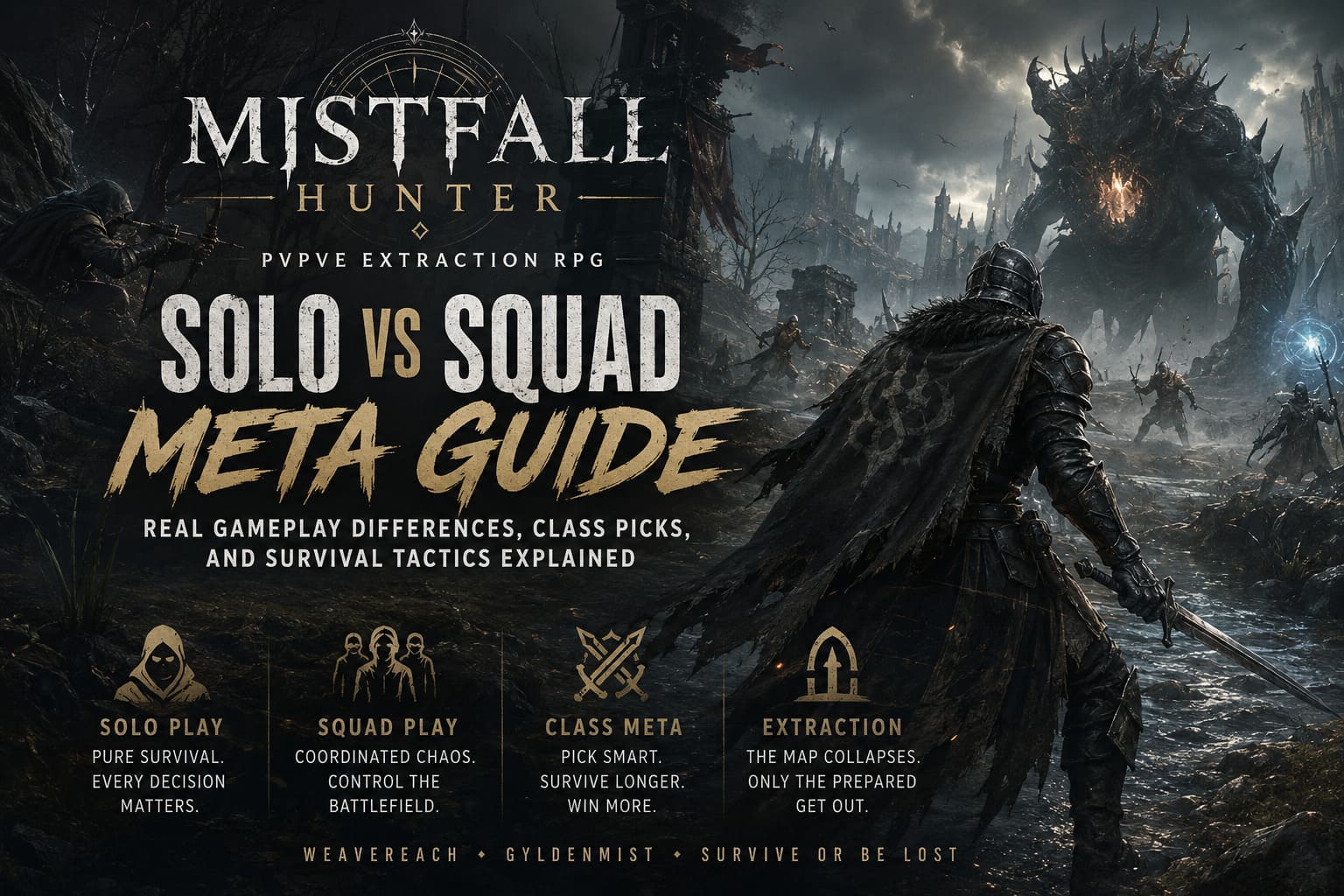
Set in the ruined world of Weavereach, every player becomes a Gyldhunter thrown into the Gyldenmist, a shifting nightmare zone where monsters, loot, and hostile squads collide constantly. Whether you’re running alone or in a coordinated trio, the game constantly tests one thing: how well you adapt when control disappears.
Mistfall Hunter Steam Deck Compatibility: Performance, Best Settings, and Linux Guide
Solo vs Squad Gameplay: Two Completely Different Games
What makes Mistfall Hunter interesting is how it refuses to separate player pools or soften the experience for solo hunters. You queue in alone, and you still face full squads playing at maximum coordination. That alone changes everything about how you think, move, and engage.
Solo play becomes a survival-focused stealth experience. Squad play becomes structured chaos with tactical control layers. Same map, same systems—totally different mindset.
Core Differences at a Glance
| Category | Solo Play | Squad Play |
|---|---|---|
| Combat Approach | Stealth, opportunistic strikes | Coordinated burst damage |
| Risk Factor | Extremely punishing mistakes | Recoverable errors via teammates |
| Map Movement | Slow, cautious routing | Aggressive zone control |
| Extraction Style | Hidden timing-based escapes | Defended strongpoint extraction |
The core difference isn’t difficulty—it’s control. Solo players never truly control a fight. Squads try to dominate every fight they enter.
Solo Gameplay: Pure Survival Logic
Solo runs in Mistfall Hunter feel like you’re constantly one mistake away from losing everything. There’s no backup, no revive window, no safety net. Every encounter is a risk calculation rather than a guaranteed fight.
The strongest solo players adopt a simple rule: avoid unnecessary engagement unless there is guaranteed value or a clean third-party opportunity.
Solo Playstyle Loop
- Avoid open PvE zones unless required
- Trail squad fights instead of initiating them
- Third-party only when multiple groups are engaged
- Disengage immediately after securing loot or kills
This isn’t about aggression—it’s about timing. You win by being present at the exact wrong moment for someone else.
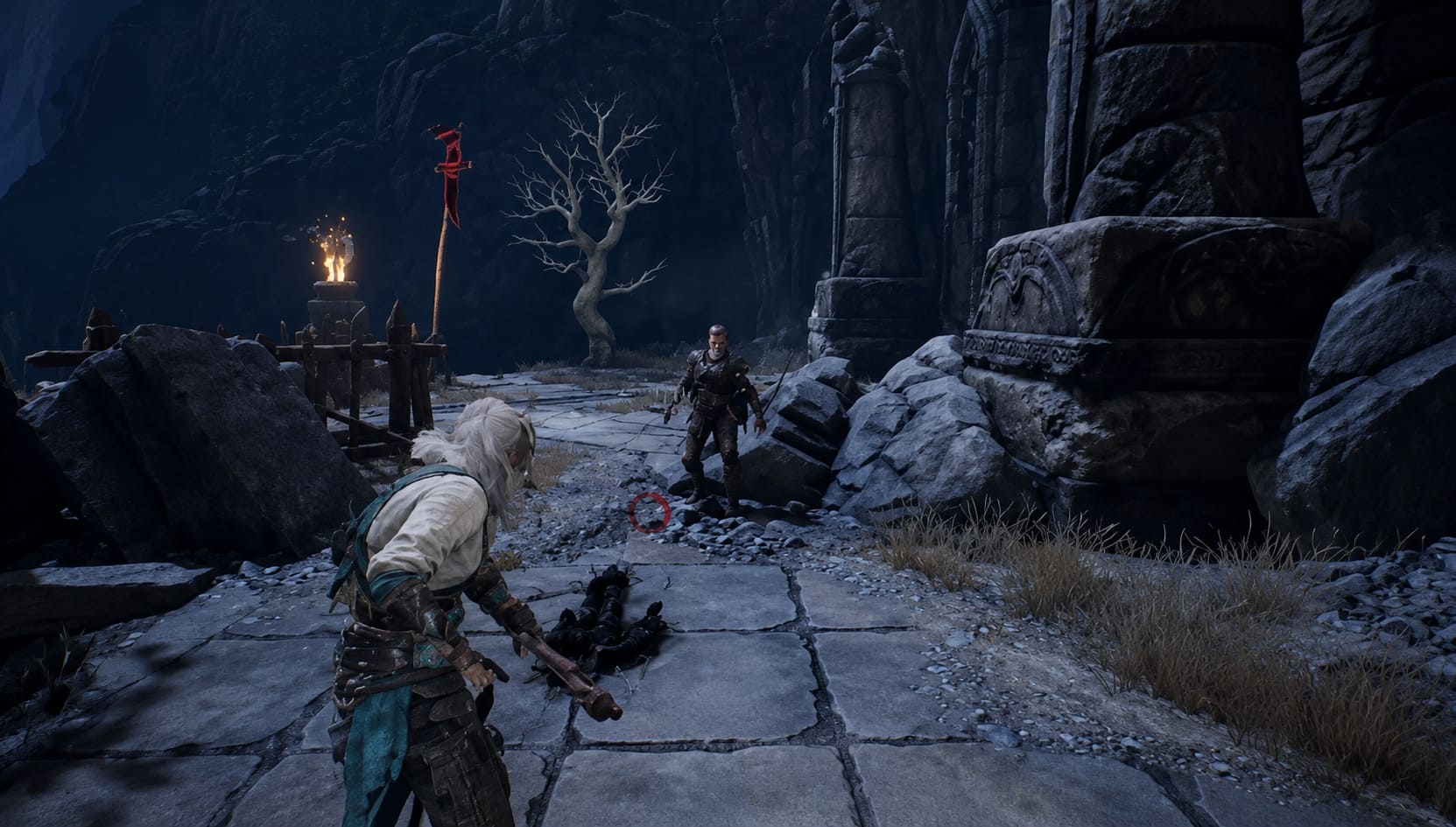
Squad Gameplay: Controlled Chaos With Structure
Squads transform Mistfall Hunter into something closer to a tactical raid shooter layered with Soulslike combat pressure. Instead of hiding from danger, you generate it on your terms.
The soul recovery system is a major shift in how squads behave. A downed player isn’t instantly gone. If the team stabilizes, that player can be recovered, which keeps fights extended and far more aggressive than solo engagements.
Squad Strength Identity
Squads succeed when roles are clearly defined. Without structure, coordination collapses fast under pressure.
- Frontline: absorbs pressure and initiates fights
- Damage core: burst and AoE control
- Support: healing and defensive stabilization
When it works, squads feel unstoppable. When it doesn’t, everything falls apart in seconds.
Class Meta: What Actually Works
Class choice in Mistfall Hunter isn’t just preference—it directly shapes whether you survive solo or thrive in squads.
Best Solo Classes
- Sorcerer – Long-range control, zoning, and burst damage make it one of the safest solo picks. You dictate distance, and distance is everything.
- Shadow Shrix – Pure assassination gameplay. Stealth in, delete a target, disappear before the squad can react.
- Mercenary – High-risk duelist style. Strong in close fights, but heavily punished by coordinated ranged pressure.
Best Squad Classes
- Mercenary – Frontline anchor, perfect for initiating fights and absorbing pressure.
- Seer – Healing, utility, and defensive control. Keeps fights stable.
- Sorcerer – AoE control and battlefield disruption.
- Black Arrow – Long-range pressure and pick potential.
Map Flow and Extraction Pressure
Every match in Mistfall Hunter eventually collapses into extraction tension. That’s where most runs are decided, not in early loot phases.
Solo players rely on patience and observation. Squad players rely on control and positioning. The same extraction zone becomes either a stealth puzzle or a fortified warzone depending on who arrives first.
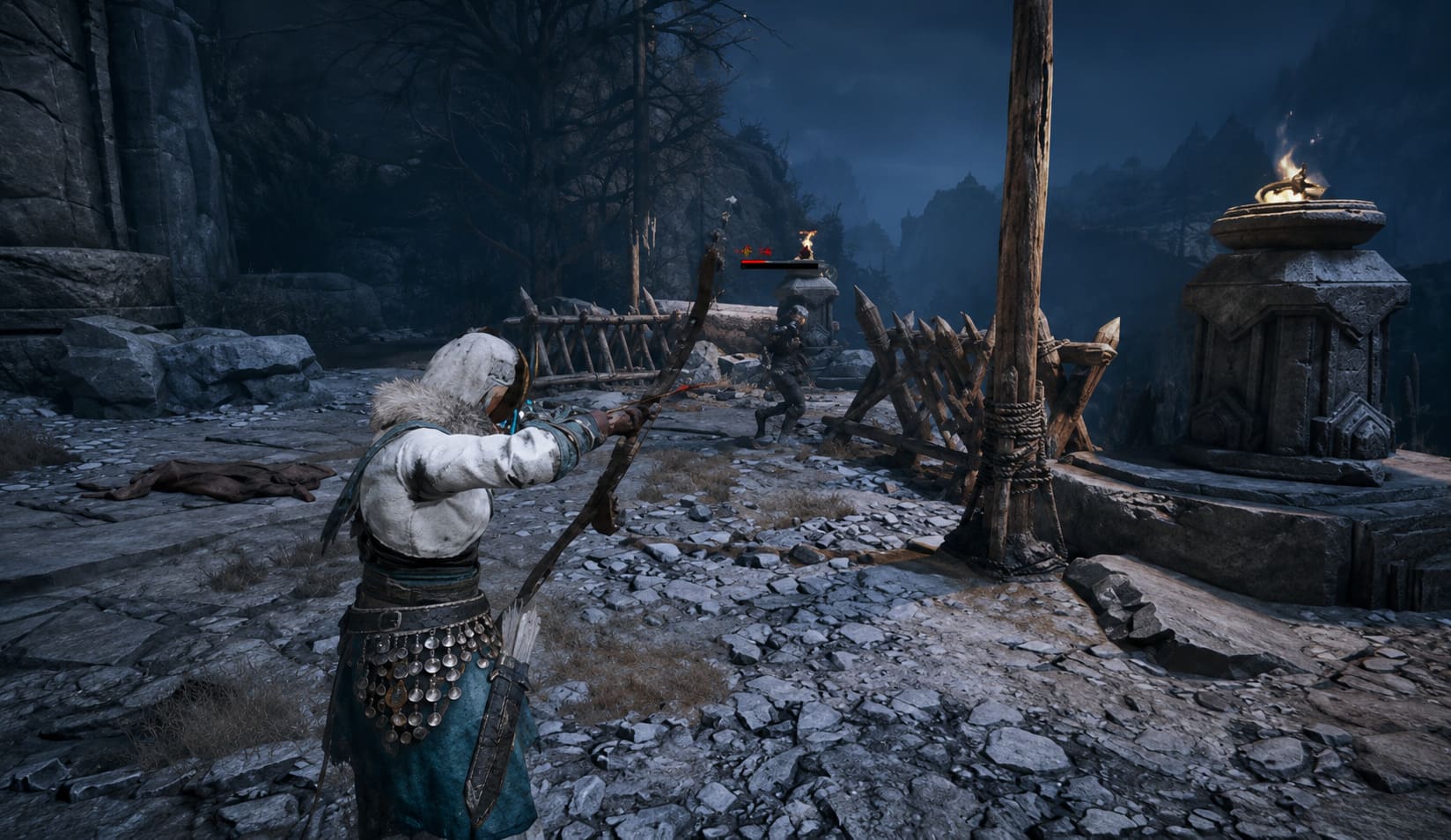
Solo Extraction Behavior
- Wait for squads to engage bosses first
- Use noise from combat as cover
- Slip into extraction during cooldown windows
Squad Extraction Behavior
- Secure perimeter before engaging objectives
- Control approach angles with ranged pressure
- Hold choke points until full extraction completes
Extraction is less about escaping and more about surviving other players trying to stop you from escaping.
Risk Economy and Death Pressure
Gear loss changes how every decision feels. Mistakes are expensive, especially in solo play where recovery options don’t exist.
Solo players often run optimized mid-tier builds to minimize losses. Squads can afford aggression because the soul recovery system provides partial insurance after fights.
That single mechanic is why squads feel more confident pushing risky engagements compared to solo hunters who must constantly weigh survival over greed.
Final Thoughts: Two Mindsets, One Game
Mistfall Hunter doesn’t just test mechanics—it tests mindset. Solo play feels like constant psychological pressure where every sound matters and every corner could end your run. Squad play feels like controlled warfare where coordination decides everything.
The real meta isn’t just class choice or loot efficiency. It’s understanding when to switch mental models depending on how you’re playing that day.
Solo rewards patience and awareness. Squad rewards structure and communication. Both punish mistakes brutally, just in different ways.
If there’s one truth the beta makes obvious, it’s this: Mistfall Hunter doesn’t care how you prefer to play. It only cares whether you adapt fast enough to survive it.