Is The Mound: Omen of Cthulhu Worth Buying? Full Review & Community Verdict
The co-op horror genre refuses to slow down. Every few months another multiplayer survival game arrives promising terrifying monsters, unforgettable teamwork, and endless replayability. Most of them disappear just as quickly because they fail to offer anything players haven’t already experienced. The Mound: Omen of Cthulhu feels different from the moment you understand what it’s trying to accomplish.
Instead of focusing on constant combat or cheap jump scares, the game builds tension through uncertainty. It wants players to question everything they see, depend on their teammates, and slowly lose confidence as each expedition pushes deeper into an ancient nightmare.
After studying every gameplay reveal, developer presentation, community discussion, and early impressions, it’s clear that ACE Team isn’t chasing trends—they’re experimenting with ideas that few multiplayer horror games have dared to explore.
Of course, ambitious ideas don’t always translate into an amazing game. So the real question remains: is The Mound actually worth buying on day one?
The Mound: Omen of Cthulhu Steam Deck Compatibility Guide
A Different Kind of Extraction Horror
The setting immediately stands out from the usual abandoned laboratories and zombie-filled cities.
Players become conquistadors during the 16th century, sailing into an unexplored South American jungle in search of legendary treasures hidden beneath an ancient civilization. Your ship isn’t simply a menu disguised as a hub—it becomes the place where your team prepares for every dangerous expedition, upgrades equipment, manages supplies, and debates whether risking another journey is really worth it.
That historical backdrop blends surprisingly well with Lovecraft-inspired horror. Instead of futuristic weapons and military technology, you’re relying on primitive firearms, blades, lanterns, and whatever courage remains after several failed runs. Every expedition feels like a desperate gamble rather than another routine loot mission.
The slower pacing may surprise players expecting a fast extraction shooter, but that’s exactly where the atmosphere begins to shine.
The Jungle Is Just as Dangerous as the Monsters
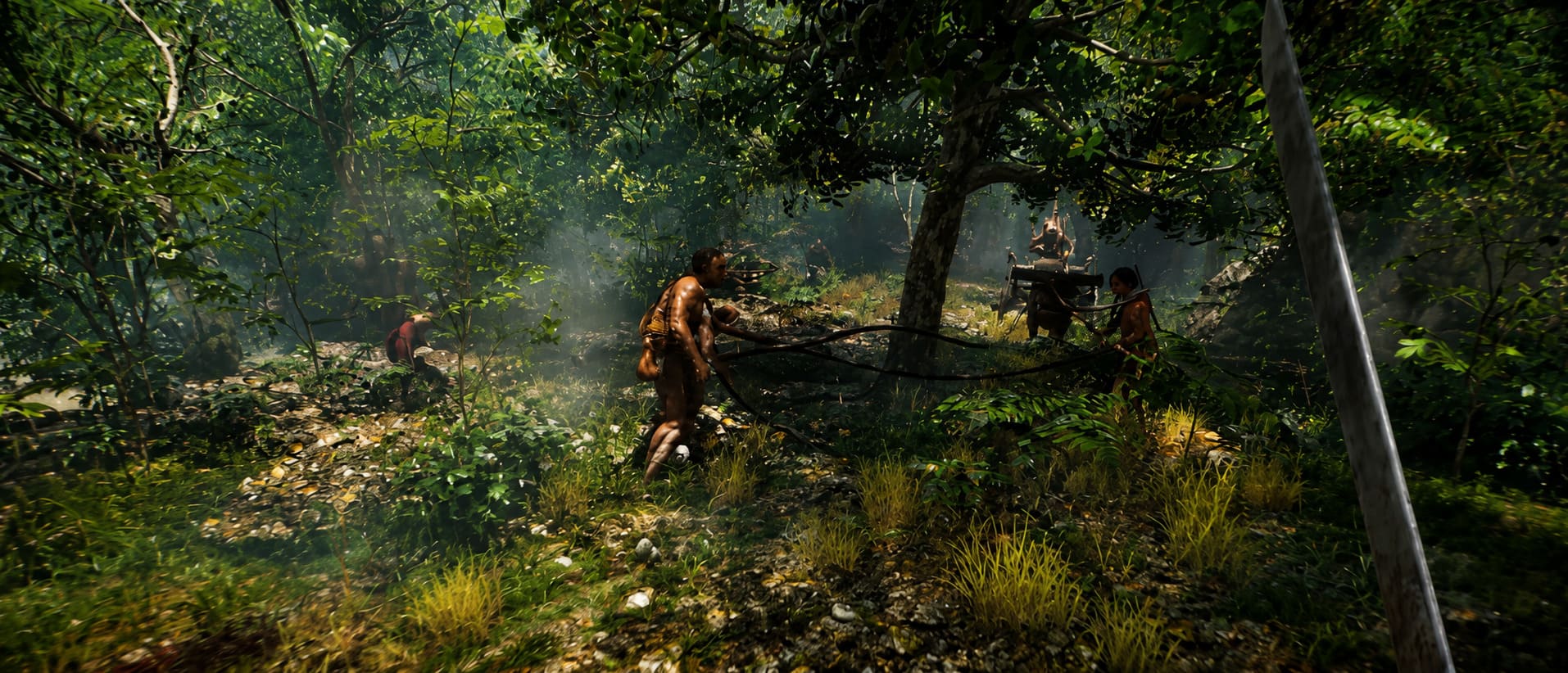
One of the biggest strengths of The Mound is how the environment constantly works against you.
Walking carelessly isn’t just inefficient—it can become deadly. A snapped branch, an unnecessary gunshot, or rushing through vegetation can attract creatures lurking nearby. Unlike many survival games where enemies simply spawn on top of players, the world feels alive enough that making noise has real consequences.
That transforms ordinary exploration into something much more stressful.
Instead of sprinting toward objectives, squads naturally slow down. Players begin watching each other’s movement, whispering through voice chat, and thinking twice before firing a weapon. Those small design decisions make even quiet moments feel uncomfortable, which is exactly what psychological horror should accomplish.
Madness Is the Game’s Real Enemy
Most horror titles include a sanity meter as little more than another health bar.
The Mound takes a far more creative approach.
As your sanity drops, reality itself begins changing—but not for everyone equally. One player might suddenly see blood covering the jungle floor, invisible creatures stalking nearby, or deadly traps where teammates see perfectly safe terrain. Someone else could witness monsters that don’t actually exist while another player experiences an almost peaceful environment.
That’s brilliant because it creates genuine uncertainty between friends.
Imagine hearing your teammate scream about an approaching creature while you see absolutely nothing. Do you trust them? Do you waste precious resources preparing for an attack? Or has the jungle already broken their mind?
Those situations create stories that scripted horror games simply can’t reproduce.
Communication Becomes Your Strongest Weapon
I’ve played enough co-op games to know that voice communication often becomes background noise after the first hour.
Here, communication isn’t optional.
The proximity voice chat system means teammates become harder to hear as they move away. Wander too far into the jungle, and conversations fade until isolation completely takes over. Combined with individualized hallucinations, the mechanic constantly encourages players to stay together without forcing them through artificial restrictions.
The result is surprisingly organic.
Groups naturally stick close because separation genuinely feels dangerous, not because the game flashes a warning message across the screen.
It’s one of those systems that sounds simple on paper but completely changes how people play.
Progression Rewards Patience
The first several expeditions appear intentionally brutal.
Players begin with limited equipment, almost no understanding of enemy behavior, and very few survival tools. Early deaths aren’t just possible—they’re expected. Anyone hoping to dominate during their very first session will probably be disappointed.
That harsh opening eventually gives way to meaningful progression.
Unlocking better oxygen capacity, stronger equipment, and improved sanity management noticeably expands what your squad can accomplish. Eventually, you stop feeling like helpless explorers and begin operating as an organized expedition capable of planning efficient treasure runs.
The difficulty never disappears, though.
Late-game content reportedly increases environmental hazards while introducing far more dangerous eldritch creatures capable of ending successful runs within seconds.
For many horror fans, that’s exactly the kind of challenge they’re looking for.
Where The Combat Struggles
Not everything deserves praise.
The biggest criticism appearing across early community discussions revolves around melee combat.
Weapon swings occasionally lack impact, hit detection doesn’t always feel satisfying, and close-range encounters sometimes become awkward instead of intense. Since ammunition remains limited, melee naturally plays an important role throughout every expedition, making these shortcomings more noticeable.
Thankfully, combat doesn’t define the overall experience.
Stealth, positioning, teamwork, and intelligent resource management remain significantly more important than mastering sword swings. Even so, smoother animations and tighter hitboxes would certainly improve the overall gameplay loop.
Hopefully post-launch updates continue refining that aspect.
Solo Players Should Think Carefully
Technically, The Mound supports solo play.
Whether that’s the best way to experience it is another question entirely.
Nearly every standout mechanic revolves around multiplayer interaction. Hallucinations become dramatically more interesting when teammates disagree about reality. Proximity chat loses much of its purpose without friends. Group decision-making transforms ordinary exploration into memorable storytelling.
Playing alone removes much of that magic.
If your gaming sessions mostly happen solo, waiting for a discount probably makes sense. The game simply appears designed around cooperation from beginning to end.
Visual Presentation Creates Constant Unease
One thing almost everyone seems to agree on is the atmosphere.
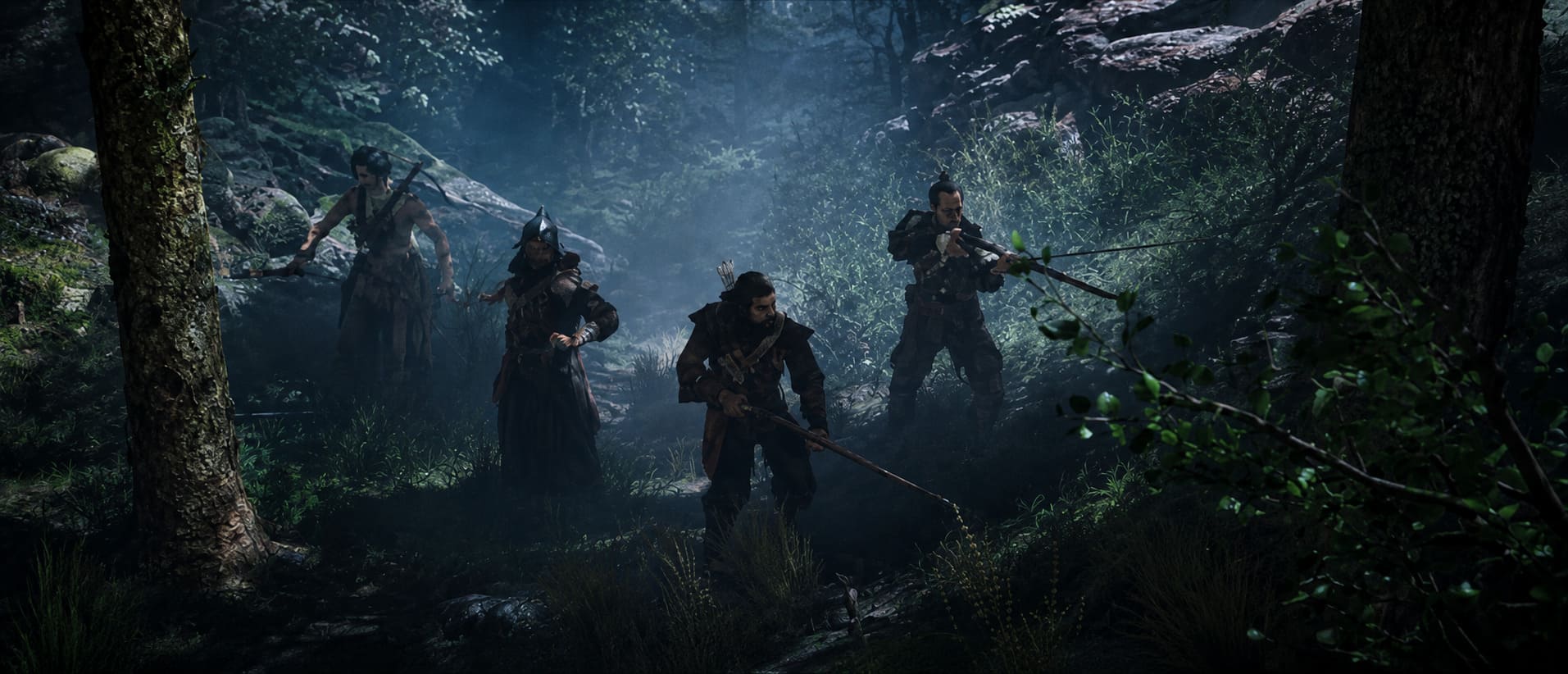
The dense jungle feels oppressive without relying on endless darkness. Fog limits visibility just enough to create uncertainty, while the muddy terrain and decaying environments constantly remind players they’re trespassing somewhere humanity was never meant to discover.
Lighting deserves special mention.
Lanterns barely illuminate surrounding vegetation, creating endless shadows where imagination often becomes scarier than anything actually hiding there. Combined with subtle environmental audio, every expedition feels tense before monsters even appear.
Rather than overwhelming players with nonstop scares, the game patiently builds dread until panic naturally takes over.
Community Impressions So Far
Early reactions have been surprisingly balanced instead of blindly enthusiastic.
What Players Already Like
- Unique psychological horror mechanics instead of traditional jump scares.
- Excellent atmosphere supported by impressive environmental design.
- Strong emphasis on teamwork that rewards communication.
- Replayable extraction structure encouraging multiple expeditions.
- Free demo availability, allowing players to test mechanics before purchasing.
Common Criticisms
- Melee combat lacks polish.
- Opening hours can feel unforgiving.
- Solo experience loses much of its appeal.
- Success often depends on patient stealth rather than action-heavy gameplay.
None of those negatives completely overshadow the experience, but they’re worth understanding before spending money.
Quick Pros and Cons
| Pros | Cons |
|---|---|
| Original sanity system | Clunky melee combat |
| Fantastic co-op tension | Steep learning curve |
| Strong Lovecraft atmosphere | Less enjoyable solo |
| Excellent environmental storytelling | Slow pacing may divide players |
| Meaningful progression | Requires strong communication |
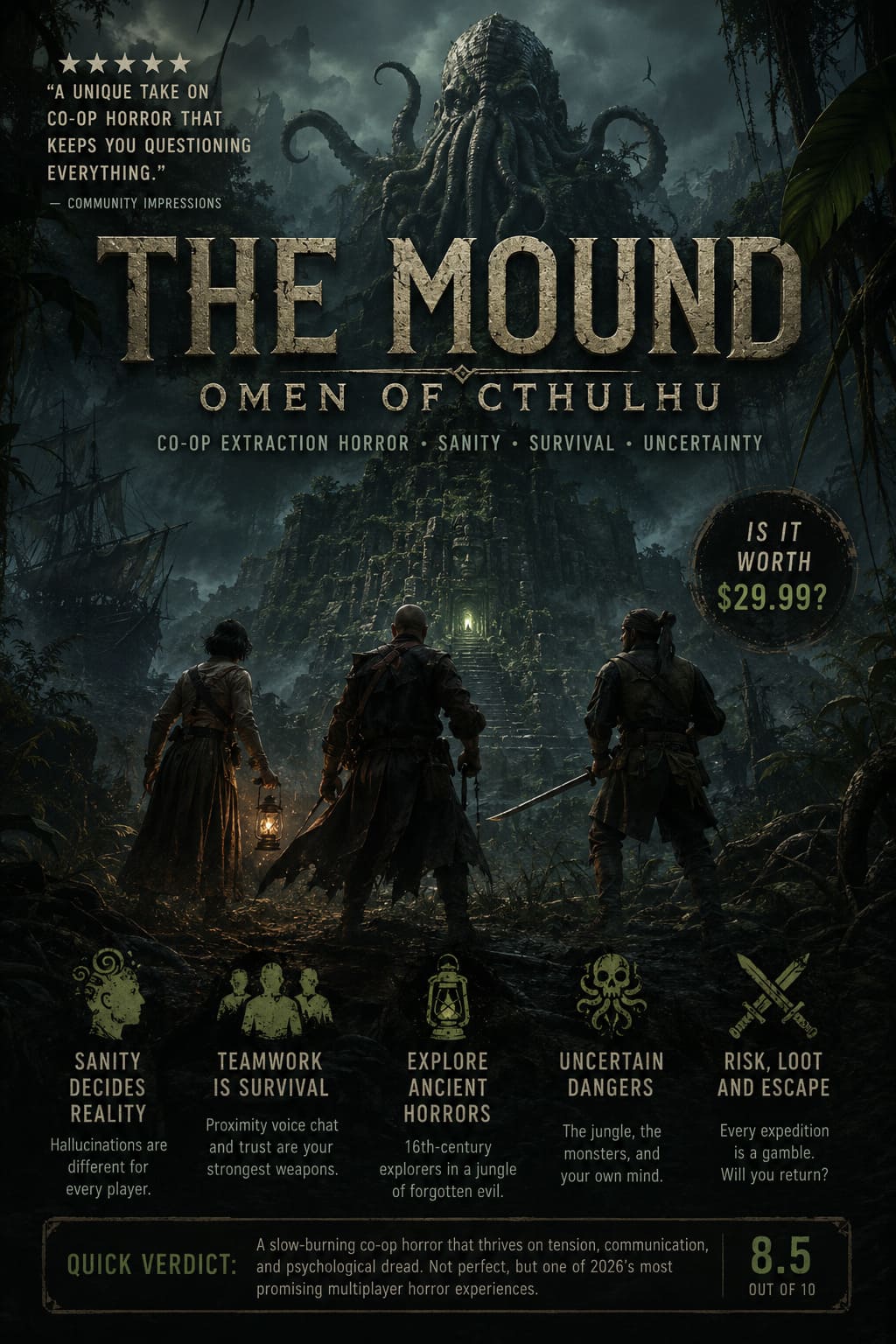
Is It Worth $29.99?
For me, the answer depends almost entirely on who you’re playing with.
If you already have two or three friends who enjoy games like Lethal Company, Phasmophobia, or tactical survival experiences where planning matters more than reflexes, then The Mound looks like one of the more interesting multiplayer horror releases in recent years. The sanity mechanics alone create enough unpredictable moments that every expedition should generate new stories.
On the other hand, players searching for nonstop action or polished melee combat may find themselves frustrated. This isn’t a power fantasy. It’s a slow-burning survival experience built around anxiety, communication, and constantly questioning reality.
Personally, that’s exactly what makes it appealing.
Too many modern horror games rely on scripted scares that lose their impact after one playthrough. The Mound appears to generate fear through player interaction instead, making every session feel slightly different from the last.
Final Verdict
The Mound: Omen of Cthulhu isn’t trying to become another generic extraction shooter with horror elements sprinkled on top. It commits fully to psychological tension, cooperative survival, and the terrifying idea that your own senses might betray you at the worst possible moment.
It certainly isn’t flawless. Combat still appears rough around the edges, the learning curve is intimidating, and solo players probably won’t experience the game at its best. Those issues are real and shouldn’t be ignored.
Still, when everything comes together—a coordinated squad, limited supplies, fading sanity, monsters lurking beyond the fog, and teammates desperately arguing over what’s actually real—the game delivers something refreshingly different within an increasingly crowded genre.
If you love cooperative horror, enjoy strategic teamwork, and appreciate Lovecraft-inspired storytelling, The Mound: Omen of Cthulhu absolutely deserves a place on your radar. It may not redefine extraction horror overnight, but it offers enough fresh ideas to stand out from the crowd and has all the ingredients needed to become one of 2026’s most memorable co-op experiences.