Divinum Best Rune Builds Guide 2026: Active Skills and Modifiers Meta
If there is one thing I have learned from playing action games over the years, it is that a good combat system can keep you experimenting long after the story is finished. The best games in the genre are rarely about finding one button that wins every fight. They are about understanding how several mechanics fit together and then building something that feels almost unfair once everything clicks.
That is exactly where Divinum gets interesting.
At first glance, its 2D side-scrolling combat looks straightforward. Fior has weapons, enemies attack, and you dodge, parry, and hit back. Spend a little more time with the game, though, and the real depth starts to show. Active skills, runes, and modifiers completely change how individual abilities behave.
And this is where builds start to matter.
A mediocre combination can make a powerful skill feel strangely weak. A properly synchronized setup, on the other hand, can turn the same ability into something that tears through elite enemies and boss health bars.
After looking closely at the way these systems interact, I would divide the current Divinum 2026 meta into three broad approaches: aggressive elemental burst, defensive control, and summon-focused combat.
Here is how I would approach each one.
How Divinum’s Rune System Actually Changes Combat
Before jumping into individual builds, it is worth understanding what makes the system different from a basic gear-based RPG.
Fior has two weapon move sets and can switch between them during combat. That already gives the game a fairly high mechanical ceiling, particularly when aerial attacks, parries, directional movement, and projectile deflection are added to the mix.
Active skills sit on top of that foundation.
These abilities are not simply stronger versions of normal attacks. They can interrupt enemies, create space, control groups, or deliver a huge amount of burst damage. Runes then modify those skills, while additional modifiers can push the concept even further.
In other words, the best build is not necessarily the one with the highest individual numbers. It is the one where every part of the build is working toward the same goal.
The major areas you can manipulate include:
- Elemental Conversion – turning physical attacks into Fire, Lightning, Holy, or other damage types.
- Cooldown and Resource Management – deciding whether abilities should be available more frequently or cost fewer resources.
- Crowd Control – improving knockbacks, stuns, freezes, pulls, and stagger effects.
- Summon Scaling – sacrificing some of Fior’s personal damage to make summoned units dramatically stronger.
- Stat Conversion – transforming defensive or utility statistics into offensive power.
That last category is particularly important because it creates some surprisingly unconventional builds.
Build #1: Liquid Lightning Burst
Best For: Boss Damage, Fast Clears, Aggressive Players
Of the three setups, Liquid Lightning Burst is the one I would recommend first to players who enjoy staying on the offensive.
The basic idea is simple: move quickly, generate consecutive hits, stack your bonuses, and then turn those stacks into a concentrated burst of elemental damage.
It combines Spark Strike with Tempest Torrent, creating a build that feels especially strong when you can maintain momentum.
Core Skills
Spark Strike is your opener. It gives Fior a fast forward movement option while also hitting multiple times. That makes it useful both for closing distance and building the momentum required for the rest of the setup.
Tempest Torrent is the payoff. Normally, the ability creates a broader lightning zone, which is excellent for controlling an area. With the right rune, however, it becomes much more specialized.
Recommended Runes and Modifiers
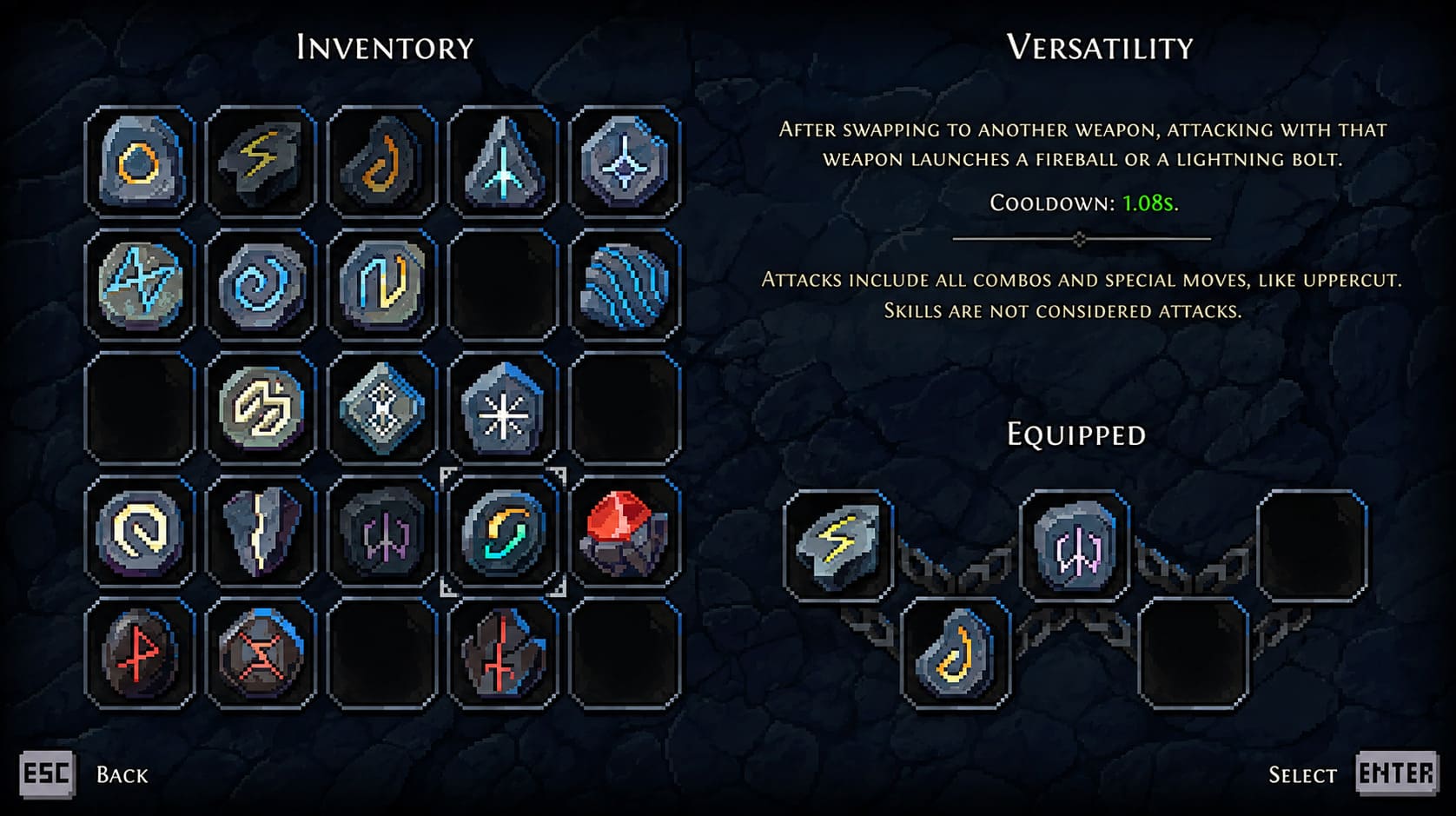
The key component is Overcharged Catalyst.
This rune changes Spark Strike so that Fior’s physical movement is accompanied by additional electrical arcs. Those arcs can hit nearby targets, giving the ability considerably more value when you dash into a group.
For Tempest Torrent, I prefer Focused Convergence when the objective is boss damage. You give up some of the ability’s wide coverage, but the lightning becomes much more concentrated.
That trade-off makes sense against large, relatively stationary targets.
Pair the setup with High Frequency and Static Reach to push elemental range and consecutive-hit scaling further.
| Component | Recommended Choice | Main Purpose |
|---|---|---|
| Main Skill | Spark Strike | Mobility and multi-hit generation |
| Secondary Skill | Tempest Torrent | Burst elemental damage |
| Primary Rune | Overcharged Catalyst | Adds lightning arcs |
| Secondary Rune | Focused Convergence | Concentrates lightning damage |
| Modifiers | High Frequency + Static Reach | Range and critical scaling |
How I Would Play It
Start with Spark Strike rather than immediately throwing out your biggest ability.
You want to build momentum first.
Dash through weaker enemies, generate your consecutive-hit bonuses, and save Tempest Torrent for the moment when an elite or boss is properly positioned.
Against a boss, Focused Convergence becomes particularly valuable because the reduced area coverage matters far less when there is only one target in front of you.
The biggest mistake with this build is treating Tempest Torrent as an opener. It works much better as the second half of the combo.
Build #2: Immortal Earthen Bulwark
Best For: Survival, Crowd Control, Difficult Endgame Encounters
Not every player wants to spend an entire boss fight dancing around attacks.
Sometimes you want to walk into the room, take control of the battlefield, and make the enemies deal with you.
That is where the Immortal Earthen Bulwark setup comes in.
This build sacrifices some of the explosive damage potential of the Lightning setup in exchange for a much safer and more forgiving combat style.
The core combination is Seismic Slam + Warden Shield.
Core Skills
Seismic Slam is the offensive centerpiece. Its ground-based attack creates a powerful stagger and knockback effect, making it particularly useful when several enemies are trying to surround Fior.
Warden Shield provides the defensive foundation. Rather than relying entirely on perfect dodges, you can establish your protection first and then use Seismic Slam to control whatever comes close.
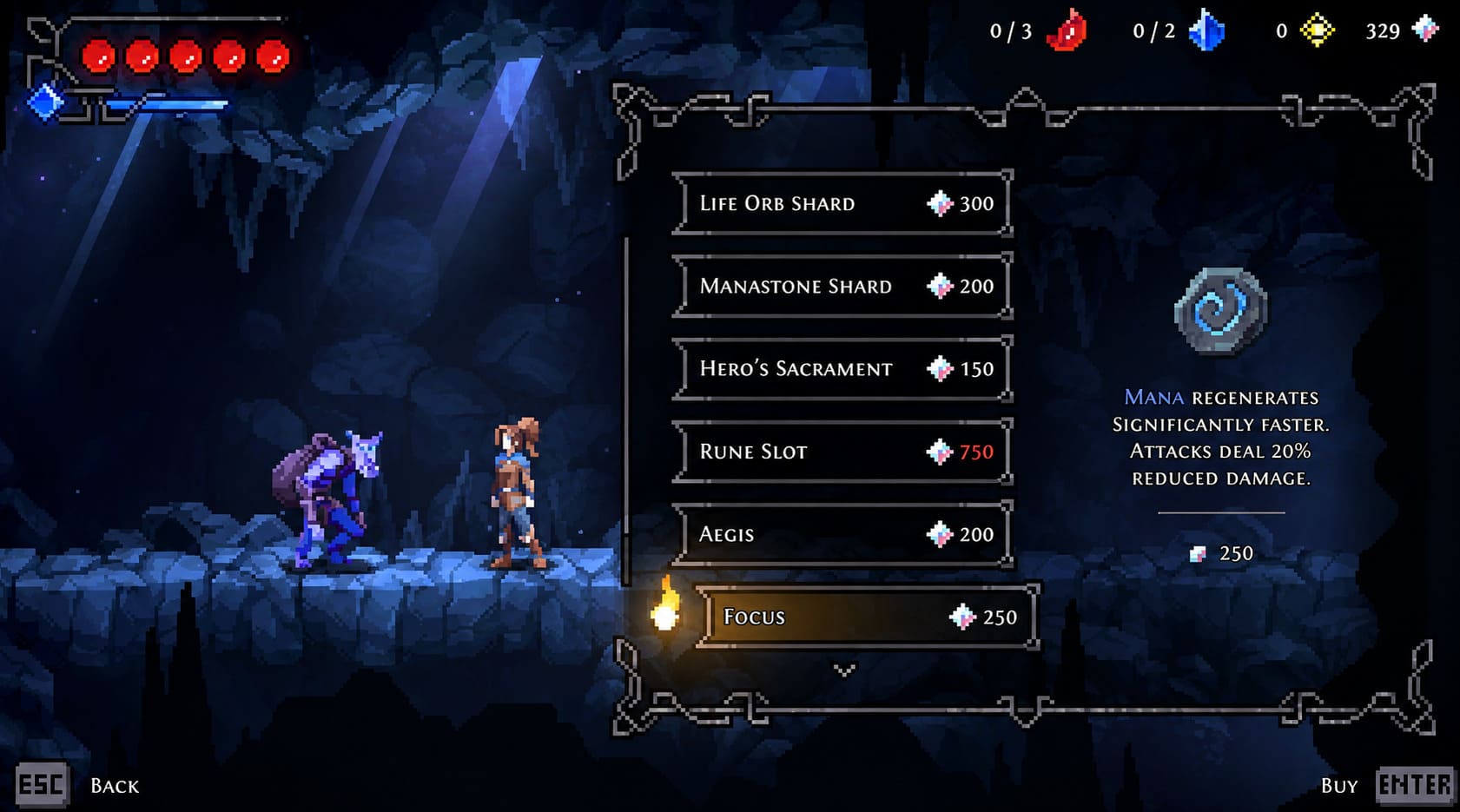
The important rune here is Tectonic Echo.
Instead of allowing Seismic Slam to end after its initial impact, the rune creates a delayed second strike. The follow-up deals reduced damage, but damage is not really the main reason I like it.
The second impact creates another opportunity to stagger enemies.
That extra interruption can be much more valuable than a small increase in raw DPS during difficult encounters.
The Defensive Trick
The interesting part of this build is Earthen Bulwark Expansion.
This rune converts part of Fior’s health regeneration into additional shield capacity. The downside is obvious: passive health regeneration stops while the effect is active.
But if your shield becomes large enough, that trade can be worth making.
This is where Iron Core and Heavy Mass become important. Together, they make Fior significantly harder to disrupt and improve the effectiveness of physical crowd control.
The result is a build that feels less like a glass cannon and more like a walking fortress.
My Take
If you are repeatedly dying during late-game encounters, I would honestly try this build before simply attempting to increase your damage.
A dead character deals zero DPS.
That sounds obvious, but action RPG players often overlook it while chasing bigger numbers.
The Bulwark setup gives you enough breathing room to learn enemy patterns, understand boss attacks, and practice your timing without every mistake becoming fatal.
Build #3: Phantom Summoner Commander
Best For: Tactical Players, Crowd Control, Passive Damage
The Phantom Summoner Commander is probably the most unusual build of the three.
It is designed for players who would rather control the battlefield than constantly stand directly on top of an enemy.
Instead of making Fior the primary source of damage, the build turns summoned units into the main offensive engine.
The foundation is Spectral Wardens combined with Spirit Vortex.
How the Build Works
Spectral Wardens summons phantom archers that remain near Fior and automatically attack hostile targets.
That alone is useful, but the real strength comes from controlling enemy positioning.
Spirit Vortex pulls enemies toward a central point. Once enemies are grouped together, your summons can attack several targets at once instead of wasting their damage on scattered enemies.
This is where Singularity Focus becomes extremely important.
The rune reduces Fior’s personal weapon damage, which sounds terrible if you look at the tooltip in isolation.
It is not terrible if the rest of your build is designed around summons.
The trade gives your summoned units substantially better attack speed and damage, effectively changing where your DPS comes from.
That is a classic example of why build optimization in Divinum requires looking at the entire system instead of comparing individual item or rune statistics.
Recommended Combination
Use Gravitational Pull with Spirit Vortex to increase the effectiveness and duration of the enemy grouping effect.
Then combine Amplified Bond with Lingering Spirits to improve summon uptime and punish enemies caught inside the vortex.
The result is a simple but effective sequence:
- Cast Spirit Vortex into a group.
- Allow the enemies to become tightly clustered.
- Summon the Spectral Wardens.
- Let the enhanced summons attack while Fior maintains a safer position.
This setup is especially appealing when dealing with large groups because the battlefield effectively becomes your weapon.
Which Divinum Build Should You Choose?
There is no single answer for every player.
That is actually one of my favorite things about this type of build system. The strongest setup on paper can be completely wrong for your personal playstyle.
| Build | Damage | Survivability | Crowd Control | Difficulty |
|---|---|---|---|---|
| Liquid Lightning Burst | Very High | Medium | Medium | High |
| Immortal Earthen Bulwark | Medium | Very High | Very High | Low-Medium |
| Phantom Summoner Commander | High | High | Very High | Medium |
Liquid Lightning Burst is my pick if the priority is aggressive gameplay and boss melting. It rewards movement and good timing, but mistakes are punished more heavily.
Immortal Earthen Bulwark is the safer option. If you are learning endgame encounters or simply dislike getting destroyed by one bad attack, this is probably the most comfortable setup.
Phantom Summoner Commander is the most interesting alternative. It changes the fundamental way you approach combat and can be extremely effective when enemies can be grouped consistently.
Rune Optimization: Don’t Chase Numbers Blindly
One of the easiest mistakes to make in Divinum is building around isolated statistics.
More haste sounds good.
More damage sounds good.
More critical chance sounds good.
But if your skills have poor uptime or your runes actively contradict one another, those numbers may not translate into better performance.
I generally recommend thinking about builds in terms of damage loops.
Ask yourself:
What starts my combo? What keeps it going? What turns my setup into burst damage?
For example, Liquid Lightning uses repeated hits to create momentum before Tempest Torrent cashes that momentum in.
The Bulwark setup uses defense to create an opportunity for repeated crowd-control attacks.
The Summoner build uses enemy grouping to create an environment where automated units can deal maximum damage.
Once you start thinking this way, choosing runes becomes much easier.
Divinum 2026 Full Story Explained: Lore, Ending, and Dark Secrets Revealed
Don’t Ignore Perfect Parries
There is also a temptation to focus entirely on active skills and forget about Fior’s defensive mechanics.
I would not make that mistake.
Perfect blocks and parries can become an important part of advanced builds, especially when modifiers reward precise defensive timing with resources, buffs, or cooldown resets.
Even a defensive build can benefit enormously from learning the timing of enemy attacks.
In fact, a player who understands parries can often get more value from an offensive build than a player who simply stacks damage modifiers.
That is one of the things I like about Divinum’s combat philosophy: mechanical skill still matters.
A great build should make you stronger, not completely replace your ability to play the game.
Is Divinum Coming to PS5 and Xbox? Console Release Date and Latest News
Final Thoughts on the Divinum Meta in 2026
The current Divinum build landscape is interesting because there is no reason to stop experimenting after finding one strong combination.
The Liquid Lightning Burst build is the obvious choice for players who want speed, elemental burst, and aggressive boss damage.
The Immortal Earthen Bulwark is a much better fit for players who value consistency and survivability, especially in punishing late-game content.
And the Phantom Summoner Commander offers something completely different by turning Fior into more of a battlefield commander than a traditional melee damage dealer.
If I had to give one piece of advice, it would be this: don’t build around the strongest-looking rune—build around the strongest interaction.
A rune that appears mediocre by itself can become exceptional when it completes the right skill combination. Likewise, a powerful modifier can actually make a build worse if it pushes your character in a direction the rest of your setup does not support.
That is where the real fun of Divinum begins.
Experiment with your active skills. Test different rune combinations. Pay attention to cooldowns, resource costs, positioning, and enemy behavior. Most importantly, do not be afraid to abandon a popular meta build if it does not fit the way you like to play.
The best Divinum build is not always the one with the highest theoretical DPS.
It is the one you can actually execute consistently when the boss stops playing nice.