Best Supermarket Items to Hoard in Survival Log: Complete 10-Hour Guide (2026)
If there is one thing I have learned from spending far too many hours in survival games, it is this: the stuff that looks boring on the supermarket shelf is usually the stuff that saves your life later.
When I first started playing Survival Log, I made the classic mistake. I walked into a supermarket thinking I was going to grab whatever looked useful, fill my backpack with fresh food, and head home before the zombies became a problem. That plan lasted about as long as most of my early-game plans do.
A few hours later, I was desperately searching my base for something edible, medical supplies were running low, and half the food I had proudly dragged home had become useless. That was when I finally understood what Survival Log is really about.
You are not simply looting a supermarket. You are building your future supply chain.
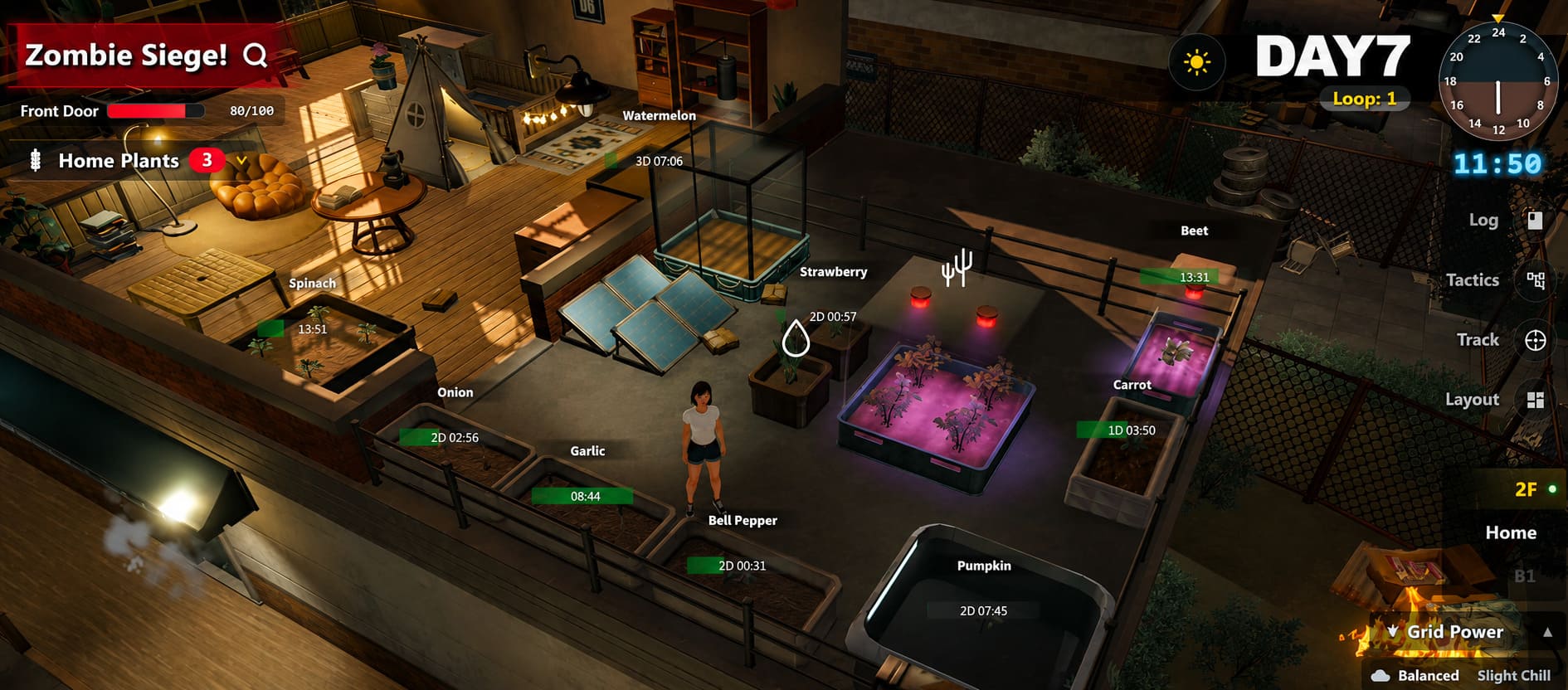
The game’s first 10 hours are especially important because this is when you can establish a comfortable stockpile before the pressure starts ramping up. Weather events, zombie attacks, injuries, fatigue and the increasingly nasty survival mechanics can turn a well-stocked house into a lifesaver.
So, after plenty of scavenging, bad decisions, and more supermarket runs than I care to admit, here are the Survival Log supermarket items I consider essential, along with the things I personally leave behind when my inventory is getting full.
Why Supermarket Loot Matters So Much in Survival Log
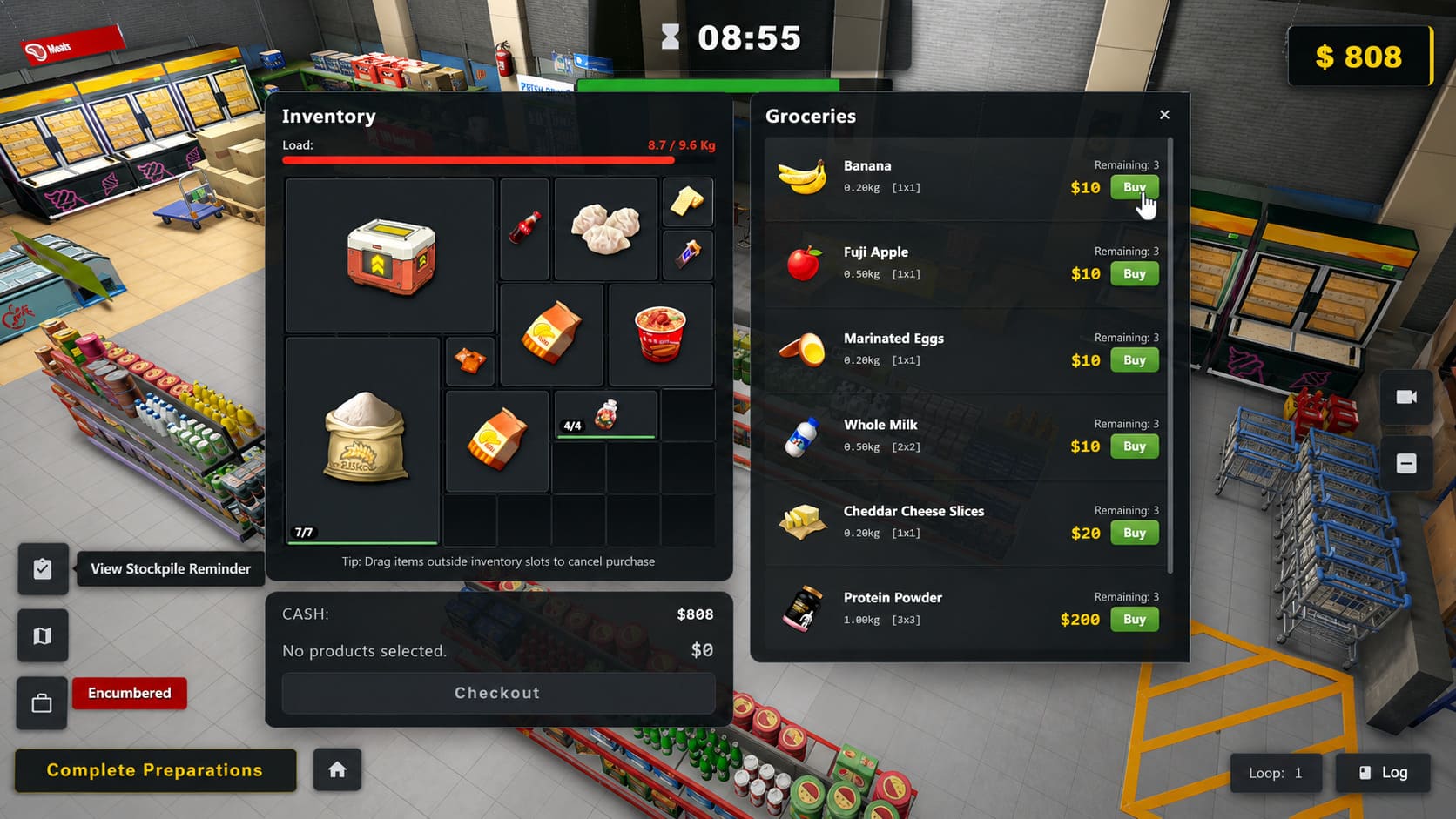
The supermarket is one of those locations that looks deceptively simple. You see food, drinks, medicine and household supplies everywhere, but your inventory is limited and carrying capacity matters.
The Loot Spotter makes this even more interesting because you constantly have to decide whether an item is worth one of your precious inventory slots.
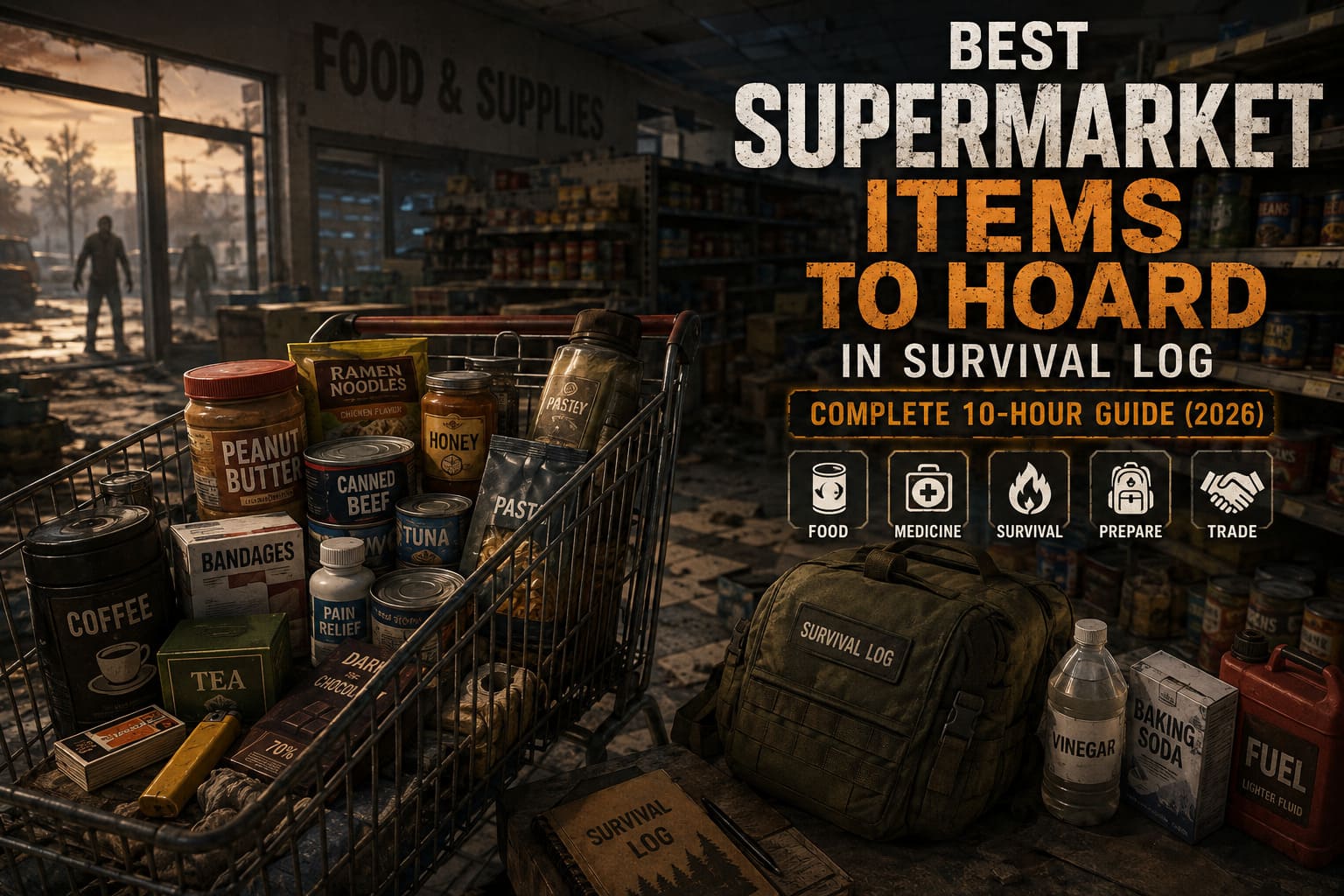
For me, the basic rule is simple:
If an item is lightweight, durable, stackable and useful for more than one purpose, it gets priority.
That philosophy completely changed how I approached supermarket runs.
| Item Type | Priority | Why I Take It |
|---|---|---|
| Canned Food | Very High | Long shelf life and reliable nutrition |
| Medicine | Very High | Difficult to replace when injured |
| Peanut Butter | Very High | Excellent energy for its weight |
| Coffee | High | Extremely useful for fatigue management |
| Matches/Lighters | High | Tiny inventory footprint and multiple uses |
| Fresh Food | Medium | Great early, risky for long-term storage |
| Bottled Water | Low | Easy to replace later |
Now let’s get into the items I actually recommend hoarding.
1. Peanut Butter Is Basically Survival Fuel
If I have room for one more food item, peanut butter is usually one of my first choices.
It has exactly what I want from survival-game food: high energy, relatively small storage requirements and excellent long-term usefulness. You don’t need complicated preparation, and it doesn’t force you into a cooking routine when something is already trying to eat your face.
During longer scavenging trips, I love having a few jars available because they let me recover energy without wasting valuable cooking resources.
It isn’t glamorous, but this is one of those items that makes the difference between “I can make it home” and “why did I decide to explore another building?”
My verdict: Hoard it aggressively during the first 10 hours.
2. Canned Meat Should Be Your Main Protein Reserve
Canned chicken, beef, tuna and similar preserved foods are some of the safest investments you can make.
Fresh meat might provide better immediate value, but it comes with a huge problem: spoilage.
Canned food doesn’t care whether your refrigerator is working or whether the weather outside has gone completely insane. It sits there waiting for you.
I personally like to maintain a dedicated section of my base storage for canned food. Once that reserve starts getting large, the entire game feels less stressful.
You know that even if tomorrow’s scavenging run goes horribly wrong, you’ve still got something to eat.
3. Ramen and Pasta Are Cheap but Surprisingly Important
Ramen noodles and dry pasta don’t look impressive, but they are fantastic early-game staples.
They’re lightweight, stack well and can be turned into much more useful meals once your cooking setup improves.
This is particularly valuable before weather conditions become a serious problem. A hot meal isn’t just food—it can become part of your strategy for dealing with cold and maintaining energy.
I used to ignore basic dry goods because they felt too ordinary. Now, whenever I see a large stack of noodles or pasta, I make room.
Cheap + light + stackable = exactly what you want.
4. Honey Has More Value Than You Might Expect
Honey is another item I rarely leave behind.
Its biggest advantage is versatility. It provides a quick energy boost and can have additional utility in survival situations where healing and recovery become increasingly important.
The important thing about items like honey is that you don’t necessarily need to use them immediately. Keeping a few stored at home gives you options.
And in Survival Log, having options is often more valuable than having one giant pile of a single resource.
5. Bandages and Cleaning Supplies Come Before Luxury Loot
This is probably the biggest lesson I learned after getting comfortable with the game.
Never assume you won’t get injured.
You can plan the perfect route, avoid unnecessary fights and still end up bleeding because one zombie appeared around a corner at exactly the wrong time.
Bandages should therefore be one of the first things I grab from pharmacy sections.
Hydrogen peroxide and other cleaning supplies are also worth taking because untreated injuries can become much bigger problems.
When my backpack is nearly full, I would rather sacrifice an extra food item than walk away from useful medical supplies.
6. Painkillers and Antibiotics Are Emergency Insurance
Painkillers are especially useful when you’re trying to finish a scavenging trip despite an injury.
The same goes for antibiotics. Their value becomes obvious only when you actually need them, which is exactly why they are so easy to underestimate.
I recommend storing these items separately from your everyday medical supplies.
That way, you don’t accidentally burn through your emergency reserve during a minor problem.
Think of antibiotics as an insurance policy, not a consumable you should casually waste.
7. Vitamins Are Easy to Ignore Until Your Character Starts Falling Apart
Nutrition systems in survival games always have a way of punishing players who only eat whatever has the most calories.
Survival Log is no different.
If your character survives exclusively on noodles and canned meat, eventually you’re going to feel the consequences.
Multivitamins and supplements help keep your long-term nutrition strategy balanced. I wouldn’t fill half my inventory with them, but whenever I find them, I take a reasonable amount.
They are particularly useful once your early-game food reserve is already established.
8. Lighters and Matches Are Some of the Best Inventory Investments
This is one of my favorite categories because these items are tiny.
Fire is incredibly valuable, whether you’re cooking, trying to stay warm or preparing your base for difficult weather.
Matches and disposable lighters take almost no room compared with the utility they provide.
There is almost no reason to leave them behind unless your inventory situation is truly desperate.
I normally keep a small reserve at home and another set in my active backpack.
Losing your main supply because you forgot to bring one on a long trip is the kind of mistake you make exactly once.
9. Charcoal and Fuel Belong in Your Base Storage
Fuel-related materials become increasingly important as your settlement develops.
Charcoal and lighter fluid may not be exciting loot, but they support cooking, warmth and other systems that become much more important once the environment starts working against you.
My advice is to avoid carrying huge amounts during routine scavenging trips. Bring back what you can reasonably transport and build a dedicated fuel stockpile at your base.
You will thank yourself when a nasty weather event hits and suddenly everyone needs heat at the same time.
10. Vinegar and Baking Soda Are Crafting Gold
Household supplies are another category that inexperienced players tend to ignore.
I used to walk past vinegar and baking soda because they didn’t feel like survival essentials. That changed once I started paying attention to crafting.
Both can become surprisingly useful in preservation, cleaning and maintenance-related recipes.
The important lesson here is that Survival Log isn’t only about finding finished products. Raw utility materials can become much more valuable once your crafting options expand.
If your base is starting to develop into a proper long-term settlement, don’t underestimate household supplies.
11. Coffee Is One of My Favorite Items for Night Runs
Coffee deserves special attention.
Nighttime in Survival Log can be brutal, especially when fatigue starts affecting your ability to move efficiently and react to danger.
A hot coffee can give you the extra push needed to stay functional when you really don’t want to sleep.
Personally, I like keeping coffee near my emergency food rather than dumping it into general storage. When I’m planning a nighttime defense or risky scavenging trip, I know exactly where it is.
Coffee is not luxury loot. It’s productivity fuel.
12. Tea Is the Backup I Always Want
Tea doesn’t completely replace coffee, but it serves a similar role and is useful for maintaining your character when fatigue becomes a problem.
I especially like it because I don’t have to burn through coffee every time my character is getting tired.
Think of your caffeine supplies like stamina potions in an RPG.
You don’t drink every potion immediately. You save them for the moments when the extra performance actually matters.
13. Chocolate and Candy Are Small but Useful
Dark chocolate and hard candies are exactly the sort of items I used to ignore.
They’re lightweight, easy to carry and useful when your character’s mental state starts deteriorating.
The sanity system can become surprisingly punishing if you spend too much time trapped inside a dark base with nothing but zombie noises outside.
A small morale boost can therefore be worth considerably more than the item’s nutritional value suggests.
I wouldn’t prioritize candy over medicine or canned food, but if I have free inventory space?
Absolutely taking it.
14. Alcohol and Cigarettes Can Become Valuable Trade Resources
This is where Survival Log becomes more interesting than a simple zombie survival simulator.
Some items aren’t valuable because you personally need them. They’re valuable because other survivors want them.
Alcohol and cigarettes can function as useful barter items, making them worth keeping even if you don’t intend to consume them.
I recommend maintaining a separate “trade” box in your base.
That way, you’re not accidentally eating or using something that could have helped you secure a much more important resource later.
15. Bottled Water Is Not as Valuable as You Think
This one may sound controversial, but hear me out.
Water is obviously essential. I’m not saying you should ignore it.
I’m saying don’t let bottled water destroy your inventory efficiency.
Once you have access to rain collection, pumps or a reliable water infrastructure system, water becomes much easier to source.
During your first few hours, carry enough to remain safe. But if your backpack is full and you’re choosing between several water bottles and a stack of medicine or canned food, I’m taking the medicine every single time.
That’s one of the easiest ways to improve your supermarket loot efficiency.
My 10-Hour Supermarket Strategy
After experimenting with different approaches, this is the basic routine I now use.
First, secure survival essentials. Grab medicine, canned food, high-calorie staples and water.
Second, collect utility materials. Matches, lighters, fuel and crafting supplies should come next.
Third, think about the future. Coffee, vitamins, trade goods and morale items become increasingly useful as your settlement develops.
Finally, stop being greedy.
This last one is probably the hardest lesson for me personally.
There is always another aisle.
There is always another shelf.
There is always one more item that looks “too good to leave behind.”
And that’s exactly how you end up overloaded, exhausted and surrounded by zombies halfway home.
How to Fix Low-Budget Repairs Black Screen on Startup: Steam Launch Error Guide
Items I Usually Leave Behind
When space gets tight, I start cutting the low-priority stuff.
- Excess bottled water once reliable water collection is available.
- Large quantities of fresh food without refrigeration.
- Heavy low-calorie foods.
- Duplicate household items that aren’t currently needed.
- Anything with poor stacking efficiency.
The goal isn’t to bring home the most loot.
The goal is to bring home the best loot per inventory slot.
Final Thoughts
The best supermarket strategy in Survival Log isn’t about memorizing one perfect shopping list. It’s about understanding what your base will need several hours from now.
For me, canned meat, peanut butter, dry goods, medical supplies, fire-starting equipment and coffee form the foundation of a strong early-game stockpile. Everything else gets judged according to the current condition of my base.
And that’s what makes supermarket runs so addictive.
Every trip forces a decision.
Do I take the food or the medicine? Do I carry another bottle of water or grab the fuel? Do I risk another aisle for antibiotics when the zombies are already getting aggressive?
Those decisions are what make Survival Log feel less like simple looting and more like actual survival planning.
If you’re approaching the 10-hour mark, don’t worry about making your house look impressive yet. Build the boring stuff first. Fill your shelves with durable food, establish a medical reserve, collect fuel and fire-starting tools, and start thinking about weather before it becomes a crisis.
Because when the cold snap arrives, the lights start failing and a horde decides your front door looks interesting, you won’t care about the loot you left behind.
You’ll care about the small pile of boring supermarket supplies you were smart enough to bring home.