IL-2 Korea Commander Career Mode Guide: Strategy and Logistics Manual
When I first launched the Commander Career Mode in IL-2 Series: Korea, I expected something similar to the old career systems from previous IL-2 games. I figured I’d receive a mission, climb into the cockpit, shoot down a few enemy aircraft, land, and repeat. After a few hours, I realized I had completely underestimated what the developers had built.
This isn’t just another pilot career. You’re responsible for an entire fighting force. Every aircraft you lose, every exhausted pilot you send back into combat, and every poor logistical decision can come back to haunt you days later. That long-term pressure completely changes the experience, and honestly, it’s one of the biggest reasons I’ve kept coming back.
If you’re jumping into Commander Career Mode for the first time, these are the lessons I wish someone had told me before I started burning through aircraft and replacement points.
Commander Career Is More About Decisions Than Flying
The biggest adjustment is accepting that flying is only part of your job.
You’re no longer simply following orders. Headquarters gives you broad objectives, but how you complete them is entirely your responsibility. Sometimes you’ll be asked to reduce enemy supply routes. Other times your focus may shift toward air superiority or defending friendly positions.
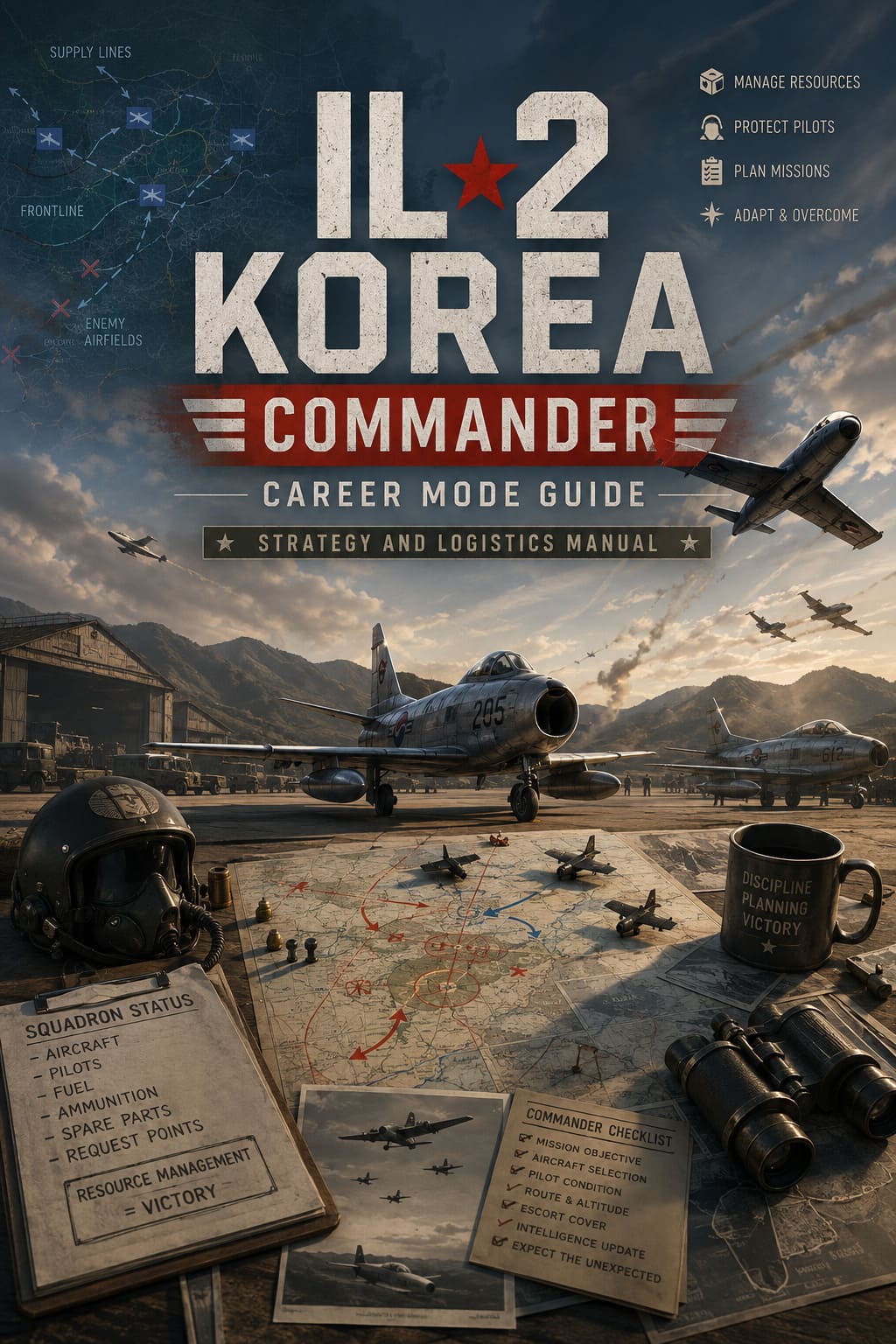
What makes every campaign interesting is that there isn’t a single “correct” solution.
You choose:
- which aircraft leave the runway;
- which pilots participate;
- how many resources are committed;
- whether a mission is worth the risk.
I’ve had missions where destroying one convoy looked attractive on paper, but protecting experienced pilots proved far more valuable in the long run.
Resources Are Your Real Currency
One mistake I made early was treating aircraft like disposable equipment.
That mentality doesn’t survive very long.
Everything inside Commander Career revolves around resource management. Aircraft repairs, replacement machines, ammunition, spare parts, and fuel all contribute to your squadron’s readiness.
The system encourages careful planning instead of reckless aggression.
Winning a difficult battle while losing half your squadron rarely feels like a victory because the next several campaign days become dramatically harder.
Protect Your Request Points
Request Points quickly became the resource I valued more than anything else.
These points determine how quickly you can rebuild after losses. Completing objectives efficiently and avoiding unnecessary casualties allows you to request replacement equipment whenever your unit needs it.
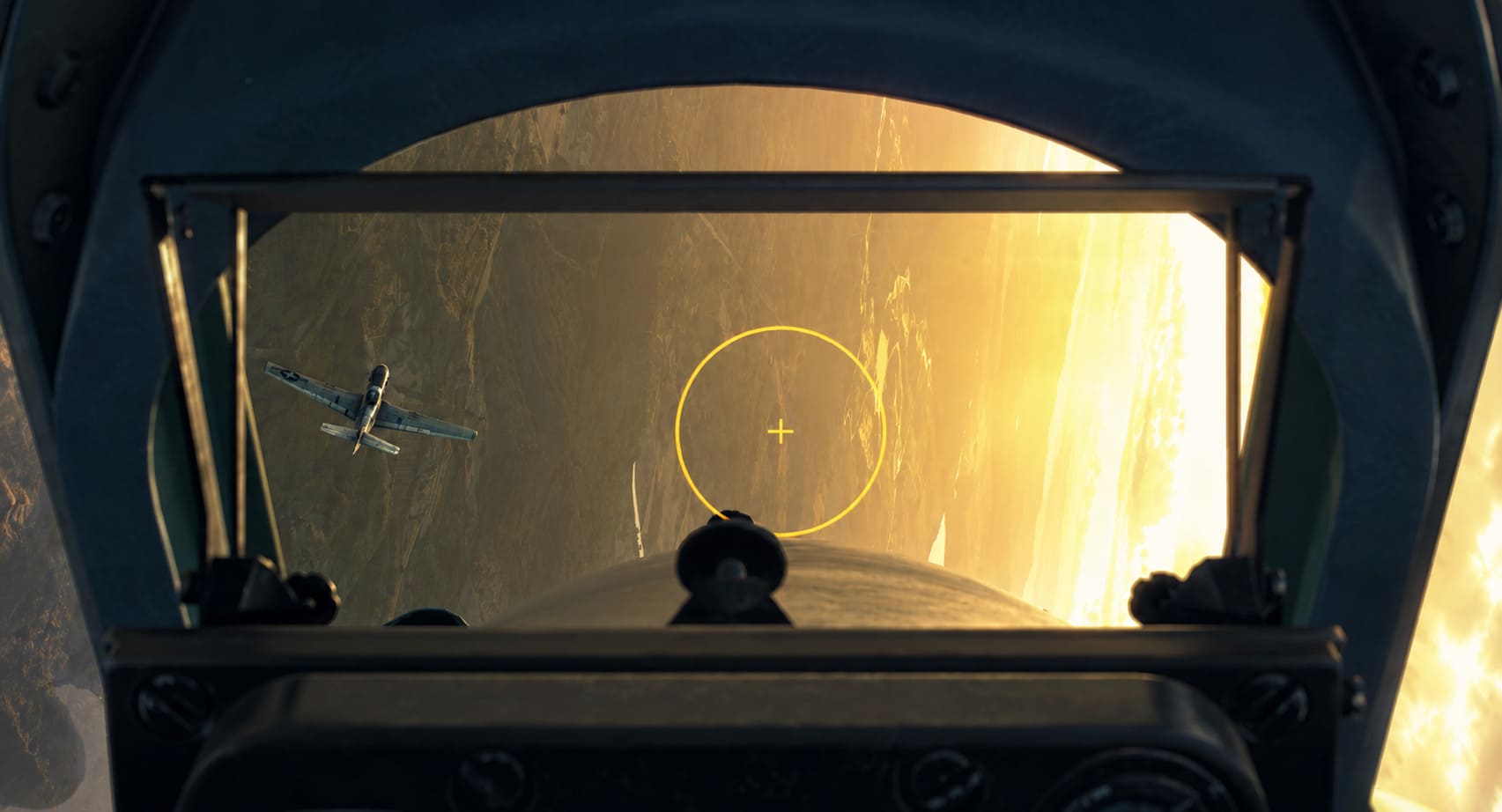
If those points disappear, your options shrink surprisingly fast.
That’s why I stopped chasing every possible engagement. Sometimes avoiding an unnecessary dogfight is simply better strategy.
Don’t Burn Out Your Best Pilots
This is easily my favorite feature in Commander Career.
Many strategy games let you rely on your strongest unit forever. IL-2 Korea doesn’t.
Pilots become tired.
Keep sending the same ace into battle and you’ll eventually notice declining performance. Their reactions slow down, combat effectiveness drops, and morale across the squadron starts suffering.
Instead, I rotate crews regularly.
Reserve pilots gain experience, veterans recover properly, and the entire regiment stays combat ready for longer campaigns.
It’s tempting to rely on your star pilot every mission, but the game rewards commanders who think weeks ahead instead of one sortie ahead.
Aircraft Selection Actually Matters
One thing I really appreciate is that different aircraft aren’t simply cosmetic choices.
Depending on your campaign progress, you may have access to a mixture of older piston aircraft alongside modern early jet fighters.
Each comes with strengths and weaknesses.
| Situation | Recommended Priority | Reason |
|---|---|---|
| Air interception | Modern jet fighters | Superior speed and climb performance |
| Ground attack | Dedicated strike aircraft | Better payload capacity |
| Routine patrols | Older available aircraft | Preserves valuable frontline jets |
| Critical defensive missions | Your strongest available squadron | Higher chance of mission success |
Throwing your best aircraft into every mission may feel satisfying initially, but eventually maintenance costs and combat losses begin catching up with you.
Mission Planning Is Worth Your Time
There’s an automated planning option available, and for players who only want cockpit action, that’s perfectly fine.
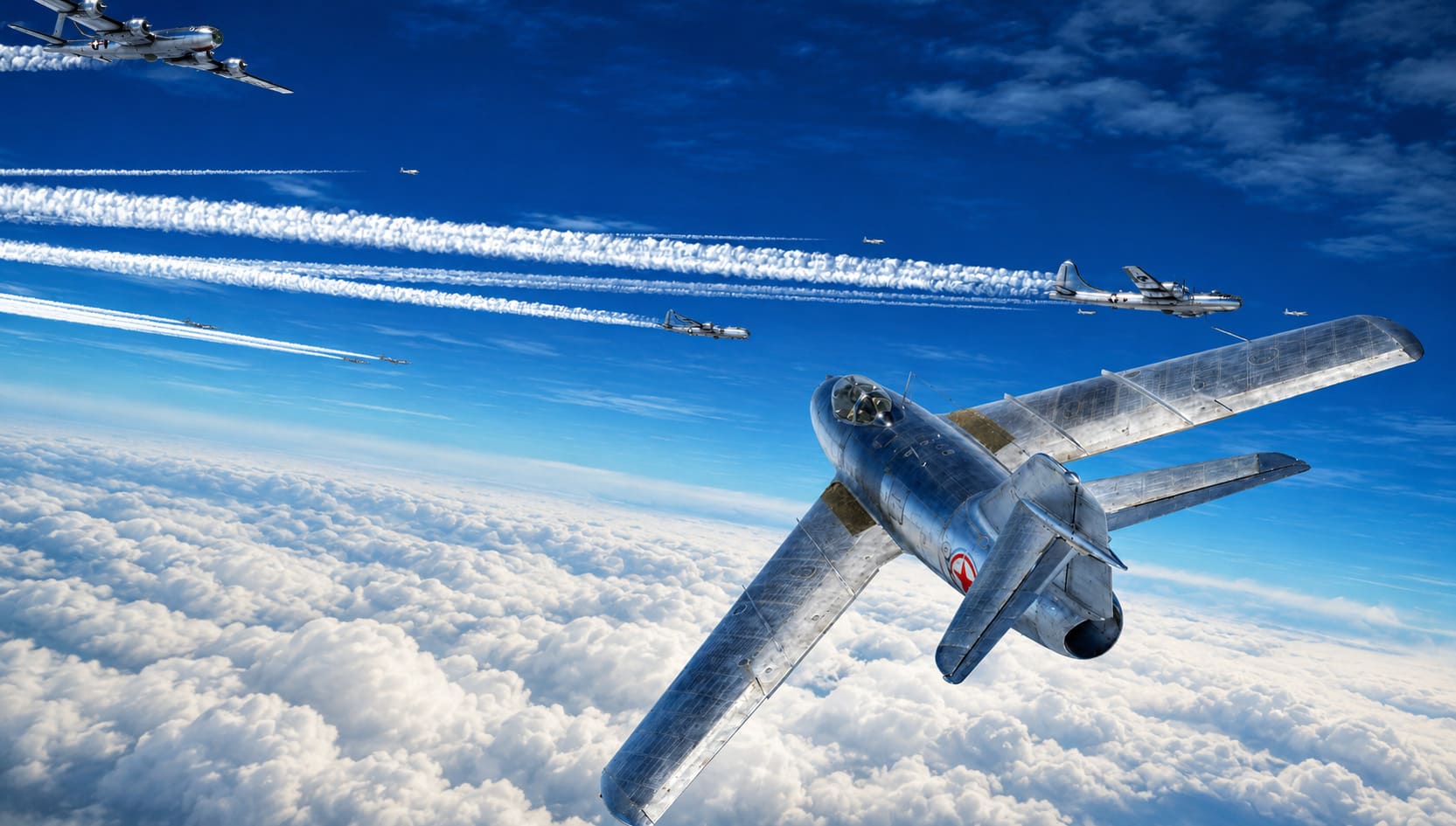
Personally, I found manual planning much more rewarding.
Adjusting flight routes, assigning escort elements, selecting altitude, and choosing proper weapons gives every operation a personal touch.
Some of my most successful missions weren’t won because I flew better—they succeeded because I planned smarter.
A properly protected strike package almost always performs better than sending everyone toward the objective in one large formation.
Expect Plans To Fall Apart
If there’s one thing Commander Career constantly reminded me, it’s that no battle plan survives first contact.
You’ll prepare an operation, brief your pilots, launch the mission… and suddenly everything changes.
An enemy raid appears.
Your own airfield comes under attack.
New intelligence arrives.
Instead of becoming frustrating, these moments make campaigns feel alive.
I’ve canceled bombing missions halfway through just to intercept incoming attackers threatening my base. Those unexpected decisions often became the most memorable parts of the campaign.
The Time Warp Feature Is Better Than I Expected
Normally I’m skeptical whenever flight simulators introduce shortcuts.
Fortunately, Time Warp doesn’t remove the interesting parts of flying.
After takeoff and formation assembly, you can skip long transit flights and jump closer to the combat area.
What surprised me is that the system isn’t guaranteed to complete safely.
If hostile aircraft are detected along your route, the transition ends immediately, dropping you directly into an unexpected engagement.
That uncertainty keeps the feature from feeling artificial while saving a tremendous amount of travel time.
Keybindings You Should Configure Immediately
I learned this lesson the hard way after fumbling through menus during combat.
Before beginning a serious career, make sure these controls are easily accessible.
- Wheel steering lock for stable takeoffs and landings.
- Drop external fuel tanks to improve maneuverability during sudden dogfights.
- Cockpit zoom controls for identifying distant aircraft.
- Quick view reset for maintaining situational awareness.
Good controls won’t make you an ace overnight, but they’ll prevent plenty of unnecessary mistakes.
Korea IL-2 Series Black Screen Fix: 2026 Troubleshooting Guide for PC and VR
My Biggest Advice After Dozens of Missions
Commander Career rewards patience.
I started enjoying the mode much more once I stopped treating every mission like an arcade challenge.
Protect experienced pilots.
Don’t waste advanced aircraft on routine patrols.
Think about tomorrow’s missions instead of today’s victory screen.
The campaign becomes far more satisfying when your regiment slowly grows stronger because of careful leadership instead of lucky outcomes.
I’ve seen squadrons collapse after only a handful of reckless operations, and I’ve also watched modest units become incredibly effective simply because losses stayed low and morale remained high.
IL-2 Series Korea Full Flyable Aircraft List: Every Jet and Prop Detailed
Final Thoughts
Commander Career Mode is easily one of the most ambitious additions the IL-2 series has seen in years. Instead of separating strategy and simulation into different experiences, it blends both into a campaign where every decision has lasting consequences.
You’ll spend almost as much time thinking about logistics, pilot rotations, equipment preservation, and operational planning as you do sitting inside the cockpit. Surprisingly, that’s exactly what makes victories feel meaningful.
From my perspective, the mode shines because it constantly asks one simple question: are you trying to be the best pilot, or the best commander? Those aren’t always the same thing. Sometimes staying behind the planning table is the smarter move. Other times leading from the front can inspire your entire squadron. Finding that balance is where Commander Career truly becomes addictive.