Korea IL-2 Series Beginners Guide: Best Tips & Tricks to Master the Skies
When people ask me which flight simulator I recommend to anyone who wants something deeper than arcade flying but still incredibly rewarding, my answer is almost always IL-2 Sturmovik: Great Battles.
I’ve spent countless evenings jumping between relaxing training flights and absolutely chaotic multiplayer battles where one tiny mistake meant a burning aircraft and another trip back to the airfield. That’s exactly why I love this series. It doesn’t hand out victories. Every successful landing, every perfectly timed burst of cannon fire, and every dogfight you survive actually feels earned.
If you’re starting IL-2 in 2026, don’t worry if your first few hours are rough. Everyone crashes. Everyone stalls. Everyone eventually forgets to watch their six and gets deleted by an enemy they never saw.
This guide is everything I wish someone had told me before my first flight.
Why IL-2 Still Feels Amazing in 2026
Even after several years, IL-2 remains one of the best WWII combat flight simulators available.
The reason is simple.
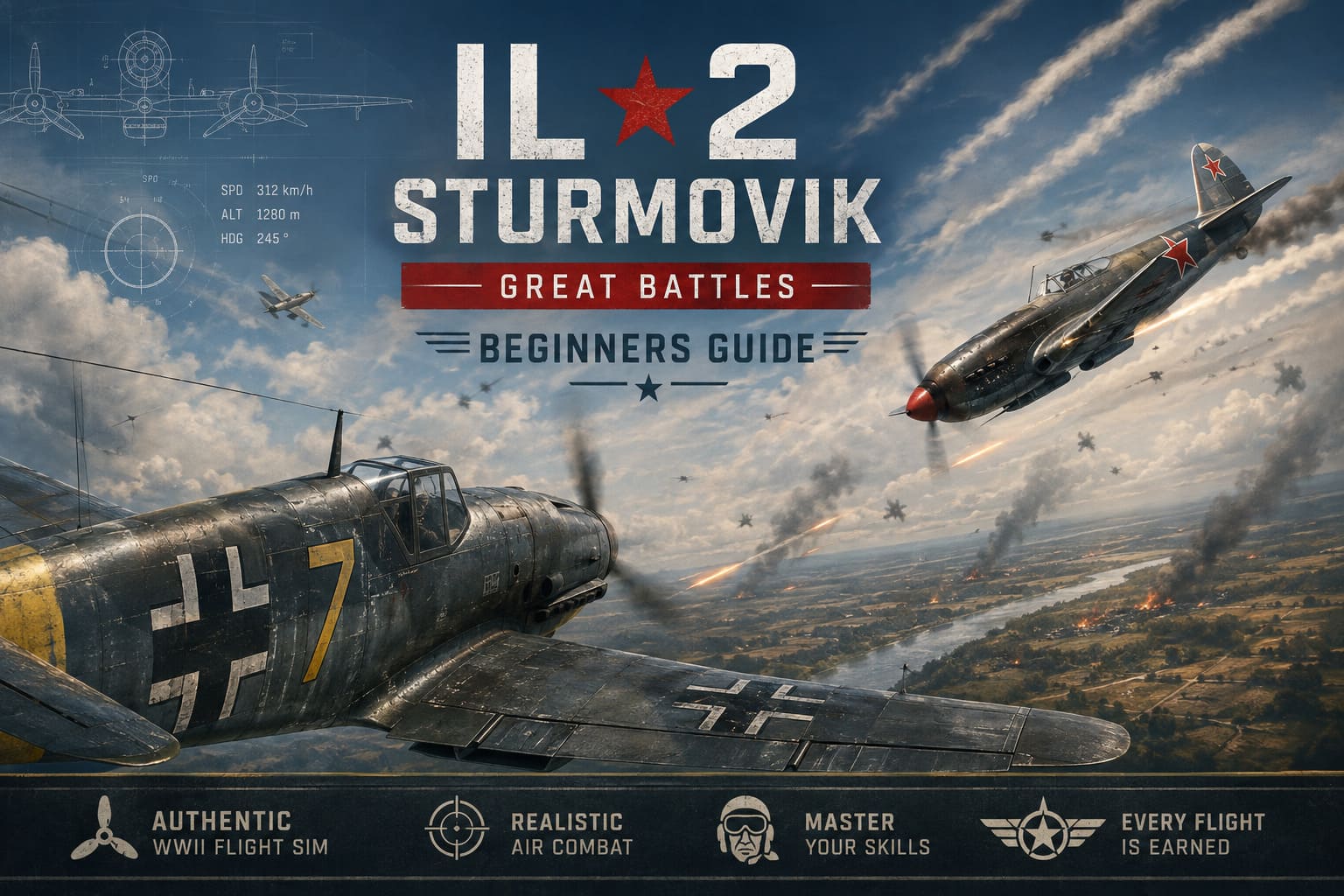
Instead of trying to overwhelm players with unnecessary complexity, it creates believable aircraft behavior. Every plane has personality. A nimble Yak feels completely different from a heavy Thunderbolt, while a Bf 109 almost seems eager to climb forever.
The more time you spend flying, the more those differences become part of your decision making instead of just statistics.
Don’t Fight Your Controls
One mistake I constantly see from new pilots is trying to fly with only a keyboard.
Technically you can.
Should you?
Absolutely not.
A decent joystick changes everything because flying becomes smooth instead of fighting digital inputs.
My beginner recommendations
- Entry Level: Logitech Extreme 3D Pro
- Best Value HOTAS: Thrustmaster T.16000M
- Premium Experience: Any quality HOTAS with separate throttle controls
A proper throttle alone makes takeoffs, landings, and engine management dramatically easier.
Head Tracking Is Worth Every Penny
I ignored head tracking for months because I thought it looked unnecessary.
I was completely wrong.
Once I started using it, I honestly couldn’t imagine flying without it.
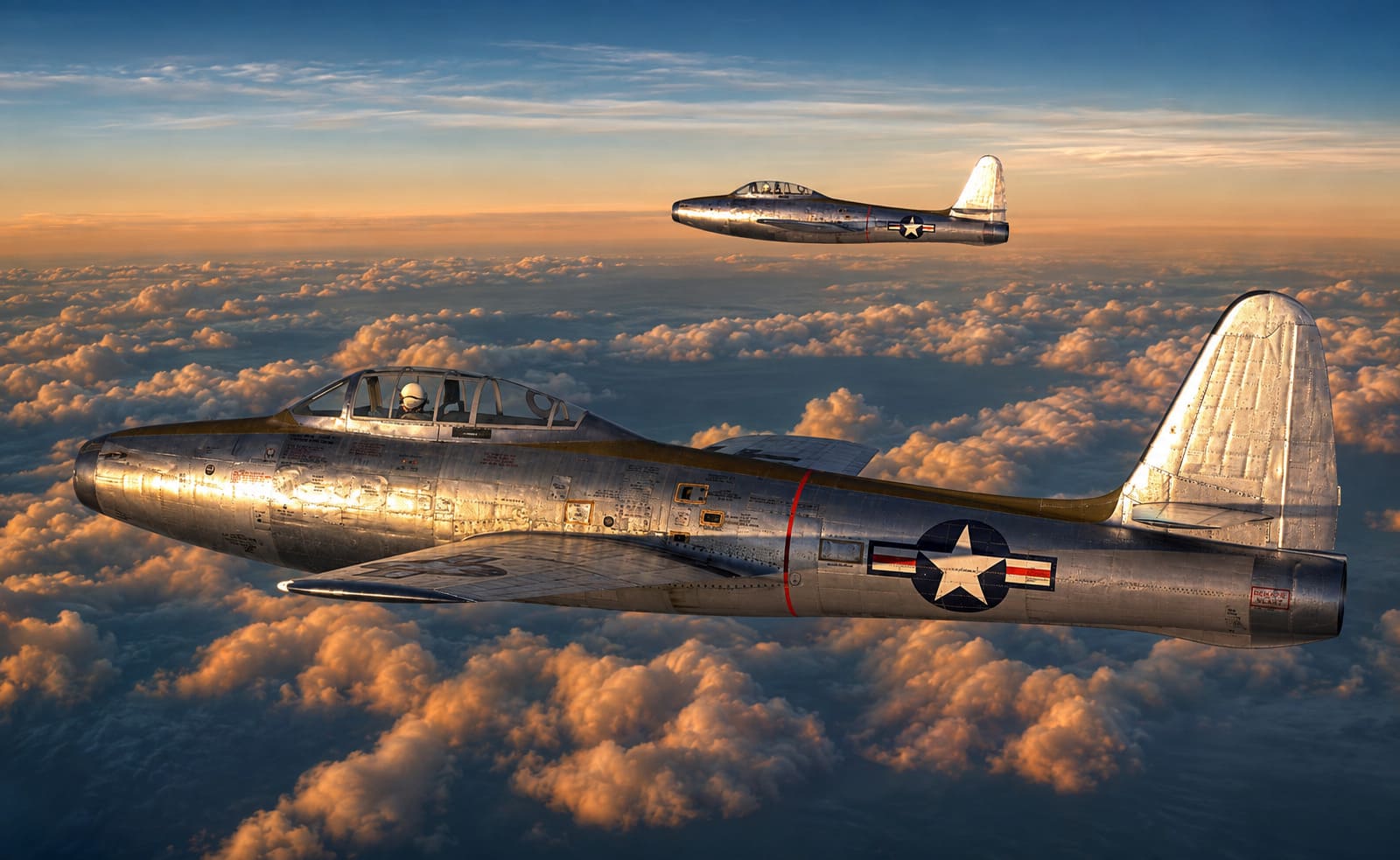
Being able to naturally glance over your shoulder while keeping both hands on the controls completely changes dogfighting.
Good options include:
- TrackIR
- OpenTrack
- SmoothTrack using a smartphone
- Virtual Reality headsets
VR deserves special mention because IL-2 performs surprisingly well compared to many modern simulators. Judging distance during formation flying or final approach suddenly becomes much more natural.
Don’t Map Every Button Immediately
One lesson I learned the hard way is that trying to memorize fifty keybinds on day one only creates frustration.
Instead, focus on the controls you’ll actually use every flight.
Priority controls
- Flight axes
- Rudder
- Wheel brakes
- Machine guns
- Cannons
- Zoom
- Engine start
- Map toggle
Everything else can come later.
You’ll naturally expand your control setup as your confidence grows.
Learn Your Engine Before You Learn Combat
One of my funniest early memories was wondering why my engine kept exploding halfway through every mission.
The answer?
I treated the throttle like an on/off switch.
IL-2 models engine temperatures surprisingly well.
If you constantly push maximum power without paying attention to cooling, your aircraft won’t stay happy for long.
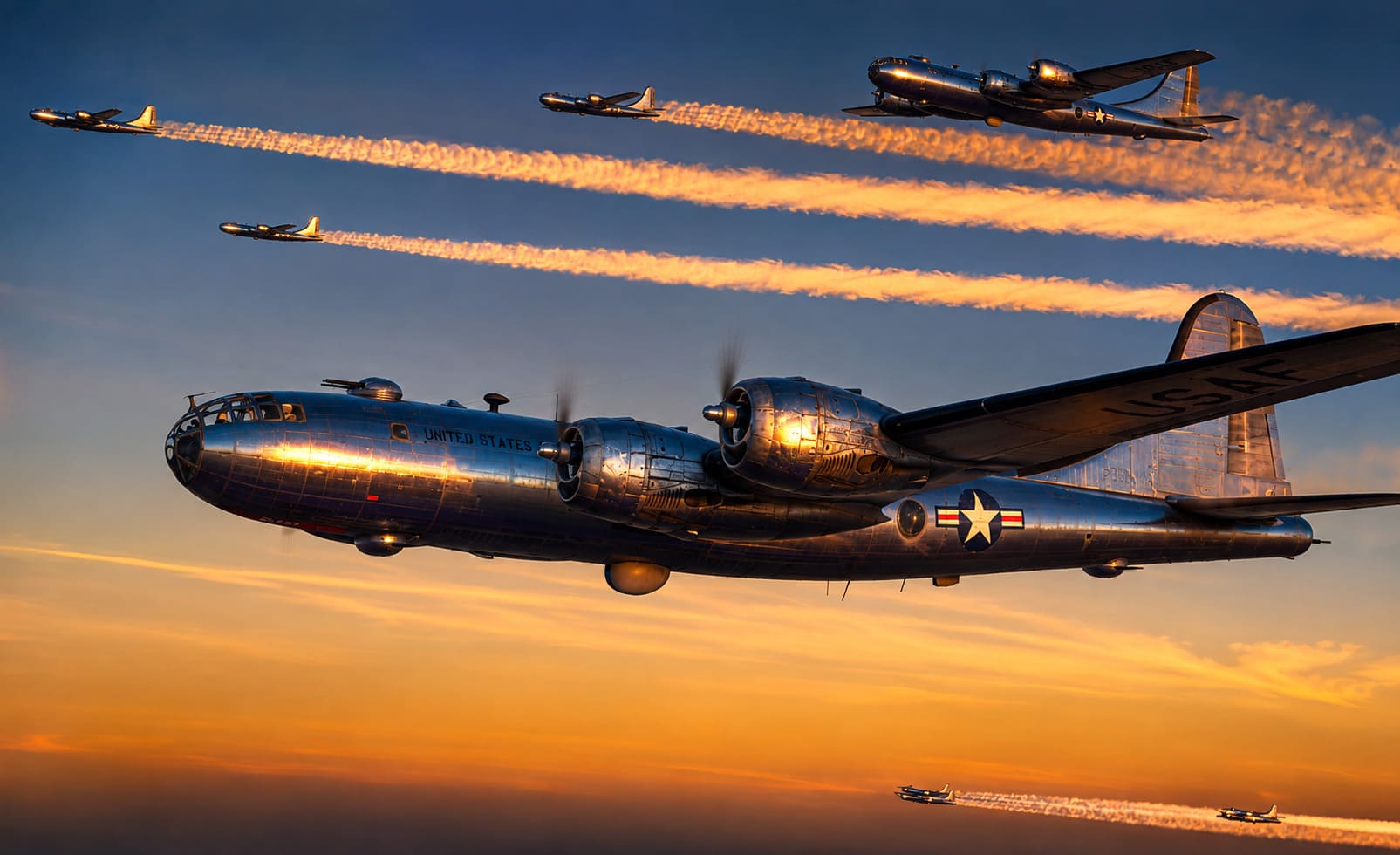
My advice
Start with simplified engine management.
There is absolutely no shame in letting the simulator handle the complicated systems while you’re still learning how to land consistently.
Once flying feels natural, begin experimenting with manual controls.
You’ll eventually manage:
- Throttle
- Propeller RPM
- Water radiator
- Oil radiator
- Fuel mixture (where applicable)
Learning these systems gradually is far more enjoyable than trying to master everything in one weekend.
German Aircraft Are Friendlier Than You Think
If someone asks me which nation makes the easiest first aircraft, I usually point toward Germany.
Many German fighters automate several engine functions, allowing beginners to concentrate on flying rather than constantly adjusting multiple systems.
Meanwhile, many Soviet and Allied aircraft expect the pilot to actively monitor temperatures and engine settings.
Neither approach is better.
They’re simply different styles of flying.
Stalls Happen Faster Than You Expect
Almost every new pilot eventually pulls too hard trying to stay behind an opponent.
Then the aircraft starts shaking.
Controls become sluggish.
Suddenly you’re spinning toward the ground.
That’s a stall.
Recognizing the warning signs is far more important than memorizing complicated aerodynamic theory.
Watch for:
- Heavy airframe vibration
- Weak control response
- Rapid speed loss
- Nose unexpectedly dropping
When it happens, stay calm.
Reduce the angle of attack, let the aircraft regain airflow, and recover smoothly instead of fighting the controls.
Panicking usually makes things worse.
Altitude Is Your Hidden Currency
One concept completely changed how I approached air combat.
Altitude equals opportunity.
Being higher than your opponent gives you options.
- Dive for extra speed
- Escape difficult situations
- Choose when to engage
- Break away after attacking
Flying low without enough speed usually leaves you with nowhere to go.
Whenever possible, climb before entering combat instead of rushing toward the first enemy icon you spot.
Stop Spraying From Half a Kilometer Away
This was another painful lesson.
I used to fire the instant I saw an aircraft.
My hit rate was terrible.
Experienced IL-2 pilots are incredibly disciplined.
Instead of emptying ammunition from long range, they patiently close the distance before firing short, accurate bursts.
A good convergence setting around 200–300 meters works well for many fighters.
Personally, I try not to shoot until the target fills a large portion of my gunsight.
My ammunition lasts longer.
My accuracy improves.
My survival rate goes up because I spend less time flying predictably.
Know What Your Aircraft Wants To Do
One thing I love about IL-2 is that every aircraft encourages a different style of fighting.
| Aircraft Style | Strength | Avoid |
|---|---|---|
| Light Fighters | Tight turning | Long vertical climbs |
| Energy Fighters | High-speed attacks | Endless turning contests |
| Heavy Fighters | Firepower | Slow maneuvering |
| Attack Aircraft | Ground targets | Extended dogfights |
Trying to force every airplane into the same tactics usually ends badly.
Instead, let your aircraft play to its strengths.
Multiplayer Feels Like a Different Game
Single-player teaches mechanics.
Multiplayer teaches humility.
Real players are unpredictable.
Some will bait you.
Others will disappear into clouds before attacking from above several minutes later.
My biggest recommendation?
Fly with someone.
Even one wingman dramatically increases your chances of surviving.
Besides making the experience more fun, a teammate can:
- Watch your blind spots
- Call enemy positions
- Coordinate attacks
- Cover your retreat
Communication wins fights long before anyone starts shooting.
Learn Aircraft Recognition Early
One accidental team kill is enough to convince you this matters.
Realistic servers don’t place giant markers above aircraft.
You’ll need to identify shapes from surprisingly long distances.
Spend some time studying:
- Wing designs
- Tail profiles
- Engine layouts
- Overall silhouettes
The faster you recognize aircraft, the faster you’ll make smart decisions.
IL-2 Korea Commander Career Mode Guide: Strategy and Logistics Manual
My Personal Beginner Progress Plan
If I had to start over today, I’d follow this order:
- Learn smooth takeoffs.
- Practice consistent landings.
- Fly navigation missions.
- Master basic engine management.
- Learn stall recovery.
- Practice accurate gunnery.
- Join beginner-friendly multiplayer servers.
- Fly regularly with a wingman.
Skipping ahead only makes the learning curve steeper.
Korea IL-2 Series Black Screen Fix: 2026 Troubleshooting Guide for PC and VR
Final Thoughts
IL-2 isn’t trying to be an easy game.
That’s exactly why I keep coming back.
Every successful mission feels earned because the simulator respects your effort. The first clean landing after several failed attempts feels fantastic. The first dogfight you survive because you managed your energy correctly feels even better. And the first multiplayer victory against another experienced pilot is something you’ll probably remember for a long time.
Don’t measure your progress by your kill count.
Measure it by the mistakes you stop making.
If you’re landing more consistently than last week, spotting enemies earlier, managing your engine without overheating it, and staying calm during combat, you’re already becoming a better pilot.
The skies in IL-2 reward patience more than aggression, and that’s one of the reasons I still consider it one of the finest combat flight simulators you can play in 2026.
See you above the clouds—and remember to check your six.