Subnautica 2 Biomod Skills Tier List: Best Active and Passive Upgrades
When I first jumped into Subnautica 2, I expected more of the same formula that made the original legendary: terrifying oceans, resource grinding, and panic attacks every time a shadow moved beneath me. What I didn’t expect was how much the new BioMod system would completely change the rhythm of exploration.
And honestly? It’s one of the smartest gameplay upgrades the series has ever added.
Instead of simply crafting better fins and oxygen tanks, you now evolve your diver directly through DNA manipulation inside the Bio Lab. That means every expedition feels more personal. You’re not just upgrading gear anymore — you’re literally redesigning your survivor for specific missions, depths, and creature encounters.
After dozens of hours exploring dangerous trenches, testing different builds during co-op sessions, and comparing notes with the community across Reddit, Steam discussions, and streamer meta conversations, I’ve reached a pretty solid conclusion:
Some BioMods are absolutely game-changing… while others are basically wasted slots.
So here’s my personal Subnautica 2 BioMod tier list, written from the perspective of someone who genuinely loves survival games and spends way too much time optimizing builds in underwater horror sandboxes.
Why BioMods Change Everything in Subnautica 2
The biggest reason the system works so well is because it forces real choices.
You don’t have unlimited slots. You can’t equip everything. Every active and passive ability competes for space, and that creates actual build diversity.
Want maximum speed for resource farming?
You sacrifice defense.
Want stealth for leviathan territory?
You lose utility scanning.
That tradeoff system creates the first true “build meta” the franchise has ever had.
And right now, during Early Access, mobility is dominating the meta hard.
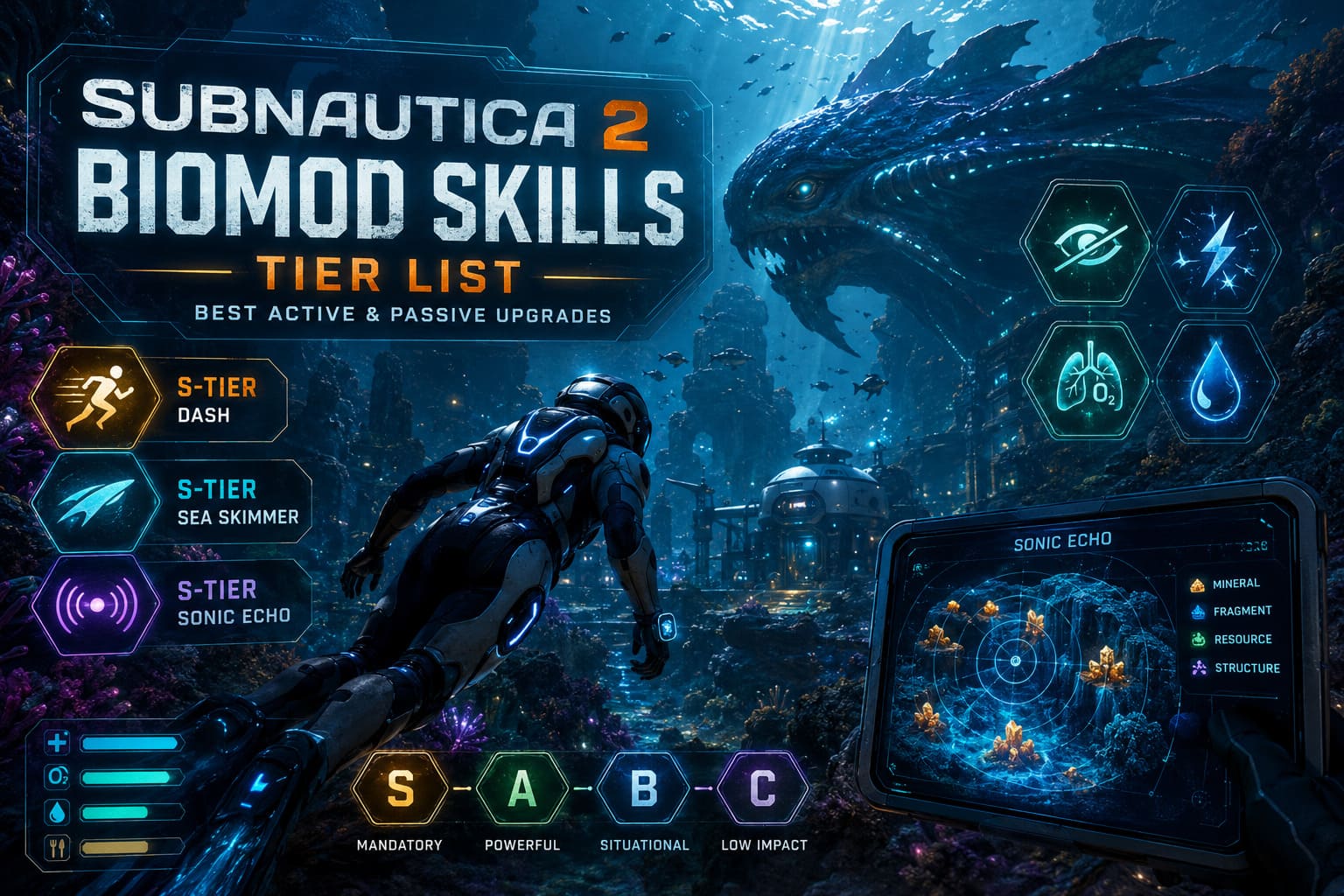
S-Tier BioMods — Mandatory Skills
These are the upgrades I almost never remove. They either massively increase survival chances or save absurd amounts of time.
| BioMod | Type | Why It’s Broken |
|---|---|---|
| Dash | Active | Best escape tool in the game |
| Sea Skimmer | Passive | Permanent movement speed boost |
| Sonic Echo | Active | Turns resource farming into easy mode |
Dash (Active)
Unlocked: Default
Role: Emergency movement ability
Dash is basically your panic button.
The moment you hear something massive roaring behind you, Dash becomes the difference between surviving and watching your inventory sink into the abyss.
What makes it insane is its versatility:
- Dodging predators
- Escaping cave traps
- Crossing vertical gaps
- Repositioning during scans
- Recovering oxygen routes
The cooldown is forgiving enough that experienced players start using it aggressively instead of defensively.
By the mid-game, I wasn’t even swimming normally anymore — I was chaining Dash movement through cave systems like a speedrunner.
Verdict: Completely essential.
Sea Skimmer (Passive)
Unlocked: Default
Role: Mobility enhancer
This passive is secretly overpowered because of how often it activates.
Most exploration in Subnautica 2 happens close to walls, seabeds, cave floors, and trenches. That means Sea Skimmer is almost always active during resource runs.
Pair this with Dash and early-game exploration becomes dramatically smoother.
I genuinely think new players underestimate how valuable movement speed is until they enter deeper biomes where oxygen pressure and predator density start stacking together.
Faster movement equals:
- Faster loot routes
- Safer escapes
- Better oxygen management
- Reduced travel downtime
That’s why this passive stays S-Tier.
Sonic Echo (Active)
Unlocked By: Scanning the Collector Leviathan
Role: Resource detection sonar
This is where the game changes from survival horror into efficiency heaven.
Sonic Echo highlights minerals, fragments, hidden materials, and structures through terrain. In dark biomes, it feels almost unfair.
Instead of blindly searching cave walls for twenty minutes, you pulse once and instantly know where everything is.
The first time I unlocked it, I immediately understood why the community considers it mandatory for late-game progression.
Especially below 700–800 meters, visibility becomes so awful that Sonic Echo saves enormous amounts of time.
If you’re trying to optimize progression speed, this is arguably the strongest utility skill in the game.
Subnautica 2 Tadpole Guide: How to Find Fragments, Unlock Blueprints, and Craft Your First Submarine
A-Tier BioMods — Powerful and Reliable
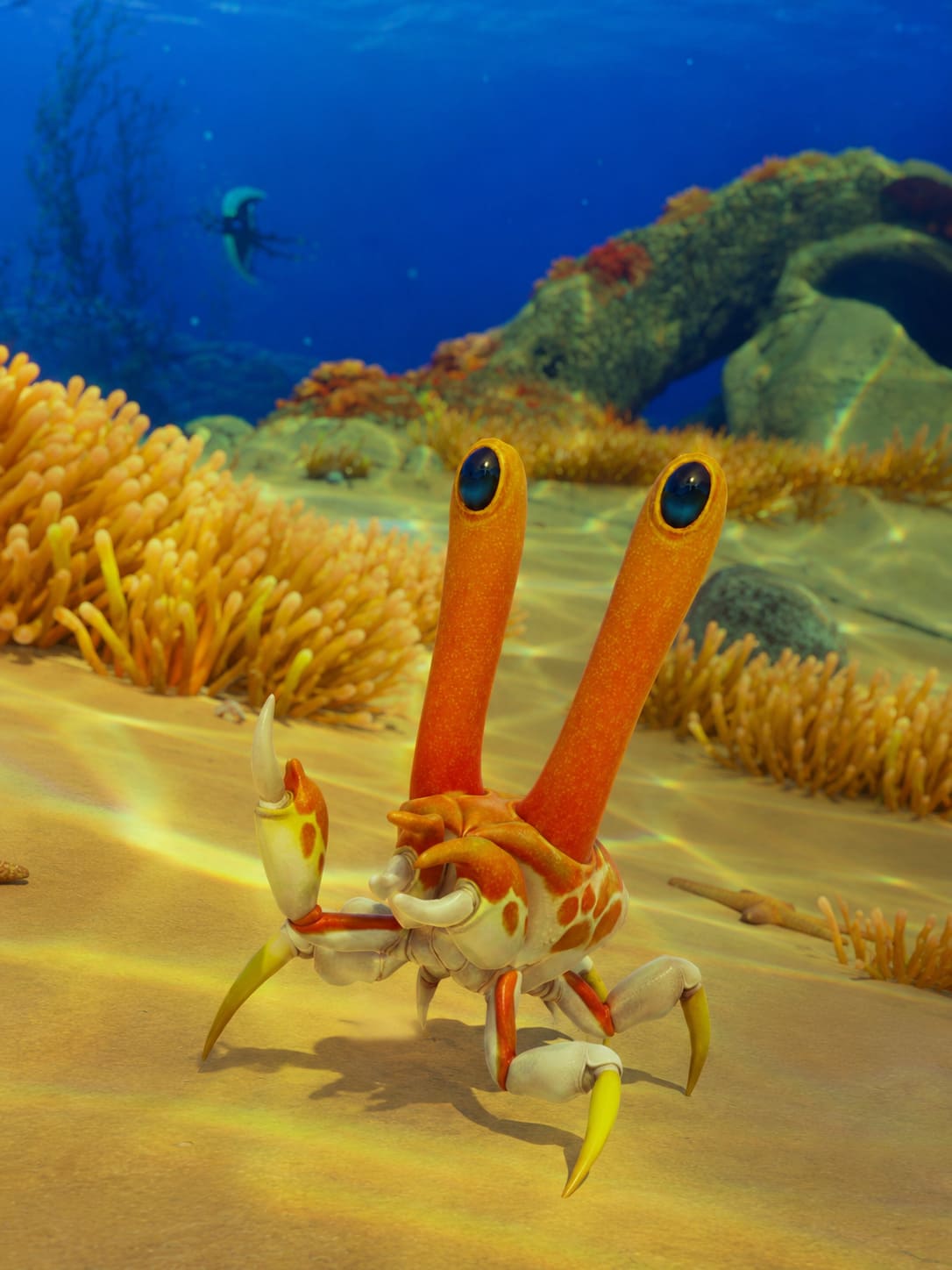
These aren’t always mandatory, but they’re incredibly strong depending on your playstyle.
| BioMod | Type | Best Use |
|---|---|---|
| Camouflage | Passive | Stealth exploration |
| Electric Discharge | Active | Predator defense |
| Oxygen Control | Passive | Deep cave planning |
| Water Secretion | Passive | Long expeditions |
Camouflage (Passive)
Standing still makes hostile creatures lose track of you.
Simple concept. Huge impact.
The deeper you go in Subnautica 2, the more terrifying predator encounters become. Some leviathans patrol tight spaces where pure movement isn’t always enough.
Camouflage turns patience into survival.
I’ve had moments where I froze beside a rock while a massive creature drifted inches from my face. Without this passive, I would’ve been dead instantly.
It’s especially strong for players who enjoy slower, methodical exploration.
Electric Discharge (Active)
This is basically personal perimeter defense.
When predators latch onto you or rush aggressively, the electrical pulse stuns them and forces retreat behavior.
For solo players, it’s incredible insurance.
For co-op squads, it’s even stronger because one player can effectively act as a defensive support unit during dangerous scans or mining operations.
Personally, I still prefer Dash overall because mobility solves more problems universally — but Electric Discharge is extremely close.
Oxygen Control (Passive)
At first glance, this sounds boring.
Then you start playing deeper biomes.
This passive massively rewards calm decision-making. Whenever you stop moving, oxygen drains slower.
That becomes incredibly useful when:
- Reading the PDA
- Organizing inventory
- Planning cave exits
- Waiting out predators
- Coordinating with teammates
It’s one of those abilities you don’t fully appreciate until it quietly saves your life multiple times.
Water Secretion (Passive)
Hydration management is brutal early on.
Water Secretion solves that problem elegantly by generating drinkable hydration over time.
Is it flashy?
No.
Is it insanely convenient?
Absolutely.
The biggest benefit isn’t even the water itself — it’s inventory freedom. You stop carrying stacks of emergency hydration and gain more room for minerals, batteries, and rare crafting materials.
That alone makes it valuable.
B-Tier BioMods — Useful but Situational
These skills aren’t bad. They’re just overshadowed by stronger alternatives.
Threat Sense
Great for nervous players or beginners, but experienced divers quickly learn creature audio patterns anyway.
Chum Cloud
Fantastic in co-op chaos situations. Less impressive solo.
Water Retention
Solid if your base relies heavily on farming systems.
Slow Metabolism
Comfortable quality-of-life bonus, but food is rarely the real problem in the current balance meta.
C-Tier BioMods — Mostly Wasted Slots
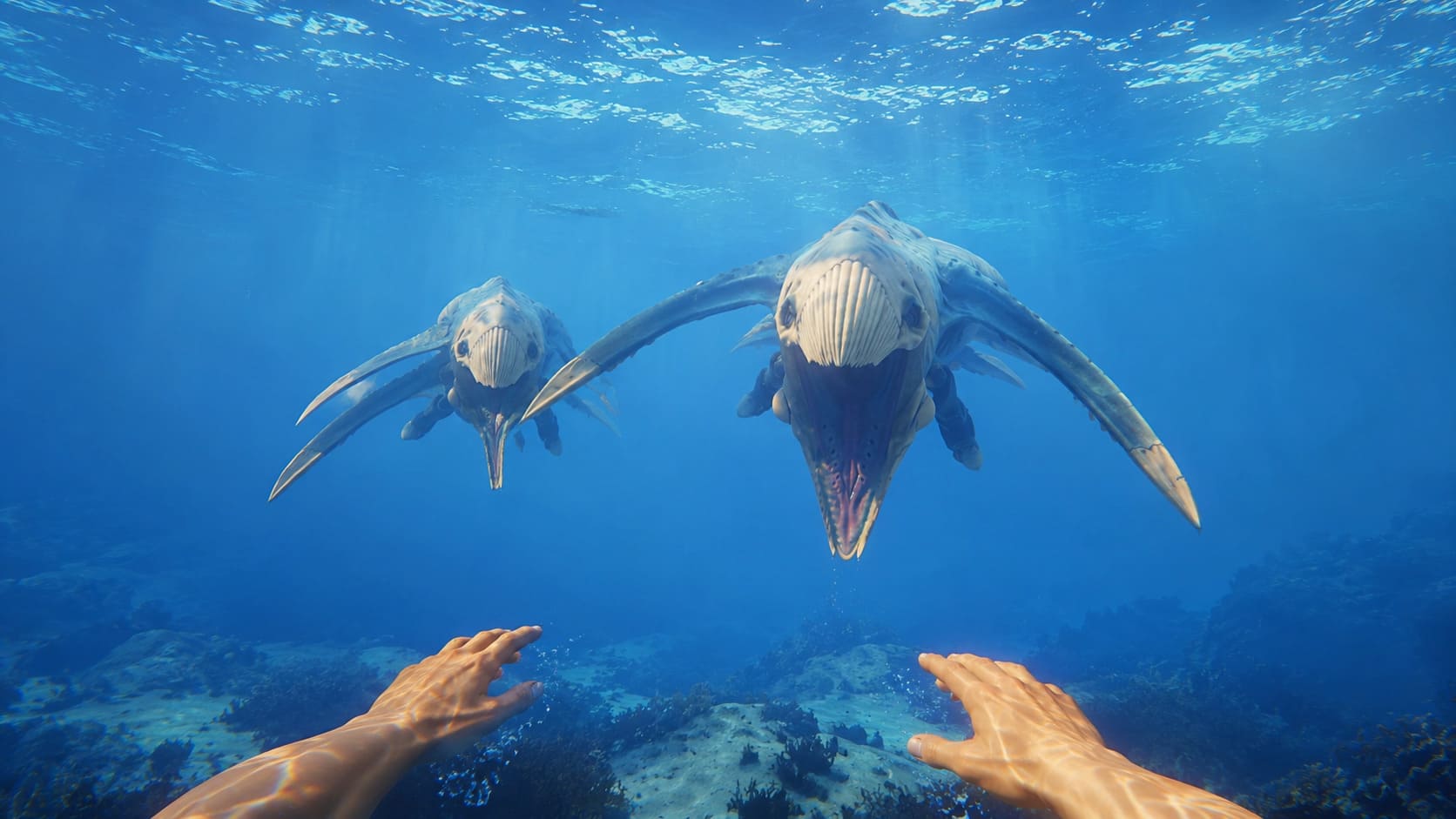
I tested these extensively and honestly struggled to justify them.
| BioMod | Biggest Problem |
|---|---|
| Pathfinder | Beacons already exist |
| Dermal Garden | Food generation too slow |
| Bioluminescence | Makes predators notice you |
| Homing Sense | Completely redundant |
Pathfinder
The idea sounds cool — leaving a biological trail through caves.
But in practice?
You already have better navigation tools:
- Beacons
- Flares
- Memory
- Vehicle markers
Using an active slot for this feels terrible once you unlock stronger abilities.
Bioluminescence
Visually, this one is amazing.
Mechanically, it’s awful.
The glow effect looks beautiful in dark trenches, but it also turns you into an underwater lighthouse for aggressive creatures.
And since flashlights already exist, there’s almost no practical reason to use it.
This feels like a style skill rather than a survival tool.
My Personal Best Builds Right Now
After testing dozens of combinations, these are the setups I keep returning to.
Best Early-Game Build
Dash + Sea Skimmer
This combo transforms exploration speed immediately.
You move faster, escape easier, and spend dramatically less time exposed between oxygen sources.
For beginners, this is easily the strongest starting setup.
Best Late-Game Survival Build
Electric Discharge + Camouflage
This build is made for nightmare biomes.
Camouflage lets you avoid detection entirely if things get bad, while Electric Discharge gives you a panic button when stealth fails.
Once you enter extreme-depth leviathan territory, survival becomes more important than raw speed.
And this combo delivers exactly that.
Final Thoughts on the Current BioMod Meta
Right now, the BioMod system feels like the future of the franchise.
It adds:
- Build experimentation
- Playstyle identity
- Replay value
- Better co-op synergy
- More strategic exploration
And since Unknown Worlds already confirmed future updates will expand BioMod slots and add additional genetic abilities, the meta will probably evolve massively over the next few patches.
But at the current stage of Early Access, one thing is already clear:
Mobility dominates everything.
If your build helps you move faster, scout safer, or escape quicker, it’s probably strong.
And if a BioMod doesn’t actively improve survival or efficiency, it’s probably not worth the slot.
That’s the reality of the ocean in Subnautica 2 — adapt fast… or become leviathan food.