
Island Beekeeper Guide: How to Build the Perfect Apiary and Upgrade Hives 2026
When I first launched Island Beekeeper, I expected another relaxing farming simulator where I could casually place a few hives, harvest honey, and admire the scenery. I was wrong. Underneath its peaceful atmosphere is a surprisingly deep management game where every decision matters. Hive placement, flower selection, resource flow, automation, and even the direction your bees leave the hive can affect how productive your colony becomes.
After spending many hours experimenting with different layouts, rebuilding my floating islands more times than I’d like to admit, and testing countless combinations of flowers and hybrid bees, I’ve learned one simple lesson: a beautiful apiary isn’t always an efficient apiary.
If you want your colonies producing premium honey instead of wasting half the day flying across the island, this guide will help you avoid the mistakes I made early on.
Why Your Apiary Layout Matters More Than You Think
The biggest trap for new players is treating Island Beekeeper like a decoration simulator. It’s tempting to spread buildings everywhere because everything looks charming, but the game’s production systems reward efficiency.
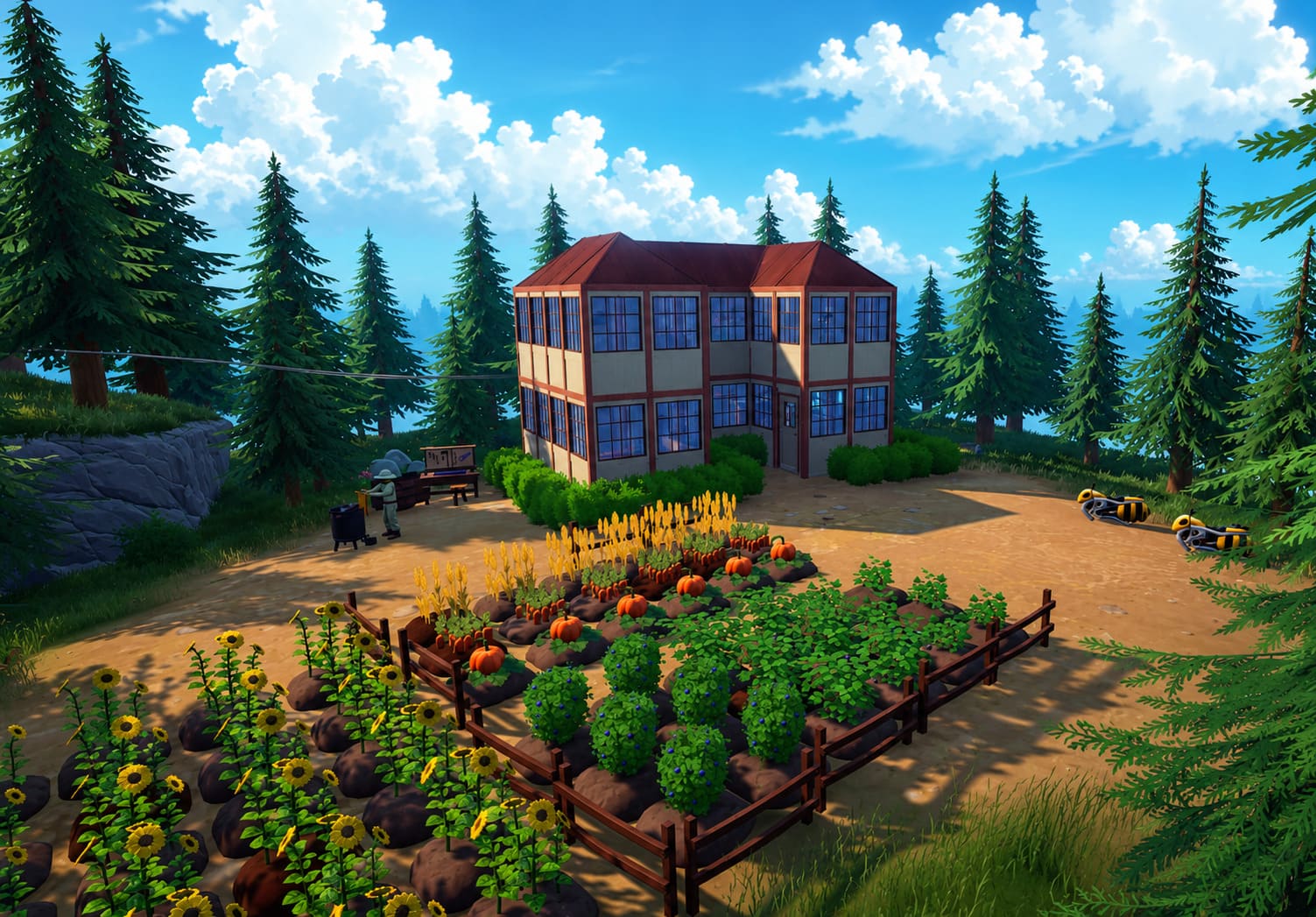
Every worker bee follows a simple routine:
- Leave the hive.
- Search for flowers.
- Gather pollen or nectar.
- Return home.
- Repeat.
That sounds simple, but every extra second spent flying around obstacles means less honey by the end of the day.
After rebuilding my base several times, I noticed that compact colonies dramatically outperformed larger, prettier settlements.
My recommendation: Build outward only after you’ve optimized what already exists.
Build Around the Hives, Not the Other Way Around
One habit that completely changed my production was making the hive the center of every expansion.
Instead of placing hives wherever empty space happened to exist, I began designing everything around them.
The result was immediate:
- Shorter travel routes.
- Fewer traffic jams.
- Faster harvesting.
- More consistent production.
Think of every hive as the heart of its own small ecosystem rather than another building on the map.
Keep Hive Entrances Completely Clear
This sounds obvious until you accidentally surround a hive with decorative fences, storage crates, or processing equipment.
Bees constantly enter and leave the colony.
If their path becomes cluttered, efficiency drops.
I now leave several empty tiles around every entrance because those few squares save an incredible amount of travel time over long sessions.
Sometimes removing one unnecessary object increased production more than building an entirely new hive.
Flowers Should Form Small Neighborhoods
One mistake I constantly see is creating giant flower fields on the opposite side of the island.
Sure, they look fantastic.
Unfortunately, your bees hate them.
Instead, I organize flowers into compact clusters around matching colonies.
Imagine every hive sitting inside its own colorful ring of blossoms.
This arrangement keeps bees working instead of commuting.
Match Flowers With the Right Colonies
As new bee species become available, simply planting random flowers stops being effective.
Different colonies perform better with different botanical environments.
I usually divide my island into specialized sections instead of mixing every flower together.
For example:
| Bee Type | Best Flower Strategy | Main Benefit |
|---|---|---|
| Wild Bees | Common flowers and berry plants | Stable early-game production |
| Hybrid Colonies | Large specialized flower patches | Better honey quality |
| Rare Bees | Dedicated premium flower gardens | Higher-value resources |
Keeping flower types separated also makes future expansion much easier.
Don’t Ignore Biomes
Unlocking additional floating islands is one of my favorite parts of the game.
Each biome feels different, and they’re more than cosmetic upgrades.
Certain environments naturally support specific bee populations much better than others.
Instead of forcing every hive into one massive headquarters, I gradually turned different islands into specialized production zones.
One became my hybrid breeding center.
Another focused entirely on resource gathering.
A third produced premium honey.
That specialization made managing everything far less stressful.
Automation Changes Everything
The early game is all about doing every job yourself.
Eventually, however, your goal should be making yourself almost unnecessary.
That’s when Island Beekeeper becomes incredibly satisfying.
Automation isn’t just convenient.
It’s the point where your colony truly starts feeling alive.
Whenever I unlock new automated systems, I immediately reorganize nearby buildings instead of simply placing new machines wherever space exists.
Processing stations, storage, workshops, and collection points should all stay close enough for automated workers to handle efficiently.
A poorly organized automated base often performs worse than a carefully managed manual one.
Upgrade Hives Before Expanding
One mistake I regret making was building too many basic hives.
At first it feels like more colonies automatically mean more resources.
Later you discover maintaining dozens of weak hives is much harder than operating several upgraded ones.
Higher-level hives provide multiple advantages.
Expansion upgrades include:
- Larger bee populations.
- Faster brood development.
- Increased internal storage.
- Better production efficiency.
Meanwhile, defensive upgrades become increasingly valuable as the world grows harsher.
Improved insulation, reinforced construction, and better protection keep colonies productive during difficult weather conditions.
Gathering Better Building Materials
Once basic wood is no longer enough, the game opens considerably.
Progress starts depending on exploration rather than simple gathering.
Some materials I always prioritize include:
- Refined glass.
- Processed lumber.
- Rare tree sap.
- Reinforced construction components.
Investing in upgraded workshops early saves enormous amounts of time later because every future hive requires increasingly sophisticated materials.
Hybrid Bees Are the Real Endgame
Breeding hybrid bees completely changed how I approached colony management.
Instead of endlessly producing standard honey, you’re suddenly chasing genetic combinations that unlock entirely new products.
This system rewards patience.
Throwing random bees together rarely produces exceptional results.
I found much better success by carefully selecting parents with complementary strengths.
Speed combined with productivity quickly became one of my favorite breeding goals.
High-level hybrids also deserve proper housing.
Trying to squeeze elite colonies into outdated starter hives often causes unnecessary problems that are easily avoided with timely upgrades.
Keep Production Balanced
One lesson every management game eventually teaches is that producing one resource faster than another usually creates bottlenecks.
Island Beekeeper is no exception.
Honey, pollen, wax, laboratories, and workshops all depend on each other.
If one stage slows down, the entire economy follows.
I constantly monitor whether I’m producing:

- Enough pollen.
- Enough nectar.
- Enough wax.
- Enough refined honey.
Whenever one category begins overflowing while another empties, it’s usually time to redesign part of the production chain.
Never Forget Your Tools
Buildings receive plenty of attention, but personal equipment deserves upgrades too.
A better smoker makes harvesting calmer and safer.
Improved tools reduce accidental damage during collection.
Maintaining equipment may seem like a minor expense, yet over dozens of hours it noticeably improves efficiency.
Small improvements stack surprisingly well in long management games.
Multiplayer Makes Base Planning Even Better
Playing alone is relaxing.
Playing with friends transforms Island Beekeeper into something completely different.
Rather than everyone doing a little of everything, I strongly recommend assigning clear responsibilities.
Here’s the structure my group eventually settled on.
| Role | Primary Focus | Why It Works |
|---|---|---|
| Apiarist | Colony health and breeding | Keeps production stable |
| Builder | Expansion and construction | Eliminates inefficient layouts |
| Botanist | Flowers and farming | Maintains continuous nectar supply |
| Explorer | Resource gathering and scouting | Brings home rare materials quickly |
The Medocycle Is More Valuable Than It Looks
Early in the game, I underestimated the medocycle.
Eventually it became my favorite exploration tool.
Rare flowers.
Unique queen bees.
Hidden resources.
New biome discoveries.
Almost all of my biggest production upgrades began with a scouting expedition rather than crafting inside the base.
Returning home with entirely new genetic lines feels incredibly rewarding and constantly gives you reasons to redesign your apiary.
Island Beekeeper Bee Crossbreeding Combinations Guide: How to Breed Hybrid Bees (2026 Game)
My Personal Tips After Many Hours
If I started a brand-new save today, I’d follow these rules from the beginning.
- Build compact instead of building big.
- Upgrade quality before increasing quantity.
- Keep flowers close to matching colonies.
- Leave open space around hive entrances.
- Automate only after organizing production lines.
- Specialize different islands whenever possible.
- Treat hybrid breeding as your long-term objective.
Those habits saved me countless hours rebuilding inefficient settlements later.
Island Beekeeper Queen Bee Guide: Ultimate Care, Spawning, and Crossbreeding Tips (2026)
Final Thoughts
Island Beekeeper surprised me far more than I expected. Behind its relaxing visuals lies a thoughtful management simulator where smart planning consistently beats simply expanding as fast as possible.
The game rewards players who pay attention to small details. A few tiles of extra distance, poorly positioned flowers, or neglected hive upgrades might seem insignificant on their own, but together they can dramatically slow your entire operation.
For me, the most enjoyable part isn’t watching honey production numbers climb—it’s gradually transforming a handful of basic hives into a thriving aerial ecosystem that runs almost entirely on its own. Every new biome, hybrid bee, and optimized production line feels like another piece of a carefully crafted machine.
If you’re aiming to build the ultimate floating apiary in Island Beekeeper, focus on efficiency first and decoration second. Once your colonies are flying smooth routes, your automation is humming along, and your hybrid bees are producing premium honey without constant micromanagement, you’ll have an island that’s not only beautiful to look at but also one of the most productive beekeeping empires in the skies.


