Virtua Fighter Crossroads Story Mode: How SEGA and RGG Studio Are Revolutionizing the Single Player Campaign
If you’ve spent years grinding frame data in Virtua Fighter, you already know the franchise was never about flashy storytelling. It was about precision, discipline, and that cold arcade purity where every input matters more than any cutscene ever could. So when SEGA and RGG Studio showed up at Summer Game Fest 2026 and basically said, “Yeah, we’re turning this into a narrative-driven open-world fighter hybrid,” my first reaction wasn’t hype—it was suspicion.
Then the details started landing. And honestly? It’s hard not to lean in.
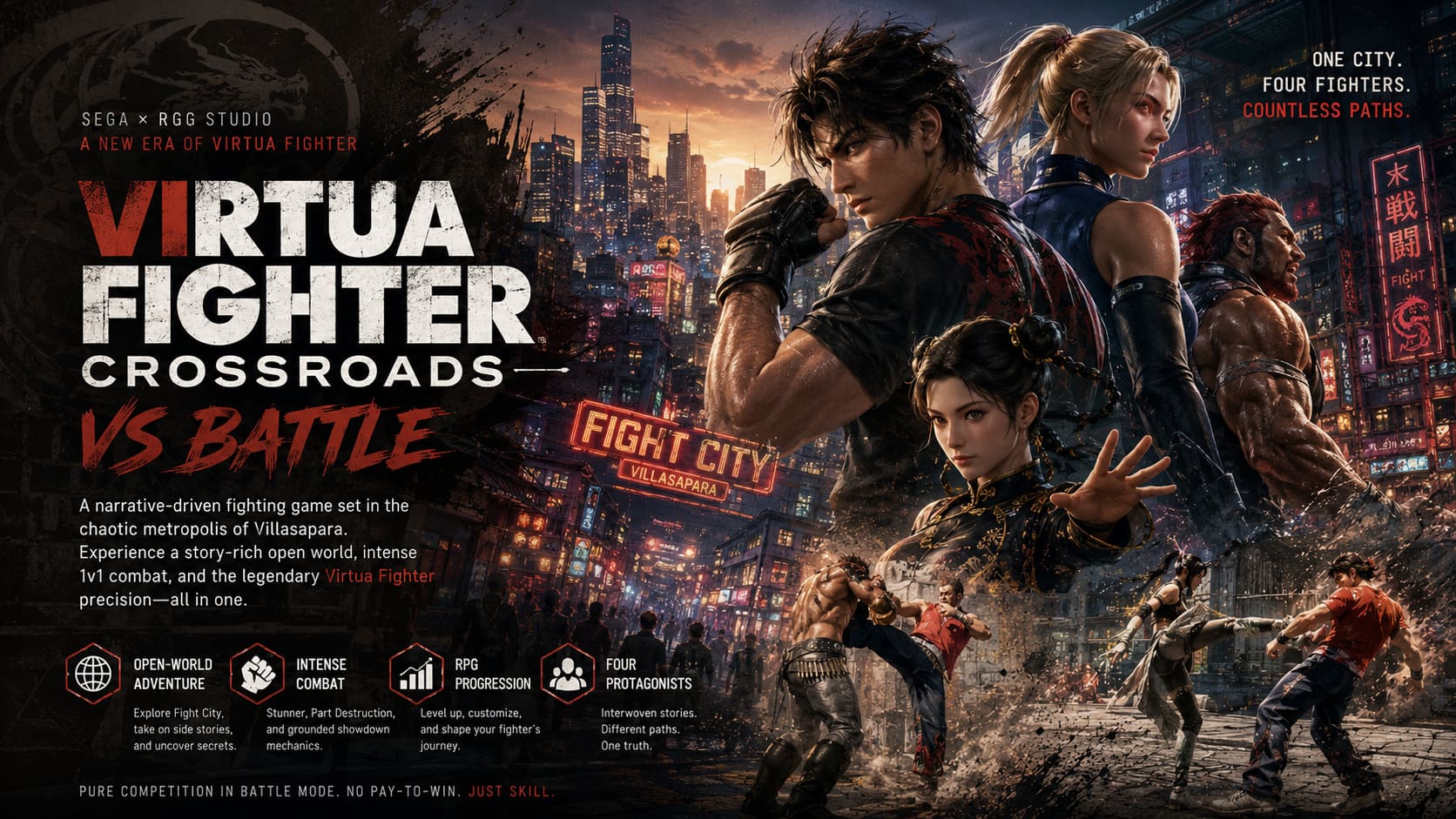
Virtua Fighter Crossroads isn’t just a sequel. It feels like someone cracked the franchise open and asked what happens if you inject it with RGG Studio’s obsession with grounded human drama, messy cities, and characters who feel like they’ve lived a whole life before you even pick up the controller. The result is a fighting game that still respects its competitive roots but also wants to be something way bigger, way louder, and frankly way more chaotic in a good way.
A Fighting Game That Refuses to Stay in Its Lane
The core split in Crossroads is probably the most important design decision SEGA has made in decades for this series. On one side, you still get the pure competitive Battle Mode—the tight, no-nonsense Virtua Fighter experience built for purists who care about spacing and punishment windows more than anything else.
But the real curveball is the Crossroads-Style Adventure campaign. This isn’t a menu-driven story mode with a few cutscenes stitched between fights. It’s an entire living ecosystem built around an open structure called Fight City, set in the sprawling metropolis of Villasapara.
And yeah, Villasapara doesn’t feel like a typical fighting game backdrop. It’s more like a crime drama sandbox where every alley has a story and every district feels like it’s hiding three layers of corruption and at least one underground fight ring.
Villasapara Feels Like RGG Studio Went Full Madness Mode
You can tell immediately this is RGG territory. The city isn’t just scenery—it’s the entire point. Villasapara is a Southeast Asian megacity where corporate power, underground martial arts networks, and street-level survival collide in a constant pressure cooker.
The design is deliberately messy in a way that feels intentional. One moment you’re walking through neon-lit entertainment districts packed with side quests and NPC drama, the next you’re in a walled-off elite zone where everything feels too clean to be trustworthy. Then you drop into back-alley fights where half the combat system suddenly feels like a brawler instead of a traditional 1v1 fighter.
It’s almost like Virtua Fighter got dropped into a Like a Dragon universe and adapted to survive.
Four Protagonists, No Safe Perspective
Instead of forcing a single hero narrative, Crossroads uses an omnibus structure built around four protagonists whose stories constantly collide and diverge. That alone already changes how you think about a fighting game campaign.
The first revealed character, Cielo, feels like your entry point. He’s a grounded MMA-boxing hybrid fighter who gets dragged into chaos after refusing to throw a rigged match. It’s a classic “wrong place, wrong time” setup, but it works because the game treats him like a real person, not a tournament avatar.
Then there’s Stella Bridge, who fans initially mistook for Sarah Bryant. That confusion alone says a lot—SEGA is clearly playing with legacy expectations while building something new underneath. The remaining two protagonists haven’t been fully detailed yet, but the structure suggests their arcs will twist into each other in ways that force multiple playthroughs if you want the full picture.
And that’s the hook: this isn’t one clean story. It’s a web.
Combat Still Matters—It’s Just Wearing a New Jacket
Let’s be clear: this isn’t a situation where the fighting mechanics got dumbed down for story purposes. If anything, RGG Studio seems obsessed with making combat feel heavier and more grounded.
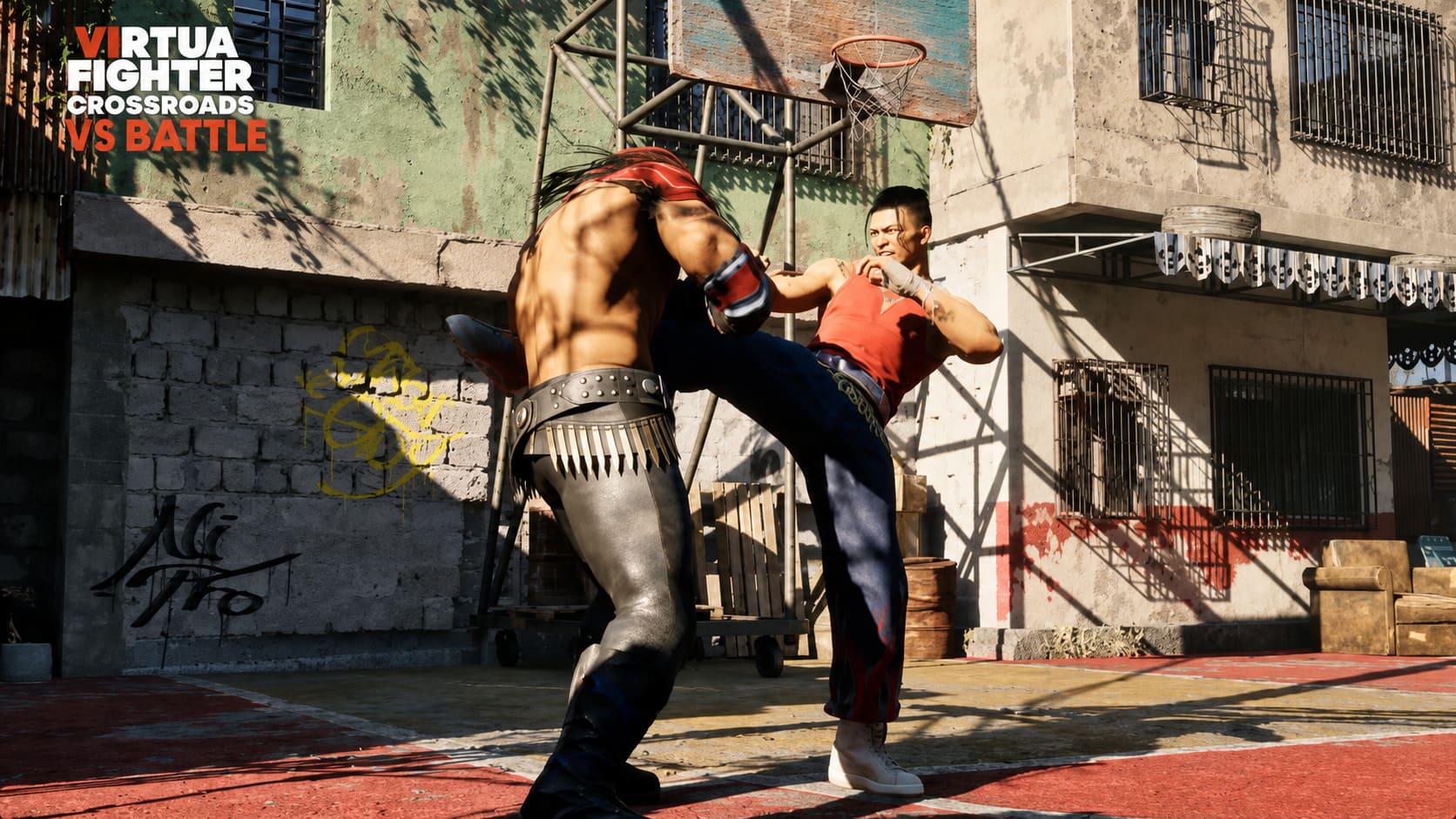
The Unreal Engine 5 upgrade is doing a lot of visual lifting here. Hits feel dense, defensive movement looks more deliberate, and there’s a noticeable shift away from exaggerated juggling combos toward grounded exchanges that punish mistakes fast.
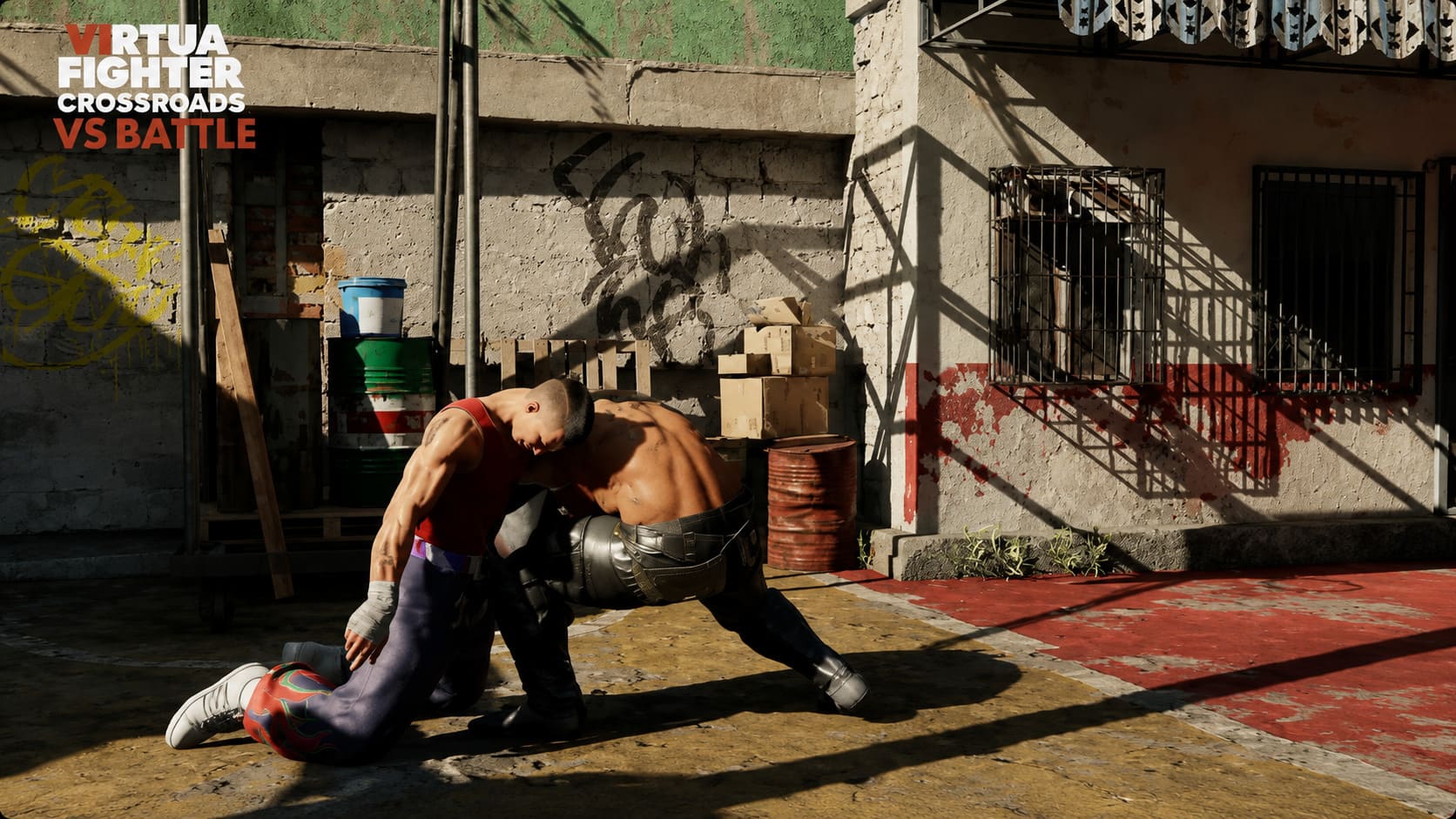
Key systems introduced
- Stunner mechanic: forcing opponents into vulnerable crouched states for follow-ups
- Part Destruction system: localized damage that visually and mechanically impacts fights
That second one is especially wild. You’re not just draining a health bar—you’re watching fights physically deteriorate in specific zones. It adds this uncomfortable realism that makes every exchange feel a bit more personal than previous entries.
And yet, SEGA is smart enough not to break competitive integrity. Everything tied to RPG progression is locked out of Battle Mode. So yes, you can become a walking narrative powerhouse in story mode, but ranked play stays clean, equal, and brutally fair.
The Open-World Loop Changes Everything
What really separates Crossroads from traditional fighting games is how it treats progression. Instead of isolated fights, you’re moving through Fight City as a living space.
You explore districts, pick up side stories, get pulled into random encounters, and occasionally stumble into full-scale street brawls that feel closer to a beat-’em-up than a duel. Then, without warning, it snaps back into pure 1v1 fighting mechanics.
That transition sounds messy on paper, but it’s actually where RGG’s experience shines. They’ve basically built a rhythm between exploration and combat that keeps the pacing unpredictable in a way fighting games rarely attempt.
RPG Growth Without Breaking the Fighter DNA
There’s also a full progression system layered on top of everything. You level up, improve stats, unlock customization options, and gradually shape your fighter’s identity through playstyle and choices.
But the key detail is restraint. This isn’t turning Virtua Fighter into an MMO stat grind. It’s more like subtle growth that smooths out accessibility without erasing the core mechanical depth.
System overview
| System | Function | Impact |
|---|---|---|
| RPG Stats | Character growth through story | Improves accessibility |
| Cosmetics | Visual identity changes | Reflects narrative choices |
| Side Stories | Character-driven missions | Expands world lore |
| Street Encounters | Open-world combat | Blends brawler + fighter gameplay |
What’s interesting is how the game uses progression to onboard players who normally wouldn’t touch a technical fighter. It’s almost like SEGA is trying to widen the gate without lowering the ceiling.
Legacy Fighters Aren’t Gone—They’ve Just Grown Up
One of the smartest moves here is how classic Virtua Fighter characters are handled. Akira Yuki, Pai Chan, Wolf Hawkfield—they’re all still present, but not as static icons frozen in time.
They’ve aged. They’ve evolved. They’ve moved on.
Pai Chan running a restaurant instead of chasing tournament glory is the kind of detail that hits harder than any nostalgic cameo ever could. It suggests a world where fighting didn’t stop existing—it just stopped being the center of everyone’s life.
That alone gives Crossroads a strange emotional weight that older entries never aimed for.
Final Thoughts: A Risk That Actually Feels Earned
Virtua Fighter Crossroads is doing something risky, but not reckless. It’s not abandoning its identity—it’s stress-testing it against an entirely different design philosophy.
RGG Studio brings narrative density and urban chaos. SEGA brings mechanical discipline and legacy fighting depth. Somewhere in between, you get a game that might finally answer a long-standing question: what if a fighting game actually let you live inside its world instead of just visiting it for matches?
Will it land perfectly? That’s impossible to predict. But for the first time in a long time, Virtua Fighter doesn’t feel like it’s just preserving itself. It feels like it’s trying to evolve—even if that evolution gets messy.
And honestly, that mess might be exactly what the series needed.