Resonance A Plague Tale Legacy Sophia: Full Origin Story and Lore Breakdown
There are some game characters who feel like they were always meant to have their own story. Sophia is absolutely one of them. When she first appeared in A Plague Tale: Requiem, I immediately liked her because she wasn’t another helpless survivor waiting for Amicia to save the day. She was confident, sarcastic, capable, and clearly hiding years of experience behind that pirate-captain attitude.
So when Resonance: A Plague Tale Legacy puts Sophia in the center of the story, fifteen years before Requiem, I honestly think it is one of the most interesting directions Asobo Studio could have taken.
Instead of giving us another chapter about Amicia and Hugo, the game asks a much more interesting question: who was Sophia before she became the woman we knew in Requiem?
The answer is considerably darker than I expected.
Set in 1333, Resonance: A Plague Tale Legacy takes Sophia away from medieval France and throws her onto the mysterious island of Crete. Here, her family history, ancient Minoan mythology, the Macula, and the legend of the Minotaur become pieces of one much larger mystery.
And personally, this is what has me most excited. This doesn’t feel like a simple spin-off. It looks like Asobo is using Sophia’s story to dig into the ancient roots of A Plague Tale’s mythology.
Sophia Before Requiem Is a Very Different Character
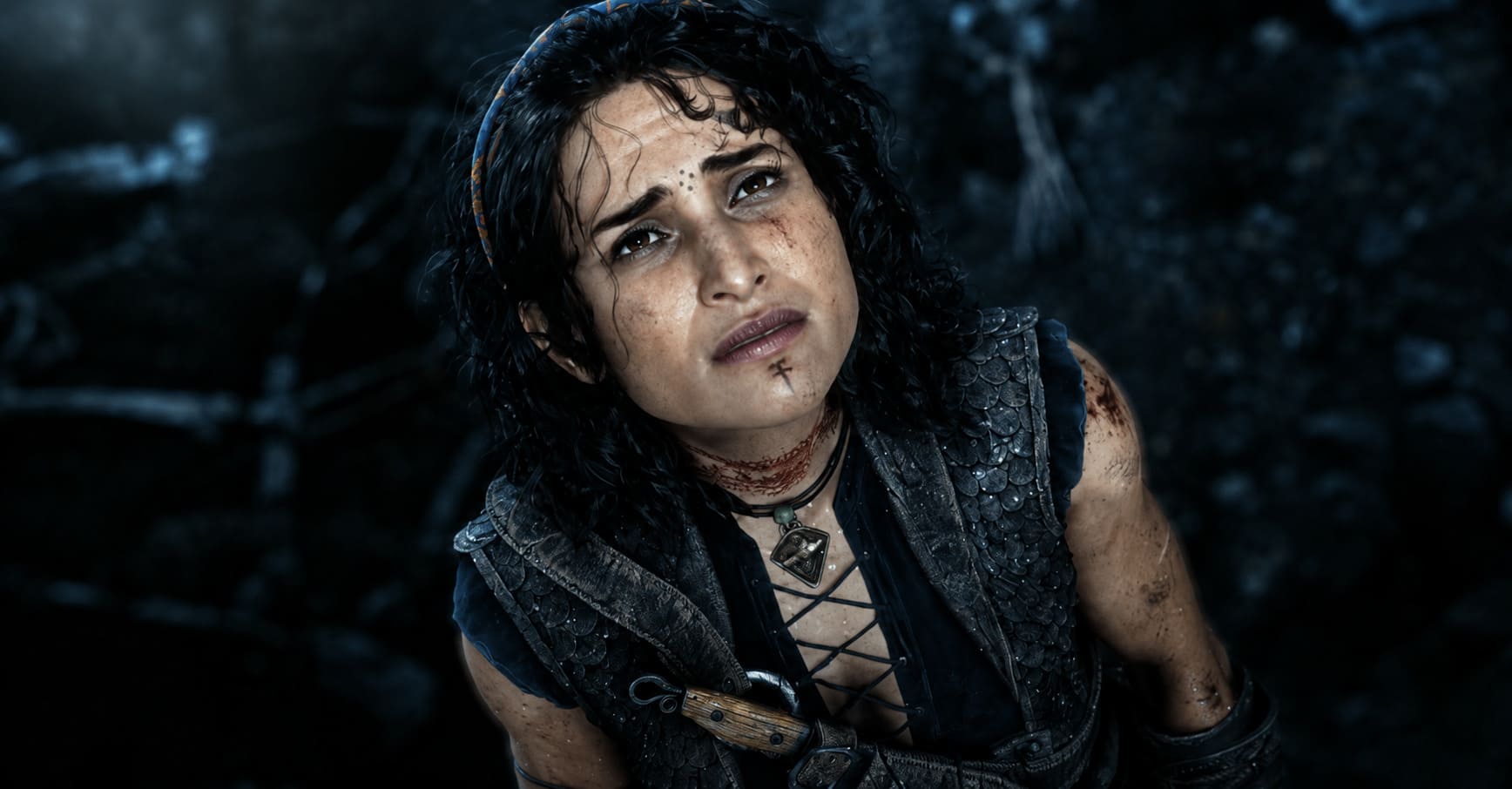
The Sophia we knew in A Plague Tale: Requiem was already tough. She had survived dangerous situations, knew how to deal with criminals, and wasn’t afraid to get her hands dirty.
But younger Sophia is something else entirely.
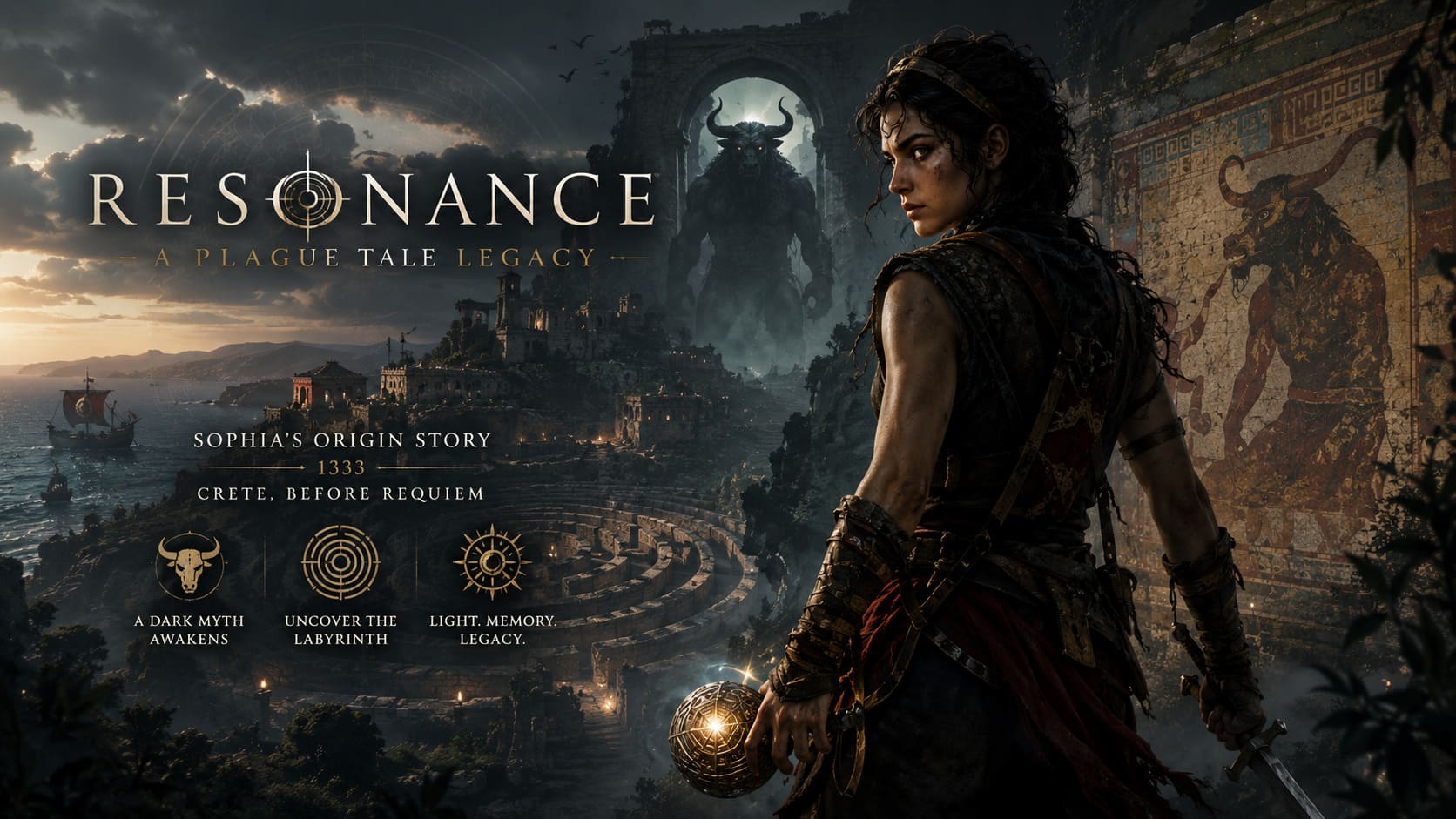
She wasn’t shaped by a comfortable childhood before tragedy suddenly arrived. Violence was basically her normal life.
Sophia grew up around a brutal bandit gang led by her father. That background explains a lot about the character we eventually meet in Requiem. Her confidence, her instincts, her willingness to fight and her ability to read dangerous people all make considerably more sense when you understand where she came from.
And I actually like this approach to her character.
The game isn’t trying to turn Sophia into another version of Amicia. In fact, the contrast between them is one of the strongest things about this prequel.
Amicia was forced to become a fighter because circumstances left her no choice. Sophia learned how to survive because that was the world she was born into.
That difference completely changes how she behaves.
At the beginning of Resonance, Sophia is already an experienced fighter and thief. She’s aggressive, impulsive and considerably less interested in playing by anybody else’s rules.
Yet underneath that hard exterior is someone desperately trying to understand her own past.
Sophia’s Core Character Traits
- Experienced: She has been fighting and surviving since childhood.
- Rebellious: Sophia doesn’t naturally trust authority or follow orders.
- Protective: Her rough personality hides a strong instinct to protect people she cares about.
- Haunted: Strange visions and her father’s unfinished business continue to follow her.
- Driven: Finding the truth about her family becomes more important than simple survival.
That last point is especially important because Resonance isn’t just an adventure about finding treasure.
The treasure is the bait.
The real story is Sophia discovering what her family was involved in.
The Mystery That Takes Sophia to Crete
Sophia’s journey begins with something much more personal than a simple treasure hunt.
For years, she has experienced strange dreams and visions connected to ancient battles, mysterious ruins and a world that seems completely disconnected from her own time.
Then her father’s death changes everything.
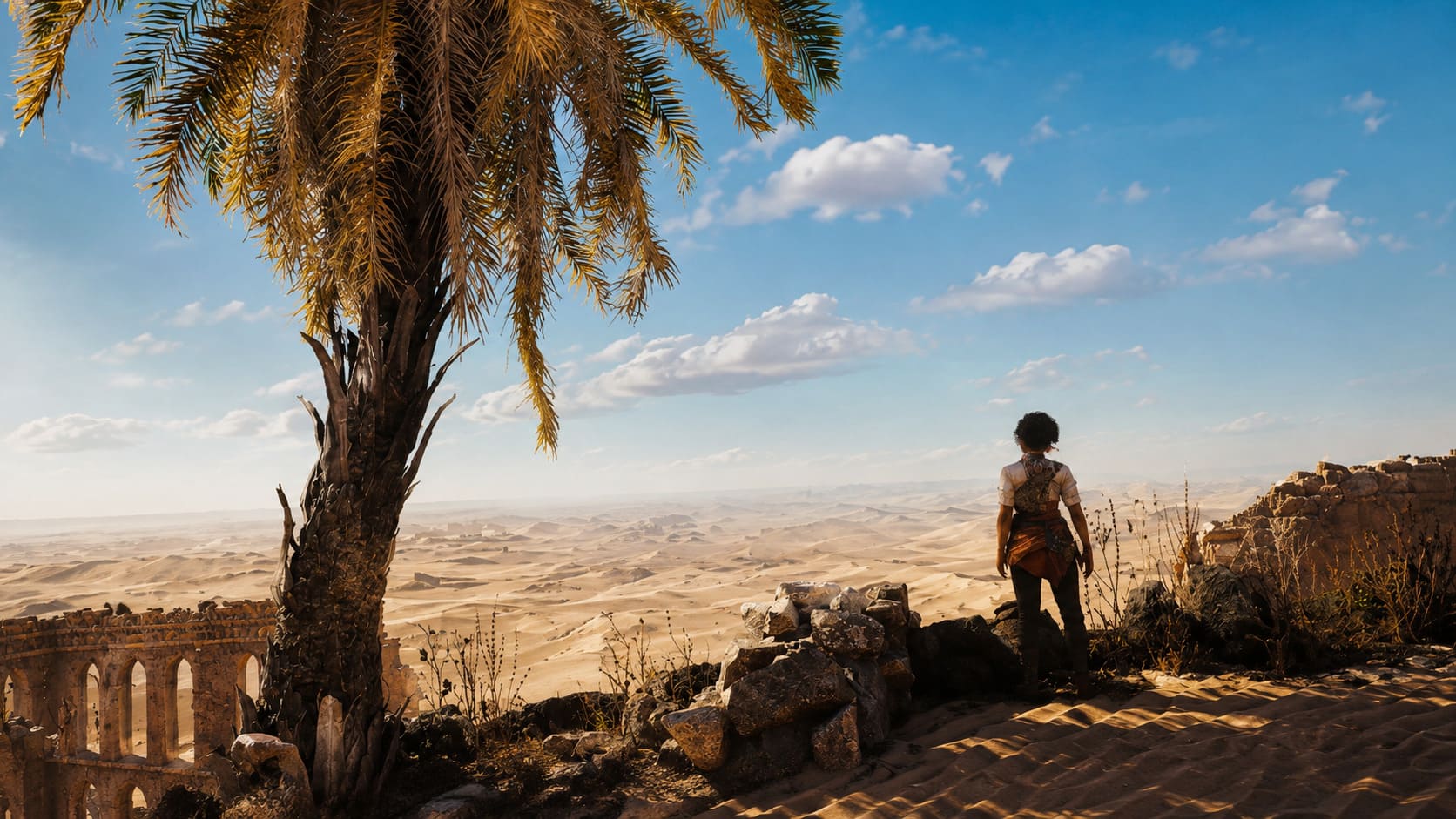
Sophia discovers that her father and his crew had been searching for a legendary treasure connected to the ancient civilization of Crete. Naturally, this is exactly the sort of thing that would make a character like Sophia investigate rather than walk away.
She travels to the island with Leni, hoping to uncover the truth behind her father’s final obsession.
Unfortunately, she isn’t the only person looking for the treasure.
An army is pursuing Sophia, while former members of her father’s crew create another dangerous threat. What begins as a personal investigation quickly turns into a fight for survival.
And then Crete reveals that there is something much worse waiting underneath its ruins.
The Minotaur Is More Than an Old Legend
This is probably the part of Resonance: A Plague Tale Legacy that grabbed my attention the most.
The game takes one of the most recognizable myths in Greek history — the Minotaur and the Labyrinth — and connects it to the supernatural mythology of A Plague Tale.
The Minotaur isn’t simply a monster from an old story.
It is a genuine supernatural threat.
As Sophia explores the island, the creature begins stalking her through ancient ruins and labyrinthine locations. Its presence creates a completely different type of horror from the rat swarms of Innocence and Requiem.
And that’s important.
The rats were terrifying because they felt like an unstoppable force of nature. The Minotaur, meanwhile, appears to be something much more deliberate. It hunts. It watches. It reacts.
That makes the encounters feel far more personal.
I also think this is a clever way of keeping the horror identity of A Plague Tale intact without simply repeating the same formula.
The Macula Goes Much Further Back Than We Thought
If you were hoping that Resonance would finally explain more about the Macula, this is where things become particularly interesting.
The previous games gave us pieces of information about the Macula and its relationship with the carriers, but the mythology always felt much larger than the stories of Amicia and Hugo.
Resonance appears to take that idea literally.
The game suggests that the supernatural phenomenon has roots stretching back thousands of years, long before the medieval events we already know.
That is where the ancient Minoan timeline becomes extremely important.
Rather than simply showing ancient ruins through environmental storytelling, the game allows players to experience events from the distant past directly.
The Dual Timeline Is One of the Game’s Biggest Ideas
This is one of the mechanics I was initially skeptical about, but the more I think about it, the more sense it makes.
Resonance: A Plague Tale Legacy moves between two different historical periods:
| Timeline | Character | Purpose |
|---|---|---|
| 1333 | Sophia | Investigates the island, her family and the mysterious treasure |
| Ancient Minoan Era | Theseus | Experiences the events behind the legend of the Labyrinth |
| 1333 | Sophia | Uses knowledge and artifacts from the past to survive |
| Ancient Era | Theseus | Reveals the origins of the supernatural threat |
The ancient sections put players in control of Theseus, turning one of Greek mythology’s most famous heroes into an actual playable character.
That is a huge departure for the series.
Instead of simply telling us that something happened thousands of years ago, Asobo can actually show us the events and allow players to understand how the myth was created.
And if you’re anything like me, that’s the kind of lore expansion that makes a prequel worthwhile.
The Minoan Sphere and the Power of Light
One of Sophia’s most important discoveries is the Minoan Sphere.
This strange artifact isn’t simply another key required to open a door. It is closely connected to the ancient technology found throughout the island.
The ruins contain mechanisms that manipulate light, and Sophia can use the sphere to interact with these systems.
This gives exploration a very different flavor compared with the earlier games.
Instead of simply hiding from danger, players have to understand the environment and manipulate ancient mechanisms while trying to stay alive.
The idea of light versus darkness also fits the franchise surprisingly well.
A Plague Tale has always been interested in the relationship between safety and danger. Light was historically one of the few ways to keep the rats away. In Resonance, that concept appears to evolve into something much more mysterious.
Light isn’t just protection.
It becomes part of the ancient machinery designed to contain something far worse.
Sophia’s Combat Is a Major Change
Let’s talk about the other obvious difference: combat.
If you played A Plague Tale: Innocence or Requiem, you know that Amicia wasn’t exactly a traditional action-game protagonist. She could fight, but stealth, positioning and clever use of equipment were usually more important than standing toe-to-toe with heavily armed enemies.
Sophia doesn’t have that problem.
She’s a fighter.
Resonance therefore introduces a much more aggressive combat system influenced by games such as Ghost of Tsushima, Sekiro: Shadows Die Twice and Sifu.
Sophia carries a short sword and dagger, and the two weapons have different purposes.
The sword is primarily used for defense, blocking and parrying. Once an opponent’s defenses are broken, Sophia can finish them using her dagger.
The game also introduces a stun system based around successful parries.
Three consecutive well-timed parries can completely fill an enemy’s stun meter, creating an opening for a lethal execution.
That sounds simple on paper, but I suspect this is where the combat will separate players who panic from players who actually learn the rhythm.
And honestly, that’s exactly what Sophia’s character needs.
She shouldn’t fight like Amicia.
She should fight like someone who has spent her entire life surviving among criminals.
Agility Is Just as Important as the Sword
Combat isn’t limited to standing in front of enemies and parrying attacks.
Sophia is highly mobile, and the game gives her tools that allow her to move around the environment quickly.
Her agility and grappling hook allow her to:
- Reach elevated areas.
- Flank enemies.
- Escape dangerous encounters.
- Move through vertical environments.
- Create new opportunities during combat.
This is another place where Resonance seems determined to make Sophia feel mechanically different from previous protagonists.
The result should hopefully be a much faster game.
Leni and the Human Side of Sophia
While the mythology and combat are obviously major selling points, I don’t want the human side of the story to get lost.
Sophia travels with Leni, her close friend, and their relationship gives the protagonist someone to interact with beyond the mysteries of Crete.
That’s important because Sophia’s story isn’t supposed to be just another monster-hunting adventure.
At its heart, it is about family.
Sophia is trying to understand her father, his decisions, his obsession with the treasure and the world he left behind.
The irony is that the deeper she goes into his history, the more dangerous that history becomes.
And that’s exactly the kind of tragic storytelling I’ve come to expect from A Plague Tale.
Resonance A Plague Tale Legacy Full Story Explained: The Ending and Lore Connections Revealed
Why Sophia’s Origin Story Matters
The easiest way to describe Resonance: A Plague Tale Legacy would be “Sophia gets her own game.”
I think that’s underselling it.
The real purpose of this prequel is to expand the mythology of the entire franchise.
Sophia’s journey connects:
Ancient Crete → The Minoan civilization → Theseus → The Minotaur → The Macula → Sophia’s bloodline → The events of A Plague Tale
That is a pretty ambitious chain of connections.
It also makes Sophia much more important to the overall mythology than she initially appeared to be.
She wasn’t simply a pirate captain who happened to help Amicia and Hugo.
Her own family history appears to be connected to something ancient and dangerous that existed long before the de Rune family entered the story.
Is Resonance: A Plague Tale Legacy on Game Pass Ultimate? Subscription Guide & Day One Details
Final Thoughts
What I appreciate most about Resonance: A Plague Tale Legacy is that Asobo didn’t simply take the safest possible route.
A sequel centered around Amicia would have been predictable. Another story about medieval France and plague-infested rats would have been familiar.
Instead, the studio takes Sophia — one of the most memorable supporting characters from Requiem — and completely rebuilds the experience around her personality.
The result is a game that combines medieval survival, Greek mythology, ancient Minoan history and supernatural horror.
More importantly, Sophia finally gets the chance to become the protagonist she always deserved to be.
Her younger self is angry, reckless and dangerous, but the woman we eventually meet in Requiem is clearly hiding years of pain and experience. Seeing the events that shaped her makes that later version of Sophia more meaningful.
And if the game successfully explains how the ancient Minoan story connects to the Macula, it could end up being much more than a character prequel.
It could become one of the most important lore chapters in the entire A Plague Tale universe.
For me, that’s the real reason to play Resonance. Not just to see Sophia swinging a sword or fighting a Minotaur, but to finally discover what kind of person she had to become before she could become the Sophia we already knew.