Imperial Ambitions Logistical Guide: How to Master Resource Transportation, Roads, and Docks
When most players boot up Imperial Ambitions, they immediately start dreaming about conquering continents, recruiting elite armies, and painting the map in their nation’s colors. I did exactly the same thing during my first campaign. A few hours later, my supposedly mighty empire was broke, my factories were idle, and my colonies were producing mountains of resources that never reached my capital.
That’s when I realized something important: Imperial Ambitions isn’t really a war game. It’s a logistics game wearing a grand strategy costume.
If you want to dominate the Age of Discovery, infrastructure matters more than armies. Roads, docks, shipping routes, and resource transportation are the invisible engines powering every successful nation in the game.
This guide explains exactly how transportation works and why mastering logistics is the key to building an unstoppable empire.
Why Logistics Matter More Than Expansion
A lot of strategy games treat resources like abstract numbers. Capture a province with iron, and suddenly your entire empire has more iron. That’s not how Imperial Ambitions works.
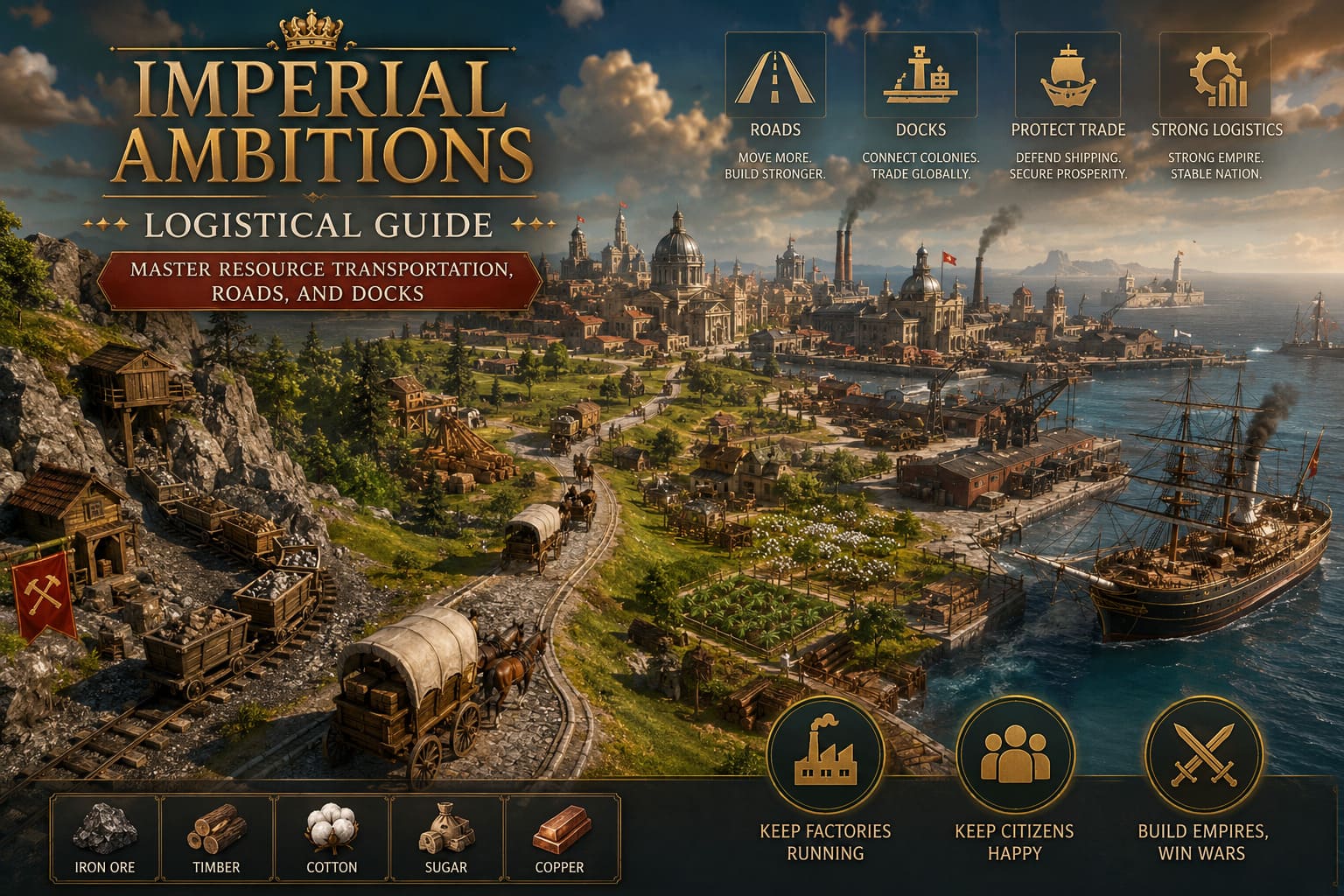
Resources physically exist on the map.
A lumber camp produces timber on its own tile. A mountain mine extracts ore at its specific location. A plantation harvests sugar or cotton where it’s built.
Those goods don’t magically teleport.
They need transportation.
No transportation means no production.
This single mechanic changes the entire way you approach expansion.
A giant colony on the other side of the world might look impressive, but if its resources can’t reach your capital, it’s basically an expensive decoration.
Meanwhile, a smaller nation with efficient infrastructure can become an economic monster.
Understanding the Capital’s Role
The capital city is the beating heart of your empire.
Almost every advanced production chain depends on resources arriving there.
| Raw Material | Processed Into | Final Use |
|---|---|---|
| Iron Ore | Steel | Weapons, Machinery |
| Timber | Construction Materials | Buildings, Ships |
| Cotton | Textiles | Consumer Goods |
| Sugar | Luxury Products | Population Happiness |
| Copper | Industrial Components | Advanced Manufacturing |
Think of the capital as one giant industrial machine.
If resources stop flowing into it, the entire economy starts falling apart.
- Factories slow down.
- Luxury goods disappear.
- Citizens become unhappy.
- Military production collapses.
Everything is connected.
Roads Are the Real Backbone of Your Empire
The first lesson every new player learns is painfully simple:
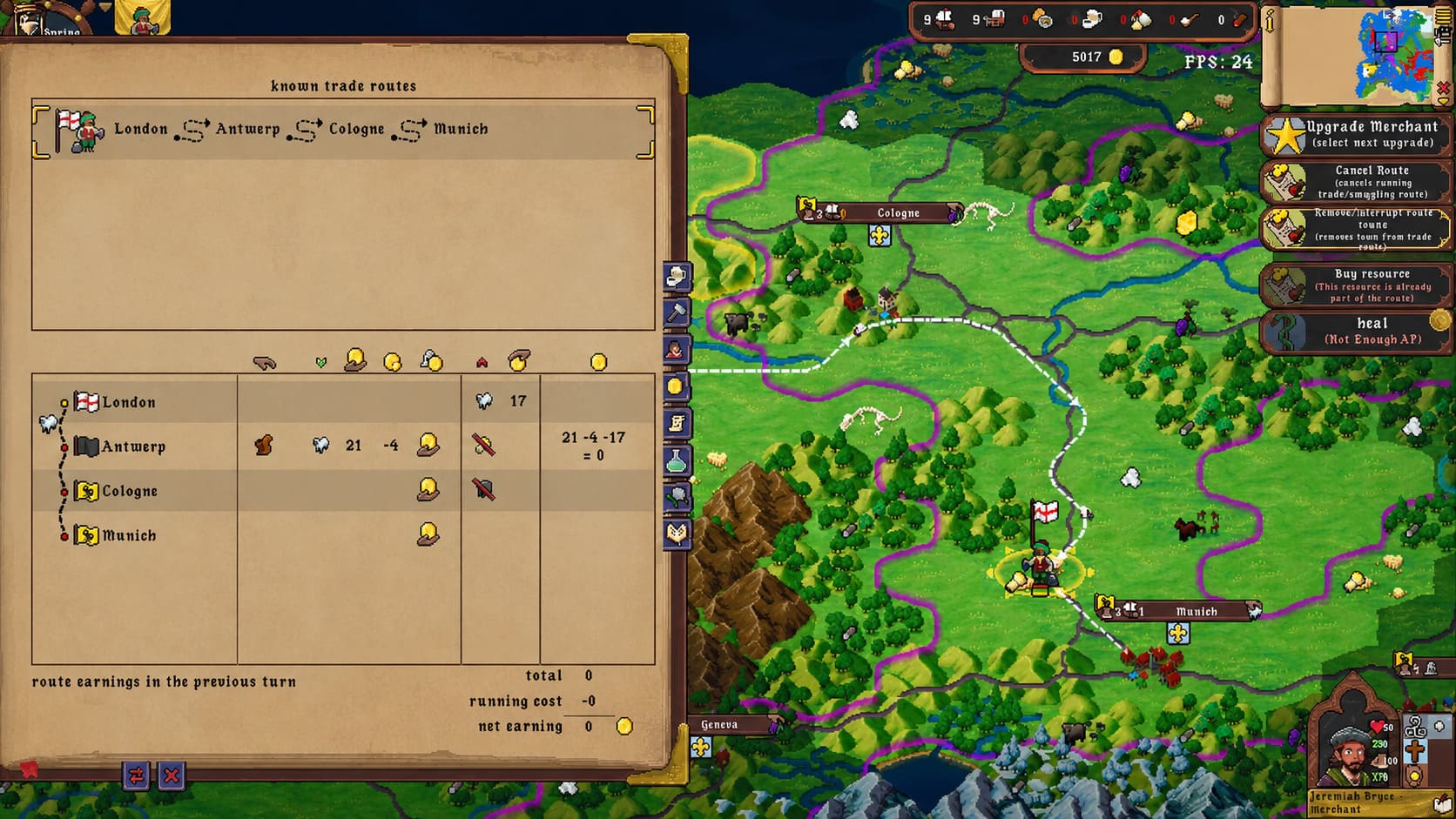
Always build roads.
Every time you discover a valuable resource deposit, your next action should be connecting it to your transportation network.
Ignoring roads is basically throwing money away.
Basic Roads Have Serious Limitations
Early roads aren’t particularly efficient.
A dirt road may only transport a tiny amount of cargo every turn.
That sounds fine at first, until your mines and plantations start producing more resources than the road can carry.
Then the bottlenecks begin.
- 6 units of timber production
- 2 units of transport capacity
- 4 units sitting uselessly in storage
Those extra materials simply pile up and eventually stop generating value.
I made this mistake during my second campaign and spent nearly twenty turns wondering why my economy wasn’t growing despite controlling half the continent.
The answer was embarrassingly simple:
My roads were terrible.
Upgrade Infrastructure Constantly
Higher-tier roads dramatically improve logistics.
| Road Tier | Transport Capacity | Strategic Value |
|---|---|---|
| Dirt Road | Low | Early Expansion |
| Improved Road | Medium | Regional Trade |
| Stone Road | High | Industrial Centers |
| Advanced Highway | Very High | Empire-Wide Logistics |
Investing in better roads may feel expensive at first, but the economic payoff is enormous.
Improved transportation means:
- Faster resource delivery.
- Higher factory efficiency.
- Better military mobility.
- Greater population stability.
In many campaigns, upgrading roads is more valuable than constructing another army.
Military Operations Depend on Infrastructure
This surprised me the most.
Roads don’t only transport goods.
They move armies.
When enemy nations invade or rebellions break out, developed infrastructure becomes a strategic weapon.
A high-quality road network allows your forces to reinforce borders quickly, redeploy armies across the country, respond to emergencies, and launch faster invasions.
I’ve won several wars simply because my troops reached the battlefield faster than my opponent’s.
Logistics wins wars.
History proved it, and Imperial Ambitions absolutely agrees.
Docks: Where Empires Become Global Powers
Eventually, every successful nation outgrows its homeland.
The real money lies overseas.
- Cotton plantations
- Sugar islands
- Tea colonies
- Exotic resources
None of them matter without ports.
This is where docks become incredibly important.
How Docks Work
Docks serve as the bridge between land transportation, ocean shipping, and capital delivery.
Resources move from colonial production centers into ports, where ships transport them back home.
The entire overseas economy depends on this system functioning properly.
A weak dock can cripple an otherwise wealthy colony.
Upgrade Ports Aggressively
Higher-tier docks provide major advantages.
| Dock Level | Storage Capacity | Shipping Efficiency |
|---|---|---|
| Small Harbor | Low | Basic Trade |
| Port | Medium | Reliable Shipping |
| Commercial Dock | High | Heavy Cargo |
| Grand Naval Port | Massive | Global Trade Hub |
Large colonies generate incredible amounts of resources.
If your docks can’t handle the traffic, everything starts backing up.
I’ve seen entire colonial economies grind to a halt because one underdeveloped port couldn’t process incoming cargo.
Never underestimate maritime infrastructure.
Protect Your Shipping Lanes
Overseas trade isn’t completely safe.
Your shipping network faces several dangers:
- Enemy fleets
- Piracy
- Economic sabotage
- Blockades
- Smuggling operations
A disrupted trade route can cause immediate shortages back home.
Factories suddenly stop working. Luxury goods disappear. Military production slows down. Your economy enters crisis mode almost overnight.
This is why maintaining escort fleets is so important.
Trade ships make money. Warships protect the money.
You need both.
Resource Abundance Changes Everything
The best feeling in Imperial Ambitions happens when your logistics network finally clicks.
Resources start flooding into the capital. Warehouses overflow. Factories run continuously. Production chains become incredibly efficient.
At this stage, you gain something even more valuable than money:
Labor freedom.
Move Workers into Advanced Industries
When basic resources become plentiful, you no longer need huge numbers of citizens working low-value jobs.
Instead, you can move people into manufacturing, heavy industry, luxury production, artisanal workshops, and specialized services.
This economic transformation is crucial because your population evolves over time.
As education rises, citizens demand more sophisticated goods.
- Books
- Art
- Fine clothing
- Luxury products
- Advanced services
If your economy cannot provide these goods, unrest starts spreading rapidly.
Social Stability Depends on Logistics
This might be my favorite design decision in the game.
Infrastructure directly affects society.
Poor logistics lead to:
| Problem | Consequence |
|---|---|
| Resource Shortages | Production Collapse |
| Lack of Luxury Goods | Unhappy Population |
| Economic Inequality | Riots |
| Food Problems | Refugees |
| Industrial Failure | Population Decline |
The game constantly reminds you that economics and politics are deeply connected.
A nation with excellent infrastructure becomes rich. A rich nation stays stable. A stable nation becomes powerful.
Imperial Ambitions Best Nation: Top European Superpowers Ranked for Strategy Fans
Automation vs Manual Management
Managing a huge empire could easily become overwhelming.
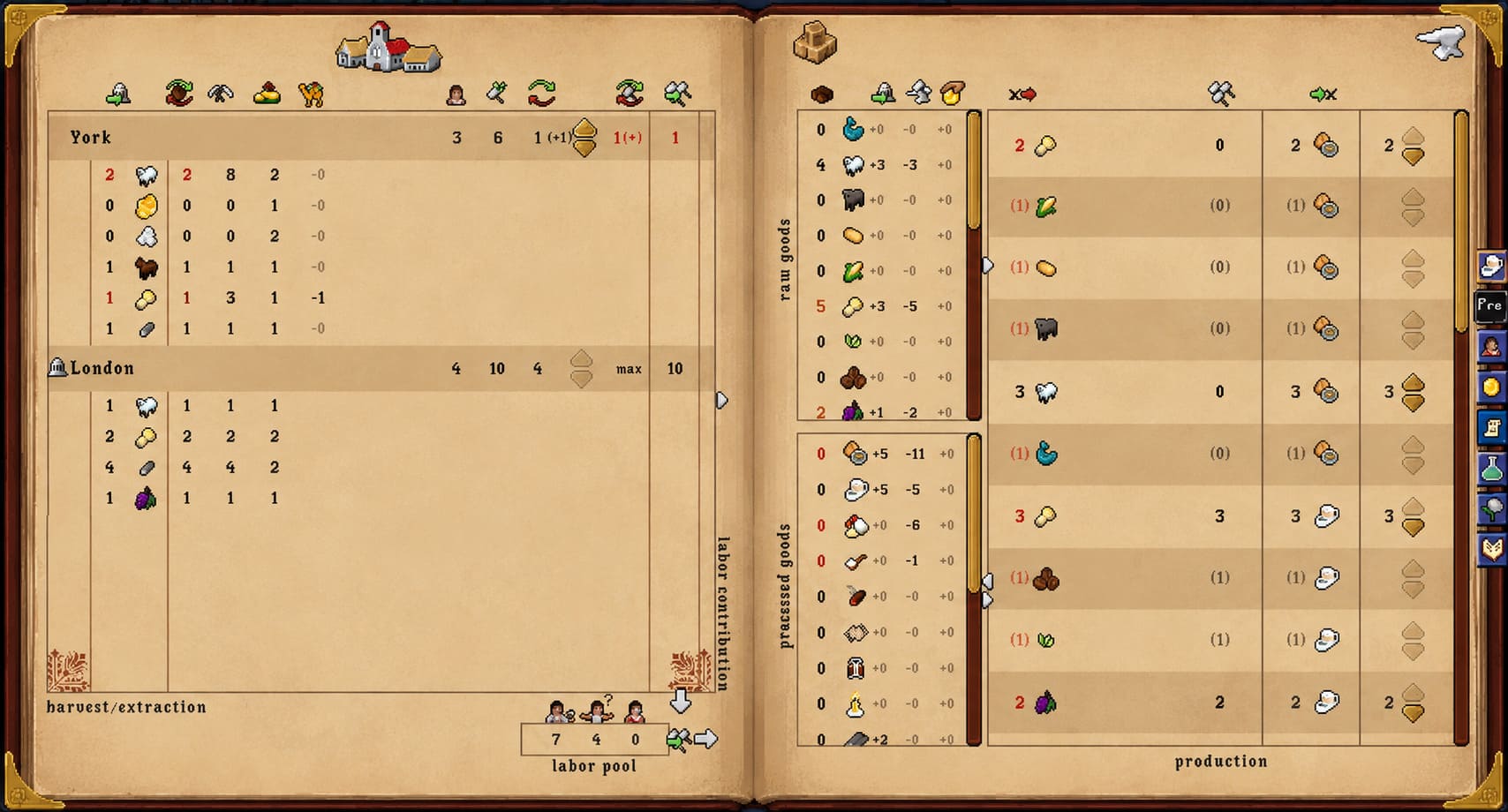
Thankfully, Imperial Ambitions includes one of the best automation systems I’ve seen in a strategy game.
You can manually control import priorities, export limits, shipping routes, resource allocations, and provincial stockpiles.
Or you can let the AI handle the busywork.
The automated labor allocator dynamically responds to shortages and demand spikes.
Need more copper? The system redirects transportation.
Capital running low on grain? Trade routes adjust automatically.
It’s a fantastic feature because it lets players choose their preferred level of micromanagement.
I personally enjoy manually managing logistics during the early game and enabling automation once my empire becomes massive.
Imperial Ambitions Gameplay Guide: Mechanics, Population Simulation, and Colonization Strategy
Final Thoughts
After spending dozens of hours with Imperial Ambitions, one lesson stands above everything else:
Infrastructure is destiny.
The strongest armies in the world mean nothing if they can’t receive supplies.
The richest colonies are worthless if resources never leave their shores.
The largest empire can collapse if its transportation network breaks.
Every successful campaign begins with a worker building a simple road and eventually grows into an enormous web of highways, ports, merchant fleets, and industrial centers.
If you want to master Imperial Ambitions, stop thinking like a conqueror for a moment.
Think like an engineer.
Build roads everywhere. Upgrade your docks relentlessly. Protect your shipping lanes. Eliminate bottlenecks the moment they appear.
Do those things, and your capital will become the economic heart of a global superpower capable of dominating the Age of Discovery. In Imperial Ambitions, cannons may win battles, but logistics wins the world.