How Valve’s Deadlock and Studio Ghibli Inspired Slay the Spire 2’s Wildest Monsters!
One of the things I love most about game development is discovering where strange ideas actually come from. Sometimes an iconic boss is inspired by a classic RPG. Sometimes a memorable location is based on a real-world place.
And sometimes, as we’ve recently learned, one of the most controversial bosses in Slay the Spire 2 was born because a developer spent too much time playing Deadlock, while another creature was influenced by one of Studio Ghibli’s most beloved films.
As someone who spends way too many hours jumping between roguelikes, shooters, strategy games, and story-driven adventures, I find this kind of revelation fascinating. It reminds us that game developers are gamers too, and the experiences they have often end up influencing the worlds they create.
Rockstar Free GTA 5 Current-Gen Upgrade: How to Claim on PS5, Xbox Series X|S, and PC
The Boss That Almost Everyone Loved to Hate
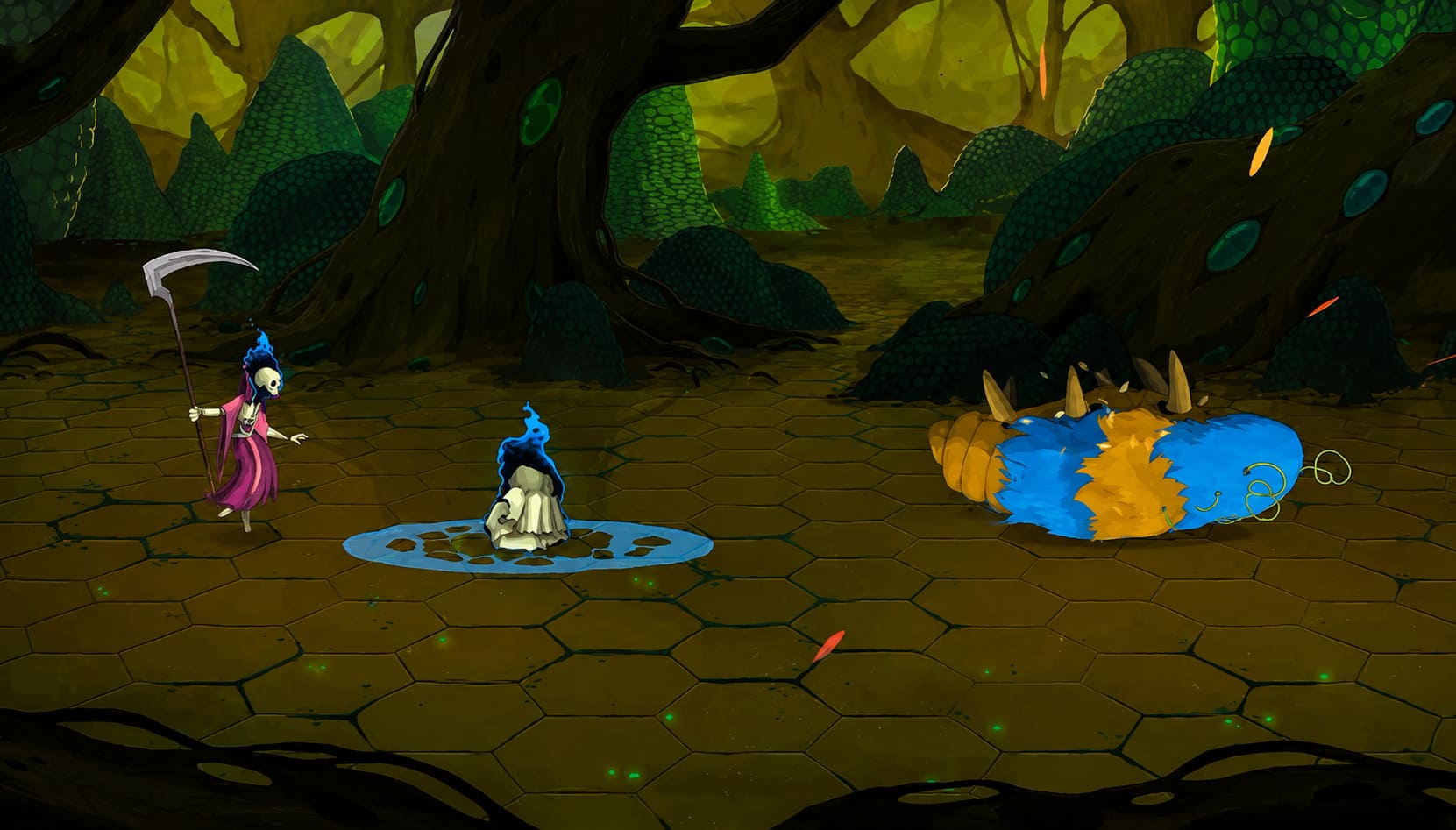
If you’ve followed the Early Access journey of Slay the Spire 2, you’ve probably heard stories about the infamous Doormaker.
This boss quickly earned a reputation as one of the most frustrating encounters players had seen in the series. Unlike many difficult bosses that challenge your strategy while still allowing flexibility, the Doormaker seemed designed to shut down entire playstyles.
Its mechanics revolved around multiple restrictive phases:
- Cards being exhausted after use.
- Card draw strategies becoming ineffective.
- Energy management becoming significantly harder.
- Players being punished for actions that normally feel rewarding.
For many players, the encounter felt less like solving a puzzle and more like being trapped in a situation where every option was bad.
That led to endless discussions across gaming communities. Some players appreciated the challenge, arguing that roguelikes should occasionally force players out of their comfort zones. Others felt the fight crossed the line from difficult to simply frustrating.
Eventually, the developers decided to remove the boss and replace it with a new encounter known as Aeonglass.
Looking back, that decision feels like one of the clearest examples of how Early Access can benefit a game.
The Deadlock Connection Makes Perfect Sense
The most surprising part of the story came when Mega Crit revealed that the Doormaker’s design was heavily influenced by their time playing Valve’s Deadlock.
The moment I heard that, everything suddenly clicked.
Anyone familiar with competitive multiplayer games knows the feeling. Deadlock is built around pressure. Resource management matters. Every mistake can be punished. Strong opponents can limit your options and force difficult decisions.
Those same emotions somehow found their way into a turn-based deckbuilder.
Instead of losing map control, you lose card options.
Instead of being denied resources by enemy players, your own deck starts working against you.
Instead of feeling empowered by your build, you feel constantly restricted.
The result was a boss encounter that created genuine stress rather than the satisfying tension that many roguelike players enjoy.
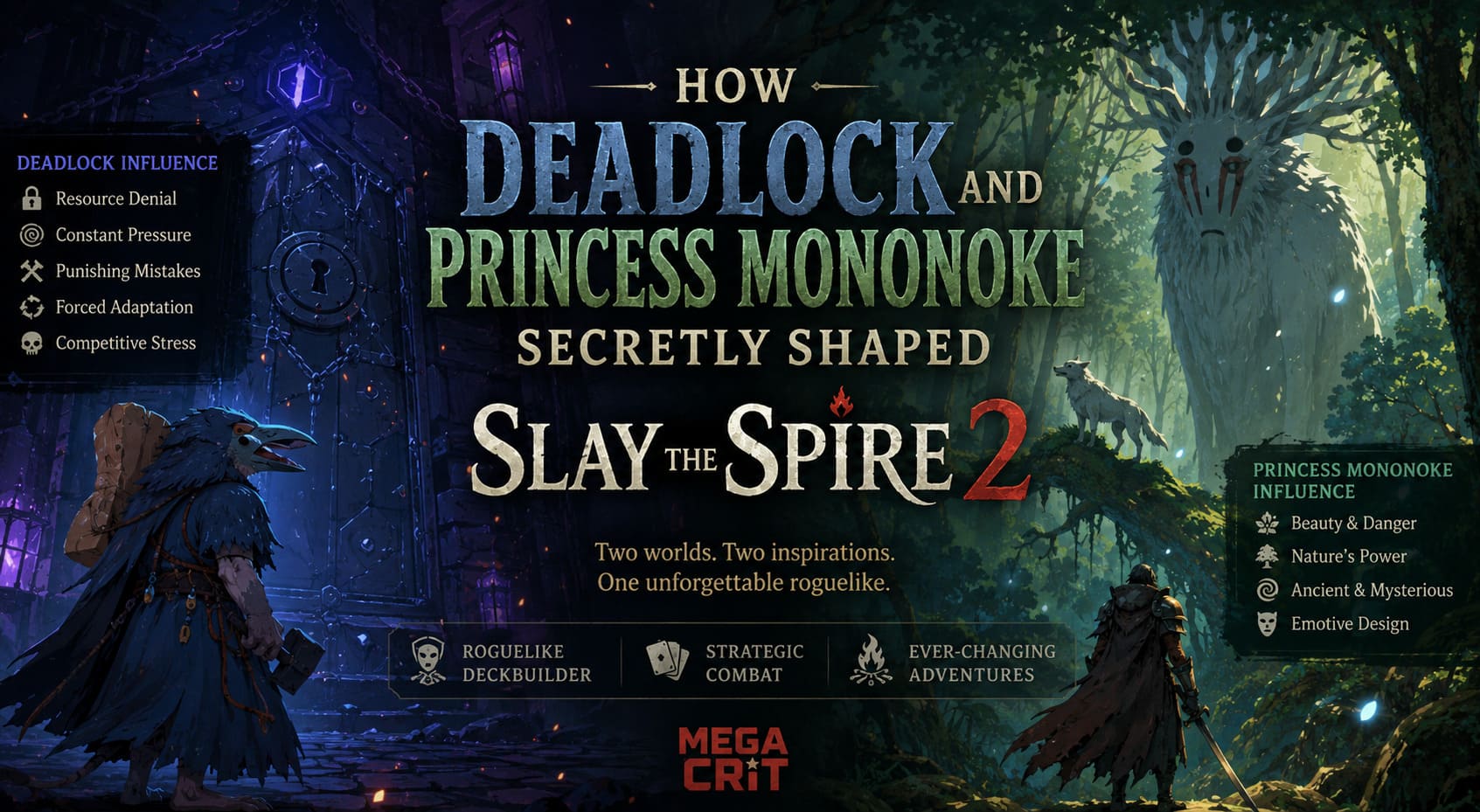
Comparing the Influences
| Deadlock Concept | Doormaker Equivalent |
|---|---|
| Resource denial | Limiting card usage |
| Constant pressure | Restrictive phases |
| Punishing mistakes | Harsh deck disruption |
| Tactical adaptation | Forced build adjustments |
| Competitive stress | Survival-focused gameplay |
It’s actually a fascinating case study in how mechanics from one genre can influence another.
The problem wasn’t necessarily that the design was bad. In many ways, it was incredibly creative. The issue was that the feeling it generated wasn’t what most Slay the Spire players were looking for during a boss fight.
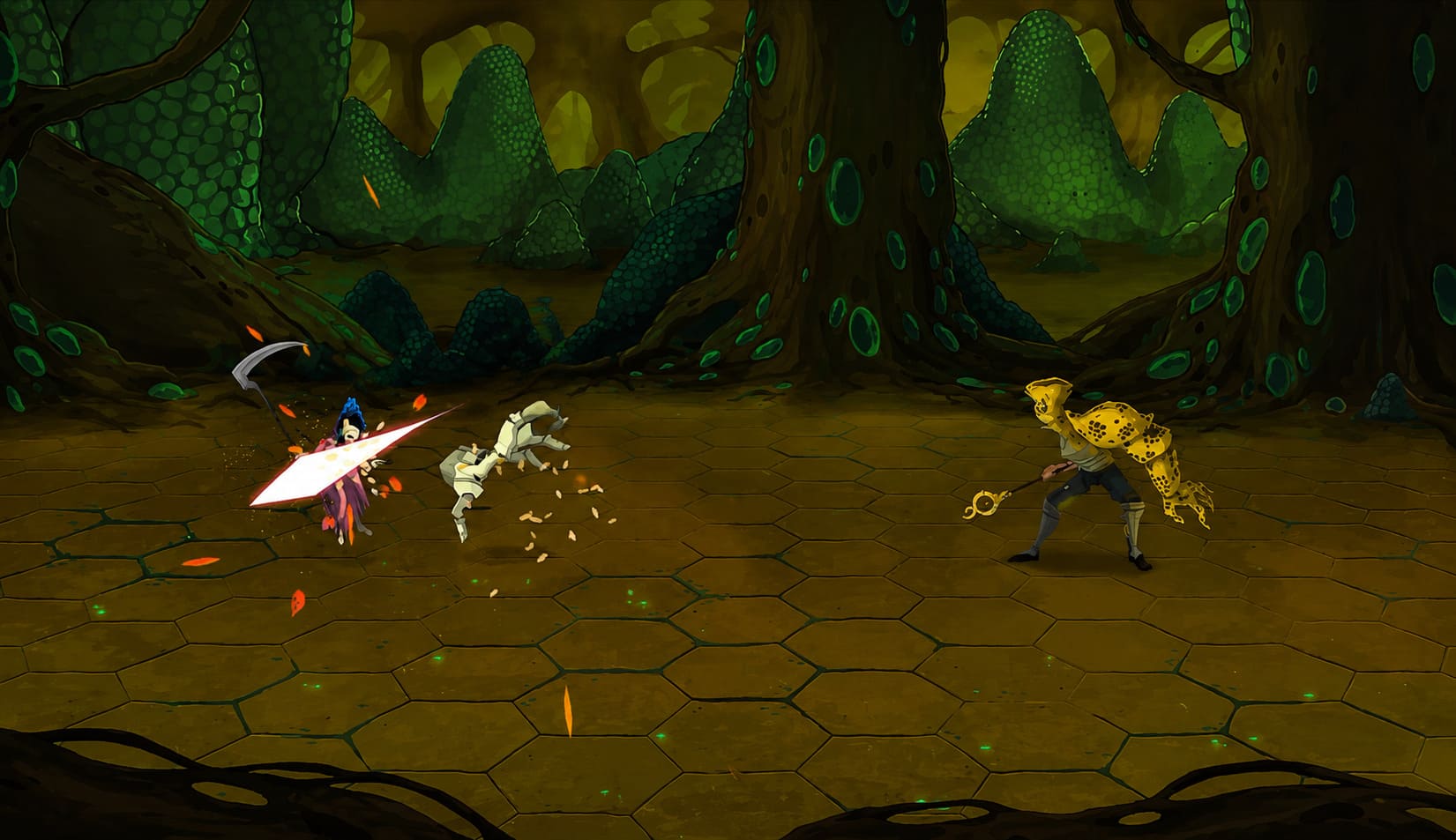
A Completely Different Inspiration: Princess Mononoke
What makes this story even more interesting is that another Slay the Spire 2 creature came from a source that couldn’t be more different.
While Deadlock contributed intensity and pressure, Princess Mononoke contributed atmosphere and wonder.
The legendary Forest Spirit from the film remains one of the most unforgettable creatures ever created in animation. It’s peaceful and intimidating at the same time. Beautiful, mysterious, and slightly unsettling.
That balance feels surprisingly close to the visual identity of Slay the Spire.
The game’s world has always existed somewhere between fantasy, horror, and dreamlike surrealism. Many enemies look strange enough to make you uncomfortable while still being visually captivating.
When I look at some of the nature-themed creatures already present in Slay the Spire 2, I can absolutely see traces of that influence.
Why Ghibli Fits So Well
Several elements make Studio Ghibli’s style a natural match:
- A blend of beauty and danger.
- Nature portrayed as powerful rather than harmless.
- Creatures that feel ancient and mysterious.
- Emotional storytelling through visual design.
Rather than creating monsters that simply look threatening, these inspirations help create creatures that feel meaningful within the world itself.
That’s something many games struggle to achieve.
The Real Lesson From Slay the Spire 2’s Development
For me, the biggest takeaway isn’t the Deadlock influence or the Ghibli connection.
It’s the fact that Mega Crit is willing to talk openly about where these ideas come from.
Modern game development often feels hidden behind marketing campaigns and carefully managed announcements. By contrast, Slay the Spire 2’s Early Access journey has felt refreshingly transparent.
The developers have shown that they are willing to:
- Experiment with unusual ideas.
- Admit when something isn’t working.
- Listen to community feedback.
- Adjust major systems when necessary.
- Share the creative process with players.
That’s not always easy.
Many studios become attached to their original vision and refuse to change course. Mega Crit seems more interested in creating the best possible game than protecting every design decision.
The removal of the Doormaker proves that point perfectly.
Even if internal data suggested the boss was technically balanced, player enjoyment ultimately mattered more.
Why This Gives Me Confidence in the Future
As someone who has played roguelikes for years, I’ve learned that the strongest games aren’t necessarily the ones that launch perfectly.
They’re the ones that evolve.
The original Slay the Spire became a genre-defining success because it constantly refined its ideas. The sequel appears to be following the same path.
What’s especially exciting is seeing such wildly different influences shaping the game.
One day the developers are drawing inspiration from a highly competitive multiplayer shooter. The next day they’re looking at one of the greatest animated fantasy films ever made.
That creative unpredictability is exactly what keeps a roguelike fresh.
Players never know what they’ll encounter next, and apparently neither do the developers.
Final Thoughts
The story behind Slay the Spire 2’s monsters highlights something many gamers forget: great ideas rarely come from a single source.
A difficult boss can emerge from the tension of a competitive online match. A beautiful creature can be inspired by a decades-old animated masterpiece. Together, those influences create something entirely new.
Whether you hated the Doormaker, loved the challenge it provided, or simply enjoy discovering the creative process behind game development, these revelations make Slay the Spire 2 even more interesting.
And if this Early Access period has proven anything, it’s that Mega Crit isn’t afraid to take risks, learn from mistakes, and transform inspiration from unexpected places into memorable gameplay experiences.