Fell & Sell Shopkeeper Guide: Full Crafting Recipes List & Market Pricing Strategy
There are games where you spend hours fighting monsters and barely think about what happens between adventures. Fell & Sell is not one of those games. Here, the dungeon is only half the story. The other half happens behind the counter, where you stare at shelves, compare prices, watch customer reactions, and wonder whether that adventurer really needs to pay 140% for the sword you just spent half the morning crafting.
As someone who has spent a lot of time streaming management games and newer roguelike releases, I honestly like this combination more than I expected. Fell & Sell makes the shop feel like part of the adventure rather than a menu you visit between dungeon runs. You gather resources yourself, decide what is worth bringing home, turn those materials into products, and then try to squeeze as much gold as possible out of every item.
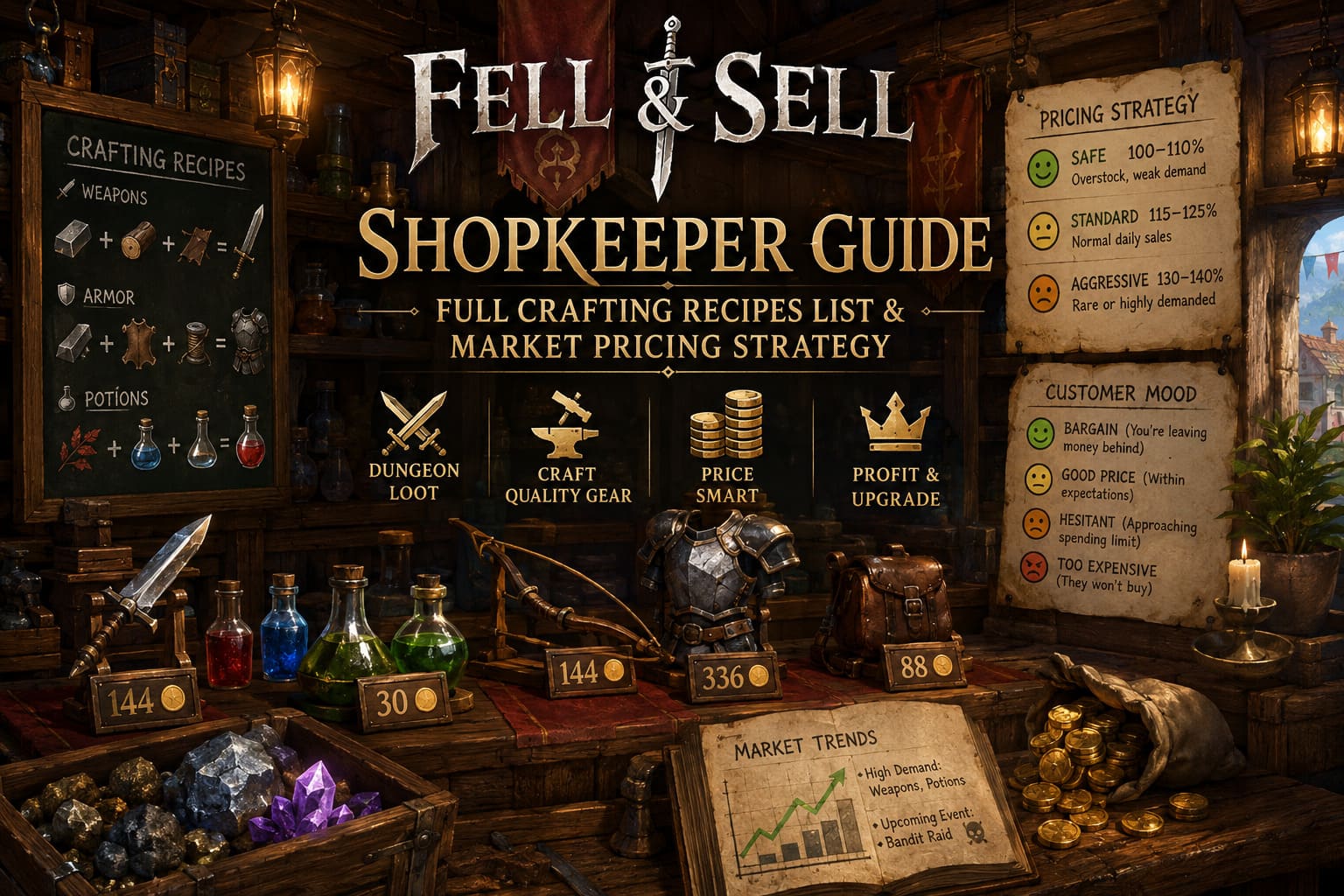
That creates a surprisingly satisfying loop: fight, loot, craft, sell, upgrade, repeat.
If you’re trying to build a profitable store without wasting valuable materials or scaring customers away with ridiculous prices, this Fell & Sell shopkeeper guide covers the crafting recipes, customer types, pricing strategy, and shop layout tricks that matter most during the early and mid game.
The Core Fell & Sell Gameplay Loop
The first thing I would recommend to new players is to stop thinking about the dungeon and shop as two separate systems. They constantly affect each other.
1. Dungeon Runs
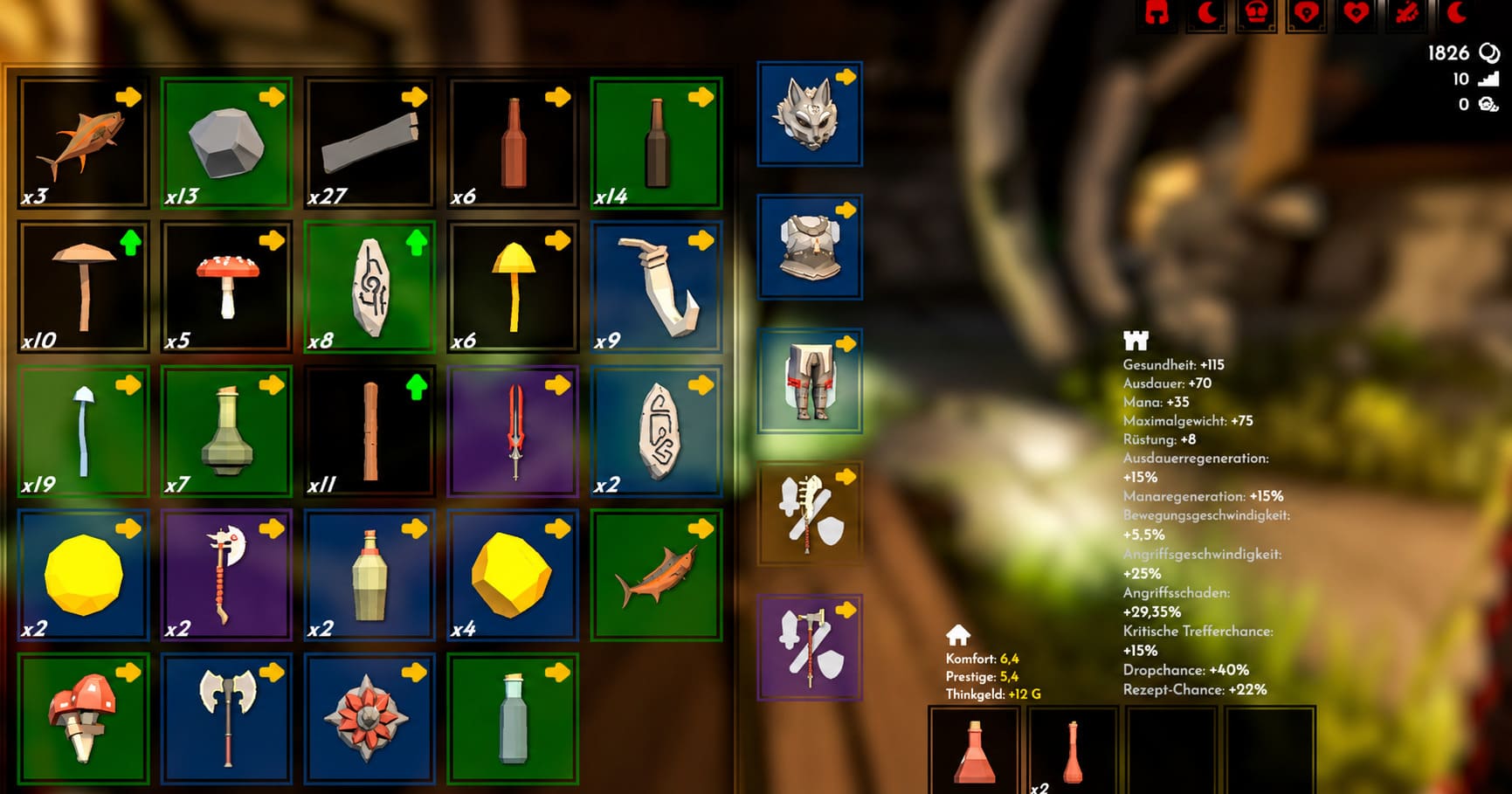
The dungeon section is a first-person hack-and-slash experience where you’re looking for ores, monster drops, timber, fibers, leather, herbs, and other crafting materials.
The catch is your limited inventory space.
You can’t simply vacuum up everything you see. At some point, you have to decide whether another piece of loot is worth replacing something already in your bag. And because dying can cost you the haul from that run, getting greedy is a genuine risk.
Personally, I think this is one of the better parts of the game. The decision to leave the dungeon with a decent haul instead of pushing one room deeper actually feels meaningful.
2. Shop Management
Once you’re back home, those raw materials become your real source of income.
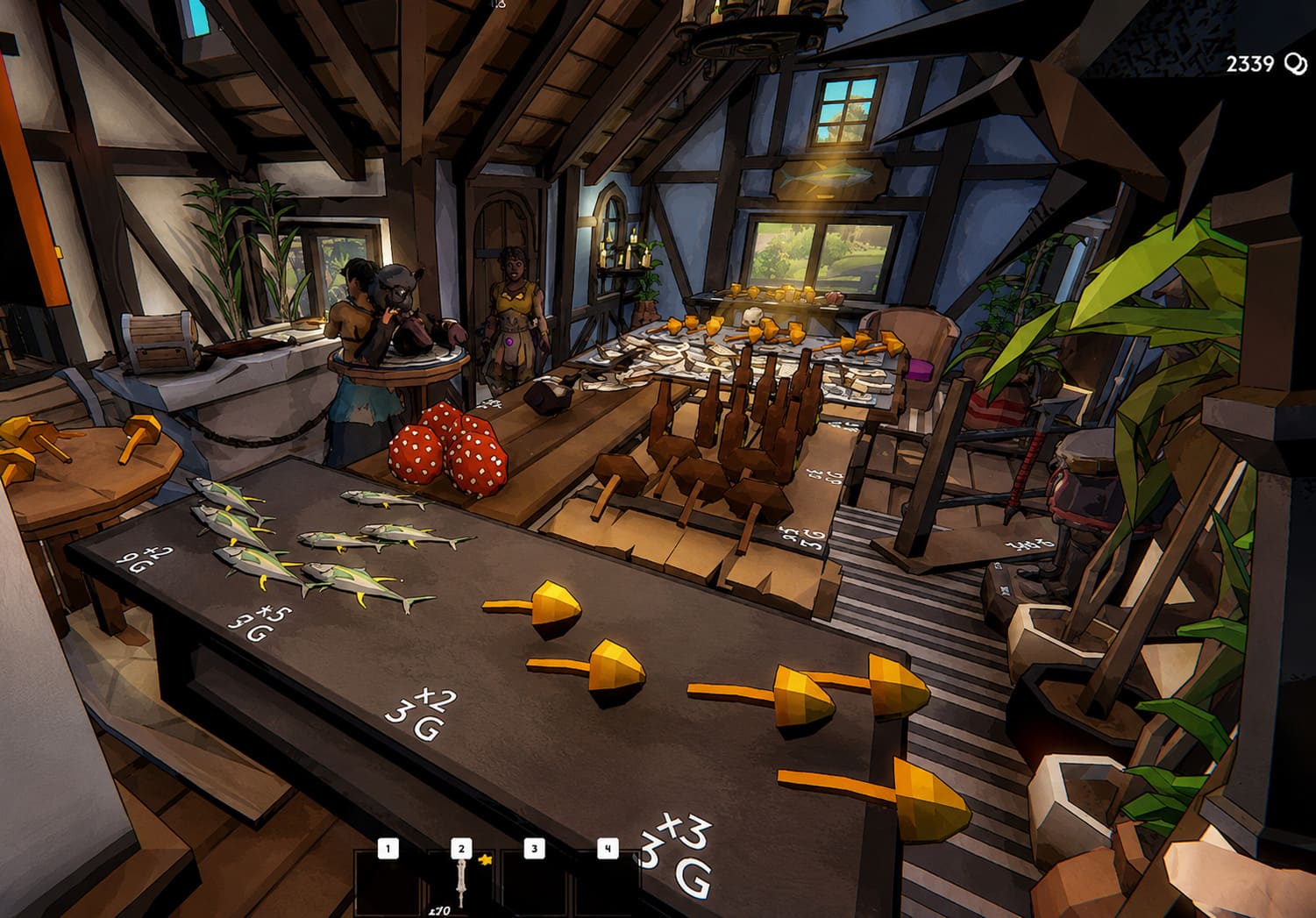
You can craft weapons, armor, potions, and other useful goods before putting them on display. Then comes the part that looks easy but can quietly destroy your profits: pricing.
Customers have different budgets and expectations, so simply putting the highest possible price on everything isn’t a winning strategy.
Fell & Sell Crafting Recipes: Early and Mid-Game Picks
Crafting is generally much more profitable than dumping raw materials directly onto the market. Finished products have considerably higher values, especially when you’re selling to customers who actually want that category of equipment.
Here are the recipes I would keep an eye on during the early and mid game.
Weapons and Offensive Gear
| Item | Materials | Base Value | Best Customers |
|---|---|---|---|
| Crude Iron Dagger | 2 Iron Ore, 1 Rough Timber, 1 Leather Scrap | 45 Gold | Novices, Rogues |
| Reinforced Shortsword | 4 Iron Ore, 2 Rough Timber, 1 Quality Twine | 95 Gold | Guards, Mercenaries |
| Hunter’s Recurve Bow | 5 Rough Timber, 2 Quality Twine, 1 Monster Tendon | 120 Gold | Rangers, Travelers |
| Apprentice Oak Staff | 4 Polished Lumber, 1 Minor Mana Crystal | 150 Gold | Mages, Scholars |
| Heavy Iron Battleaxe | 8 Iron Ore, 3 Polished Lumber, 2 Leather Scrap | 210 Gold | Barbarians, Heavy Warriors |
The Crude Iron Dagger is a particularly useful early crafting option because its ingredients aren’t too demanding. Don’t expect it to make you rich overnight, but it’s a dependable product when you’re still building up your material supply.
The Hunter’s Recurve Bow and Apprentice Oak Staff become more interesting once your resource production improves. Their higher base values give you much more room to experiment with premium pricing.
Armor and Protective Gear
| Item | Materials | Base Value | Best Customers |
|---|---|---|---|
| Novice Cloth Robe | 4 Plant Fiber, 2 Quality Twine | 35 Gold | Mages, Alchemists |
| Hardened Leather Chestpiece | 6 Leather Scrap, 3 Quality Twine, 1 Animal Hide | 110 Gold | Rogues, Rangers |
| Iron Vanguard Cuirass | 10 Iron Ore, 4 Leather Scrap, 2 Rivets | 280 Gold | Knights, Heavy Warriors |
| Scout’s Leather Boots | 3 Leather Scrap, 2 Plant Fiber | 40 Gold | Adventurers, Townfolk |
| Iron Plate Greaves | 6 Iron Ore, 2 Leather Scrap, 2 Rivets | 140 Gold | Guards, Mercenaries |
The Iron Vanguard Cuirass is where things start getting serious. Its 280 Gold base value makes it one of the more attractive products for a growing store, although the material requirements are obviously much heavier.
I wouldn’t fill half the shop with expensive armor, though. That’s a mistake I’ve made in management games before: seeing a huge profit per item and assuming more expensive products automatically mean more money. They don’t if nobody is buying them.
Potions and Consumables
Consumables are great for keeping customers moving through your store. They’re cheaper, sell to a wider audience, and can provide a reliable stream of smaller transactions.
| Item | Materials | Base Value | Best Customers |
|---|---|---|---|
| Minor Health Potion | 2 Red Herb, 1 Clear Water, 1 Glass Vial | 25 Gold | Adventurers, Townfolk |
| Minor Mana Potion | 2 Blue Herb, 1 Clear Water, 1 Glass Vial | 30 Gold | Mages, Scholars |
| Stamina Elixir | 2 Yellow Herb, 1 Monster Tendon, 1 Clear Water | 55 Gold | Fighters, Workers |
| Antidote Serum | 1 Green Herb, 1 Monster Spore, 1 Glass Vial | 45 Gold | Dungeon Delvers |
Don’t underestimate potions just because their individual prices are low. Volume matters. A store with several affordable consumables can generate consistent income while your expensive equipment waits for the right buyer.
How Fell & Sell’s Shop Economy Actually Works
The interesting part of the shopkeeper system is that the best price isn’t necessarily the highest price a customer will technically accept.
The game uses several factors to determine how customers react, including stock availability, customer type, mood, and market conditions.
Supply and Demand
If you manufacture the same dagger over and over again and flood your shelves with it, you’re eventually going to run into diminishing demand.
This is why I recommend rotating your inventory.
Instead of selling nothing but iron weapons, mix in armor, bows, potions, clothing, and utility items. A varied store gives you more opportunities to match different customers with products they actually want.
Know Your Customers
Not everyone walking through your front door is there to buy the same thing.
Townfolk and peasants generally have limited budgets. Cheap clothing, basic tools, and low-cost potions make more sense for them.
Adventurers and guards sit in the middle. They’re usually comfortable paying normal market prices for practical weapons and armor.
Then you have wealthy heroes and nobles. These customers are much more interesting from a profit perspective because they can afford premium equipment and rare goods.
If you see one of these customers inspecting an expensive item, that’s your opportunity to test the upper end of the price range.
Customer Mood Is Basically Your Pricing Radar
One feature I really like is the reaction system. Customers don’t just silently walk around while you guess whether your pricing is terrible.
Their reactions give you immediate feedback.
- Green Smile: You’re offering a bargain, but you’re probably leaving money behind.
- Yellow Neutral Face: The price is comfortably within the customer’s expectations.
- Nervous or Hesitant Face: You’re approaching the customer’s spending limit.
- Red Angry Face: You’ve pushed too far and the customer considers the item overpriced.
That makes the system much easier to understand once you start paying attention.
My rule is simple: green is safe, yellow is profitable, nervous is experimental, and red means back off.
The Best Fell & Sell Pricing Strategy
A good starting point is to calculate your selling price from the item’s base value.
| Pricing Range | Multiplier | When To Use It |
|---|---|---|
| Safe | 100–110% | Overstock, weak demand |
| Standard | 115–125% | Normal daily sales |
| Aggressive | 130–140% | Rare or highly demanded goods |
For most normal circumstances, 120% of base value is an excellent starting point.
For example, a Minor Health Potion worth 25 Gold at base value would start around 30 Gold. A Hunter’s Recurve Bow at 120 Gold could be listed around 144 Gold.
The important part is not treating these percentages as absolute laws. Market conditions can change.
If a local event suddenly creates demand for weapons or healing supplies, that’s when I’d start testing higher prices.
My Favorite Pricing Trick: Test, Don’t Guess
When I unlock a new product, I don’t immediately throw it onto the shelf at maximum markup.
I start around 120% of its base value and watch customer reactions.
If several customers immediately react positively, increase the price gradually. A 5% increase is a reasonable next test.
If someone reacts angrily, don’t stubbornly keep the price there. Drop it. You’re not proving anything by making the same mistake repeatedly.
This is one of those systems where small adjustments are much better than dramatic price swings.
Shop Layout Matters More Than You Think
Furniture isn’t purely decoration in Fell & Sell.
Improving your store’s visual appeal can help attract more customers and increase the number of wealthy buyers visiting your business. Things such as display counters, weapon racks, decorative banners, and lighting can contribute to the overall presentation of the store.
But there is another side to your furniture investments.
Some home-base upgrades can provide permanent combat-related benefits.
For example:
- Ironbound Weapon Rack: Improves physical melee damage during dungeon runs.
- Reinforced Oak Chests: Expands starting inventory capacity.
- Alchemist’s Herb Planter: Can improve defensive or healing-related effects.
This creates a cool reason to think about your home base as more than a storefront.
And please don’t turn the place into a furniture maze. If customers can’t navigate your shop properly, they can get stuck, become frustrated, and leave without buying anything. That’s possibly the dumbest way to lose money.
Fell & Sell Guide: How to Maximize Store Popularity Fast and Expand Your Roadside Cabin
Best Prices for Key Items
For a quick reference, here’s the pricing setup I’d use under normal market conditions.
| Item | Base Value | 120% Price | 135% Price |
|---|---|---|---|
| Minor Health Potion | 25 Gold | 30 Gold | 33 Gold |
| Novice Cloth Robe | 35 Gold | 42 Gold | 47 Gold |
| Crude Iron Dagger | 45 Gold | 54 Gold | 61 Gold |
| Hardened Leather Chestpiece | 110 Gold | 132 Gold | 149 Gold |
| Hunter’s Recurve Bow | 120 Gold | 144 Gold | 162 Gold |
| Apprentice Oak Staff | 150 Gold | 180 Gold | 203 Gold |
| Iron Vanguard Cuirass | 280 Gold | 336 Gold | 378 Gold |
The numbers are useful, but the customer reaction is still the final judge. If the market changes, adjust accordingly.
Fell and Sell Crashing on Startup Windows 11: 2026 PC Fix Guide
Final Thoughts
Fell & Sell is at its best when you stop treating it like a simple dungeon crawler. The combat gets you the resources, but the shop is where those resources become an actual economy.
My biggest advice is to avoid going all-in on one strategy. Don’t craft the same weapon endlessly. Don’t put every item at maximum markup. Don’t ignore cheap consumables just because their individual profits look small.
Build a mixed inventory, watch your customers, start around the 120% pricing mark, and increase prices only when demand gives you a reason to do it.
And when you’re heading into the dungeon, remember that every piece of loot has a second life waiting for it back at the shop.
That’s what makes the loop work.
Kill monsters for materials. Craft intelligently. Price confidently. Then upgrade the store and do it all again.