Echoes of Aincrad Parry Guide: Timings, PC vs Console, and Weapon Windows Explained
When I first jumped into Sword Art Online: Echoes of Aincrad, I expected another enjoyable anime action RPG. Instead, after several hours with the game, I found myself getting destroyed by enemies that should have been easy wins. The reason wasn’t my gear, level, or even my build. It was one mechanic: parrying.
As someone who streams action RPGs regularly and spends way too much time testing combat systems, I can confidently say that Echoes of Aincrad has one of the most demanding defensive systems we’ve seen in a Sword Art Online game. The good news is that once you understand how the system actually works, combat becomes significantly more satisfying.
In this guide, I’ll break down what I’ve learned from extensive gameplay, explain why parrying feels inconsistent for many players, and share the adjustments that dramatically improved my success rate.
Why Parrying Feels So Difficult in Echoes of Aincrad
Unlike older SAO games that focused more on flashy Sword Skills and aggressive offense, Echoes of Aincrad rewards patience and timing.
The moment I stopped treating combat like a button-mashing anime RPG and started approaching it like a precision-based action game, everything changed.
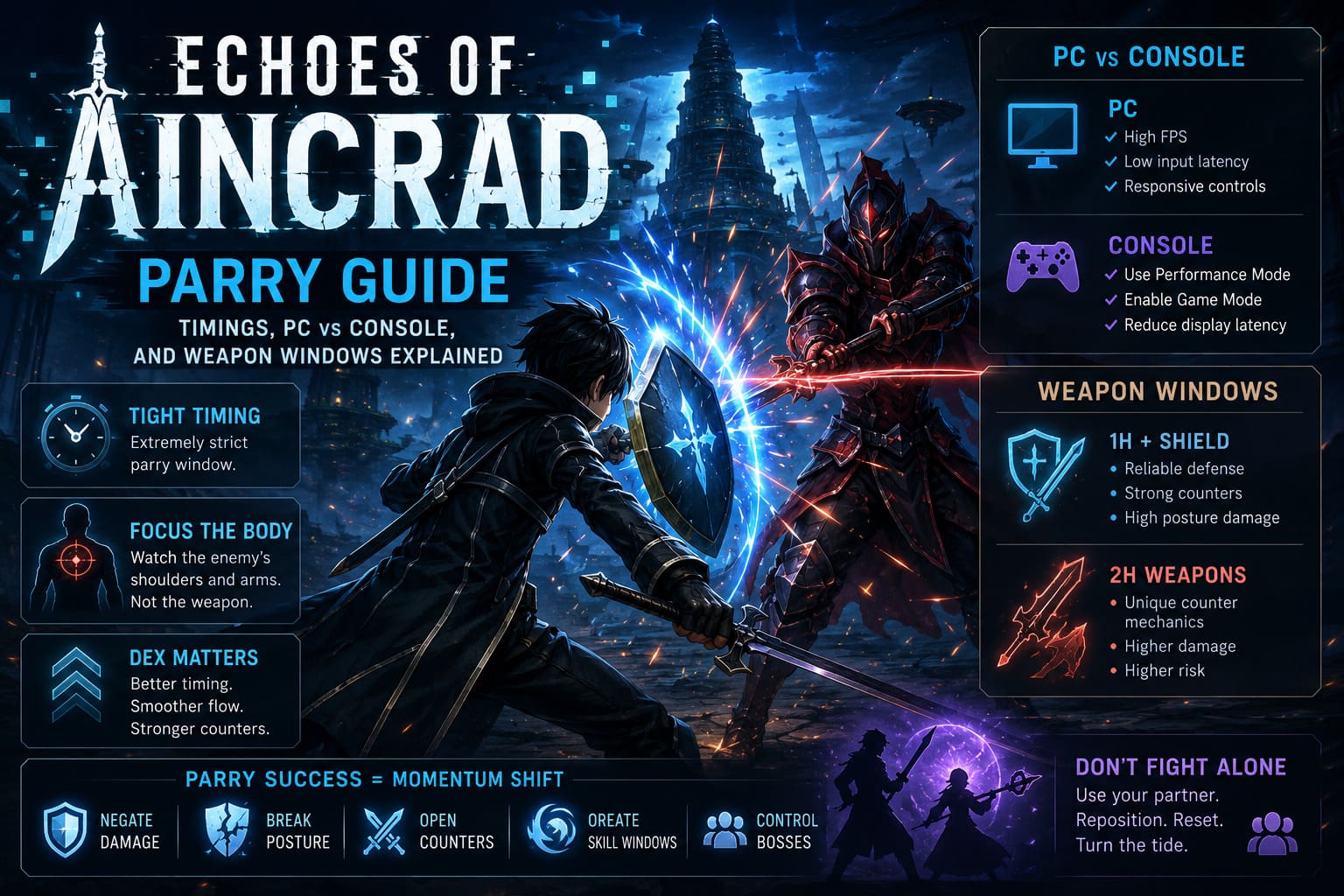
A successful parry doesn’t simply reduce incoming damage. It can completely swing momentum in your favor by negating incoming attacks, breaking enemy posture, opening powerful counterattack opportunities, creating damage windows for Sword Skills, and helping your party control boss encounters.
The problem is that the timing window is incredibly strict compared to what many players are used to.
My First Impression: The System Felt Unfair
During my first few sessions, I honestly thought something was wrong.
I would clearly press the defensive button before an attack landed and still get hit. Sometimes the animation looked correct, yet the game registered a normal block instead of a perfect parry.
After spending more time with the combat system, I realized the game is demanding much more precise timing than most modern action RPGs.
The key lesson is simple: Echoes of Aincrad rewards accuracy, not anticipation.
Many players instinctively parry too early, especially if they have experience with other action games.
Understanding the Timing Window
While Bandai Namco has not publicly released exact combat frame data, community testing strongly suggests that the base parry timing is intentionally narrow.
| Game | Approximate Defensive Window |
|---|---|
| Sekiro: Shadows Die Twice | Very forgiving |
| Elden Ring | Moderate depending on equipment |
| Echoes of Aincrad | Extremely strict at base level |
This explains why so many players immediately complain about responsiveness.
In reality, the game is designed around progression. Your starting character is not supposed to be a parry master from day one.
The Biggest Mistake Players Make
One habit I see constantly in chat during streams is focusing on enemy weapons.
That sounds logical, but it’s actually hurting your reaction speed.
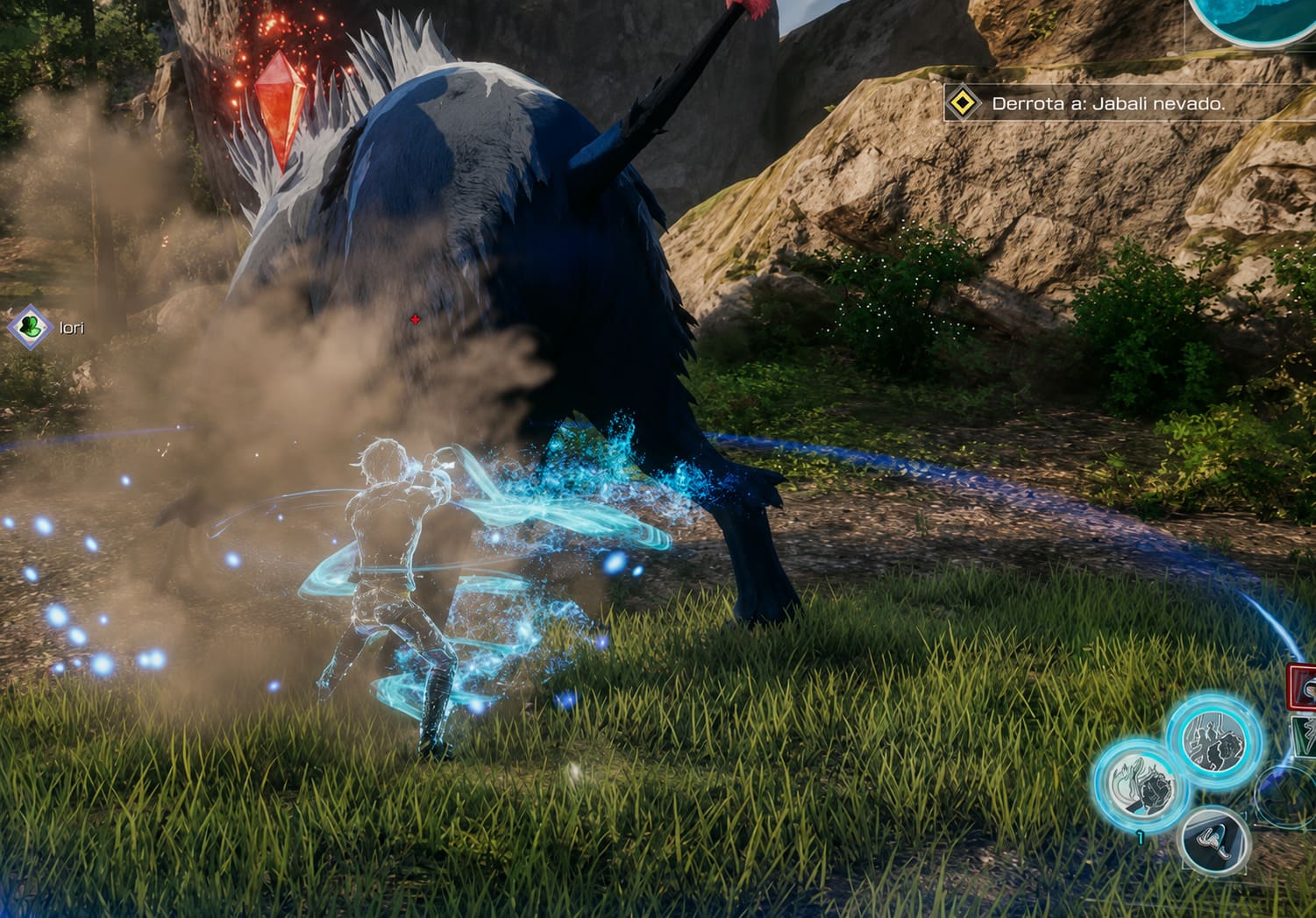
Instead of watching the blade, spear, or axe, focus on the enemy’s shoulders and arms.
The attack truly begins when the character model commits to forward motion.
Visual effects, weapon trails, and impact flashes often appear too late to be useful as reaction cues.
After switching my focus to body movement rather than weapon effects, my consistency improved almost immediately.
Dexterity Is More Important Than Most Players Realize
If there’s one build recommendation I would give to new players, it’s this: invest in Dexterity early.
Many players spread points across multiple attributes during the opening hours. I did the same thing during my first character test.
It felt like the combat was fighting against me.
Once I shifted heavily into Dexterity-focused progression, the experience became dramatically smoother.
Benefits of a DEX-Oriented Build
| Advantage | Effect |
|---|---|
| Improved defensive timing | Easier parries and evasions |
| Faster combat flow | Smoother reactions |
| Better Sword Skill performance | Higher offensive potential |
| Reduced downtime | More frequent ability usage |
A Dexterity build doesn’t just help defense.
It creates a combat loop where successful parries lead into stronger offensive opportunities, making the entire system feel more rewarding.
The Shield Debate: What Actually Works?
One of the most common questions I receive from viewers is whether every weapon can parry equally.
Based on my testing, the answer is no.
Different weapon categories interact with defensive mechanics differently.
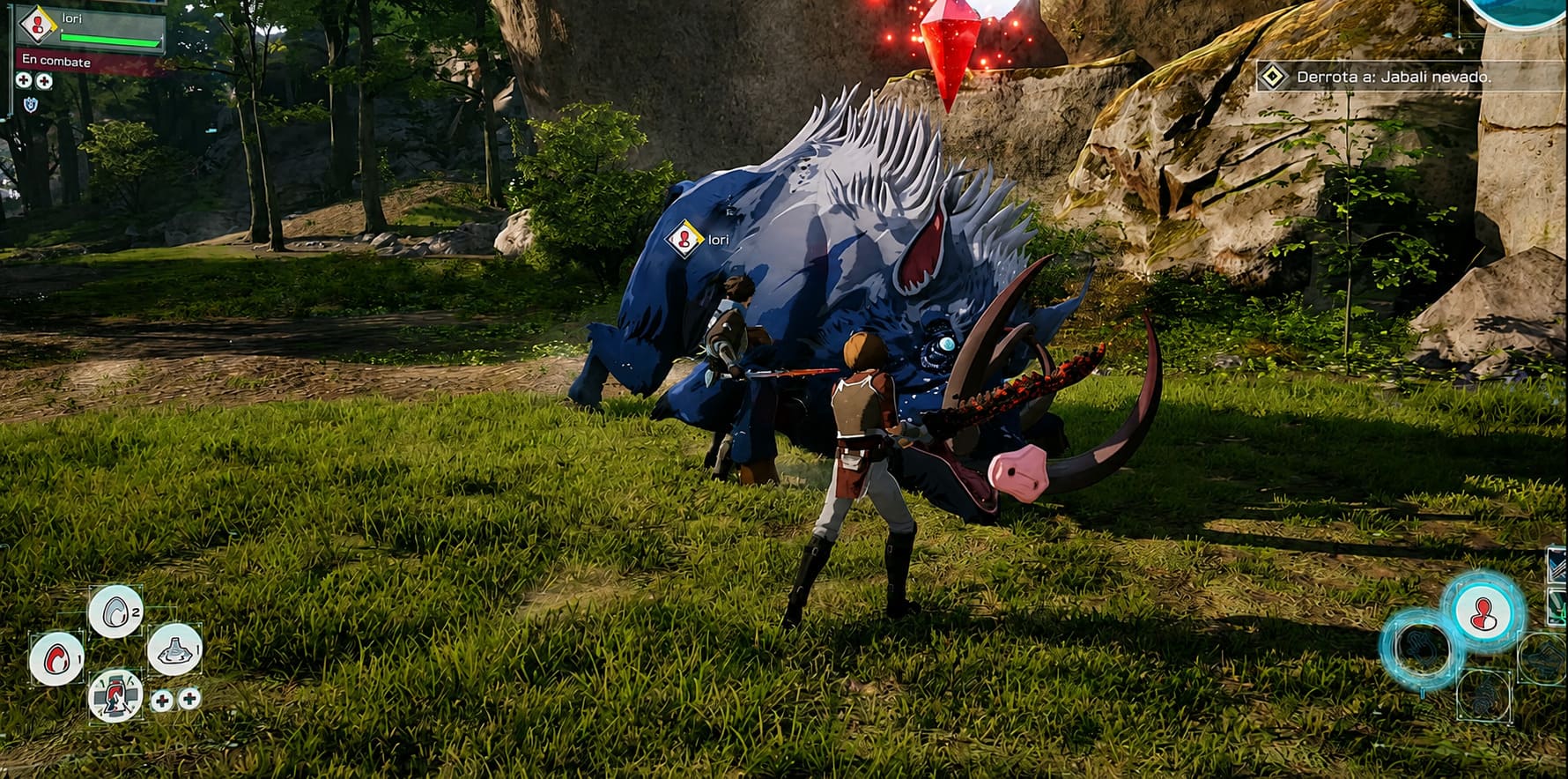
One-Handed Weapons with Shields
This setup feels like the intended way to learn the parry system.
- Reliable defensive options
- Consistent counters
- Strong posture damage
- Better survivability
For new players, this remains my recommended starting setup.
Two-Handed Weapons
Things become more complicated when you equip large swords or heavy axes.
Instead of traditional shield-based defense, these weapons often rely on alternative counter mechanics.
These counters can be powerful, but they require understanding enemy attack patterns and recognizing specific visual indicators.
The reward is higher damage potential.
The risk is significantly less room for mistakes.
PC vs Console: Does Platform Matter?
Absolutely.
After testing the game on multiple setups, I believe platform performance has a direct impact on how comfortable the parry system feels.
PC Experience
A strong gaming PC provides the best environment for mastering defensive timing.
- Higher frame rates
- Lower input latency
- Faster visual feedback
- More responsive controls
If your hardware can maintain stable high FPS, combat generally feels more consistent.
However, unstable performance can create its own problems.
Frequent stutters are devastating in a game where milliseconds matter.
PlayStation 5 and Xbox Series X/S
Console players can still enjoy the combat system, but settings become extremely important.
My recommendation is simple: always prioritize Performance Mode.
Higher visual fidelity might look impressive during exploration, but smooth combat should be the priority when every defensive input counts.
Another factor many players overlook is display latency.
A television with heavy image processing can add noticeable delay before the action even reaches your eyes.
If your TV offers a Game Mode setting, turn it on immediately.
Settings That Improved My Parry Consistency
| Setting | Recommendation |
|---|---|
| Display Mode | Performance Mode |
| TV Settings | Enable Game Mode |
| PC Sync Option | Reduce unnecessary input delay |
| Frame Rate | Keep as stable as possible |
| Background Programs | Close unnecessary applications |
None of these changes magically make parrying easy.
What they do is remove external factors that can interfere with your timing.
A Better Way to Practice
Many players jump straight into difficult encounters and try learning parry timing against bosses.
I don’t recommend that approach.
- Find basic enemies with predictable attack animations.
- Ignore damage output completely.
- Spend several minutes focusing only on defensive timing.
- Learn attack rhythms.
- Repeat until the timing becomes instinctive.
This may sound boring, but it dramatically accelerates improvement.
The goal is to build muscle memory before the game starts throwing complex attack chains at you.
Echoes of Aincrad Ultimate Edition Weapon Tier List: Best Weapons Ranked (2026 Meta)
Partner Mechanics Are More Valuable Than You Think
One aspect of Echoes of Aincrad that I feel doesn’t get enough attention is the companion system.
When things go wrong—and they will—your AI partner can save a run.
If you miss a parry and your health drops dangerously low, reposition immediately, create distance, use partner mechanics to shift pressure, heal safely, and reset the fight.
Many players panic after making a mistake.
The smartest option is often to slow the fight down rather than forcing another risky parry attempt.
My Final Verdict on the Parry System
After spending a significant amount of time with Sword Art Online: Echoes of Aincrad, I don’t believe the parry system is broken.
I do believe it is intentionally demanding.
The game expects players to grow into the mechanic rather than master it immediately.
At first, that design choice can feel frustrating. But once your build develops, your understanding improves, and your timing becomes more refined, the combat starts to reveal its strengths.
The most important thing to remember is that parrying is not meant to replace every other defensive tool. Dodging, positioning, spacing, and intelligent use of companions remain essential parts of survival.
For players willing to invest time into learning the system, Echoes of Aincrad delivers some of the most satisfying melee combat the franchise has ever offered. And as someone who plays and streams a lot of action RPGs every year, that’s probably the highest compliment I can give it.