Moonlighter Shop Management Guide: How to Price Items to Maximize Profit (2026 Strategy)
When I first picked up Moonlighter, I expected another enjoyable indie action RPG where the dungeon runs would be the biggest challenge. After dozens of hours, I realized I had been completely wrong. Fighting monsters is only half of the experience. The real game begins when you unlock the front door of your shop every morning and start trying to convince customers that a handful of slime, ancient relics, or mysterious crystals are worth their hard-earned gold.
I’ve played countless RPGs with crafting systems, trading mechanics, and player-driven economies, and I still think Moonlighter has one of the most satisfying merchant systems ever created. It’s simple on the surface, but underneath it rewards observation, patience, and a little bit of psychology.
If you’re constantly running out of money, struggling to upgrade your gear, or wondering why everyone keeps refusing your prices, this guide shares the methods that consistently worked for me throughout multiple playthroughs.
Why Pricing Matters More Than Dungeon Farming
A common mistake many new players make is assuming that more loot automatically means more profit.
It doesn’t.
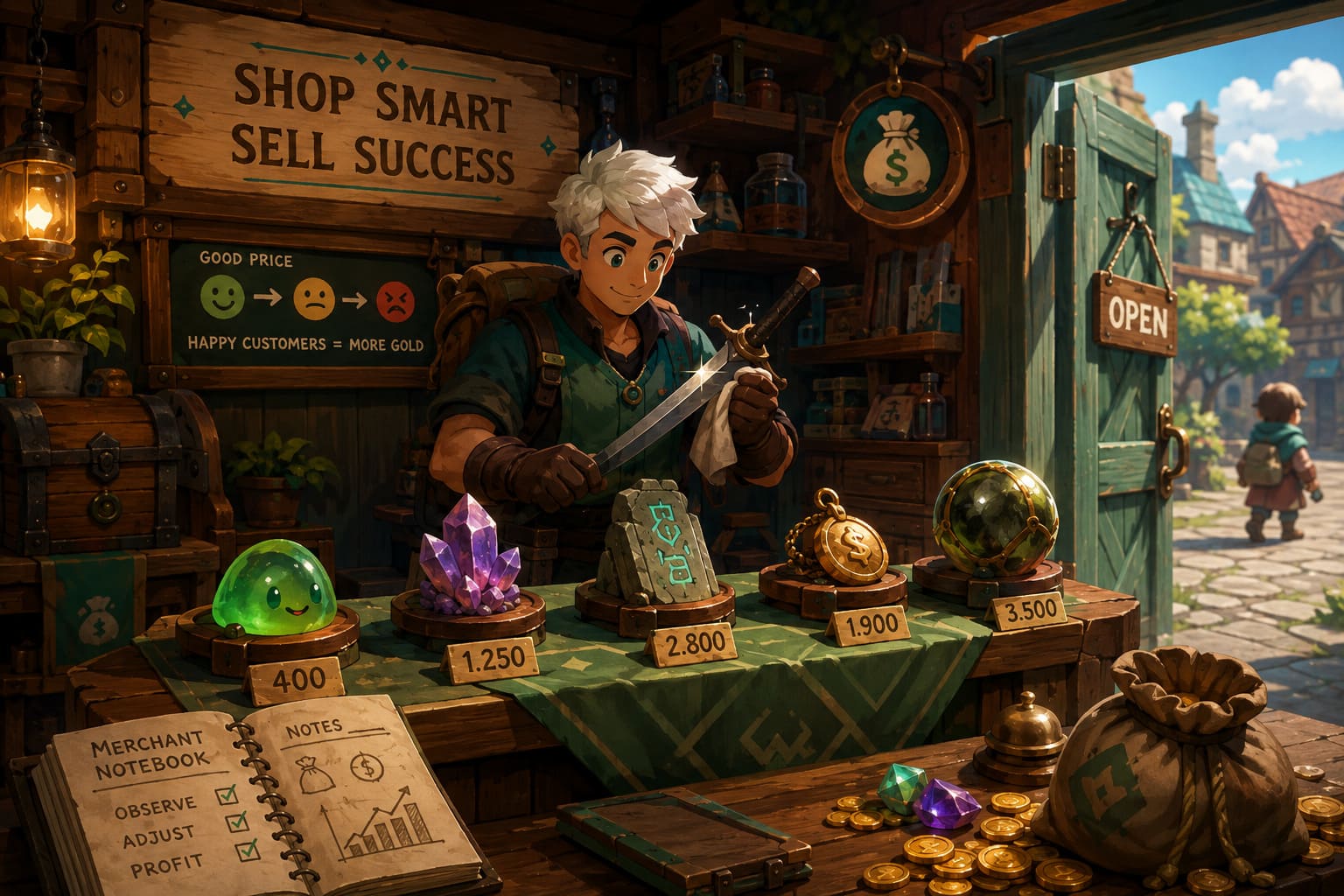
You can return from an incredible dungeon run with a backpack full of rare materials, only to sell everything far below its actual value. On the other hand, a player who understands the market can earn significantly more gold while bringing home fewer items.
Every successful merchant eventually realizes one thing:
The item itself isn’t what makes you rich. Selling it correctly does.
Once I started paying close attention to customer behavior instead of rushing through each business day, my income increased dramatically without changing the way I explored dungeons.
Learn to Read Your Customers
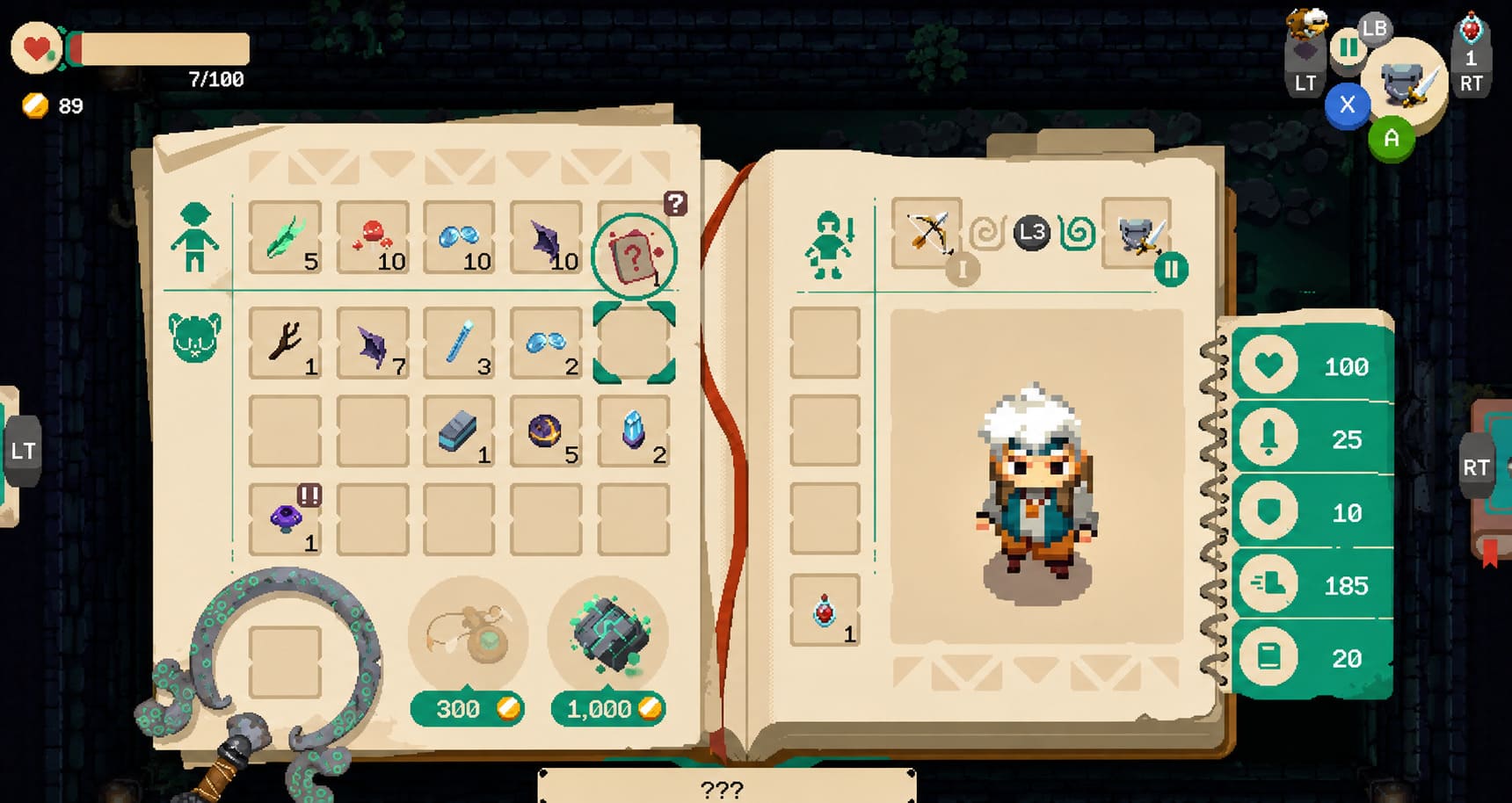
The customers constantly tell you whether your prices make sense.
Instead of ignoring their reactions, treat every sale as useful information.
| Customer Reaction | What It Usually Means | What I Recommend |
|---|---|---|
| 😀 Very excited | The item is far too cheap | Raise the price significantly next time |
| 🙂 Happy | Excellent price | Leave it where it is |
| 😒 Slightly annoyed | Probably overpriced | Reduce the price a little |
| 😠 Refuses to buy | Way too expensive | Lower the price immediately |
One thing I learned after many in-game weeks is that chasing the highest possible number isn’t always the smartest strategy.
A steady stream of satisfied customers almost always earns more gold over time than trying to squeeze every last coin out of each individual sale.
Your Merchant Notebook Is Worth More Than You Think
Many players barely open the Merchant Notebook after the tutorial.
That is a huge mistake.
I ended up checking mine almost every single business day.
Every interaction gradually builds your own pricing database, allowing future sales to become easier and more accurate.
Something I particularly appreciate is how items are naturally grouped together. Expensive dungeon treasures appear alongside other valuable loot, while inexpensive crafting materials stay near the bottom.
Whenever I discovered an unfamiliar relic, I rarely had to guess blindly.
If it appeared between two items whose values I already knew, I could usually estimate a starting price that was surprisingly close to the ideal amount.
It isn’t perfect, but it removes a lot of unnecessary trial and error.
My Favorite Way to Discover the Right Price
After experimenting with different approaches, I eventually settled on a very simple routine.
Instead of selling an entire stack immediately, I always test with one item first.
That single decision probably saved me tens of thousands of gold over my playthrough.
Here’s the routine I followed:
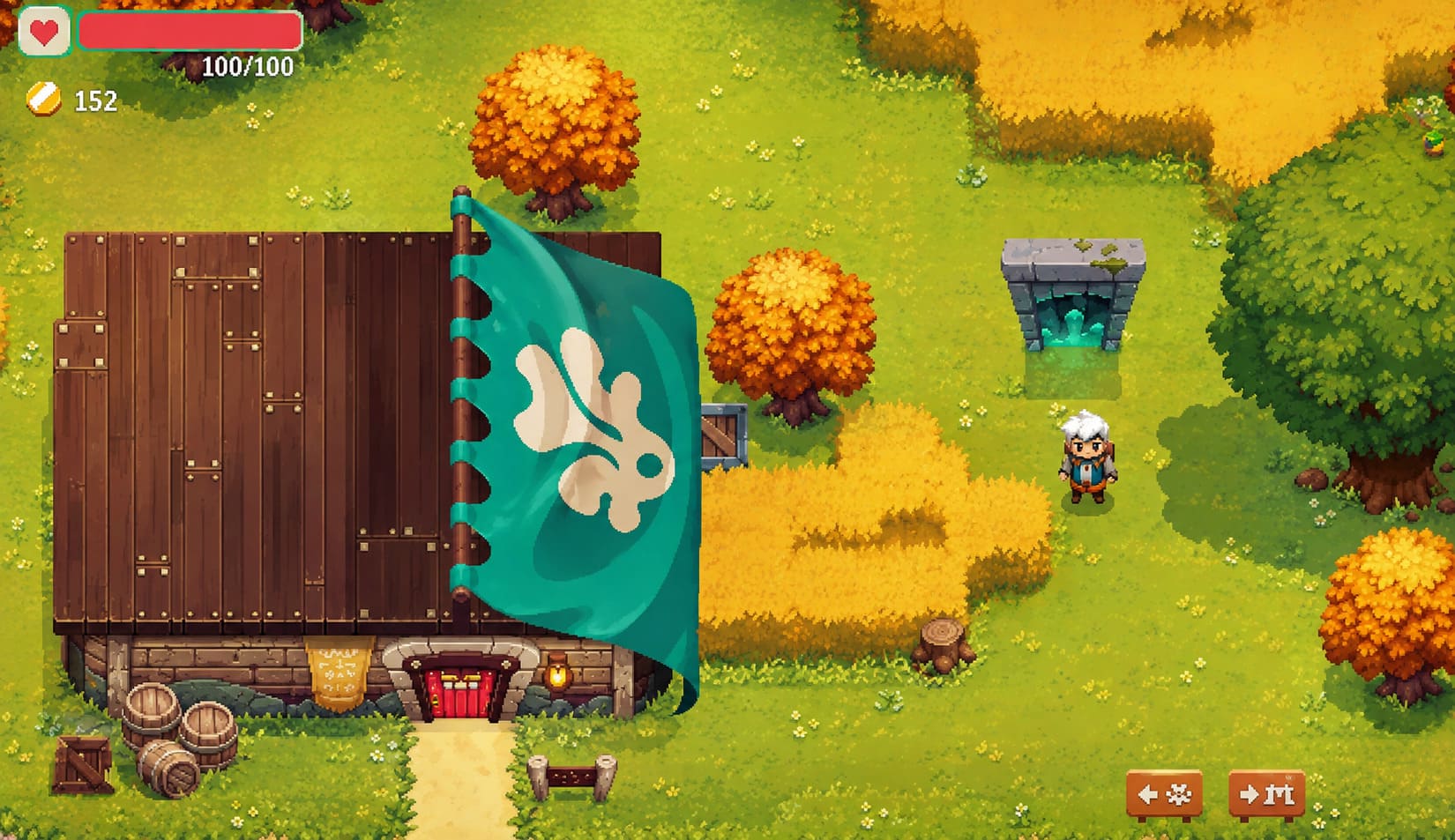
- Place only one copy of a newly discovered item on display.
- Watch the customer’s reaction carefully.
- Adjust the price for the following day.
- Once the ideal value is confirmed, start selling larger quantities.
It takes slightly longer, but you only need to discover the correct price once.
After that, every future sale becomes much more profitable.
Don’t Sell Crafting Materials You’ll Need Tomorrow
This lesson hurt.
More than once I celebrated earning a huge pile of gold, only to discover that I had accidentally sold materials required for my next weapon upgrade.
Since then, I always check upcoming equipment recipes before opening the shop.
If something will soon become part of a new sword, armor piece, or enchantment, I simply keep it in storage.
Selling everything may feel satisfying today, but buying those materials back later is usually much more expensive.
Market Demand Actually Changes
One detail I love about Moonlighter is that the economy doesn’t stay static.
Items become more or less desirable depending on how frequently you sell them.
If you repeatedly flood your shelves with the exact same material, customers slowly lose interest.
I noticed this most with common dungeon drops.
Instead of forcing endless sales at lower prices, I started rotating inventory.
Some days I focused on Forest Dungeon resources.
Other days I sold Desert relics or Golem materials.
The variety kept prices healthier and made each business day feel more natural.
Whenever demand increased, I wasn’t afraid to raise prices slightly and test the market again.
Shop Upgrades That Actually Pay for Themselves
Not every upgrade deserves immediate attention.
Some improvements simply look nice, while others directly increase your income.
If I had to start over today, I’d prioritize them in this order.
1. Better Cash Register
This should be one of your earliest investments.
Extra tipping bonuses might seem small at first, but after hundreds of transactions the additional income becomes enormous.
Passive profit is always good profit.
2. Larger Shop
More display space means more opportunities to sell valuable loot before the day ends.
A bigger shop also feels far less cramped once customers begin arriving in larger numbers.
3. Decorations
I underestimated decorations during my first playthrough.
Later I realized they can quietly improve your business by attracting better customers, increasing tips, and making thieves less troublesome.
Some of these bonuses are surprisingly valuable over the long term.
Dealing With Thieves
Nothing is more frustrating than watching an expensive relic disappear into someone’s pocket.
Fortunately, thieves are fairly predictable once you know what to watch for.
I always keep my highest-value items close to the main counter.
That way, if someone suddenly grabs an item and heads for the exit, I can react almost immediately.
It’s a simple habit that prevented countless losses.
Leaving your rarest treasures in distant corners is practically inviting trouble.
The Sale Box Isn’t for Everything
At first, I thought the Sale Box was a convenient shortcut.
Eventually I realized I was throwing away a surprising amount of money.
Today I only use it for items that genuinely aren’t worth occupying shelf space.
Examples include:
- Low-value crafting materials.
- Common dungeon drops.
- Items collected in huge quantities.
- Resources I know I won’t need later.
Rare relics, valuable crafting components, and expensive artifacts never belong there.
Those deserve proper display counters where customers pay their full value.
Wealthy Customers Can Change Everything
One of the more entertaining parts of the late game is seeing richer visitors enter your store.
These customers often have far deeper wallets than average shoppers.
Whenever I found an exceptionally rare relic from the later dungeons, I occasionally experimented with slightly higher prices than usual.
Not every attempt worked, but successful sales could generate incredible profits.
The trick is not getting greedy.
There’s a difference between testing premium pricing and scaring everyone away.
A Few Habits That Made My Business Better
These are small things, but together they noticeably improved my earnings.
- Check recipes before selling materials.
- Experiment with prices instead of copying them blindly.
- Rotate inventory to maintain demand.
- Never panic after one failed sale.
- Use customer reactions as information rather than failure.
- Upgrade your shop before buying unnecessary decorations.
- Protect your expensive merchandise from thieves.
None of these habits are complicated, yet together they transformed my shop from barely surviving into one of the wealthiest businesses in Rynoka.
Moonlighter 2 The Endless Vault Release Date, 2026 Roadmap, and Game Updates Explained
Final Thoughts
After spending a lot of time with Moonlighter, I think its merchant system is the reason the game remains memorable years after release.
The dungeon crawling is fun, the combat is satisfying, but the constant balancing act between exploration and business management is what kept bringing me back.
There isn’t a single universal price list that guarantees maximum profit forever because the market shifts, your inventory changes, and customer demand evolves. That’s exactly why managing the shop never feels repetitive.
My biggest advice is simple: treat every customer interaction as feedback instead of focusing only on immediate profits. Learn how your market behaves, avoid rushing to sell everything after each dungeon run, and gradually build your own pricing knowledge.
Once you start thinking like both an adventurer and a merchant, you’ll notice your gold reserves growing much faster, making weapon upgrades, town improvements, and late-game progression feel far less restrictive.
For me, that balance between risk, observation, and smart decision-making is what makes Moonlighter one of the most enjoyable shop management games ever created.