Hunger Game 2026: Best Starter Weapons Guide – Rifle vs Pistol Meta Analysis
If you’ve spent even a few evenings grinding the newest Hunger Games-inspired survival titles, you’ve probably noticed one thing almost immediately: your first weapon isn’t just another piece of loot—it’s the decision that often determines whether you’re still alive after the first minute.
I’ve watched countless players blame bad RNG after an early elimination, but after hundreds of matches, I’m convinced that many defeats begin with the wrong starter weapon. The debate surrounding the Starter Rifle and the Starter Pistol has exploded across gaming communities for good reason. Neither weapon is objectively bad, yet each rewards a completely different mindset.
After digging through community discussions, watching competitive gameplay, comparing frame data, and testing both options extensively, one conclusion became obvious. The current 2026 meta isn’t about choosing the weapon with the biggest damage number—it’s about choosing the weapon that complements the way you actually play.
Why Your Starting Weapon Matters More Than Ever
Modern survival battle royale games are far less forgiving than they were just a few years ago. Players land with optimized routes, practiced movement, and incredible aim. The opening fight rarely lasts longer than a few seconds.
Because of that, your starter weapon has become more important than your first legendary loot drop.
Your opening loadout affects:
- Early-game survivability
- Mobility while looting
- Ammo efficiency
- Ability to contest high-value zones
- Confidence during the first encounters
The developers clearly designed both starter weapons to remain viable instead of creating an obvious “best” option. That’s great for balance—but it also means players need to understand the strengths hidden beneath the surface statistics.
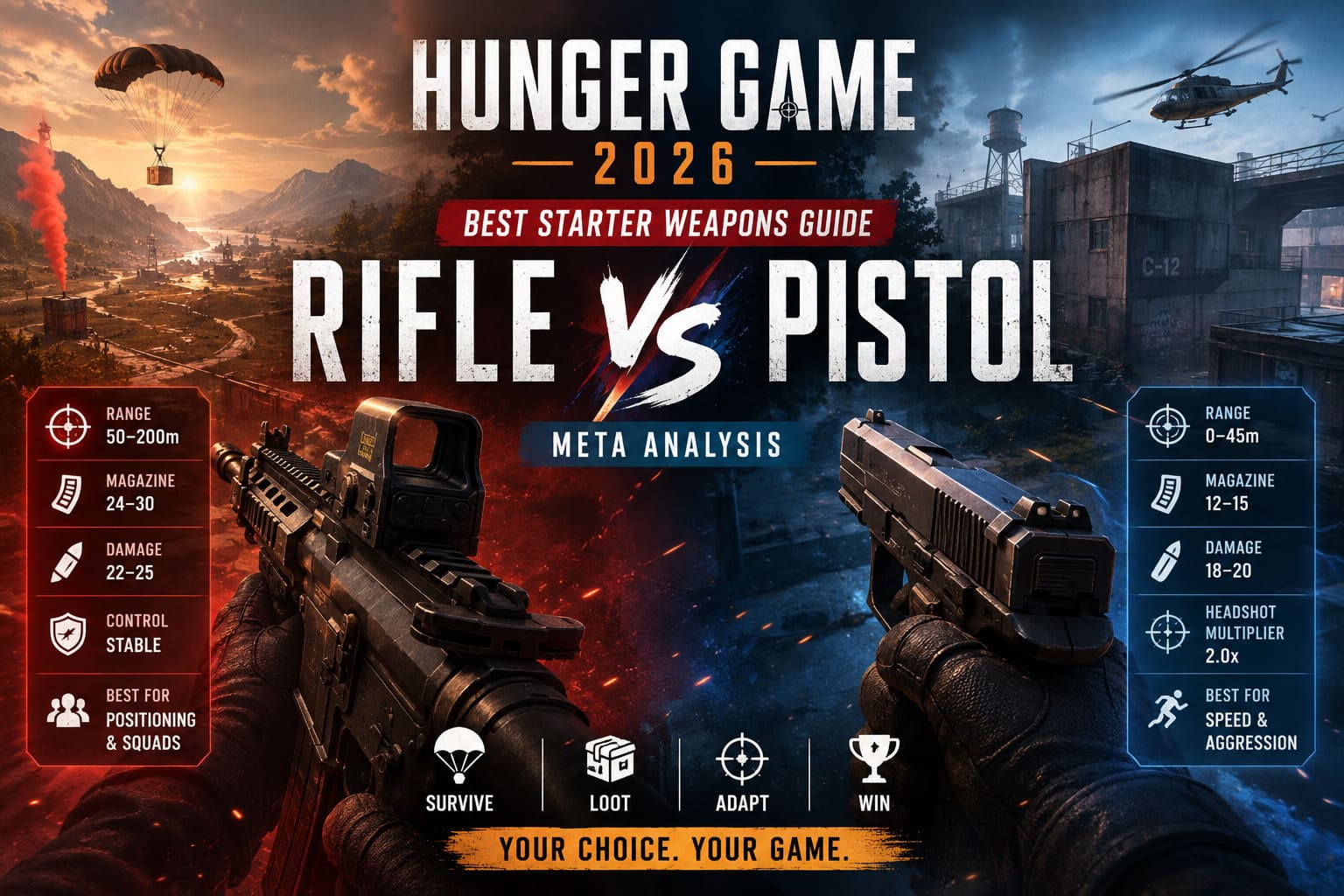
Starter Rifle — Reliable, Powerful, and Built for Control
The rifle immediately feels familiar to anyone coming from military shooters. It rewards patience, positioning, and disciplined aim instead of flashy movement.
Typical rifle characteristics include:
| Attribute | Starter Rifle |
|---|---|
| Effective Range | 50–200 meters |
| Magazine Size | 24–30 rounds |
| Body Damage | 22–25 |
| Headshot Multiplier | 1.5x |
| Recoil | Moderate vertical with light horizontal drift |
On paper, those numbers look fantastic.
The rifle gives you enough range to pressure players rotating through open terrain while maintaining respectable damage output. If your goal is surviving instead of chasing every fight, it’s difficult to ignore how much breathing room this weapon provides.
One aspect I particularly appreciate is its consistency.
Missing one bullet rarely ends the engagement because the magazine is forgiving enough to let you recover.
That isn’t true for the pistol.
Why Experienced Players Still Love the Rifle
The biggest advantage isn’t actually damage.
It’s control.
When you establish good positioning early, the rifle lets you dictate fights instead of reacting to them.
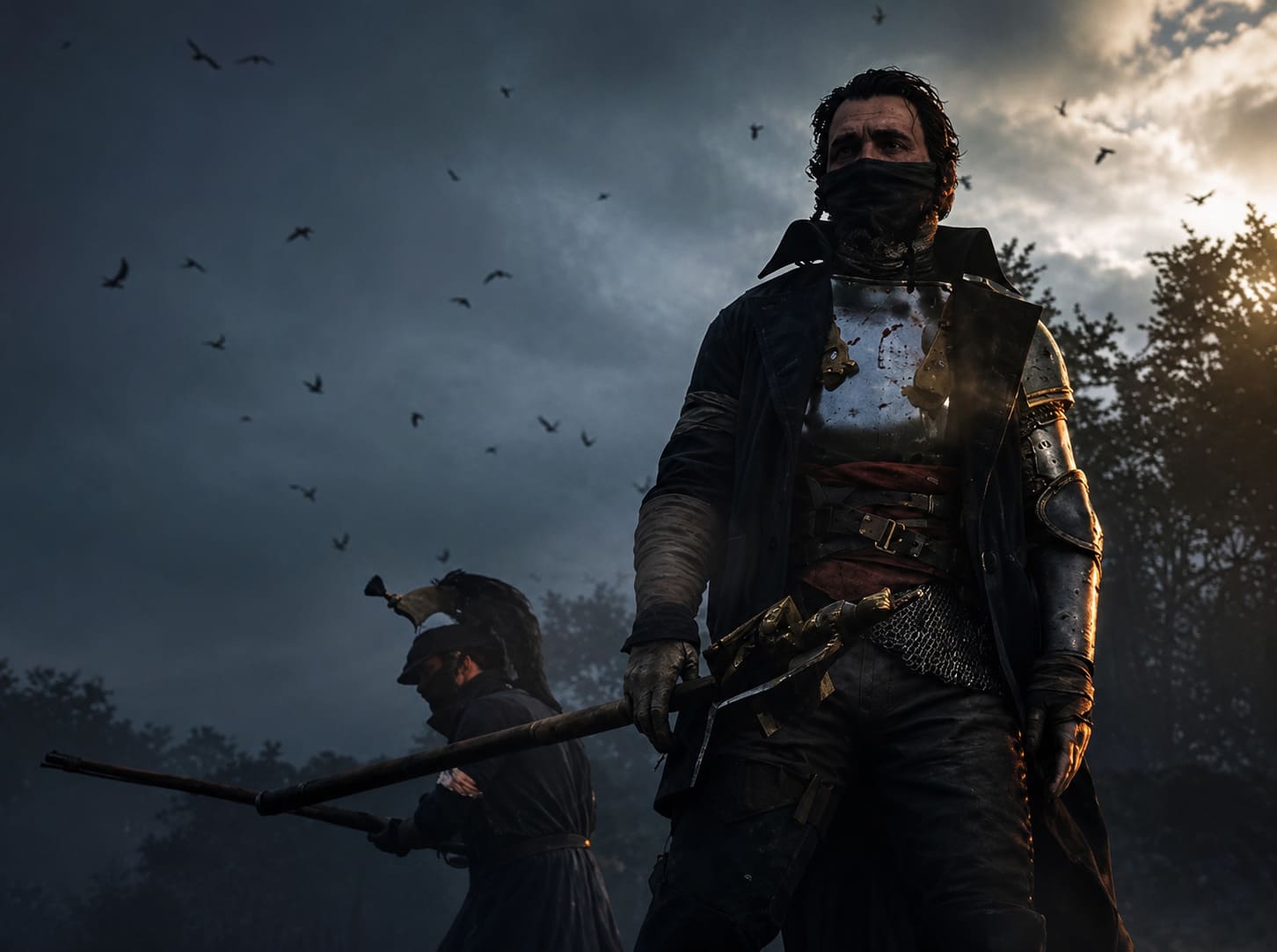
Its strongest qualities include:
- Excellent medium-range pressure
- Large magazine for extended engagements
- Reliable suppression against enemies behind cover
- Great support weapon for coordinated squads
A well-positioned rifle player often forces opponents into bad decisions before the fight truly begins.
The Rifle Isn’t Perfect
If you’ve ever been surprised inside a building, you already know where the rifle struggles.
Close quarters.
Its slower aim-down-sight animation and noticeable hip-fire spread can feel frustrating when someone slides around a corner at full speed.
Several early-game deaths happen simply because rifle users don’t have enough time to fully aim before getting overwhelmed.
In aggressive drop zones, those fractions of a second matter.
A lot.
Starter Pistol — Small Weapon, Huge Potential
Many newcomers underestimate the pistol.
That’s usually a mistake.
While its raw numbers seem weaker initially, actual gameplay tells a completely different story.
Typical pistol stats look like this:
| Attribute | Starter Pistol |
|---|---|
| Effective Range | 0–45 meters |
| Magazine Size | 12–15 rounds |
| Body Damage | 18–20 |
| Headshot Multiplier | 2.0x |
| Recoil | Very low |
The first thing you’ll notice is how incredibly responsive the weapon feels.
Movement stays fast.
ADS happens almost instantly.
Recoil barely exists.
The weapon naturally encourages aggressive play.
Mobility Is the Real Meta
After spending dozens of hours in hot-drop locations, I’ve become convinced that movement wins more early fights than raw damage.
The pistol excels because it allows players to:
- Sprint without feeling weighed down.
- Peek corners aggressively.
- Chain slides and jumps naturally.
- Track opponents while constantly moving.
This matters because the opening minute of every match is absolute chaos.
Nobody has armor.
Nobody has upgraded attachments.
Position changes every second.
The player moving faster often survives.
Headshots Completely Change the Equation
One statistic transforms the pistol from “backup weapon” into a genuine contender.
The 2.0x headshot multiplier.
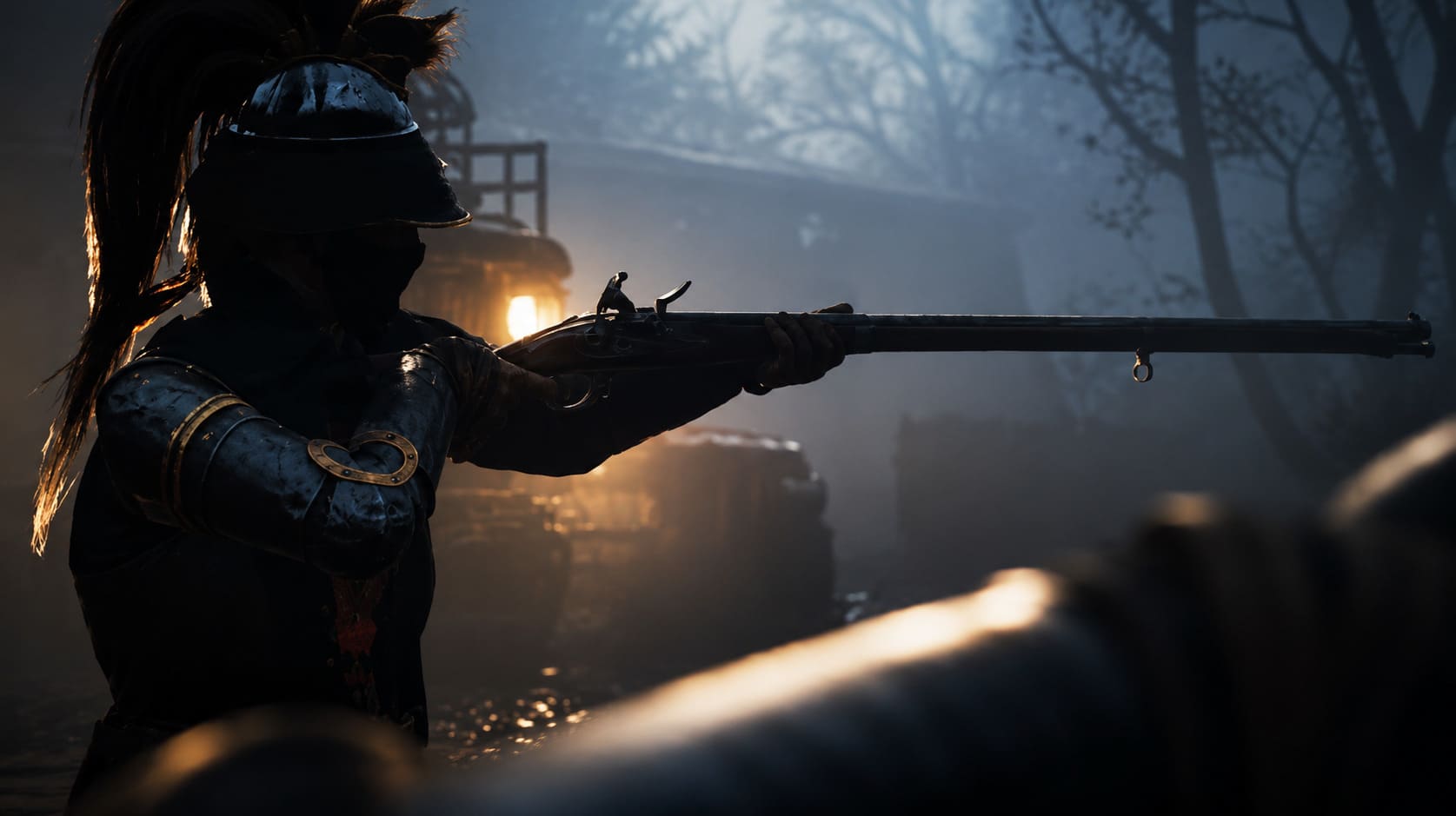
Landing consecutive headshots dramatically lowers the practical time-to-kill.
Players with strong crosshair placement regularly eliminate rifle users before those opponents finish aiming.
That’s why high-level streamers often describe the pistol as a “skill multiplier.”
Average players see average results.
Great players make it look completely broken.
Community Opinion Is Surprisingly Split
Browsing competitive discussions reveals two completely different philosophies.
One side prioritizes survival.
The other prioritizes momentum.
Rifle Supporters Argue:
- Distance equals safety.
- Positioning wins tournaments.
- Large magazines forgive mistakes.
- Better for coordinated team fights.
- Easier weapon for consistent results.
Meanwhile, Pistol Enthusiasts Believe:
- Speed beats range during opening fights.
- Mechanical skill should always be rewarded.
- Fast weapon swapping creates more opportunities.
- Headshots compensate for lower base damage.
- Mobility creates unpredictable engagements.
Neither side is entirely wrong.
They’re simply playing different games.
Maps Decide More Than Statistics
One lesson became obvious after testing both weapons across multiple environments.
Terrain changes everything.
Dense Locations
Urban districts.
Apartment complexes.
Factories.
Forests.
These areas heavily favor the pistol.
Short sightlines remove the rifle’s biggest advantage while amplifying mobility.
Quick peeks become devastating.
Open Areas
Mountain ridges.
Fields.
Bridges.
Central arena.
These locations reward rifle users.
Being able to deal damage before enemies close the distance often determines the outcome long before close combat becomes possible.
Ammo Management Is an Underrated Factor
One detail many guides barely mention deserves far more attention.
Early ammunition economy.
The rifle burns through magazines surprisingly quickly, especially if you’re applying suppressive fire or missing long-distance bursts.
Finding compatible ammo isn’t always guaranteed immediately after landing.
The pistol tells a different story.
Handgun ammunition appears almost everywhere.
Even mediocre loot routes usually provide enough rounds to comfortably survive the opening phase.
For solo players who constantly rotate through smaller buildings, this becomes a genuine advantage rather than a minor convenience.
Solo Queue Versus Squad Play
This is where the conversation gets really interesting.
The best starter weapon changes depending on how many teammates you have.
| Situation | Better Choice | Reason |
|---|---|---|
| Solo Matches | Starter Pistol | Superior mobility and faster close-range kills. |
| Duo Matches | Depends on strategy | Either weapon can succeed. |
| Full Squads | Starter Rifle | Better suppression and team support. |
| Hot Drops | Starter Pistol | Faster reactions inside buildings. |
| Edge Drops | Starter Rifle | Safer engagements over distance. |
| Competitive Teams | Starter Rifle | Greater tactical consistency. |
Personally, I almost never recommend identical loadouts for every member of a squad.
A balanced composition usually performs better.
Having one aggressive pistol player clearing interiors while teammates provide rifle overwatch creates far more pressure than everyone carrying identical equipment.
HUNGER Game Lore Explained: The Napoleonic Plague, Bacterium Origins, and Survivor Backstories
Which Weapon Fits Your Playstyle?
Choose the Starter Rifle if you:
- Prefer calculated positioning over constant aggression.
- Feel comfortable controlling recoil.
- Like supporting teammates from medium range.
- Rotate patiently around the map instead of chasing fights.
Choose the Starter Pistol if you:
- Consistently hit headshots.
- Enjoy high-speed movement mechanics.
- Drop directly into contested loot areas.
- Prefer winning fights through mechanics instead of distance.
Neither choice is wrong.
The mistake is forcing yourself into a weapon that doesn’t match your instincts.
HUNGER Game Skill Tree & Mastery Guide: Best Builds and No-Wipe Mechanics Explained (2026)
Final Verdict After Hundreds of Matches
After extensive testing, watching high-level gameplay, and comparing community strategies, I don’t think there’s a universal winner anymore.
That’s actually a compliment to the developers.
The balance between both starter weapons is far healthier than many competitive shooters manage to achieve.
For solo players, I give the edge to the Starter Pistol.
Its incredible mobility, lightning-fast handling, and devastating headshot potential create more opportunities to outplay opponents during the most chaotic stage of every match. Skilled mechanical players can squeeze unbelievable value from it, especially inside crowded landing zones where every split second counts.
For organized squads, however, the Starter Rifle remains the smarter investment.
Its dependable damage output, superior range, and ability to lock down lanes make coordinated teams dramatically more difficult to challenge. Good communication turns the rifle into far more than a simple weapon—it becomes an area-denial tool that shapes the flow of the entire early game.
The biggest lesson I’ve learned isn’t that one weapon replaces the other.
The strongest players adapt.
They understand when mobility matters, when positioning matters, and when it’s finally time to swap that trusty pistol for a stronger rifle found later in the match.
Mastering that transition—not blindly committing to one weapon—is what separates consistent winners from players who spend more time staring at the lobby screen than fighting for victory.
So the next time you land, don’t just grab the first gun you see. Think about the terrain, your squad, your confidence with movement, and the fights you’re about to take. Make the right opening choice, and you’ll give yourself the best possible chance to survive long enough for the real Hunger Games to begin.