State of Decay 3 Canceled? Undead Labs Facing Xbox Closure Risk Despite Showcase and Playtests
The gaming industry has seen its fair share of shocking pivots, but the situation surrounding State of Decay 3 in mid-2026 feels different. It’s not just another development delay or creative reboot — it’s a collision between public hype and corporate reality that has left even long-time players scratching their heads.
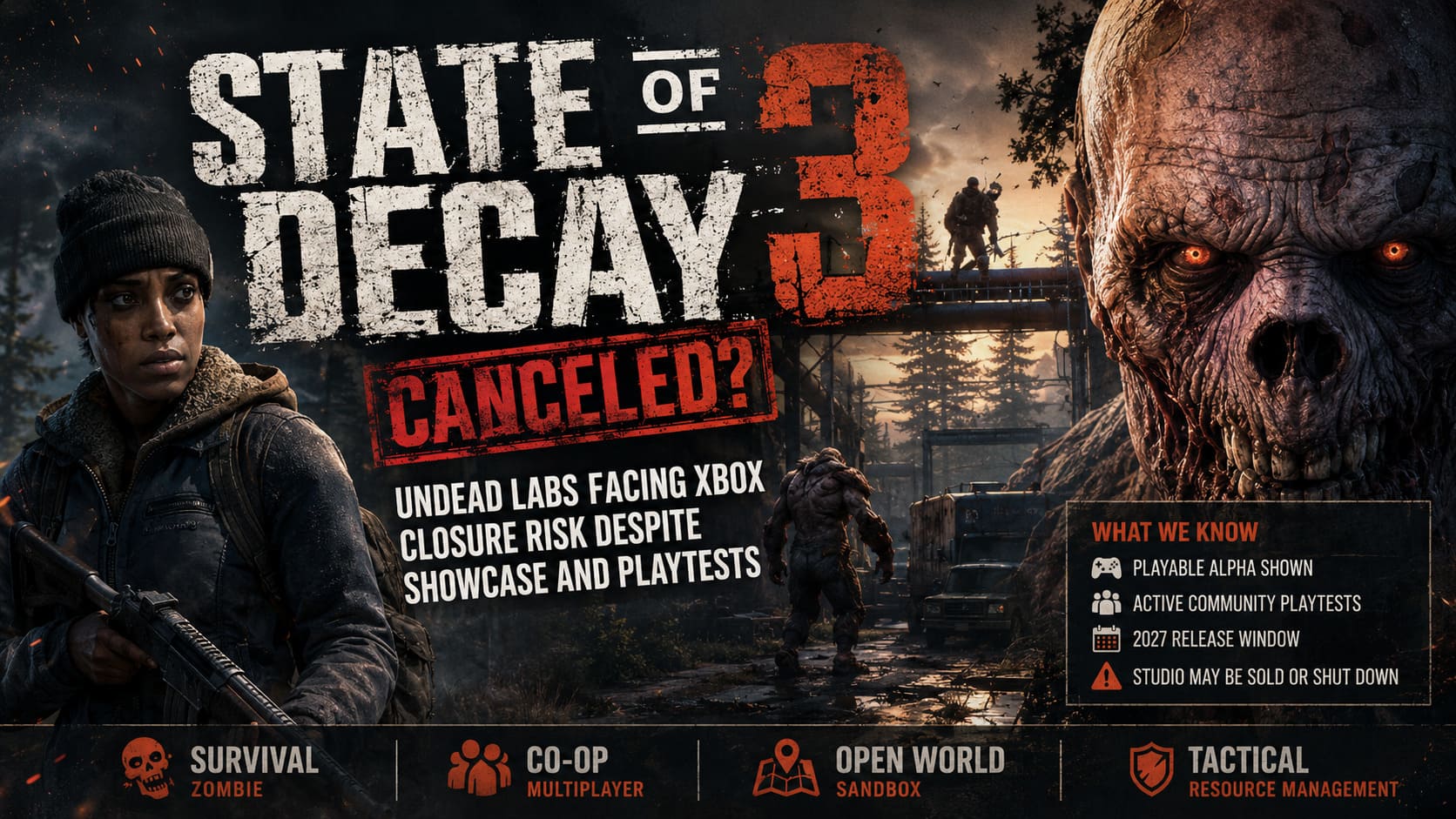
As someone who has spent years across survival sandboxes, zombie sims, and co-op grind-heavy titles, I’ve learned to read between the lines of marketing showcases. But this time, the signals are genuinely contradictory. One moment, the game is being presented as a flagship Xbox survival experience; the next, reports suggest its studio, Undead Labs, could be on the chopping block if Microsoft fails to find a buyer.
Games Workshop DMCA Strikes Tabletop Simulator Warhammer 40k 11th Edition Mods
The Strange Case of a “Nearly Finished” Game That Might Not Exist
On paper, State of Decay 3 looks closer to release than ever. The Xbox Games Showcase earlier in 2026 presented a surprisingly ambitious build: massive open environments, expanded cooperative survival systems, and a world reportedly four times larger than its predecessor. For fans of the franchise, it felt like the long wait had finally paid off.
Even more unusual, the studio has been unusually transparent. Public alpha playtests, creator gameplay captures, and developer-led breakdown podcasts have all contributed to the impression that the project is deep in production and structurally stable.
And yet, behind this polished surface, reports claim Microsoft is exploring the sale of Undead Labs as part of a broader restructuring strategy. If no buyer emerges, the studio itself could be shut down — and with it, State of Decay 3 would likely vanish entirely.
Why the Situation Feels So Confusing for Players
From a player’s perspective, this contradiction is hard to digest. We are used to cancellations happening early in development, not after playable builds, public showcases, and creator access. That’s what makes this case feel so unstable.
In many ways, it highlights a growing tension in modern game development: the gap between marketing pipelines and internal corporate decision-making. A game can look “almost ready” publicly, while still being financially vulnerable internally.
Here’s how the perception gap currently looks:
| Public Messaging | Internal Reality (Reported) |
|---|---|
| Playable alpha showcased at Xbox event | Studio potentially being sold or closed |
| 2027 release window suggested | Project stability uncertain |
| Active community playtests | Corporate restructuring pressure |
| Multiplatform ambitions (Xbox, PC, PS5) | Funding and ownership instability |
This kind of disconnect is exactly what frustrates long-term gamers like me. It feels like watching a train being advertised as “arriving soon” while someone in the control room is actively debating whether to keep the rails in place.
The Bigger Microsoft Strategy Problem
The reported reasoning behind Microsoft’s actions isn’t random — it’s strategic, even if controversial. The company has allegedly shifted focus toward tightening its first-party portfolio around massive, predictable franchises.
In this model, games like Halo, Fallout, and The Elder Scrolls are considered “safe pillars,” while mid-sized studios face more scrutiny. Even critically respected developers are reportedly under pressure if their output doesn’t align with long-term subscription performance expectations.
From a business perspective, it makes sense. From a gaming perspective, it feels like erosion.
One of the most debated aspects is the impact of subscription-first ecosystems like Game Pass. While they’ve made games more accessible, they also change how success is measured. Instead of strong individual sales, studios are evaluated on engagement metrics, retention, and long-term ecosystem value — metrics that don’t always favor experimental or mid-budget survival titles.
Why Undead Labs Became Vulnerable
Undead Labs sits in a strange middle ground. It’s not a small indie studio, but it’s not a flagship AAA powerhouse either. That “mid-tier AAA” position is exactly what makes it vulnerable in a tightening corporate structure.
Reports suggest around 110 employees could be affected if the studio fails to secure external investment or a buyer. That alone adds emotional weight to what might otherwise be seen as corporate reshuffling.
From a player standpoint, Undead Labs has always represented a specific kind of design philosophy: systems-driven survival rather than cinematic spectacle. That identity doesn’t always translate into blockbuster-level financial metrics, even if the fanbase is loyal.
Community Reaction: Frustration, Fatigue, and Distrust
If there’s one predictable element in this situation, it’s the community reaction — and it’s not positive. Across Reddit, YouTube, and gaming forums, players are expressing a mix of frustration and exhaustion.
A recurring sentiment is that Xbox’s communication strategy has become increasingly difficult to trust. Players are being invited into alpha tests for games that may not survive internal financial reviews, which creates a strange emotional disconnect.
One widely shared community joke describes the situation as “Schrödinger’s Xbox games” — simultaneously in development and canceled until proven otherwise.
As a longtime player, I understand the humor, but it comes from real fatigue. People don’t mind waiting for games; they mind investing emotionally in something that might disappear due to decisions far removed from development teams.
What Makes This Case Different From Normal Cancellations
Game cancellations aren’t new. Projects get shelved every year. What makes this situation stand out is timing and visibility.
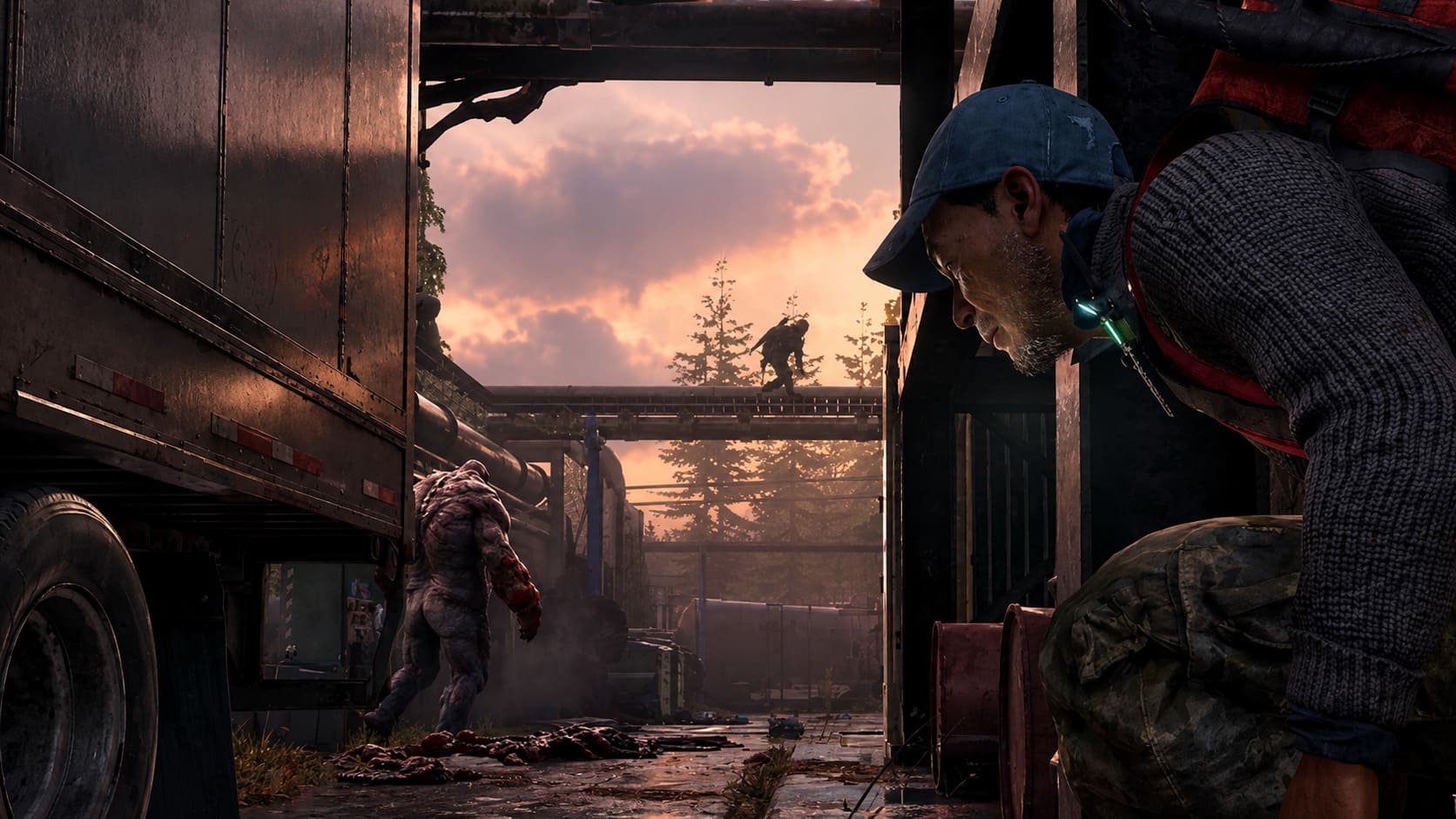
We are not dealing with a hidden prototype or early concept stage. We are dealing with:
- A publicly shown gameplay build
- Active community testing
- A previously announced release window
- Cross-platform positioning (Xbox, PC, PlayStation 5)
In other words, this isn’t a game quietly fading away — it’s a game that was actively being presented as a near-finished product while its future was reportedly being questioned internally.
What Happens If Undead Labs Is Sold — or Shut Down
The most optimistic scenario is acquisition. If another publisher or investment group steps in, State of Decay 3 could continue development under new ownership. That would likely preserve most of the work already done, even if timelines shift.
The worst-case scenario is closure. In that case, the game would likely be shelved indefinitely, joining the long list of ambitious projects that never reached release despite being far along in production.
What makes this particularly painful is that survival sandbox games don’t get many high-budget chances anymore. Losing a project like this doesn’t just affect one studio — it narrows the entire genre landscape.
Final Thoughts: A Game That Feels Real Until It Doesn’t
The strange thing about State of Decay 3 is that it already feels real. Players have seen it, played it in limited form, and discussed its systems in detail. And yet, reality in modern gaming is not defined by visibility — it’s defined by financial alignment.
As someone who has watched countless survival games rise and fall, this situation feels less like an isolated incident and more like a warning sign for how AAA development is evolving. The gap between what we see and what actually survives corporate restructuring is getting wider.
For now, the game is still technically alive. But in today’s industry, “alive” doesn’t always mean safe.
Whether State of Decay 3 becomes a landmark survival sequel or another cautionary tale depends entirely on decisions happening far away from the players who are already in its world.