
Phasmophobia vs The Mound: Omen of Cthulhu — Which is the Scarier Co-op?
If you’ve been around my streams for a while, you already know I’m picky with horror co-op games. Not because I’m brave (I’m absolutely not), but because most of them fall into two categories: either they’re slow-burn masterpieces that respect tension… or they’re jump-scare simulators that get old after two sessions.
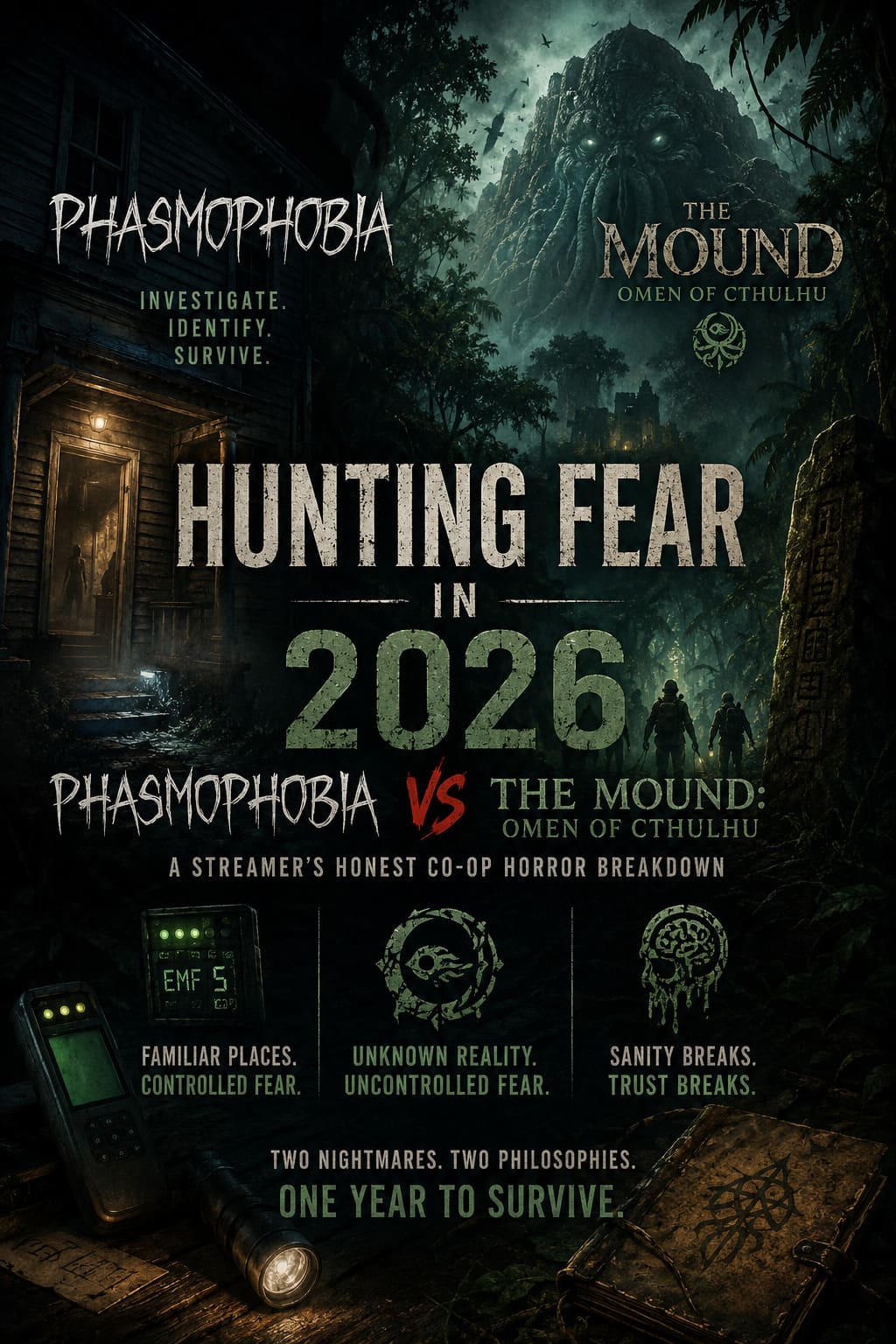
So when I booted up both Phasmophobia and the upcoming The Mound: Omen of Cthulhu, I didn’t expect a real genre split moment. But that’s exactly what this is. These two games are not competing for the same crown — they’re building two completely different nightmares.
Let me break it down like I would on stream after a long night of screaming into a mic.
The Mound Omen of Cthulhu gameplay mechanics review 2026!
Two Games, Two Types of Fear
Phasmophobia is that familiar kind of terror. You’re in a house that looks like it came from your neighbor’s street, holding a flashlight, trying to convince your friends that the EMF spike wasn’t “just lag.” It’s grounded, methodical, and weirdly realistic in its pacing.
The Mound: Omen of Cthulhu? That’s the opposite energy entirely. This is jungle rot, ancient curses, and “why is reality bending behind that tree” type of horror. It feels less like ghost hunting and more like you signed up for an expedition you should’ve absolutely refused.
As a streamer, I can already tell: Phasmophobia is the “chat, stay calm” game. The Mound is the “WHY IS THE MAP MOVING?!” game.
Atmosphere: Familiar Homes vs Reality-Breaking Wilderness
Phasmophobia thrives on familiarity. Houses, schools, barns — environments you recognize instantly. That makes the supernatural intrusion more personal. It feels like something that could happen next door.
The Mound removes that safety net completely. You’re deep in a hostile jungle inspired by Lovecraftian mythology. And it’s not static. Trees shift. Paths feel wrong. Landmarks don’t stay trustworthy.
From my experience watching both styles play out:
- Phasmophobia = Controlled fear in known spaces
- The Mound = Uncontrolled fear in unknown reality
Core Gameplay Loop: Investigation vs Survival Economy
In Phasmophobia, the loop is clean: enter location, find ghost room, collect evidence, identify entity type, escape if you survive your friend yelling that it’s hunting. It’s basically paranormal deduction wrapped in a horror logic puzzle.
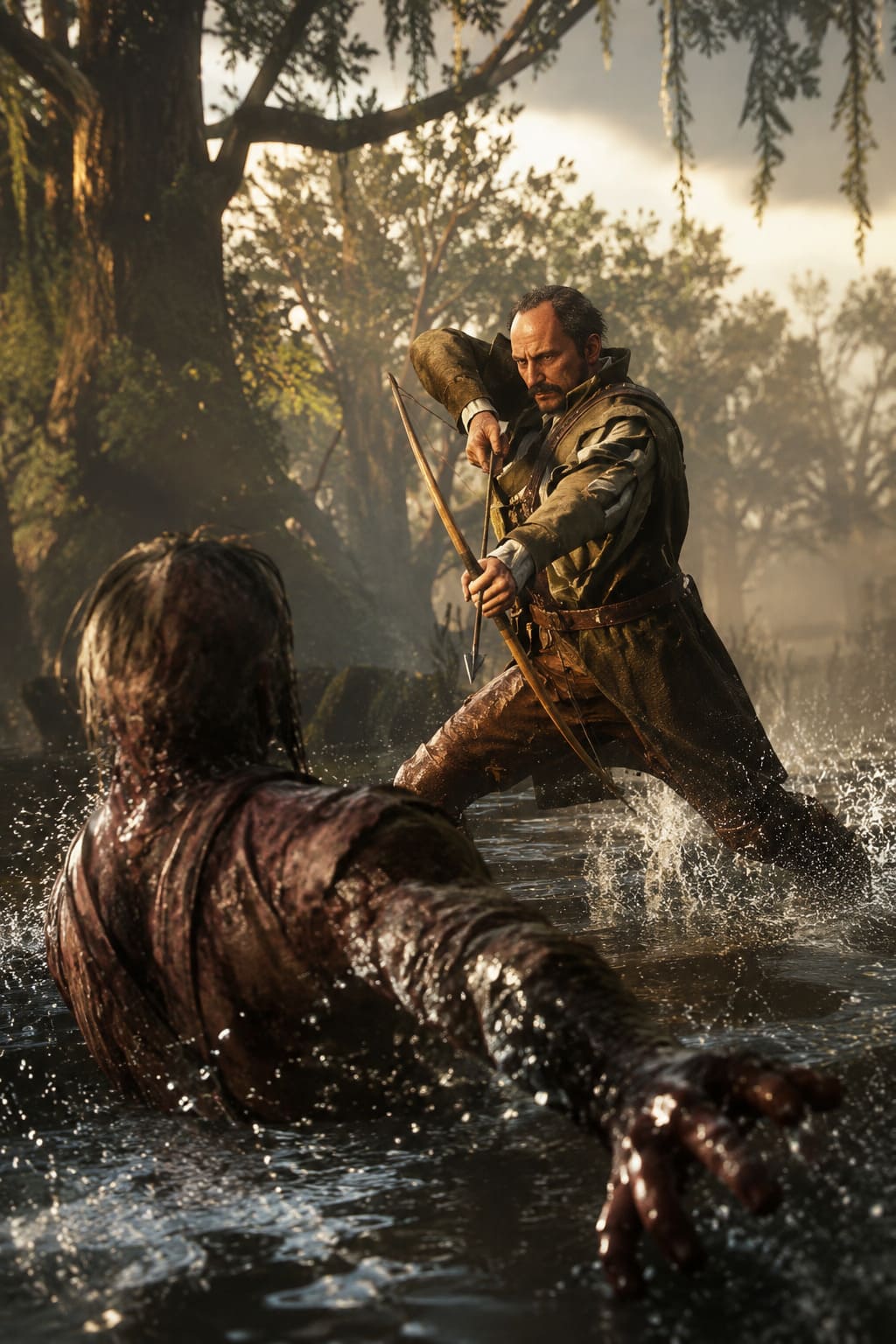
In The Mound, the loop feels more like moving deeper into the jungle, collecting relics and loot, managing sanity, and deciding how greedy your team is willing to be while praying the jungle doesn’t notice you too much.
There’s a risk versus reward system here that changes everything. The more you take, the more the world pushes back.
Sanity Systems: Subtle Pressure vs Psychological Collapse
Sanity in Phasmophobia controls how aggressive the ghost becomes. Lower sanity means more hunts and more panic. It’s simple, predictable, and effective.
The Mound takes that concept and weaponizes perception itself. At low sanity, you don’t just see spooky events — you start misreading reality. Teammates may not look like teammates anymore.
Imagine mid-stream chaos like:
“Bro why is John running at us with a machete—WAIT THAT’S JOHN???”
That’s the kind of paranoia loop The Mound is building. It doesn’t just scare you — it destabilizes trust inside the squad.
Comparison Table: Two Horror Philosophies
| Feature | Phasmophobia | The Mound: Omen of Cthulhu |
|---|---|---|
| Setting | Realistic buildings | Cosmic cursed jungle |
| Core Focus | Investigation | Survival + extraction |
| Fear Style | Psychological tension | Reality distortion |
| Sanity Effect | Ghost aggression | Hallucinations & confusion |
| Team Dynamic | Coordination | Distrust & paranoia |
| Replayability | Procedural ghosts | Reactive world systems |
Graphics & Immersion: Indie Charm vs AAA Pressure
Phasmophobia carries that classic indie Unity identity. It’s not about visual perfection — it’s about atmosphere and function. It runs well, feels accessible, and VR integration still delivers strong immersion when it behaves properly.
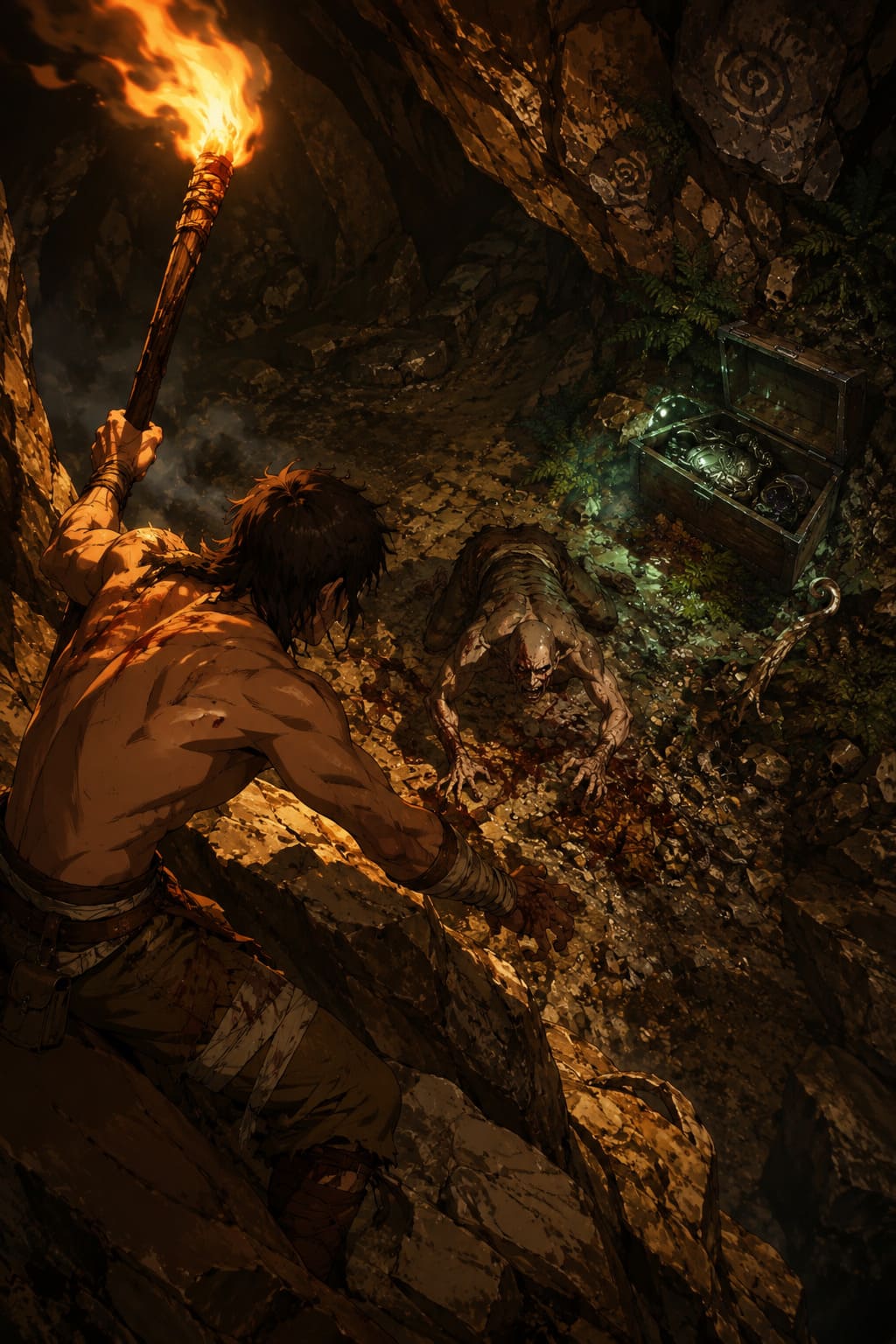
The Mound leans heavily into cinematic presentation. Dense jungle lighting, shifting shadows, and high-end rendering create a visually oppressive world that feels like a horror film you are trapped inside.
From a streamer perspective:
- Phasmophobia = accessible horror sessions
- The Mound = hardware-melting cinematic tension
Replay Value: Comfort Loop vs Unpredictable Descent
Phasmophobia has already proven its longevity. Even after hundreds of hours, ghost behavior variation keeps sessions fresh. The structure is consistent, but the outcomes are not.
The Mound aims higher with environmental unpredictability. Instead of only changing enemies, it changes perception and reality flow itself. If it works properly, it could redefine co-op horror replayability.
The risk is complexity becoming unreadable over time, but the potential payoff is massive.
My Streamer Verdict: Which One Gets More Playtime?
I’m not choosing a winner because they’re not trying to do the same thing.
Phasmophobia is my “late-night comfort horror.” It’s structured, reliable, and perfect for community chaos. Chat guesses, friends panic, and everything feels controlled enough to be fun.
The Mound is the opposite. It’s the game I play when I want unpredictability and psychological pressure that slowly strips control away. It’s not comfortable — it’s intense, and probably exhausting in the best way.
Final Thoughts
If co-op horror used to be about learning ghost patterns and surviving hunts, 2026 feels like a shift toward psychological instability and environmental unpredictability.
Phasmophobia perfected structured fear.
The Mound is trying to break structure entirely.
And honestly, as someone who streams these games regularly, I’m glad both exist. One keeps the community engaged and interactive. The other looks like it will turn that interaction into nervous silence.
Either way, I’ll be streaming both — just don’t expect calm commentary when things go wrong.


