Hololive Dreams Team Composition Guide: Best Meta Idol Teams for High Scores (2026)
When I jump into a brand-new rhythm game, I usually spend the first few days ignoring tier lists. I play whoever I like, test weird combinations, fail a lot, and slowly learn how the game actually wants to be played. That’s exactly how I approached hololive Dreams (or holodori, as most players already call it). After dozens of hours experimenting with different idols, comparing score results, and watching how top players structure their squads, one thing became obvious: this isn’t just another rhythm game where your reflexes alone decide everything.
The rhythm mechanics are excellent, but your team composition matters just as much as your timing.
If you’re chasing SSS clears, event rankings, or simply want your scores to stop plateauing, building a smart team makes a much bigger difference than pulling random SSR cards and hoping for the best.
This isn’t meant to be the ultimate law of the meta. It’s simply my own experience as someone who loves trying every new game that launches and enjoys squeezing every bit of performance from its systems. Some of these teams are incredibly powerful, while others simply feel more consistent over hundreds of songs.
Why Team Building Is More Important Than Perfect Accuracy
One thing I appreciate about hololive Dreams is that it rewards planning almost as much as mechanical skill.

Even if you’re landing almost every note, a poorly constructed team can leave millions of points on the table. Meanwhile, a properly optimized squad constantly feeds itself with score bonuses, combo protection, and passive effects that activate throughout the song.
Instead of looking at every card individually, I started thinking about each team as one complete engine.
The strongest teams usually combine three things:
- A leader who boosts the entire squad
- Reliable score multipliers
- Passive skills that activate consistently during difficult songs
When those three pieces come together, score growth feels surprisingly dramatic.
My Favorite General-Purpose Meta Team
If I had to recommend just one lineup for players who don’t want to rebuild their team every few songs, this would easily be my first choice.
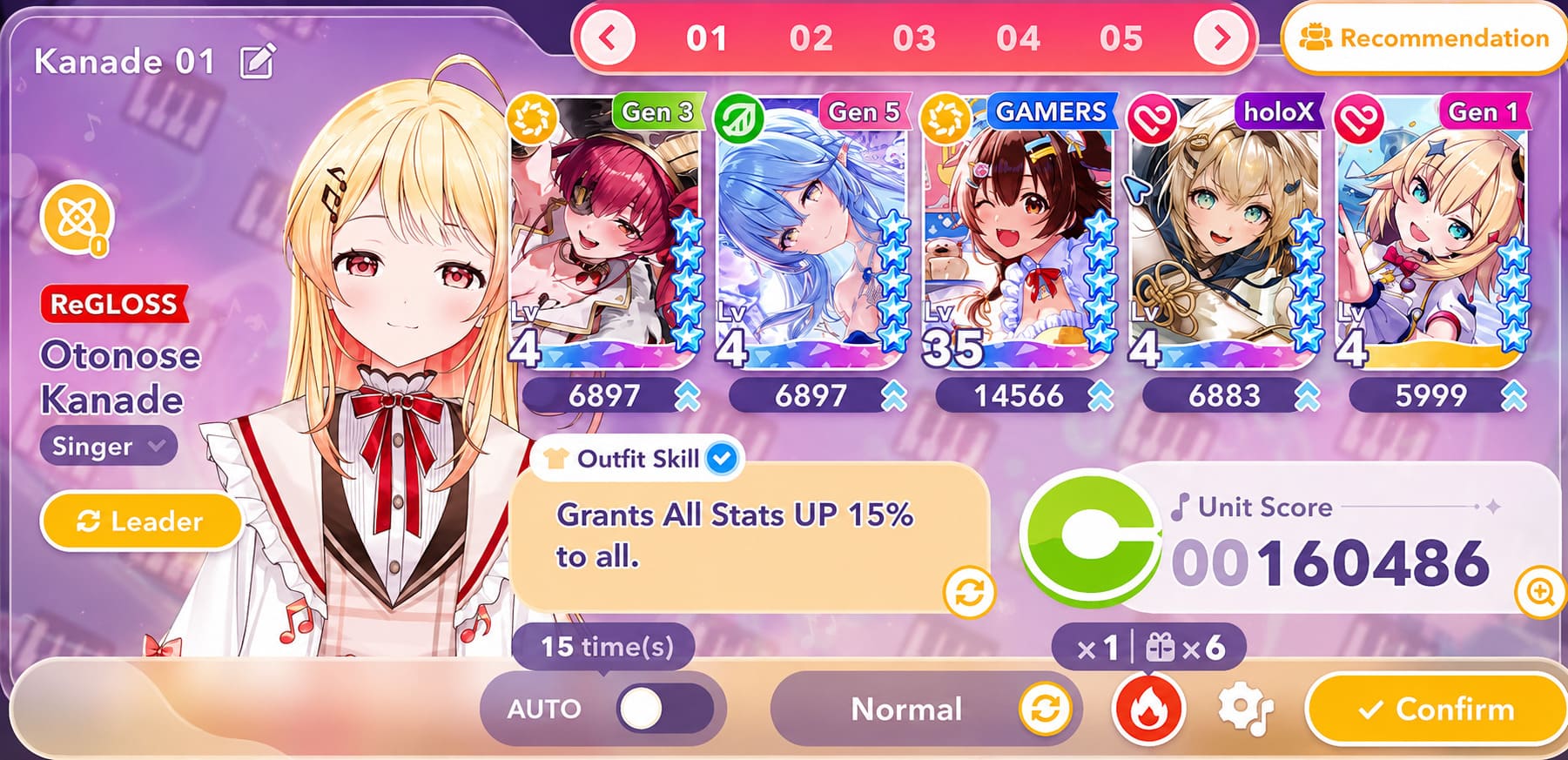
| Position | Recommended Idol | Primary Role |
|---|---|---|
| Center | Pavolia Reine (SSR) | Team Leader |
| Slot 2 | Hoshimachi Suisei (SSR) | Burst Scoring |
| Slot 3 | AZKi (SSR) | Long Note Specialist |
| Slot 4 | Nakiri Ayame (SSR) | Team Buffer |
| Slot 5 | Natsuiro Matsuri (SSR) | Combo Protection |
Why I Like This Team
Pavolia Reine feels like the glue that holds everything together.
Her leadership bonus gives the entire lineup a noticeable scoring increase, while Suisei delivers some of the biggest burst windows currently available.
AZKi became one of my favorite support units after spending time on harder songs. Long-note sections suddenly become much more rewarding instead of simply being combo fillers.
Ayame quietly improves everyone’s overall performance, while Matsuri helps reduce the frustration of losing huge combos because of one slightly late input.
No team is completely perfect, but this one rarely disappoints.
The Flower Attribute Team That Never Feels Weak
Some attribute-specific songs heavily reward matching colors, and that’s where mono-attribute teams really begin to shine.
This Flower-focused lineup surprised me because every member contributes something meaningful.
| Position | Idol | Main Purpose |
|---|---|---|
| Center | Shirogane Noel (SSR) | Flower Leader |
| Slot 2 | Tsunomaki Watame (SSR) | Sustained Scoring |
| Slot 3 | Momosuzu Nene (SSR) | Fever Specialist |
| Slot 4 | Fuwawa Abyssgard (SSR) | Passive Team Boost |
| Slot 5 | Oozora Subaru (SSR) | Stability |
What Makes It Strong
Rather than producing huge bursts immediately, this squad slowly builds momentum.
Watame rewards clean gameplay.
Nene transforms Fever sections into massive point opportunities.
Fuwawa quietly improves everyone’s output throughout the song, while Subaru gives just enough survivability for difficult charts without sacrificing too much offensive power.
Whenever I know I’m entering a Flower-heavy playlist, this is usually the first team I load.
Wind Teams Are Surprisingly Fun
I’ll admit something.
I wasn’t expecting the Wind attribute to become one of my favorites.
It looked gimmicky at first, but after enough matches I realized these teams excel at maintaining ridiculous combo chains.
My preferred lineup looks like this.
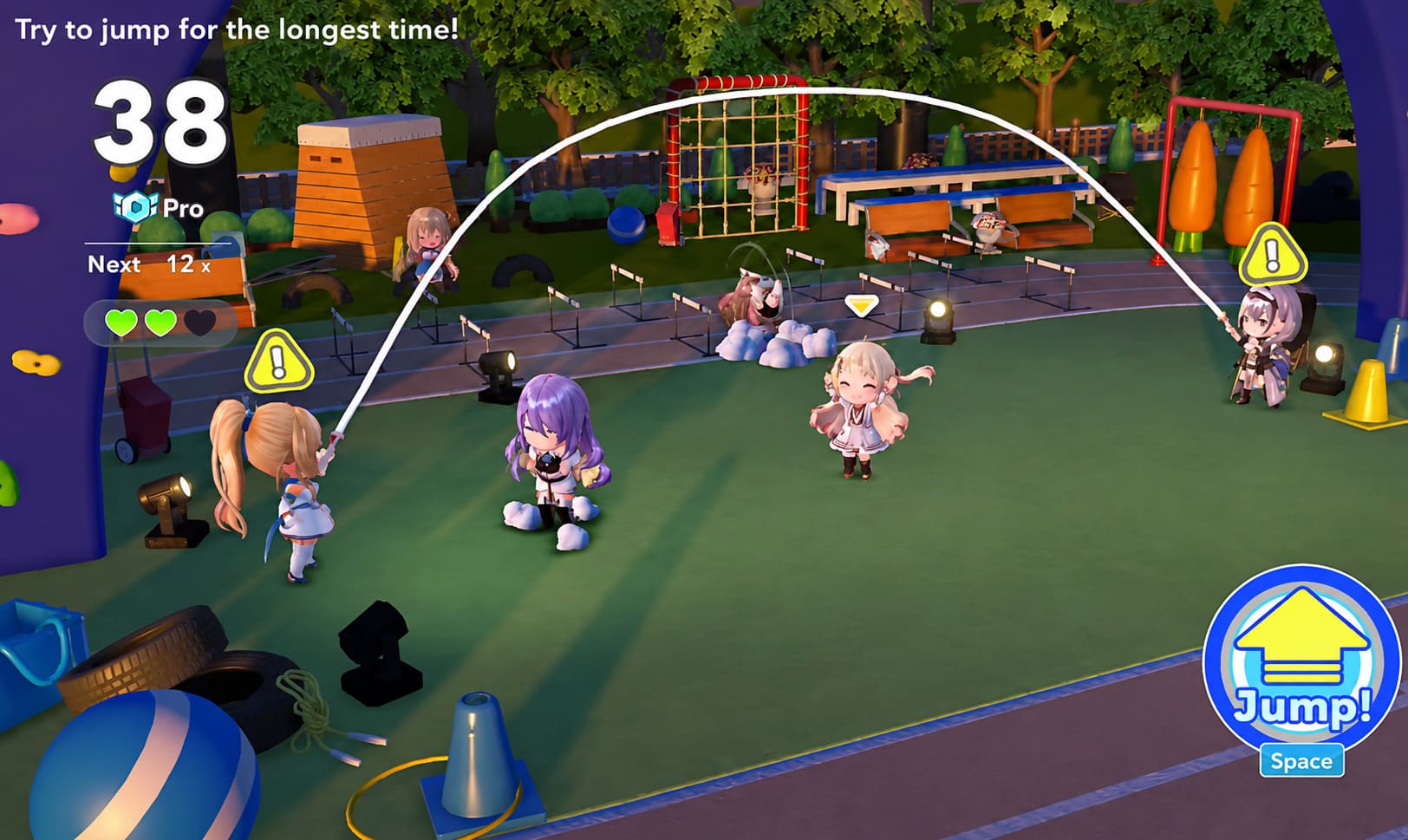
| Position | Idol | Specialty |
|---|---|---|
| Center | Tokoyami Towa (SSR) | Passive Engine |
| Slot 2 | Shishiro Botan (SSR) | Rapid Score Boost |
| Slot 3 | Hakos Baelz (SSR) | Random Burst Damage |
| Slot 4 | IRyS (SSR) | Risk vs Reward |
| Slot 5 | Gawr Gura (SSR) | Combo Insurance |
My Thoughts
This isn’t the safest composition.
It’s also not the easiest one to master.
But it’s easily one of the most entertaining teams I’ve played.
Botan constantly rewards fast gameplay.
Baelz adds a bit of unpredictability that somehow makes every run feel different.
IRyS asks you to manage your health carefully, while Gura quietly saves runs that otherwise would’ve ended because of a single mistake.
For experienced rhythm players, this setup feels incredibly satisfying.
Don’t Ignore Leader Skills
If there’s one mistake I see newer players making, it’s focusing entirely on card rarity.
SSR cards are obviously powerful, but leader skills often determine whether the rest of your team reaches its full potential.
Sometimes replacing one individually stronger unit with another character that actually matches your team’s attribute produces noticeably better results.
That’s why I usually build around the leader first before filling the remaining slots.
It saves resources later and creates much better long-term progression.
Combo Protection Is Worth More Than It Looks
I’ll be honest.
I used to underestimate combo protection.
Then I started pushing Master difficulty.
Missing one note during a high multiplier hurts far more than most people expect.
Characters capable of protecting combos or converting slightly inaccurate taps into Perfect hits often generate higher overall scores than another raw scoring unit.
It doesn’t sound flashy.
It wins games anyway.
Build Around Songs Instead of Characters
This was probably the biggest lesson I learned.
Early on I tried putting all my favorite Hololive members into one team.
It looked fantastic.
It wasn’t very effective.
Eventually I started matching teams to each song’s attribute instead.
The improvement was immediate.
Even if your favorite idol stays on the bench for one playlist, they’ll likely become the MVP during another.
Hololive Dreams quietly encourages players to build multiple specialized squads instead of relying on a single universal team forever.
I actually enjoy that approach because it gives nearly every SSR a reason to exist.
Progression Tips I Wish I Knew Earlier
A few habits helped me progress much faster than simply grinding songs repeatedly.
- Pick an SSR that can anchor multiple future teams instead of chasing short-term favorites.
- Upgrade passive skill improvements before investing heavily into survival bonuses.
- Keep several mono-attribute teams ready for different playlists.
- Spend time upgrading side progression systems whenever permanent account bonuses become available.
- Practice difficult charts with survival-oriented teams first before switching to full scoring builds.
These small optimizations stack surprisingly quickly over time.
Are Healers Actually Worth Using?
This depends entirely on your goals.
If you’re competing for leaderboard positions, healers usually aren’t my first recommendation.
Pure scoring teams almost always produce better results once you’ve mastered the charts.
However, if you’re still learning difficult songs, a healer can easily outperform another damage-focused unit simply because surviving the entire song produces higher total scores than failing halfway through.
There’s absolutely nothing wrong with training using a safer lineup before transitioning into full offensive teams.
How to Fix hololive Dreams Connection Failed on Login Screen Error (2026 Guide)
Final Thoughts
Hololive Dreams turned out to be much deeper than I expected from its first weeks after launch.
The rhythm gameplay is already satisfying, but what keeps bringing me back is experimenting with different team combinations. Every time I think I’ve found the “perfect” setup, another attribute-focused squad surprises me with a better performance on a completely different song.
If I had to leave new players with one piece of advice, it would be this: don’t chase the meta blindly—understand why the meta works.
Learning how leader skills interact with passive abilities, why attribute matching matters, and when combo protection becomes more valuable than another scoring bonus will help your account far more than copying someone else’s roster card for card.
At the end of the day, Hololive Dreams is still about enjoying great music, celebrating your favorite talents, and steadily improving with every performance. Optimizing your teams simply makes that journey even more rewarding, and few things feel better than watching a carefully planned squad carry you to a brand-new personal best after hours of experimentation.