Gothic 1 Remake Orc Combat Guide: Crucial Weaknesses and Combat Strategies
The moment you spot your first Orc in Gothic 1 Remake, the game stops feeling like a rough adventure and starts feeling like a survival horror experience.
I’m not exaggerating.
Scavengers? Annoying.
Wolves? Dangerous in packs.
Orcs? Absolute monsters.
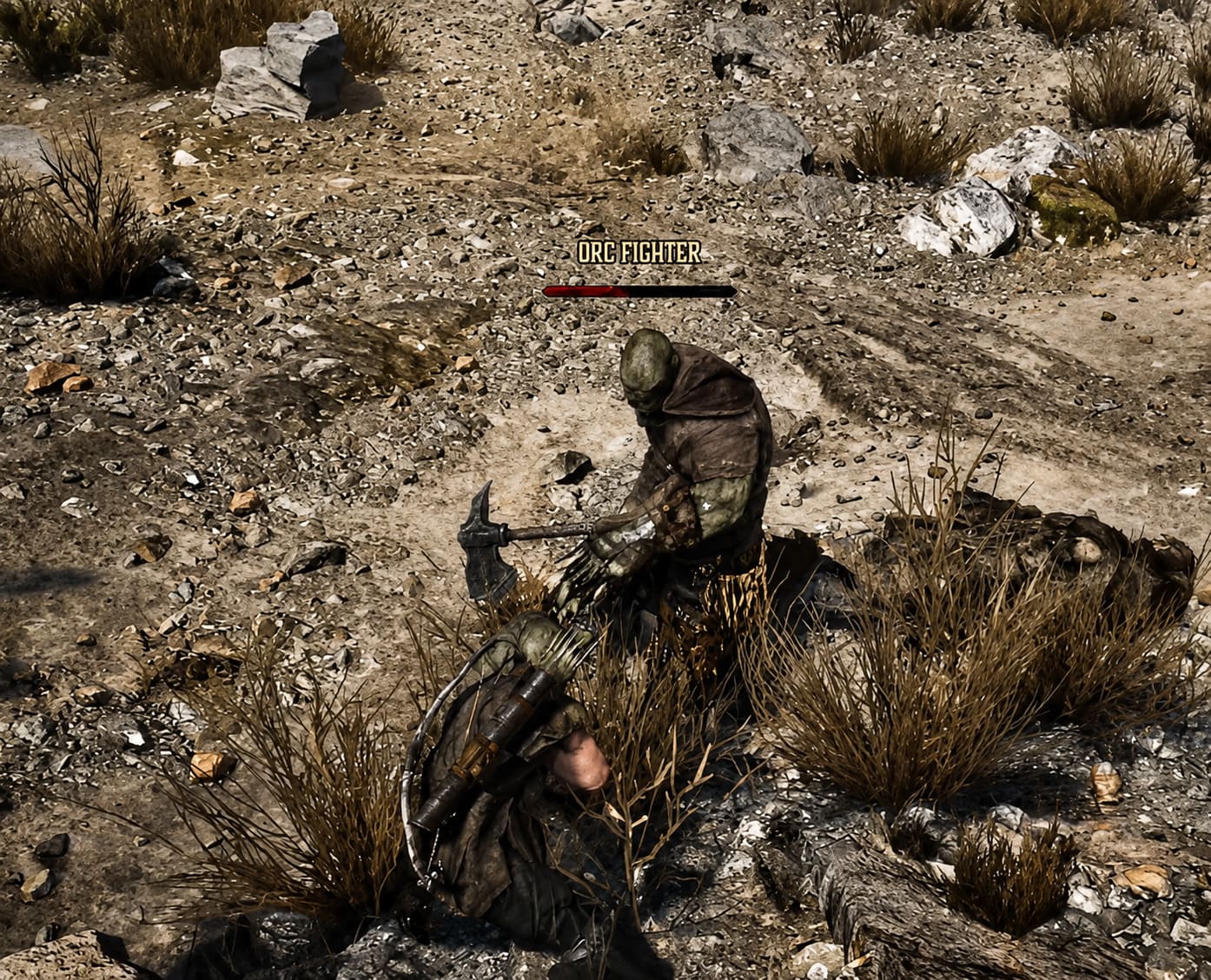
The first time I wandered too close to Orc territory, I thought my upgraded gear would be enough. A few seconds later, my character was lying face-down in the dirt after getting smashed by a weapon that looked bigger than he was.
After spending dozens of hours experimenting with different builds, weapons, and combat approaches, one thing became crystal clear: Orcs aren’t unbeatable. They’re intimidating, brutal, and heavily armored, but they also have several exploitable weaknesses that experienced players can use to turn impossible encounters into easy victories.
This guide breaks down exactly how Orcs behave, where their AI struggles, and which combat tactics consistently work in Gothic 1 Remake.
Know Your Enemy Before You Draw Your Weapon
One of the biggest mistakes new players make is assuming every Orc is essentially the same enemy with a different health pool.
That couldn’t be further from the truth.
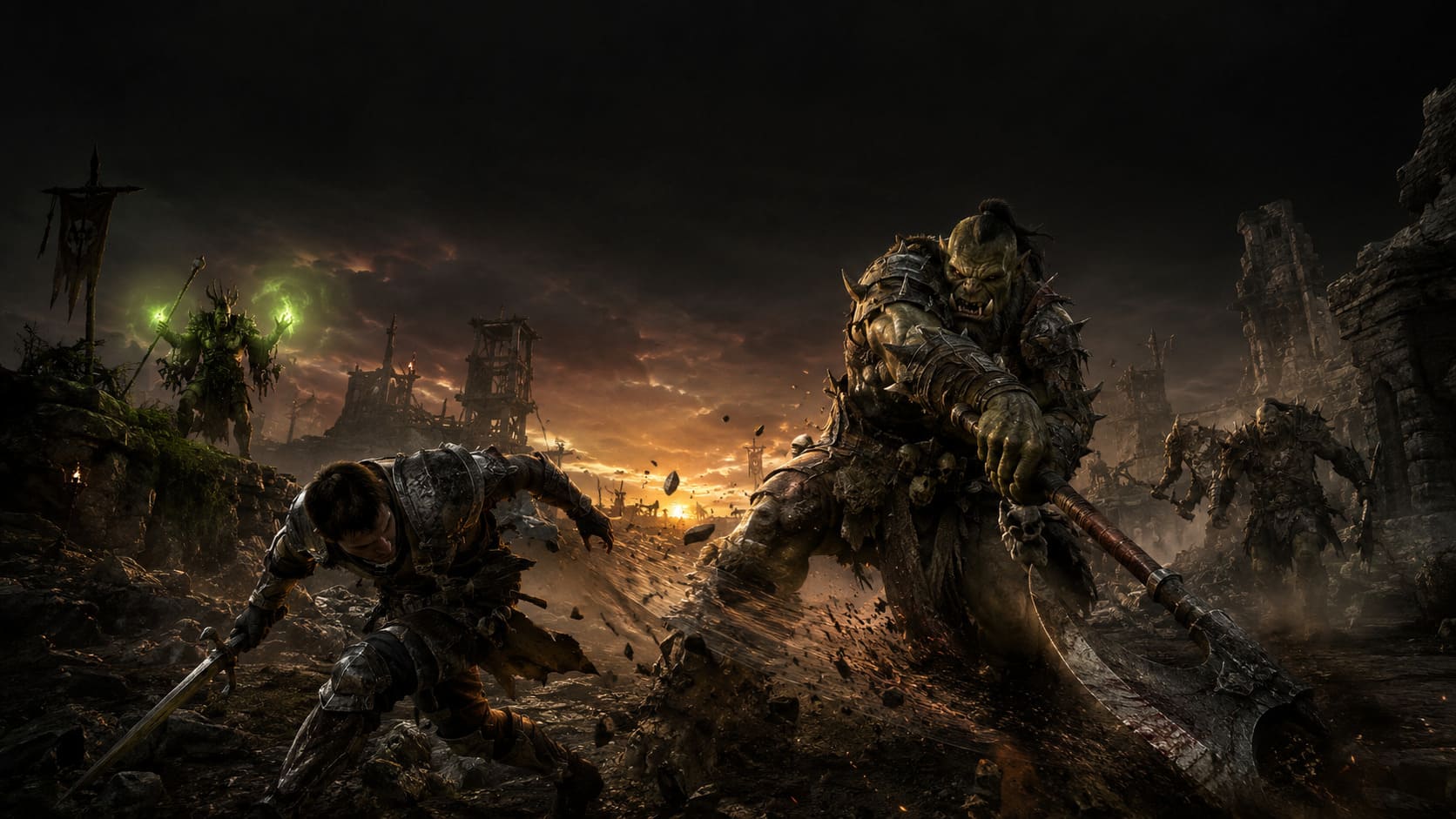
Several Orc variants exist throughout the game, and each one demands a different level of respect.
| Orc Type | Threat Level | Main Danger |
|---|---|---|
| Orc Scout | Medium | Fast charges and aggressive pressure |
| Orc Warrior | High | Heavy melee damage and combo attacks |
| Orc Shaman | Very High | Long-range magic and devastating spells |
| Undead Orc | Extreme | Massive health pool and incredible durability |
Orc Scouts are often encountered first. They move quickly and love rushing players before they have time to react.
Orc Warriors are where things get serious. Their weapons hit like siege equipment, and a single mistake can cost most of your health bar.
Orc Shamans completely change the battlefield. If you focus on melee enemies while ignoring a Shaman, expect to get roasted by magic from across the map.
Undead Orcs are nightmare fuel. Their defenses are absurd, their attacks hurt even through quality armor, and underleveled characters simply aren’t equipped to handle them.
The Biggest Orc Weakness Nobody Talks About
Here’s something that became obvious after repeatedly fighting them.
Orcs look smart.
They aren’t.
At least not when it comes to combat tracking.
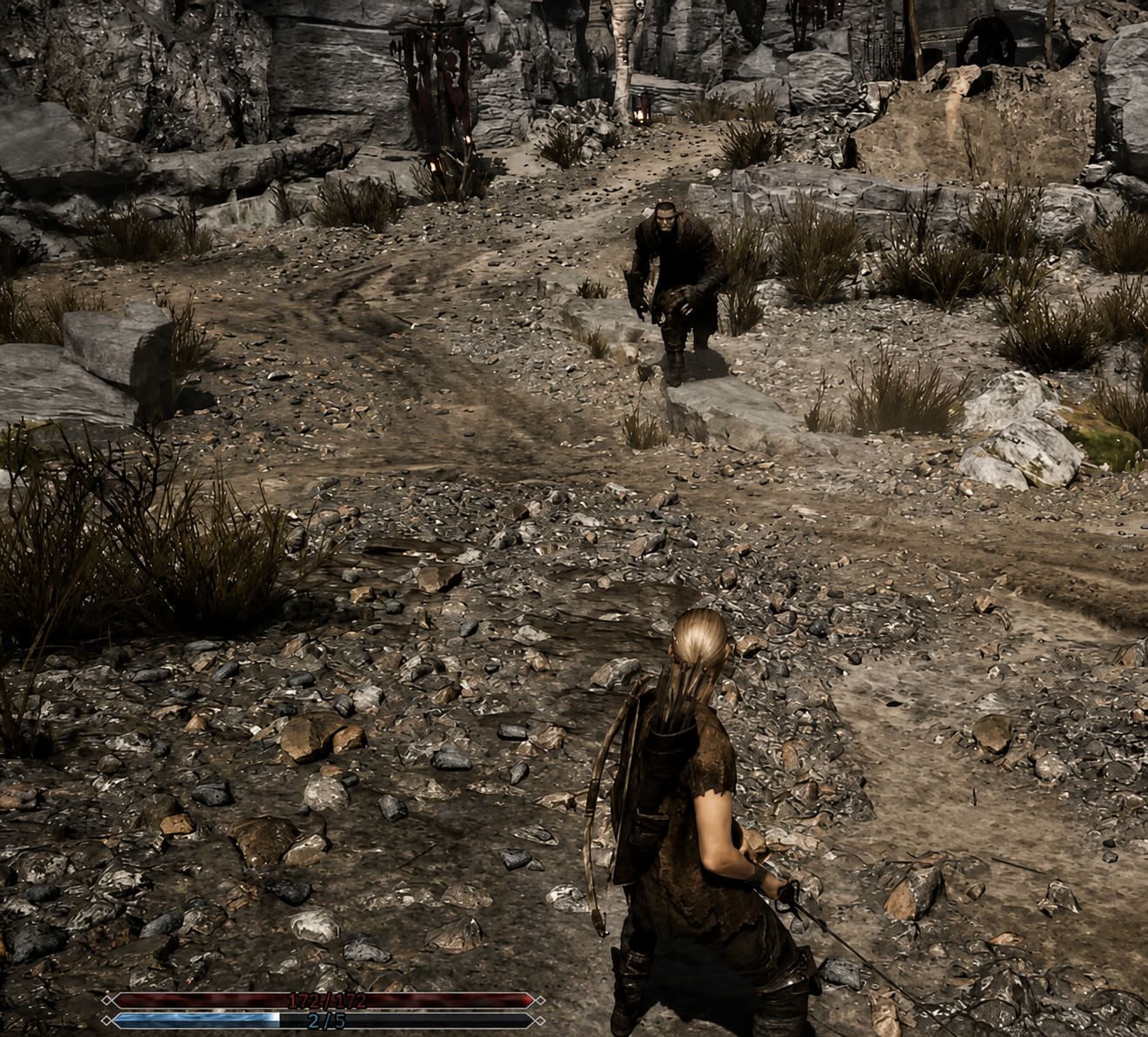
Most Orc encounters follow a very predictable sequence. Once they detect you, they typically commit to a direct approach and launch an aggressive opening attack.
The key word is commit.
Once the attack animation begins, their ability to adjust is surprisingly limited.
That means a player who stays calm can completely avoid attacks that initially seem unavoidable.
I’ve watched countless players panic, backpedal, and get flattened.
Stepping sideways is usually the better answer.
A properly timed lateral dodge often causes the Orc to swing straight through empty air.
That’s your invitation to punish them.
Recovery Frames Are Your Best Friend
Modern action games often allow enemies to cancel animations or instantly chain attacks.
Gothic 1 Remake doesn’t play by those rules.
Heavy Orc weapons carry weight, momentum, and lengthy recovery animations.
When an Orc misses a powerful strike, there is usually a brief moment where it becomes vulnerable.
This window is short.
Very short.
But it’s there.
Experienced players treat every missed Orc attack like a guaranteed damage opportunity.
A common mistake is becoming greedy and trying to unleash a huge combo.
Don’t.
Land a couple of clean hits and get out.
Greed kills more Gothic players than Orcs do.
The Simple Combat Loop That Works Every Time
After testing dozens of approaches, I kept returning to the same reliable strategy.
1. Trigger Aggression
Approach carefully until the Orc notices you.
Don’t rush in.
Let the enemy initiate combat.
2. Wait For The Charge
Most Orcs immediately try to close the gap.
Stay calm and watch the animation.
3. Dodge Sideways
The moment the attack begins, move laterally.
Timing matters far more than speed.
4. Attack The Flank
As soon as the swing misses, strike from the side or rear.
Two clean attacks are usually enough.
5. Retreat And Repeat
Create distance.
Reset the encounter.
Force another charge.
Repeat the process.
It’s not flashy.
It isn’t cinematic.
It works.
And in Gothic, results matter far more than style points.
Why Terrain Is Secretly The Strongest Weapon In The Game
Veteran Gothic players know a universal truth:
The environment is often deadlier than your sword.
Orc pathfinding remains heavily influenced by classic Gothic design philosophy.
Steep cliffs, narrow ledges, broken ruins, rocky outcrops, and elevated platforms can completely confuse their movement.
I discovered this accidentally while exploring near a rocky formation.
An Orc followed me up a slope, lost its pathing, and spent the next minute desperately trying to figure out how to reach me.
Meanwhile, I turned it into a walking target dummy.
Terrain manipulation isn’t an exploit unique to Gothic 1 Remake.
It’s practically tradition.
Whenever possible, fight on ground that favors you rather than your opponent.
Ranged Builds Have A Huge Advantage
Let’s be honest.
Melee combat against Orcs is fun.
It’s also stressful.
Archers and crossbow users have a much easier time.
The ideal strategy involves finding elevated terrain before initiating combat.
A cliff edge, ruined structure, wooden platform, or rocky ledge can completely neutralize the Orc’s greatest strength: melee damage.
Once the enemy becomes trapped below your position, the fight turns into target practice.
Bring enough arrows and patience, and even enemies that should be terrifying become manageable.
Some players consider this cheesy.
I consider it survival.
The Colony doesn’t reward honor.
It rewards staying alive.
Magic Users Can Absolutely Destroy Orcs
Magic becomes increasingly powerful as the game progresses.
Against Orcs, it can feel borderline unfair.
Several offensive spells deliver enough impact to interrupt enemy actions, creating opportunities that melee fighters rarely enjoy.
The real advantage comes from controlling the pace of combat.
Instead of reacting to an Orc’s aggression, spellcasters force Orcs to react to them.
High-damage lightning spells, explosive fire attacks, and crowd-control abilities can rapidly swing encounters in your favor.
A well-timed spell often creates enough breathing room to reposition, heal, or finish the enemy outright.
If you’re investing heavily into magic, Orcs become far less intimidating than they are for pure melee characters.
Gear Progression Matters More Than Skill
This is one of the harsh realities of Gothic 1 Remake.
Player skill helps.
Character progression helps even more.
Many newcomers assume they’re doing something wrong because their attacks barely scratch Orcs.
In reality, the problem is often equipment.
The game’s armor and damage calculations heavily reward upgrades.
If your weapon lacks sufficient damage, you’ll spend an eternity chipping away at Orc health bars.
Before entering dangerous Orc territory, prioritize:
- Increasing Strength whenever possible
- Upgrading to stronger weapons
- Improving weapon mastery percentages
- Obtaining quality faction armor
- Investing in survivability over luxury purchases
The difference between a weak early-game sword and a properly upgraded weapon is enormous.
An encounter that feels impossible at level 10 can feel trivial a few hours later with better gear.
Common Mistakes That Get Players Killed
Even experienced RPG fans occasionally fall into bad habits.
These are the mistakes I see most often:
- Fighting multiple Orcs simultaneously
- Standing directly in front of Warriors
- Ignoring Shamans during large battles
- Overcommitting to long attack chains
- Entering Orc territory undergeared
- Forgetting to use terrain advantages
Every one of these mistakes can end a fight before it really begins.
Gothic rewards patience.
The game rarely rewards recklessness.
Gothic 1 Remake Shadowbeast Guide: How to Defeat and Hunt Shadowbeasts Early
Final Verdict
Orcs are designed to intimidate players, and for good reason. They hit hard, absorb punishment, and instantly punish sloppy decision-making.
Despite that reputation, they possess several exploitable flaws.
Predictable charges, lengthy recovery animations, weak vertical navigation, and susceptibility to well-timed counterattacks all create opportunities for smart players.
My favorite thing about fighting Orcs in Gothic 1 Remake is that victories actually feel earned. You aren’t simply winning because your gear score is higher. You’re learning enemy patterns, controlling space, using terrain intelligently, and capitalizing on mistakes.
Master those fundamentals and the creatures that once sent you sprinting toward the nearest loading screen will eventually become some of the most satisfying enemies to defeat in the entire game.
And trust me—few feelings in Gothic are as satisfying as watching a towering Orc crash into the ground after a fight you controlled from start to finish.