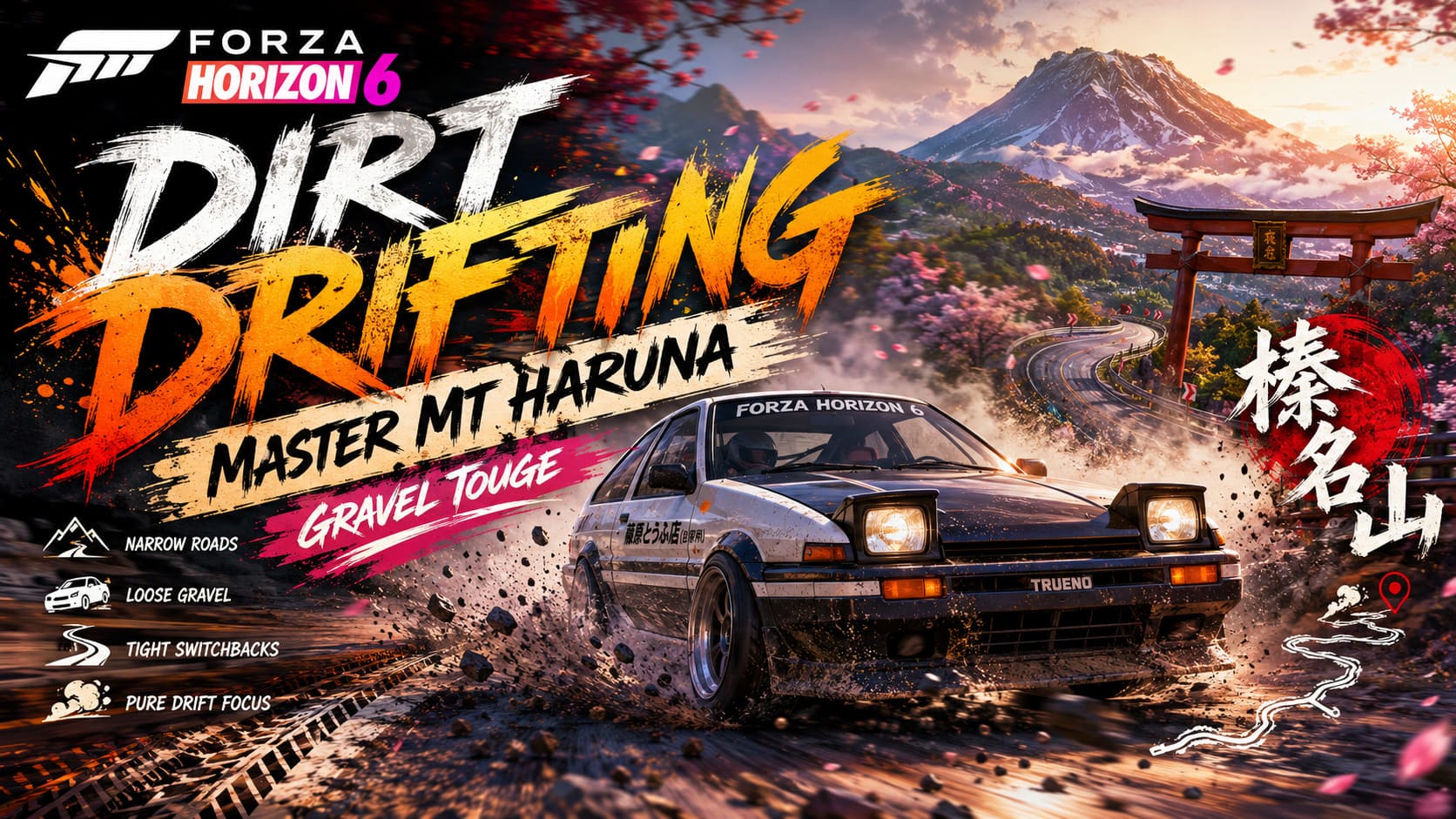
Forza Horizon 6 Dirt Drifting Guide: Master Mt Haruna Gravel Touge
When I first loaded into Japan in Forza Horizon 6, I expected to spend most of my time blasting through neon-lit city streets and attacking smooth mountain asphalt. Instead, I found myself completely obsessed with the gravel sections of Mt. Haruna.
There is something incredibly satisfying about throwing a car sideways on loose dirt while navigating one of the most iconic mountain roads in automotive culture. The moment you leave the pavement behind, everything changes. Your usual drift setup suddenly feels wrong, your favorite racing lines stop working, and every corner becomes a battle between control and chaos.
After dozens of hours testing different cars, tuning setups, and drift techniques, I can confidently say that gravel drifting on Mt. Haruna is one of the most rewarding experiences in Forza Horizon 6. If you’re tired of traditional asphalt drifting and want a new challenge, this guide will help you become comfortable sliding through Haruna’s dirt roads like a true touge specialist.
Why Mt. Haruna Is Different
Most drift zones in Forza Horizon 6 allow you to rely heavily on grip and horsepower. Haruna’s gravel sections demand much more precision.
The mountain combines narrow roads, elevation changes, hidden bumps, and tight switchbacks that punish mistakes immediately. You cannot simply hold full throttle and expect the car to cooperate.
What makes these roads special is how alive they feel. Every corner behaves slightly differently. Some sections offer plenty of grip, while others feel almost like ice. Learning those subtle differences is what separates average drivers from players capable of posting impressive drift scores.
In my experience, the biggest mistake new players make is treating gravel exactly like asphalt. The game simply doesn’t reward that approach.
How Gravel Physics Change Your Driving
The first thing you’ll notice is the dramatic reduction in available traction.
Braking zones become longer, steering feels less precise, and the rear end of the car reacts far more aggressively to weight transfer. Once the vehicle starts sliding, momentum becomes your biggest challenge.
Instead of fighting the slide, you need to learn how to work with it.
A successful gravel drift is all about balance:
- Too much throttle and you’ll wash wide.
- Too much steering and the car will lose momentum.
- Too little commitment and you’ll never get enough angle.
The best drifters understand that gravel rewards smoothness far more than aggression.
My Recommended Cars for Haruna Gravel Drifting
After experimenting with numerous vehicles, these are the platforms I consistently return to.
| Car | Strengths | Difficulty |
|---|---|---|
| Toyota AE86 Trueno | Lightweight, predictable, excellent balance | Medium |
| Nissan Silvia S14 | Strong drift angle, responsive steering | Medium |
| Nissan 180SX Type X | Easy to control during transitions | Medium |
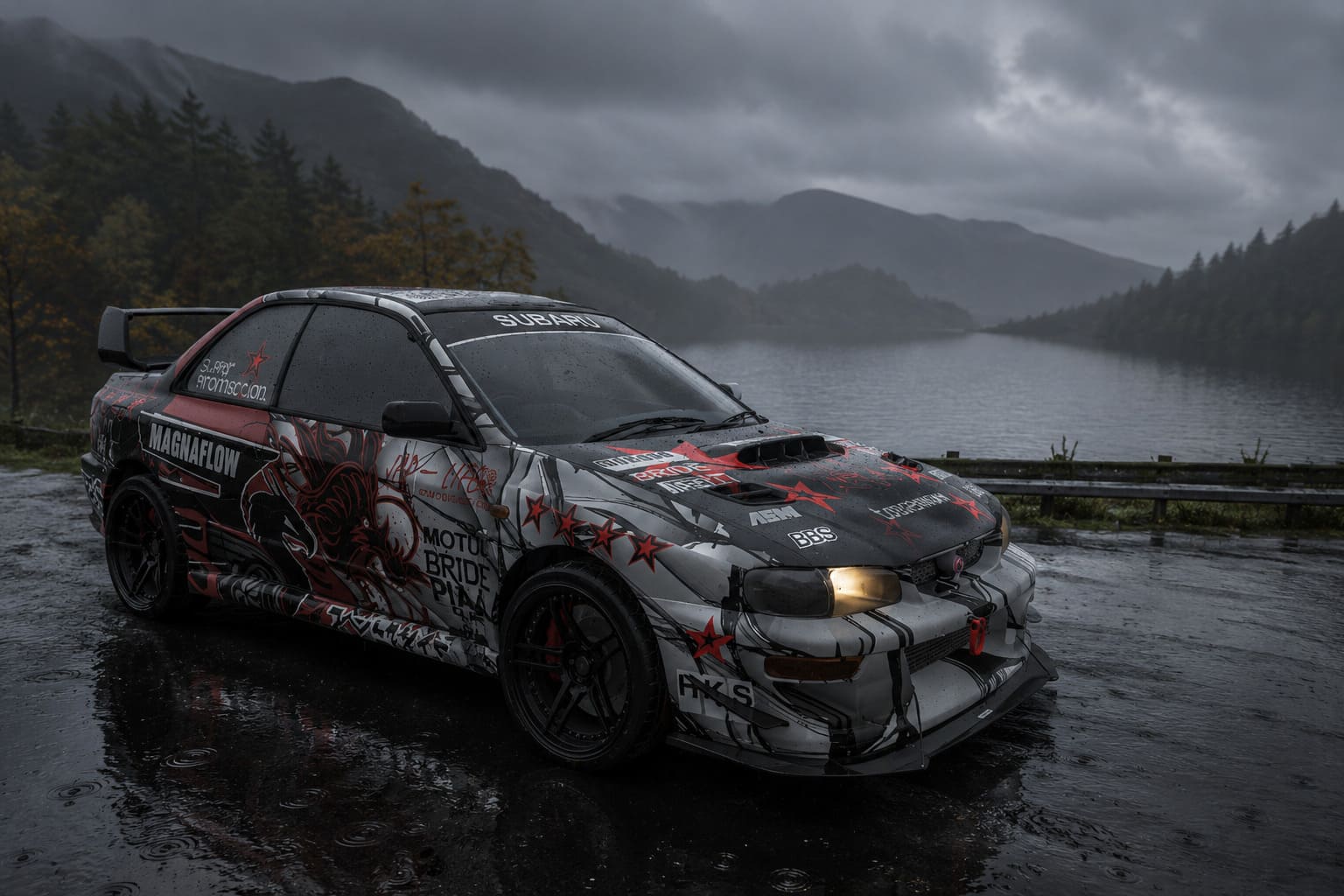
| Subaru Impreza 22B STi | Great AWD stability on loose surfaces | Easy |
| Ford Escort RS Cosworth | Rally-focused handling and grip | Easy |
If I had to choose only one vehicle, I’d probably take the AE86.
Yes, it sounds cliché. Yes, everybody associates it with mountain roads. But there is a reason for that. The chassis communicates exactly what it’s doing, making it perfect for learning advanced dirt drifting techniques.
My Preferred Gravel Drift Tune
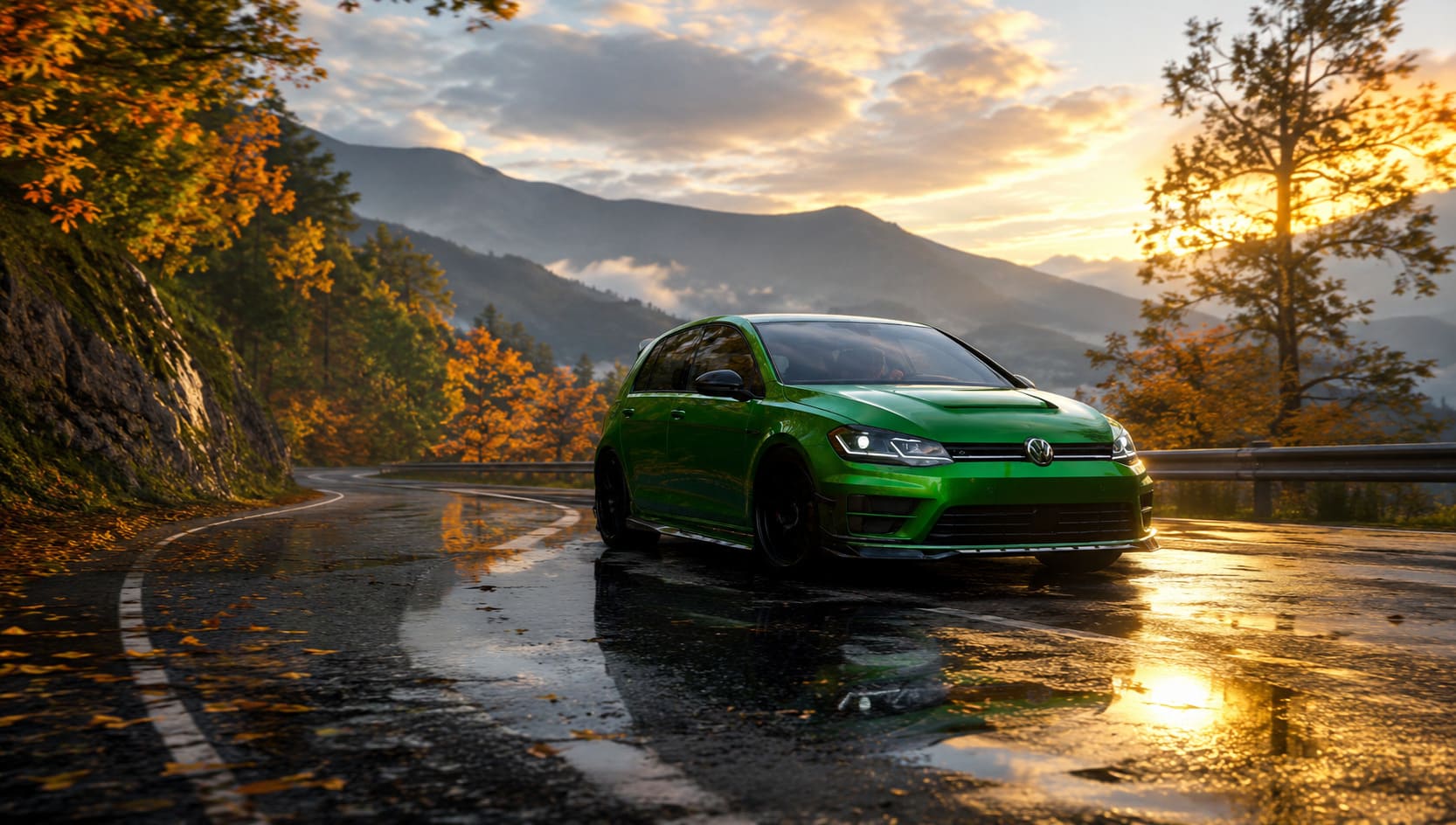
A proper setup can completely transform how your car behaves.
Many players simply copy their asphalt drift build and wonder why the vehicle feels uncontrollable on dirt. Gravel requires a much softer approach.
Tire Setup
I prefer rally or off-road tires rather than traditional drift compounds.
For pressure settings:
- Front: 26–28 PSI
- Rear: 29–32 PSI
This creates enough front-end bite while allowing the rear tires to rotate freely.
Suspension
This is where many tunes fail.
I soften springs considerably compared to road drifting setups and increase ride height significantly.
The rough terrain around Mt. Haruna constantly unsettles stiff suspension. More travel allows the tires to maintain contact with the surface and keeps the car predictable through rough sections.
Alignment
For most rear-wheel-drive builds:
- Front Camber: -3.5°
- Rear Camber: -0.8°
- Front Toe: Slightly Out
- Rear Toe: Slightly In
- Caster: Near Maximum
This combination delivers strong turn-in while maintaining stability during long slides.
Differential
For RWD cars, I generally run:
| Setting | Value |
|---|---|
| Acceleration | 90-100% |
| Deceleration | 20-40% |
The high acceleration lock helps both rear wheels break traction consistently, while the lower deceleration value keeps the car rotating naturally when lifting off the throttle.
The Drift Technique That Works Best
After hundreds of runs, I believe the Scandinavian Flick is still the most effective way to attack Haruna’s gravel corners.
The process is simple but requires practice.
Approach the corner from the outside. Briefly steer away from the turn before sharply loading the suspension toward the apex. As the weight transfers, lift the throttle and initiate the slide.
When executed correctly, the rear end rotates effortlessly.
What I love about this technique is that it feels natural on gravel. The loose surface amplifies the weight transfer effect, making initiation smoother and more controllable than on asphalt.
Throttle Control Is Everything
If there is one lesson I wish every new drifter understood, it is this:
Your throttle is more important than your steering wheel.
Many players spend too much time focusing on steering inputs and completely ignore throttle modulation.
On Haruna’s dirt roads, the accelerator essentially becomes a second steering mechanism.
When I need more angle, I increase throttle.
When the car starts drifting too wide, I slightly reduce throttle input and allow the tires to recover a small amount of grip.
Rarely am I holding the accelerator at 100%.
Most of my successful runs happen somewhere between 50% and 80% throttle depending on the corner.
This alone can dramatically improve your consistency.
Reading the Road Surface
One underrated skill is learning to read the terrain ahead.
Mt. Haruna is full of small details that affect vehicle behavior:
- Surface ruts
- Loose gravel patches
- Elevation changes
- Compression zones
- Uneven corner exits
Experienced drivers anticipate these features before reaching them.
Whenever I approach an unfamiliar section, I focus less on speed and more on understanding how the road influences the car. Once you learn where the rough spots are located, your confidence increases dramatically.
How to Score Higher in Drift Zones
Many players assume that higher speed automatically equals a better score.
That isn’t always true.
Forza Horizon 6 rewards sustained angle and smooth transitions more than reckless speed.
A controlled drift at moderate velocity often earns better results than an aggressive run filled with corrections.
My general priorities look like this:
- Maintain angle.
- Stay consistent.
- Link corners together.
- Preserve momentum.
- Increase speed only when control is guaranteed.
Following this approach improved my drift zone scores far more than chasing top speed ever did.
The Secret Most Players Ignore
One trick I’ve noticed from skilled community drifters involves using the inside edge of corners.
Certain sections of Mt. Haruna contain shallow ditches and rutted edges that can actually help stabilize the vehicle during a slide.
By placing the inside tires close to these areas, you can create a natural anchor point that prevents the car from drifting excessively wide.
It’s a subtle technique, but once mastered, it can make difficult corners feel surprisingly manageable.
Forza Horizon 6 Horizon Backstage Pass Tokens Guide: How to Get Passes Fast and Unlock Rare Cars
Final Thoughts
Forza Horizon 6 offers plenty of incredible driving experiences, but gravel drifting on Mt. Haruna stands out as one of the most memorable.
It demands patience, precision, and a completely different mindset compared to traditional road drifting. The learning curve can be frustrating at first, but that’s exactly why it feels so rewarding when everything finally clicks.
My advice is simple: forget about perfect drift scores for a while. Pick a balanced car, build a proper gravel setup, and spend time learning the mountain. Focus on smooth entries, controlled throttle inputs, and consistent transitions.
Eventually you’ll stop fighting the gravel and start flowing with it.
And once that happens, Mt. Haruna becomes one of the most addictive roads in the entire game.