The Alaska Chronicle: Survival Guide for Werewolf: Rageborn
I’ve been streaming survival and RPG games for years, and I’ve learned to recognize when a setting is just “decoration” versus when it actually shapes gameplay.
Most frozen environments in games end up being visually impressive but mechanically shallow.
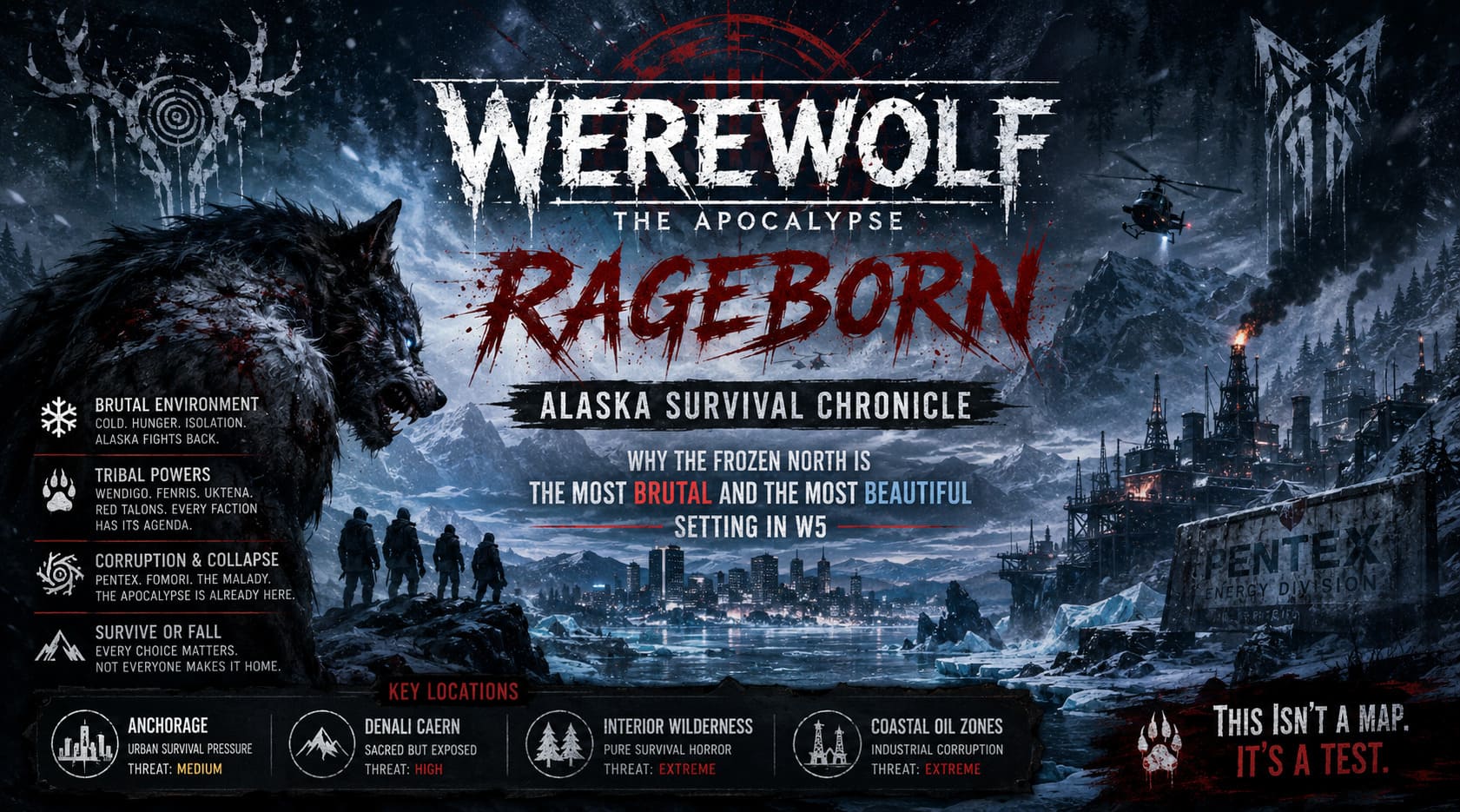
Werewolf: The Apocalypse – Rageborn in its Alaska-inspired chronicle structure is not one of those cases. It doesn’t just look cold — it behaves cold. It resists you, reacts to you, and slowly pressures every decision you make.
Playing it live with an audience makes this even more obvious. Chat reacts not to scripted moments, but to survival mistakes, missed routes, and moral choices that spiral out of control. Alaska here isn’t a map. It feels like an opposing force.
Mastering Garou Forms: Werewolf: Rageborn Gameplay and Combat Guide
Alaska as a Living System, Not a Backdrop
What makes Alaska stand out is how consistently it affects gameplay loops. You are not simply traveling between points — you are surviving the journey itself. Every action is filtered through environmental pressure, and that creates a constant sense of vulnerability.
The most impactful elements I noticed during gameplay sessions include:
- Isolation is mechanically meaningful, not just thematic
- Weather directly alters visibility, tracking, and combat flow
- Silence increases tension instead of offering relief
- Resource scarcity feels systemic rather than scripted
This creates a survival loop where planning matters as much as execution, and mistakes rarely stay isolated.
Tribal Forces That Define the Region
Alaska is not a neutral zone in the World of Darkness. It has established spiritual and political forces that actively shape how the story unfolds. Each faction feels less like background lore and more like environmental pressure systems.
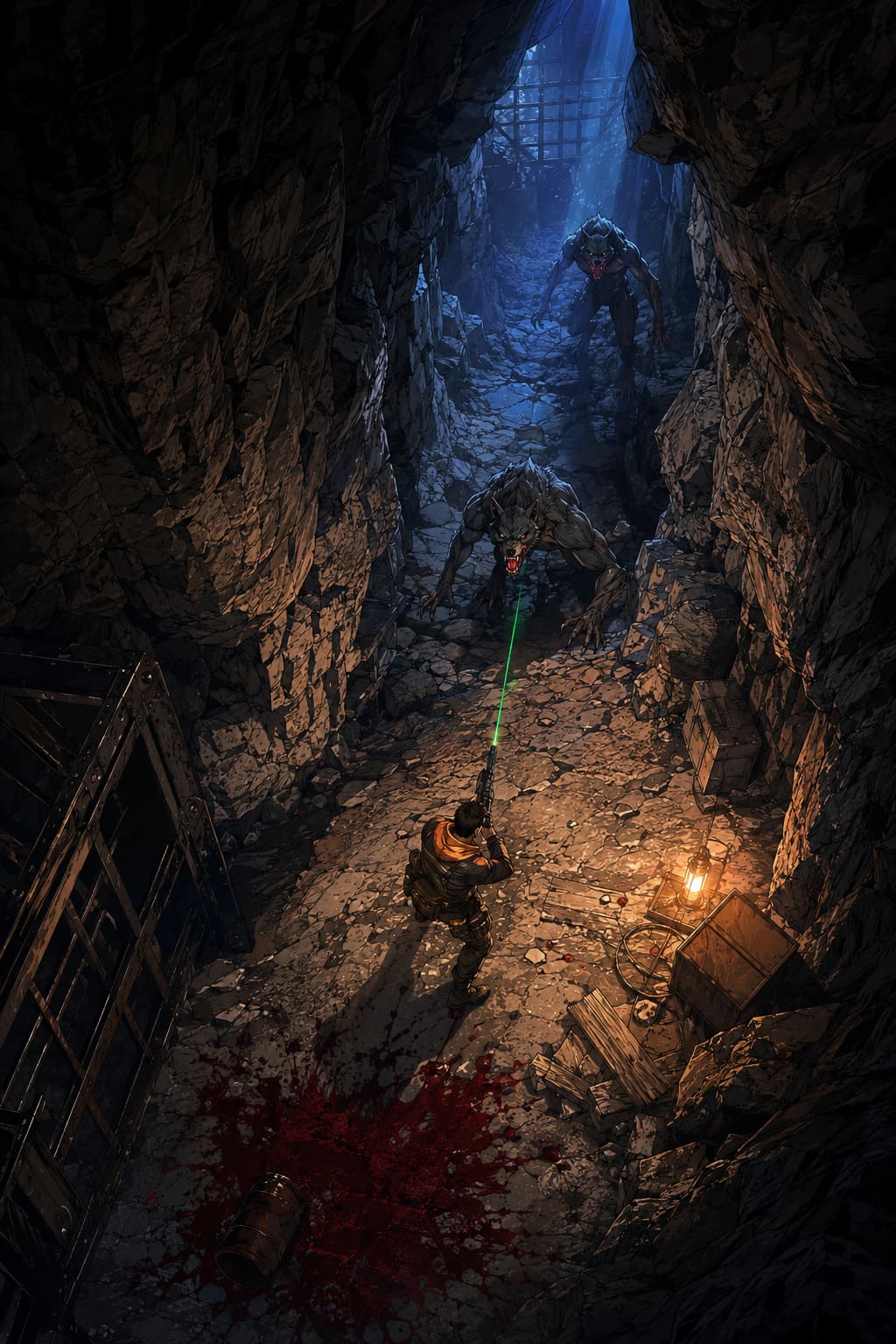
Alaskan Survival Horror: Hands-On with Werewolf: Rageborn
Wendigo / Galestalkers
They feel like the spiritual backbone of the region. In gameplay terms, they are not just allies or enemies — they function like judgment. When you violate the land, the consequences often feel inevitable rather than reactive.
Get of Fenris / Cult of Fenris
These characters bring unpredictability into every encounter. From a streaming perspective, they are the most chaotic faction to engage with because their ideology often overrides logic. They feel like moving crisis points rather than structured NPC groups.
Uktena / Ghost Council
This faction is built around knowledge and containment. Their role in Alaska revolves around sealed threats and ancient spiritual corruption. Interacting with them often feels like stepping into information you are not meant to fully understand yet.
Red Talons
They represent pure wilderness logic. There is no negotiation layer here — only instinct and territorial control. Their presence reinforces the idea that parts of Alaska reject civilization entirely.
The Real Enemy: Slow Collapse and Environmental Pressure
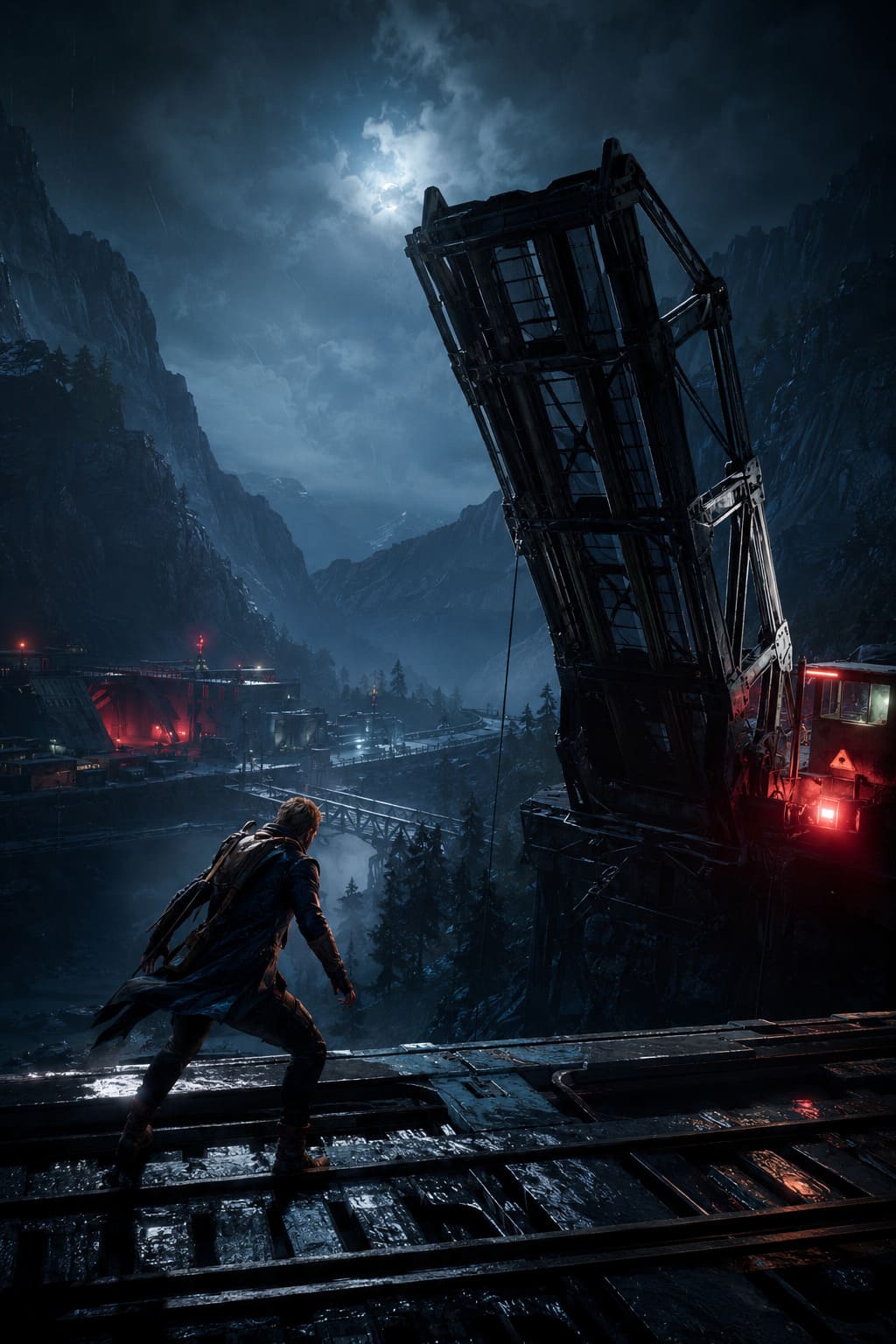
While corporate and supernatural antagonists exist, the most consistent threat in Alaska is environmental degradation and systemic decay. It is not always visible in direct combat, but it shapes every narrative arc.
Key elements include:
- Pentex-style industrial exploitation zones
- Fomori experiments adapted for extreme cold
- Spirit corruption beneath frozen terrain
- Gradual environmental instability tied to The Malady concept
The Malady is especially important because it reframes the apocalypse from an event into a process. It is not coming — it is already happening.
Key Locations in the Alaska Chronicle
| Location | Atmosphere | Threat Level | Notes |
|---|---|---|---|
| Anchorage | Urban Survival Pressure | Medium | Corporate influence mixed with spiritual instability |
| Denali Caern | Sacred but Exposed | High | Strong spiritual value with constant external disruption |
| Interior Wilderness | Pure Survival Horror | Extreme | Minimal structure, maximum unpredictability |
| Coastal Oil Zones | Industrial Corruption | Extreme | Heavy Wyrm influence and environmental collapse |
Anchorage in particular surprised me. It does not behave like a safe hub. Instead, it feels like multiple systems colliding — human survival, spiritual tension, and corporate manipulation all occupying the same space.
Why This Setting Works So Well for Streaming
From a streamer’s perspective, pacing is everything. Alaska generates pacing naturally without requiring scripted triggers. The environment itself dictates rhythm changes.
Some of the most engaging moments I’ve experienced include:
- Sudden thaw events revealing sealed spiritual threats
- Resource convoys disappearing between sessions
- Vampire activity escalating during extended winter cycles
- Unexpected moral decisions that split pack strategies
These moments work well on stream because they are unpredictable but logically grounded within the world.
W5 vs Legacy Systems – How It Changes Player Psychology
One of the biggest differences in Rageborn’s approach compared to older systems is tonal clarity. The shift is not just mechanical — it is philosophical.
| Aspect | Legacy WtA | W5 Rageborn Feel |
|---|---|---|
| Kinfolk Concept | Central lineage system | Reworked or removed structure |
| Spirits | Structured relationships | Alien and unpredictable entities |
| Gaia | Dying but symbolic | Actively collapsing system |
| Tone | Mythic resistance | Survival under inevitability |
This shifts gameplay mindset from resistance fantasy into managed decline, which significantly affects decision-making during long sessions.
⚔️ Final Thoughts from a Streamer’s Lens
This is not a comfortable setting, and it does not try to be. Alaska in Werewolf: Rageborn is designed around pressure, uncertainty, and survival tension rather than empowerment loops.
What makes it compelling is not victory, but persistence. The best moments on stream rarely come from success. They come from near-failure states where everything is barely held together.
For example:
- Surviving a blizzard with no clear navigation
- Making morally ambiguous decisions under time pressure
- Discovering that “safe zones” are anything but safe
- Watching pack dynamics collapse under environmental stress
These are the moments that define Alaska as a setting.
Conclusion
Alaska in Werewolf: The Apocalypse – Rageborn is not designed to entertain passively. It is designed to challenge, destabilize, and reshape how players think about survival RPG systems. From a streaming perspective, it creates organic storytelling without needing heavy scripting or forced narrative beats.
If most game worlds are built to welcome you, this one feels like it’s testing whether you deserve to stay.