2027’s Dark Horse: Why Werewolf: Rageborn is a Must-Watch Hit
I’ve been covering games for a long time on stream—everything from sweaty PvP shooters to slow-burn indie experiments that most people scroll past on Steam and regret later.
But Werewolf: The Apocalypse – Rageborn hit that rare nerve where I immediately thought: “Yeah… I’m going to lose hours in this.” Not because it’s flashy. Not because it’s trendy.
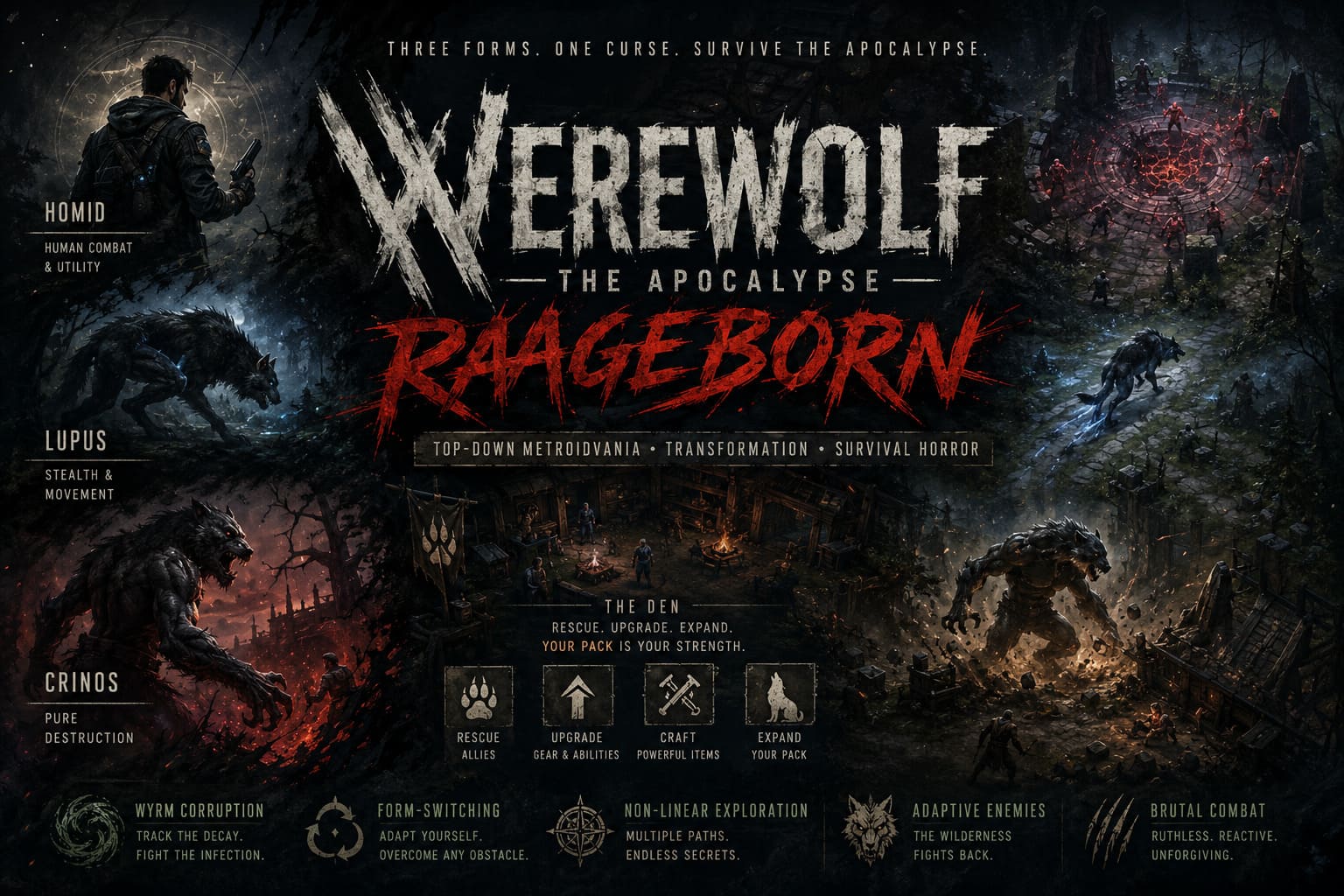
But because it feels like someone actually tried to rebuild what a Metroidvania can be when you stop copying Hollow Knight and start asking, what if transformation itself is the map?
And honestly? That idea alone is enough to make me pay attention.
Gaia vs. Wyrm: The Lore Behind the War in Werewolf: Rageborn
First Impression: This Is Not Your Typical Werewolf Game
Let’s get something straight early—this isn’t Earthblood 2, and it’s not a cinematic brawler pretending to be deep.
From what we’ve seen so far, Rageborn is doing something way more interesting: it’s turning form-switching into core gameplay logic, not just combat flair. You don’t just transform because it looks cool. You transform because the world demands it.
The Core Hook: Three Forms That Actually Matter
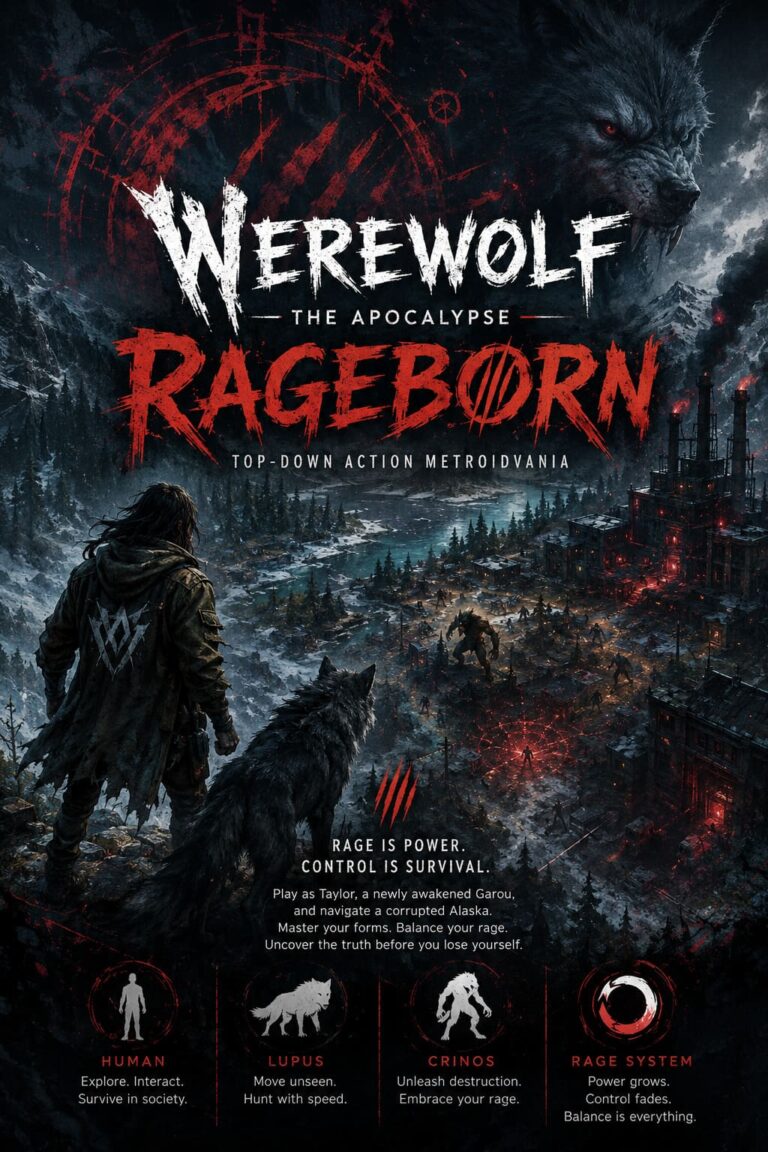
A lot of games promise “deep transformation systems.” Most of them mean “press button, get stronger.” Rageborn doesn’t look like that at all. Here’s how the three forms actually break down in practice:
| Form | Role | Gameplay Identity |
|---|---|---|
| Homid | Human Combat & Utility | Ranged combat, grappling tools, tactical positioning |
| Lupus | Stealth & Movement | Speed traversal, stealth kills, tight-space navigation |
| Crinos | Pure Destruction | Brutal melee, environmental destruction, boss-breaking force |
What stands out to me as a streamer is that this isn’t just combat variety. It’s puzzle-solving through identity switching. You’re not asking “what attack should I use?”
You’re asking “what version of myself is allowed to exist here?” That’s a very different mental loop.
Pentex vs. Lethe Labs: Corporate Horror in Werewolf: Rageborn
Top-Down Metroidvania: Weird Choice… In a Good Way
At first I was skeptical about the top-down angle. Metroidvanias are usually side-scrollers for a reason—clarity of movement, vertical readability, platforming precision.
But Rageborn flips it. Instead of vertical gating, it builds 360-degree exploration puzzles. And that changes everything.
You’re not just thinking “up or down.” You’re thinking what form gets me through this terrain, what enemies patrol this route, can I brute force this or reroute, and do I come back later with a new ability?
The Streamer Perspective: Why This Could Be Addictive Content
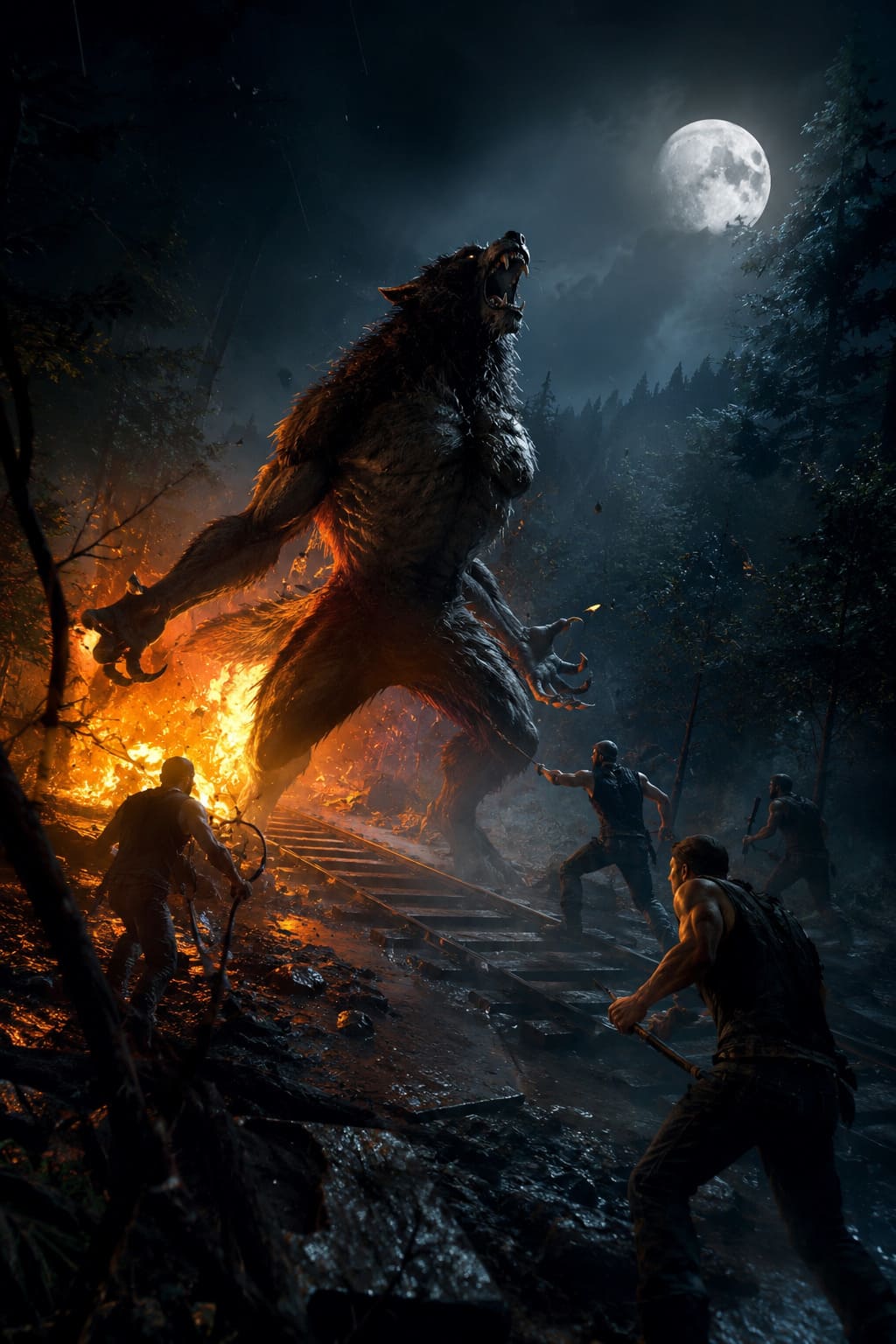
From a content creator standpoint, this has huge potential. Viewers LOVE transformation clarity. They LOVE “wait, go wolf form there,” or “you missed a Crinos breakable wall,” or “come back later with that ability.”
It creates natural engagement loops and makes discovery feel shared instead of scripted.
The Den System: Your Base Actually Matters
One of the more underrated systems here is the Den. It’s not just a menu hub. It’s a progression space tied directly to your actions in the world.
Rescue NPCs unlock upgrades, upgrades unlock crafting systems, and expanding your pack unlocks new build paths. You don’t level up in menus—you level up because you survived the wilderness and brought something back from it.
Combat Philosophy: Messy, Adaptive, and Mean
This doesn’t look like a combo-heavy spectacle fighter. It looks reactive. Enemies don’t just sit there waiting for your rotation.
They adapt. Armor counters ranged Homid play, swarms force Crinos usage, stealth patrols punish sloppy Lupus movement. The result is a system where you don’t master the game—the game responds to you.
Corruption & World Design: The Real Horror Layer
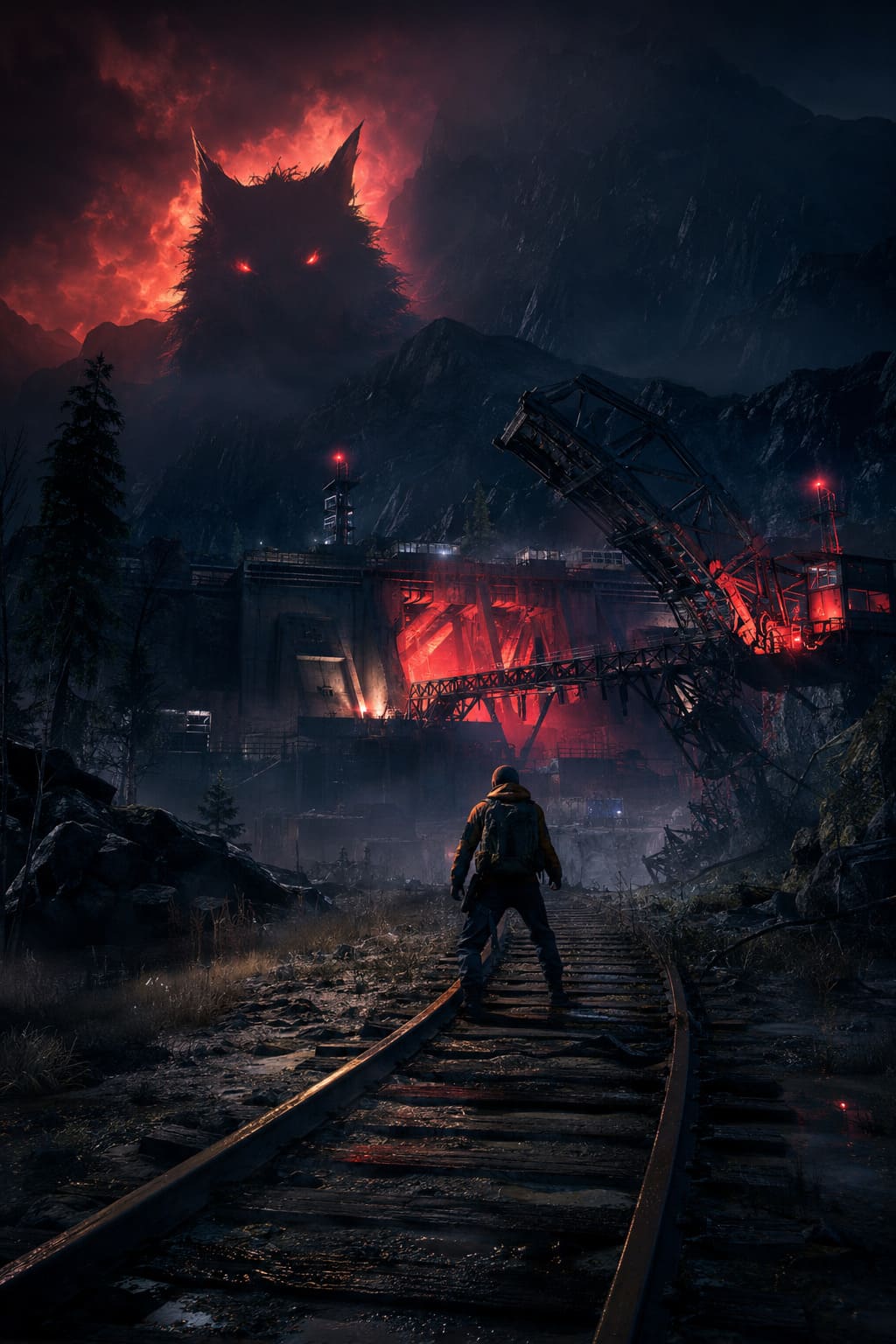
The Wyrm corruption system is where the World of Darkness DNA really shows. This isn’t just lore dressing. It’s gameplay pressure.
You’re constantly tracking environmental decay, hidden corruption paths, lore-linked anomalies, and enemy transformation zones. It turns exploration into something slightly paranoid, and that fits the universe perfectly.
Small Breakdown: Why It Works (On Paper)
| System | Function |
|---|---|
| Transformation Switching | Core traversal + combat identity |
| Top-Down Map | Non-linear exploration with layered routing |
| Den System | Meta-progression hub tied to world actions |
| Adaptive Enemies | Dynamic combat pressure system |
| Corruption Tracking | Environmental storytelling + gameplay hazard |
Nothing here feels like filler systems. Everything loops into everything else, which is rare even in well-funded RPGs.
My Honest Take as a Player & Streamer
I’ll keep it real with you. This game could fail in execution. Absolutely. Top-down Metroidvania combined with heavy transformation systems is easy to mess up. But if it works, it becomes one of those games people discover late and wonder why it wasn’t bigger at launch.
Because the concept is strong enough to survive average execution, but great execution would make it something special.
Final Thoughts: Why I’m Watching This Closely
Werewolf: The Apocalypse – Rageborn isn’t trying to be safe. It’s not trying to be familiar. It’s trying to reinterpret what a Metroidvania even is by layering identity, transformation, and survival horror into its structure. As a streamer, that’s exactly the kind of game I want—something I can explore live, something viewers can learn with me, something that rewards experimentation, and something that doesn’t solve itself in 10 hours.
If it lands the execution, this could easily become a cult favorite in the making. And honestly? Those are always the best games to cover.