Terrinoth Heroes of Descent Official Trailer Breakdown, Gameplay Features, and Tabletop Legacy
I’ve played enough tactical RPGs and board game adaptations to know when a project is simply chasing nostalgia and when developers actually understand what makes the genre exciting.
After watching the reveal trailer and gameplay footage for Terrinoth: Heroes of Descent, I honestly came away more interested than I expected.
This doesn’t feel like another lazy fantasy adaptation trying to cash in on a recognizable board game name. It genuinely looks like a project built by people who understand the chaos, tension, and teamwork that make tabletop dungeon crawlers memorable.
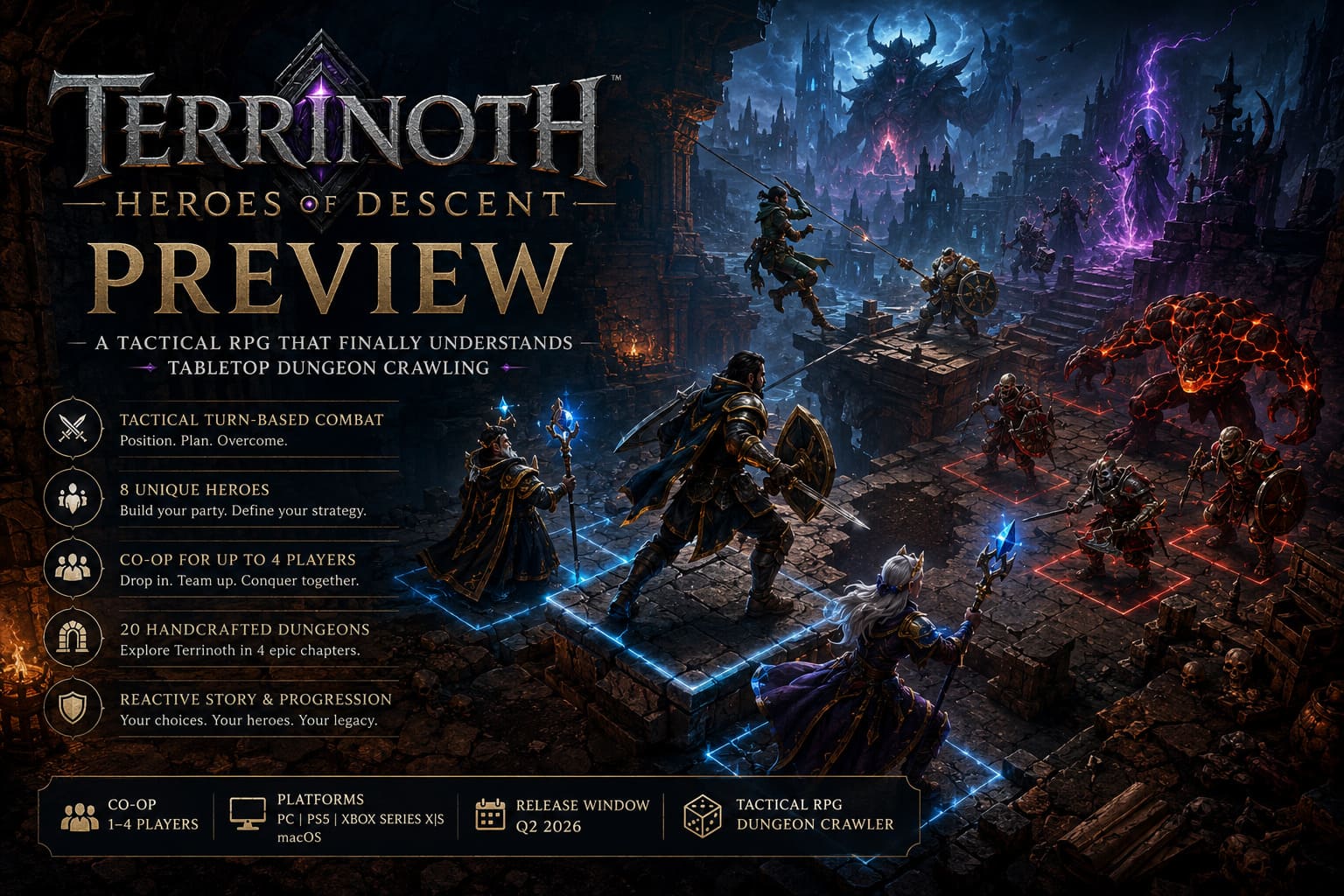
The game serves as a standalone prequel set before the events of Descent: Legends of the Dark, bringing the world of Terrinoth fully into the digital space.
Fantasy Flight Games, together with developer Artefacts Studio and publisher New Tales, are clearly trying to capture the feeling of a real tabletop session while modernizing it for players who want smoother pacing and more accessible mechanics.
Forza Horizon 6 Horizon Backstage Pass Tokens Guide: How to Get Passes Fast and Unlock Rare Cars
A Dark Fantasy Story That Feels Like a Real Campaign
The story immediately gives off classic high fantasy energy. The world is collapsing under the pressure of spreading corruption, mysterious ancient powers, and undead invasions. A dangerous relic capable of changing the balance of power has become the center of attention for dark forces, while a small group of heroes is forced into the middle of the conflict.
Normally this type of setup could feel generic, but the presentation in the trailers gives the narrative enough atmosphere to stand out. The world feels lived-in rather than artificial. Locations like the Crypts of Aerendor already have the kind of visual identity that makes dungeon crawls memorable instead of repetitive.
One thing I especially liked is that the developers seem focused on making the story reactive to party composition.
Different heroes trigger different dialogue interactions and narrative moments throughout missions. That small detail adds replay value while also making the party feel like actual characters instead of interchangeable stat sheets.
Forza Horizon 6 Best Drag Strips and Tuned Builds Guide (2026)
The Combat System Looks Surprisingly Smart
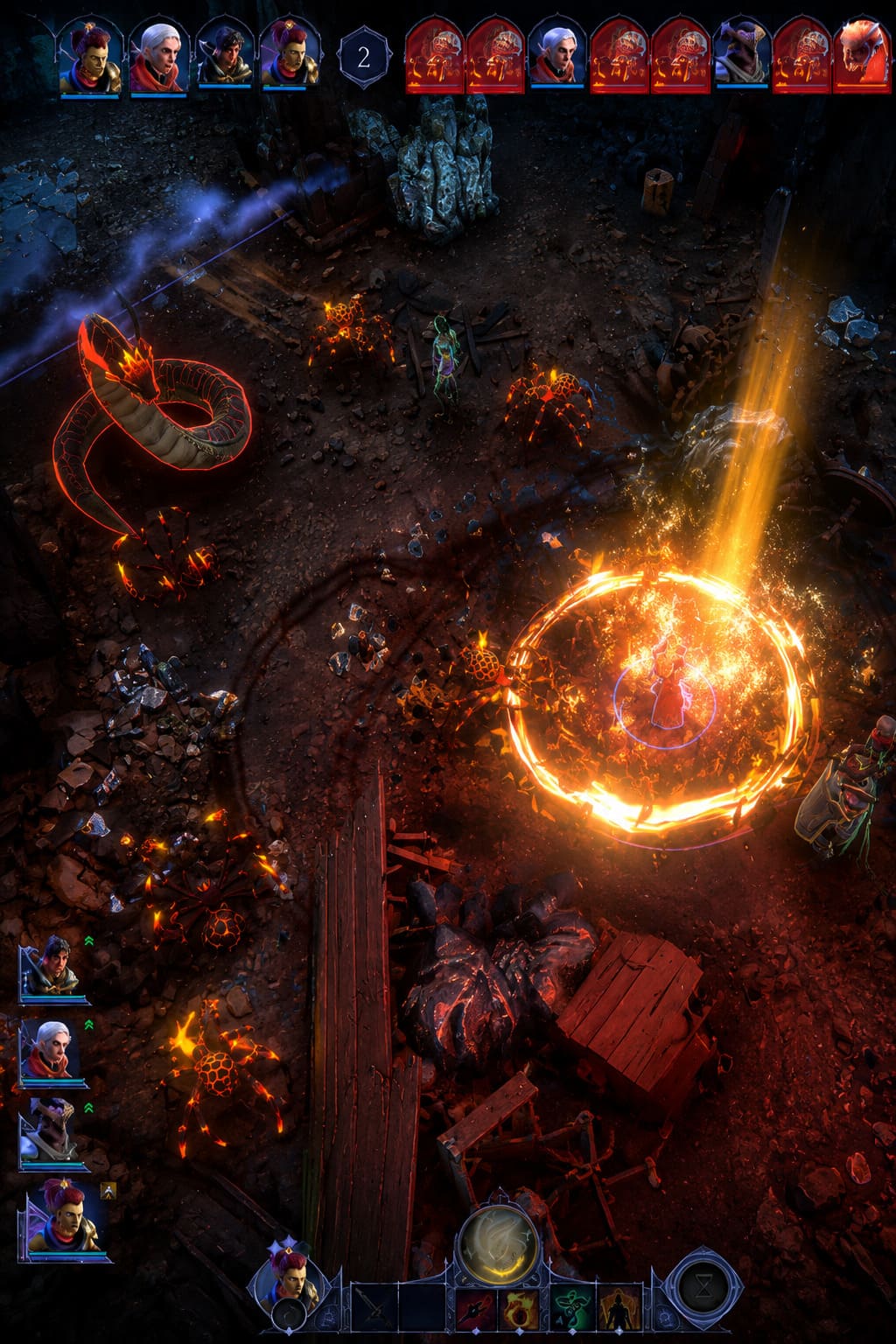
Combat is where this game immediately separated itself from many recent tactical RPGs for me. Instead of relying purely on abilities and numbers, the gameplay heavily emphasizes positioning and environmental awareness.
That’s exactly how tactical combat should work.
The maps shown in the trailers use elevation, line-of-sight mechanics, movement timing, and environmental traversal as core gameplay systems. Characters can climb, reposition, and exploit terrain advantages in ways that feel dynamic without becoming overly complicated.
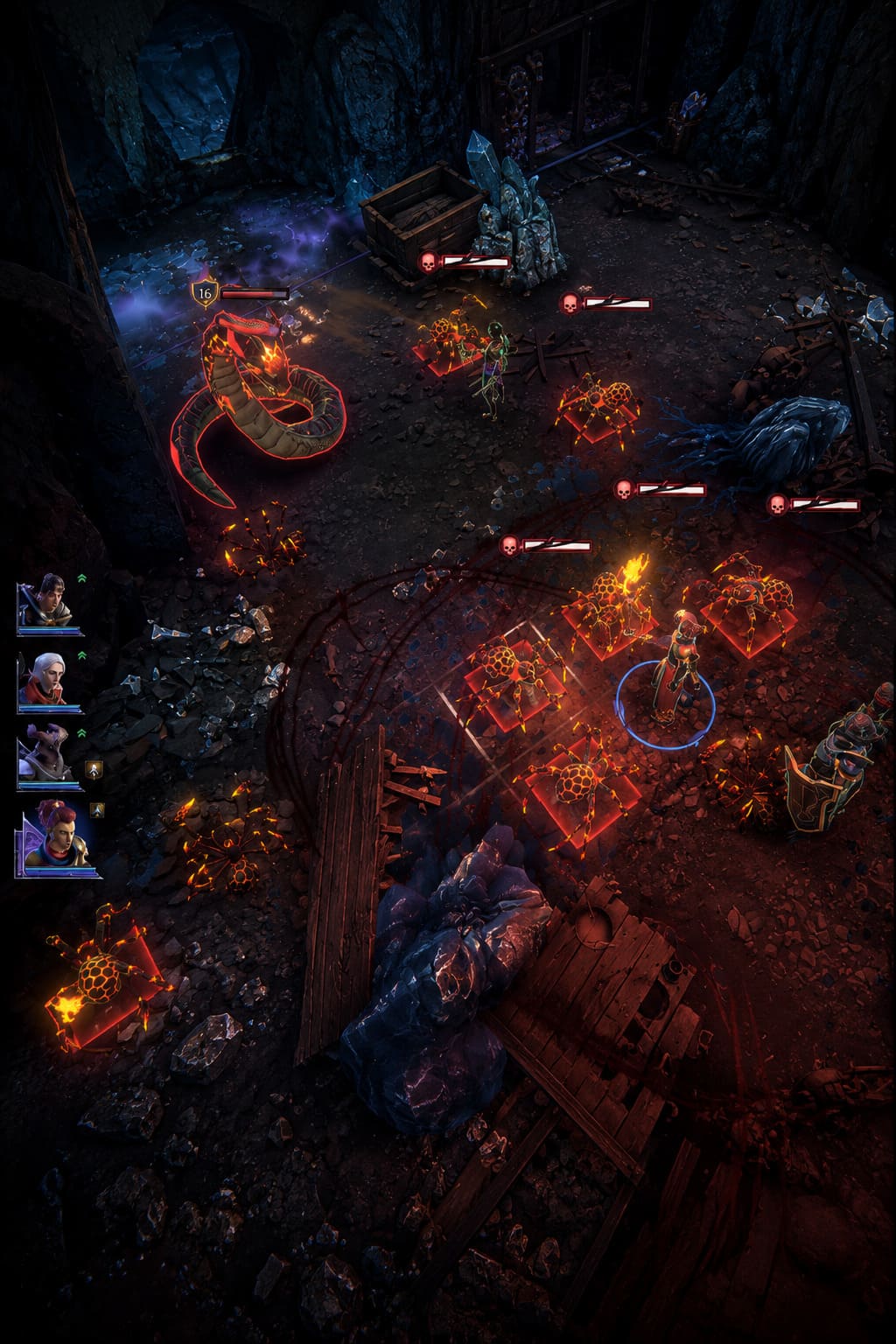
One gameplay moment that stood out was the hero Sedwin using a grapple movement ability to instantly reposition onto higher terrain before attacking enemies from above. That kind of mechanic adds tactical flexibility without forcing players to memorize complicated rulesets.
Core Combat Features
- Turn-based tactical battles
- Environmental interaction and traversal
- Vertical combat positioning
- Line-of-sight mechanics
- Distinct hero abilities and synergies
What I appreciate most is that the game appears designed around readability. Tactical RPGs often become visually overwhelming, especially during larger encounters. Terrinoth: Heroes of Descent seems to prioritize clarity while still keeping encounters strategic.
Eight Heroes With Unique Playstyles
The playable roster includes eight signature heroes, each with different combat identities, personalities, and progression systems. Based on the trailers, the developers are avoiding the common mistake of making every class feel slightly different but ultimately identical in combat.
Each hero appears to have specialized strengths that encourage experimentation and team-building. Some excel at mobility, others focus on ranged support, crowd control, or direct frontline combat.
Character Progression Systems
- Unique skill upgrades
- Level-based perk selection
- Crafting and forging equipment
- Party synergy customization
- Replay-focused progression paths
As someone who spends way too much time optimizing party builds in tactical RPGs, this is the area I’ll personally be watching most closely before release. If the progression system remains flexible and avoids forcing players into strict meta builds, the replay value could be extremely strong.
Dungeon Design Feels Built for Modern Players
One of the smartest decisions the developers made was structuring the campaign into smaller mission-based adventures instead of endless marathon sessions.
The campaign is divided into four chapters containing twenty handcrafted dungeons, with missions intentionally designed to fit into shorter play sessions. Honestly, this feels like the perfect balance between old-school dungeon crawling and modern gaming habits.
Not everyone has six uninterrupted hours available for a single campaign night anymore. By creating shorter but meaningful dungeon runs, the game may actually become easier to consistently enjoy with friends.
| Feature | Details |
|---|---|
| Campaign Structure | 4 Thematic Chapters |
| Dungeons | 20 Unique Locations |
| Multiplayer | Up to 4 Players |
| Platforms | PC, PS5, Xbox Series X|S, macOS |
| Release Window | Q2 2026 |
Co-op Might Be the Biggest Selling Point
For me, the co-op system could end up becoming the real reason people stick with the game long-term. Tactical RPGs are always more entertaining when they create moments of panic, bad decisions, and unexpected teamwork between players.
The developers confirmed support for seamless drop-in and drop-out multiplayer, allowing players to join active sessions without disrupting progress. That’s an incredibly important feature for a game designed around cooperative dungeon crawling.
Too many co-op RPGs make multiplayer feel restrictive or inconvenient. Here, the developers seem focused on recreating the relaxed social atmosphere of an actual tabletop night.
Why the Co-op Looks Promising
- Fast session accessibility
- Shared tactical planning
- Synergy-focused combat abilities
- Flexible multiplayer structure
- Mission pacing designed for groups
There Are Still Some Concerns
Even though the game looks promising, it’s definitely not perfect yet.
Early demo feedback from players has repeatedly mentioned that the camera controls can feel awkward during certain encounters. In tactical games, camera responsiveness matters a lot more than many developers realize. Poor camera movement can instantly ruin otherwise excellent combat design.
I also want to see how enemy variety evolves over longer campaigns. Tactical RPGs often start strong before falling into repetitive encounter patterns after ten or fifteen hours.
Still, I appreciate that the developers already confirmed a specialized high-difficulty mode focused on smarter AI behavior and tougher enemy mechanics rather than simply inflating health bars. That’s always a good sign.
Final Thoughts
After watching the trailers and studying the gameplay systems, I honestly think Terrinoth: Heroes of Descent has the potential to become one of the stronger tactical RPG adaptations in recent years.
What makes it stand out is not flashy graphics or revolutionary mechanics. It’s the fact that the game appears to understand why people enjoy tabletop dungeon crawlers in the first place. Strategic teamwork, meaningful positioning, memorable dungeon runs, and cooperative storytelling all seem deeply integrated into the experience.
There’s still plenty left to prove before launch, especially regarding balance, camera polish, and long-term replayability. But compared to many recent tactical RPG reveals, this project feels surprisingly confident and focused.
If the developers can maintain that balance between accessibility and strategic depth, this could easily become a favorite for both hardcore tactical RPG players and longtime Descent fans.