Slay the Spire 2 Lore Timeline: The Mystery of the Spire Explained
I’ve been covering roguelike deckbuilders for years on stream, and I can honestly say that Slay the Spire 2 is doing something far more ambitious with its worldbuilding than I expected.
The original game always had this quiet, almost fragmented storytelling style where lore lived in relic descriptions and vague environmental hints.
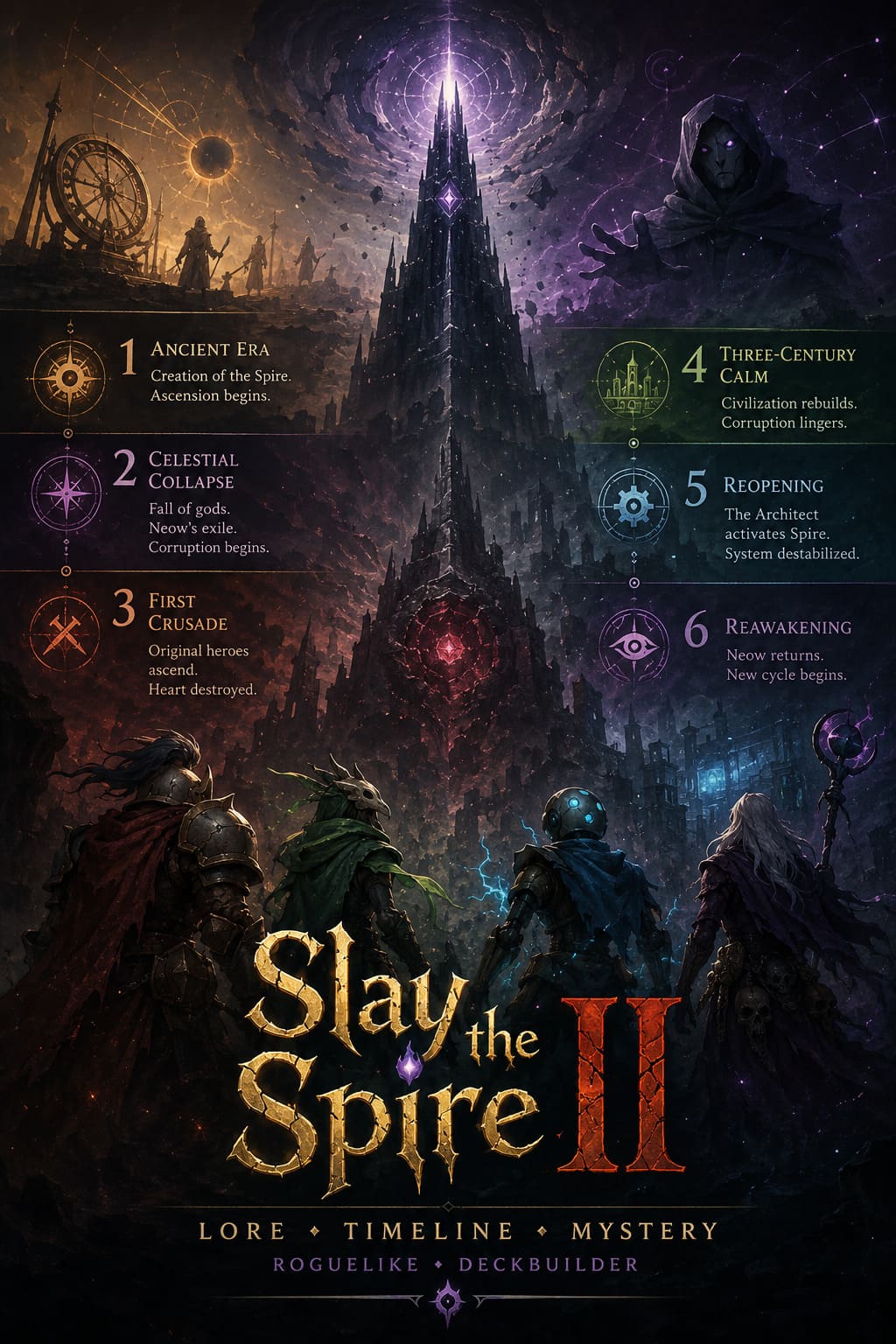
Now we’ve got a structured Timeline system, and it completely changes how we interpret the Spire.
And yes, I’ve spent way too many hours digging through it between runs.
How to Fix Pragmata Crashing on PC: AMD Radeon Driver & Startup Crash Guide (2026)
The Big Picture: Why the Timeline Matters
What makes Slay the Spire 2 different is that it doesn’t just expand lore—it organizes it. Instead of piecing together fragments, we now have Epochs, structured historical segments tied directly to progression. It reframes the Spire from being just a mysterious tower into something like a recorded historical phenomenon.
From a streamer’s perspective, that’s huge. Every run suddenly has context beyond gameplay—it feels like we’re participating in a living historical system rather than just repeating attempts.
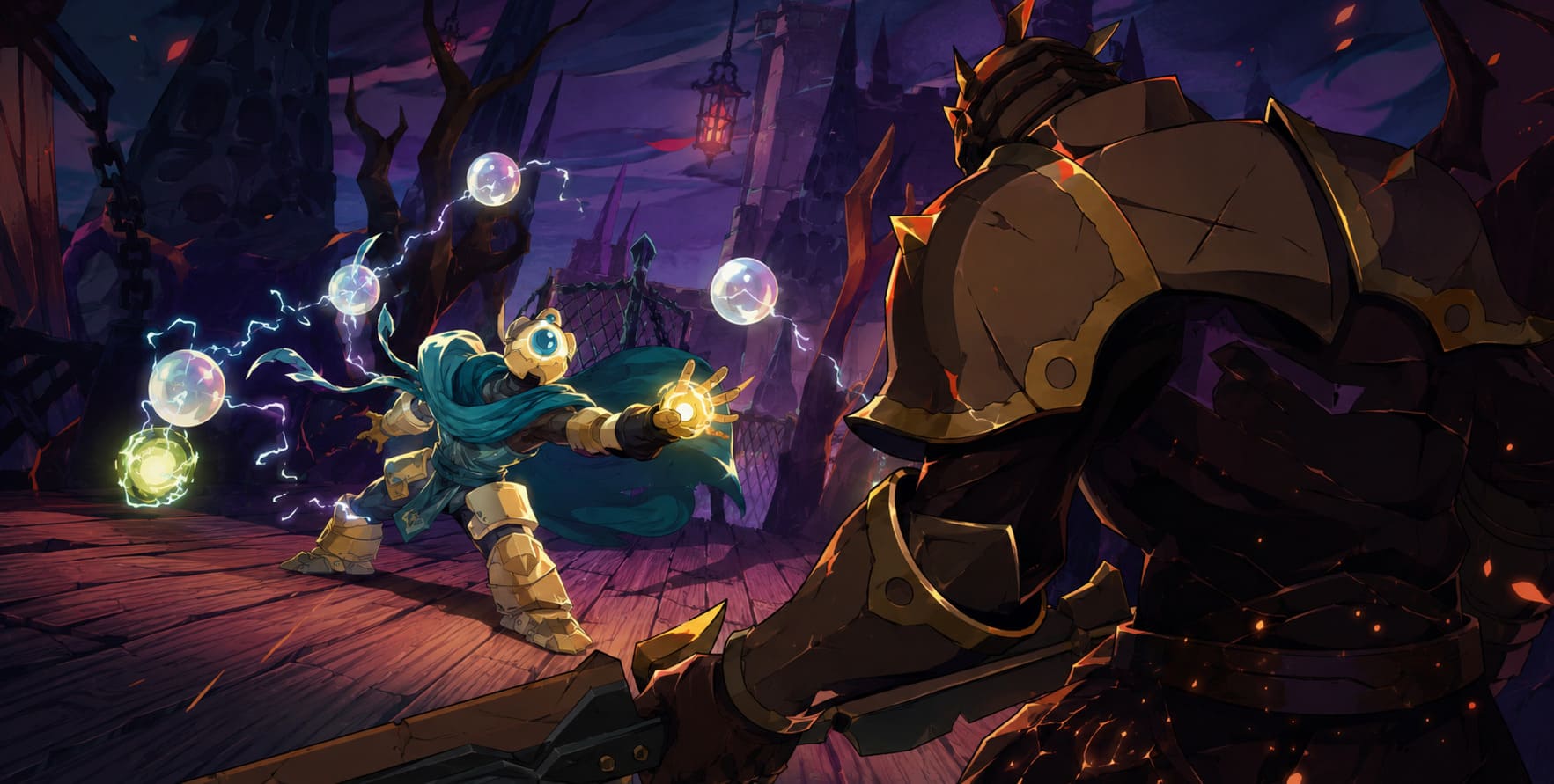
The Chronological Lore Breakdown
1. Ancient Era – Birth of the Spire
Before anything recognizable, humanity was obsessed with controlling time and escaping mortality. Sundials, celestial tracking, and early cosmology attempts all reflect that desperation. Then, according to the timeline, cosmic forces responded in a way no one expected: they removed the sun and created the Spire itself.
The Spire was designed as a vertical path toward immortality. Early humans who climbed it became the Ancients, transcending normal mortality. But divine order collapsed soon after, triggering a catastrophic conflict that wiped out most cosmic entities. Only Neow survived, setting the stage for everything that follows.
2. The Celestial Collapse & Neow’s Exile
This is where the tone shifts dramatically. Neow becomes a survivor of divine betrayal and is cast to the bottom of the Spire. Meanwhile, the Corrupted Heart begins influencing reality inside the structure.
This moment establishes the foundation of the game’s core loop: death, repetition, and the idea that failure is not final but cyclical.
3. The First Crusade (Original Game Events)
This is the era experienced in Slay the Spire 1. Neow begins resurrecting warriors to climb the Spire and destroy the Corrupted Heart. The champions include Ironclad, Silent, Defect, and Watcher.
They die repeatedly. They learn. They adapt. And eventually, they succeed in destroying the Heart—at least temporarily. After this victory, Neow falls into a long silence, and the cycle pauses.
Pragmata Cradle Lunar Station Secrets: Lore Explored and Hidden Easter Eggs Revealed
4. The Three-Century Calm
After the Heart’s destruction, the Spire seals itself for centuries. Civilization grows around its base, treating the structure as myth rather than reality. However, corruption does not fully disappear.
A fragment of the Heart continues spreading influence across generations. The Silent’s lineage is slowly affected, while mechanical beings like the Defect begin evolving independently outside the Spire’s control. The world believes the threat is gone, but it’s only dormant.
5. The Reopening – The Architect Emerges
Centuries later, the Spire awakens again. At its peak, a new entity known as the Architect appears. His purpose is not destruction but reconstruction—he begins rebuilding and manipulating the Corrupted Heart itself.
The Architect transforms the Spire into a controlled experimental system, introducing modular enemies, new elite structures, and environmental distortions. He treats the Spire like a laboratory rather than a prison or trial.
This era also introduces the Necrobinder, whose origin is directly tied to the Architect’s actions. Her family opposes his experiments, leading to their destruction and her transformation into a vengeful force wielding necromantic power.
6. The Reawakening – Current Era
Neow wakes once again. The cycle resumes, but the world is no longer the same. New and returning characters enter the system: Ironclad, Silent, Necrobinder, and Regent. Each carries different motivations shaped by centuries of change.
The Spire itself is unstable. Enemies appear partially reconstructed, environments feel fractured, and the system behaves as if multiple timelines are overlapping.
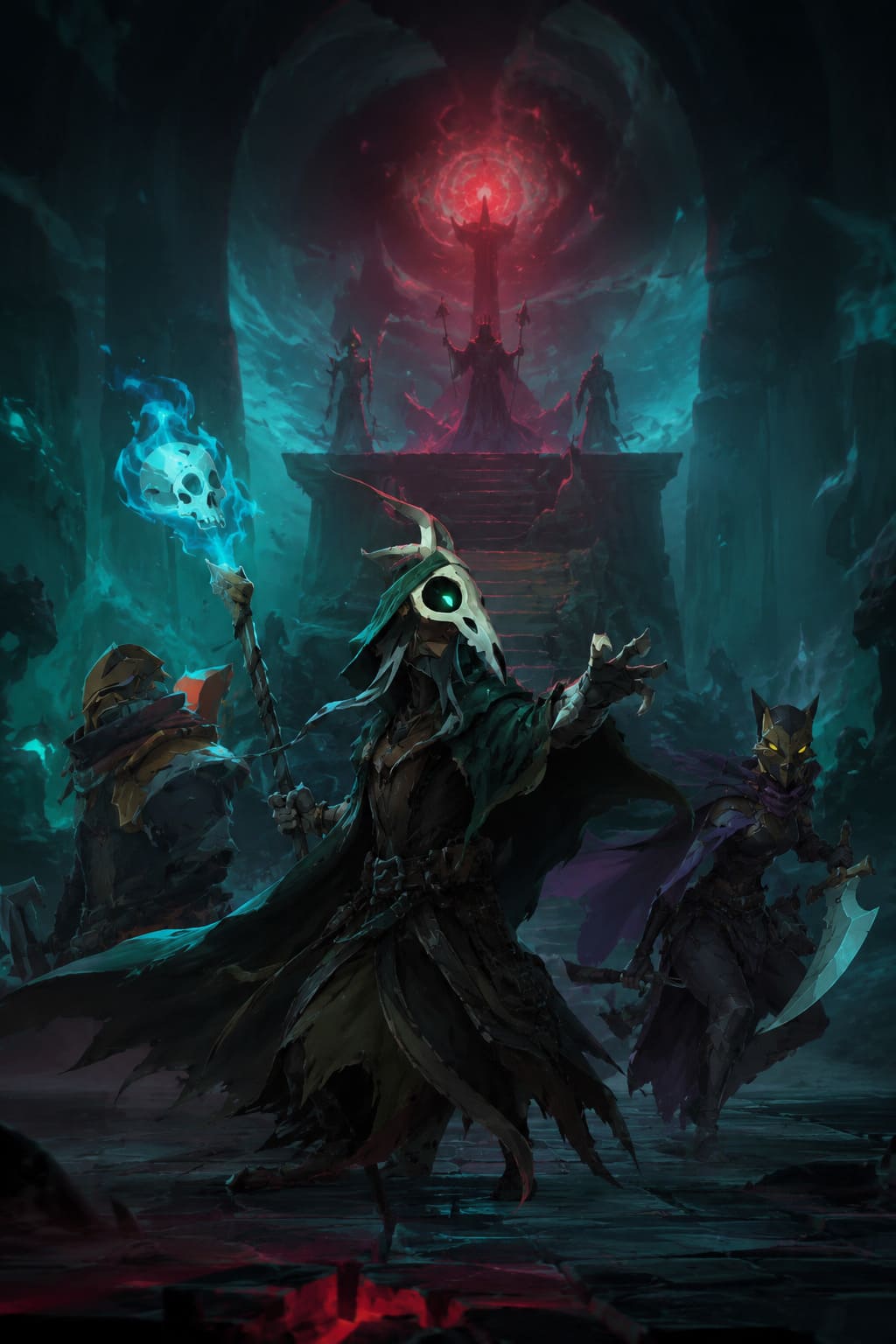
Timeline Overview Table
| Era | Name | Key Event | Outcome |
|---|---|---|---|
| 1 | Ancient Era | Creation of the Spire | Ascension begins |
| 2 | Celestial Collapse | Fall of gods, Neow’s exile | Corruption begins |
| 3 | First Crusade | Original heroes ascend | Heart destroyed |
| 4 | Three-Century Calm | Civilization rebuilds | Corruption lingers |
| 5 | Reopening | Architect activates Spire | System destabilized |
| 6 | Reawakening | Neow returns | New cycle begins |
Why This Lore Works So Well
What stands out most in Slay the Spire 2 is that the lore doesn’t try to over-explain everything. Even with a structured timeline, there are still gaps and mysteries left intentionally open. That’s what keeps it engaging.
From my experience streaming roguelikes, that balance is rare. Too much explanation kills imagination. Too little creates confusion. This lands somewhere in the middle where discussion thrives.
Streamer Perspective: Why This Feels Different
When I fail a run now, it doesn’t feel like a simple reset. It feels like a single iteration inside a much larger historical cycle. That changes how you emotionally process gameplay.
Even basic enemies feel like echoes of earlier eras. Boss fights feel like unresolved consequences of ancient decisions. The Architect storyline adds a clear antagonist structure, giving purpose to progression in a way the original game never explicitly defined.
Final Thoughts
If the first game was about endless repetition and learning through failure, Slay the Spire 2 is about understanding the system behind that repetition. It turns mystery into structure without fully removing ambiguity.
As someone who plays and streams a lot of roguelikes, this is exactly the kind of evolution I want to see more often—not just more content, but deeper meaning behind every run.
And if future updates really do allow timeline manipulation or alternate Epoch outcomes, this could become one of the most ambitious narrative roguelikes ever made.
For now, the Spire is awake again. And we’re climbing it all over again—one run at a time.