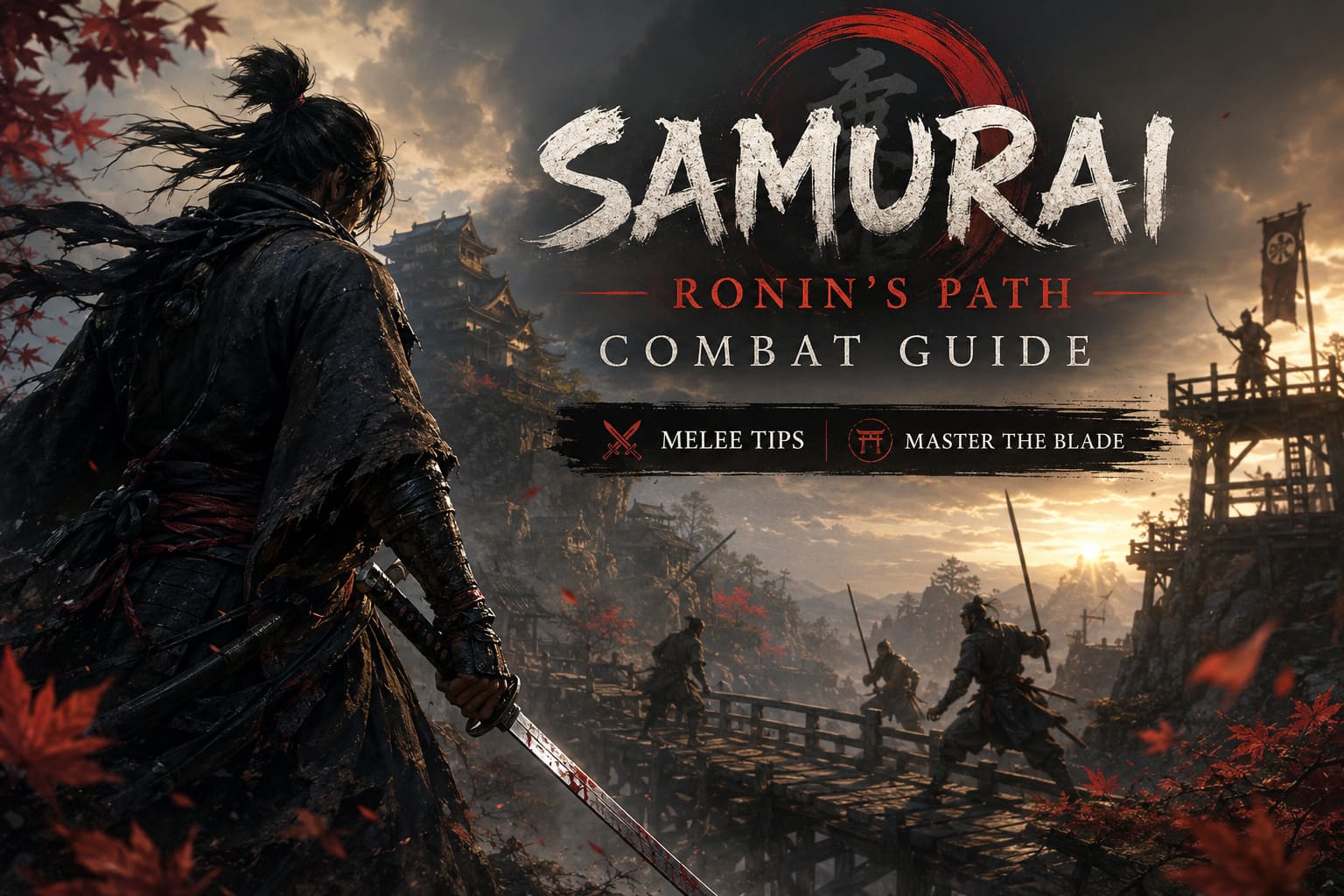
Samurai Ronin’s Path Combat Guide: Melee Tips to Master the Blade
There are games where you overpower everything with flashy combos, and there are games that remind you every few minutes that overconfidence is the fastest way back to a checkpoint. Samurai: Ronin’s Path belongs firmly in the second category.
After spending dozens of hours testing different weapon combinations, experimenting with builds, and getting absolutely destroyed by elite swordsmen more times than I’d like to admit, one thing became crystal clear: this isn’t a game about dealing the biggest damage numbers. It’s about discipline, timing, and reading your opponent better than they read you.
GameHunters clearly borrowed inspiration from some of the greatest modern sword-fighting systems, but they added enough of their own ideas that simply relying on experience from other soulslike games won’t carry you very far. Every duel feels personal, every successful parry feels earned, and every careless mistake is punished immediately.
If you’re struggling with early bosses or simply want to improve your overall combat performance, this guide covers everything that actually matters.
Why Combat Feels So Different
Many players approach Samurai: Ronin’s Path expecting another hack-and-slash adventure.
That mindset usually lasts about five minutes.
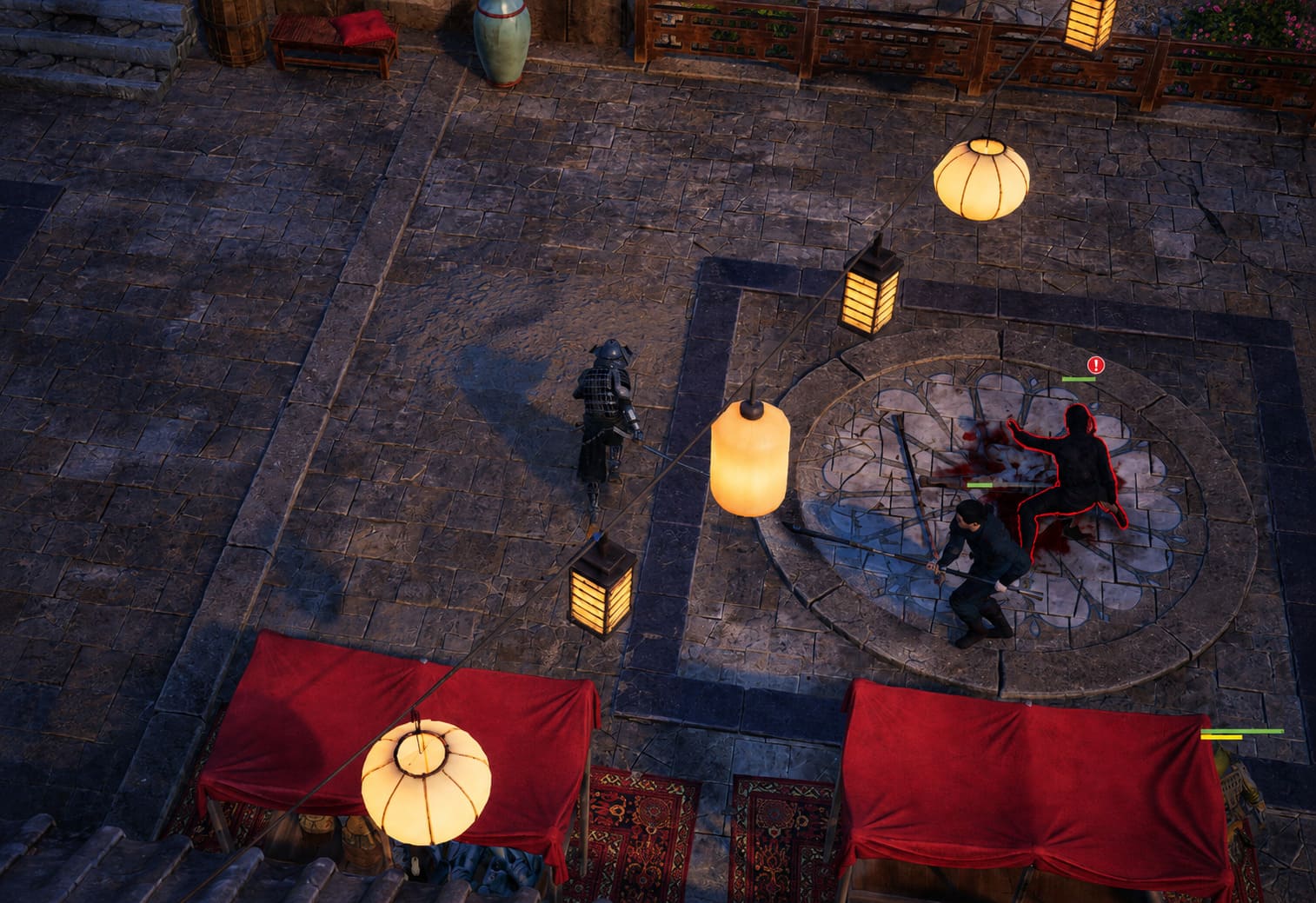
Enemies don’t politely wait for their turn. They’ll surround you, attack from elevated positions, interrupt healing attempts, and constantly pressure your stamina. The battlefield itself becomes another enemy.
The biggest lesson the game teaches is surprisingly simple:
Winning starts before your sword leaves its sheath.
Charging directly into three or four enemies almost always ends badly. Instead, experienced players create favorable fights by reducing the number of active opponents before the real combat even begins.
A successful encounter usually looks like this:
- Observe enemy patrol routes.
- Eliminate ranged attackers first.
- Pull isolated guards away from groups.
- Fight one duel at a time whenever possible.
This single habit dramatically increases survival, especially during the opening chapters.
Battlefield Control Is More Important Than Raw Damage
One mistake I constantly see from new players is assuming better equipment automatically solves difficult encounters.
It doesn’t.
Positioning is far more valuable than a stronger sword.
Enemies frequently use rooftops, cliffs, towers, bridges, and narrow corridors to create dangerous situations. If you blindly rush forward, you’re fighting both the environment and your opponents simultaneously.
Instead, make the map work for you.
Use buildings as cover against riflemen. Force spear users into tighter spaces where their range becomes less effective. Lead aggressive enemies around corners so ranged support loses line of sight.
Good positioning often wins fights before the first hit lands.
Stop Interrupting Enemy Attacks
This game refuses to reward reckless aggression.
Elite enemies possess incredible poise, meaning many heavy attacks continue even while you’re hitting them.
Trying to force a combo into an enemy already performing a martial technique usually results in taking a massive counterattack directly to the face.
Patience becomes your strongest weapon.
Watch every enemy animation carefully.
Eventually you’ll notice distinct recovery frames after powerful attacks. Those brief openings are exactly when you should become aggressive.
Trying to steal extra hits outside those windows usually costs far more health than the damage you gain.
The Perfect Parry Changes Everything
The combat system truly comes alive once you understand parrying.
Blocking keeps you alive.
Parrying wins fights.
The timing is intentionally unforgiving. A normal guard will reduce incoming damage, but it also drains your posture meter surprisingly quickly.
The perfect parry, however, completely changes momentum.
Instead of simply surviving an attack, you immediately begin breaking your opponent’s balance while preserving your own.
Learning the Timing
Many players think they’re missing something because they successfully block attacks but never trigger the powerful counter animations.
The issue is almost always timing.
You aren’t supposed to block before the attack connects.
You’re supposed to block at the exact instant the weapon lands.
It feels late.
Almost impossibly late.
Once your muscle memory adapts, enemies that once felt terrifying suddenly become predictable.
A trick that helped me tremendously was ignoring the weapon itself.
Instead, watch the attacker’s shoulders and arms. Their body movement consistently telegraphs the actual impact better than the sword animation.
Understanding the Balance Meter
Health isn’t the only resource that matters.
Every fighter has a hidden posture system governing balance and defensive stability.
Repeated heavy blocks rapidly fill your own balance meter.
Once it breaks, you’re essentially helpless for several seconds.
That usually means death against stronger enemies.
Your goal should be the exact opposite.
Pressure enemy posture through:
- Perfect parries.
- Consistent offensive pressure.
- Heavy martial skills.
- Counterattacks after failed enemy combos.
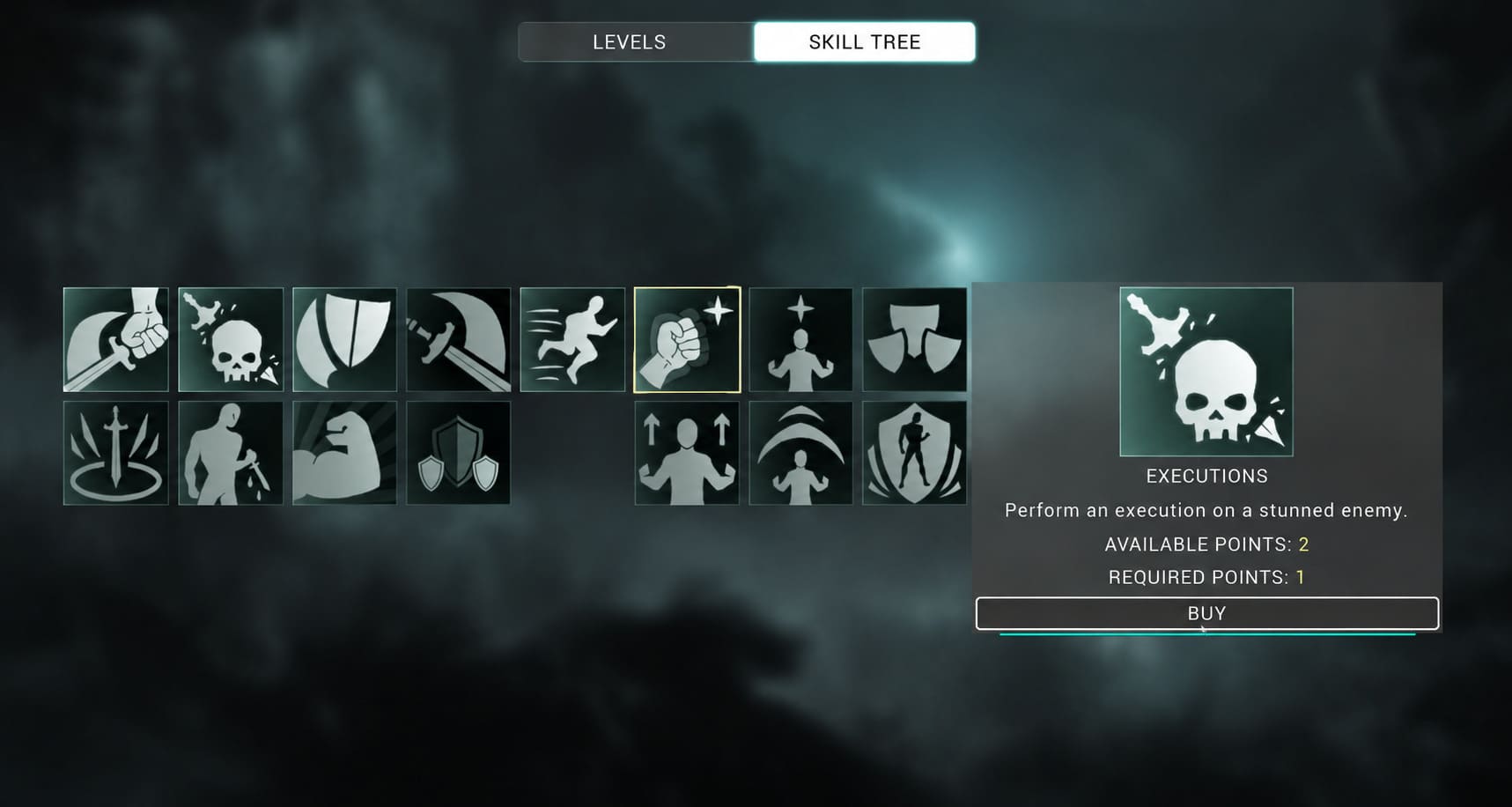
Eventually their stance collapses completely, opening them for devastating execution attacks regardless of their remaining health.
Sometimes ending a fight quickly has nothing to do with HP.
Choosing the Right Weapon
Every weapon feels genuinely different.
Here’s a quick comparison of the primary styles.
| Weapon | Best For | Strengths | Weaknesses |
|---|---|---|---|
| Katana | Balanced combat | Fast attacks, excellent counters, versatile combos | Moderate reach |
| Spear | Crowd control | Long range, defensive spacing | Slower recovery |
| Odachi | Heavy offense | Massive posture damage, devastating finishers | Slow attack speed |
None of them are objectively superior.
They’re simply designed for different situations.
Learning two weapons instead of mastering only one gives far more flexibility throughout the campaign.
Master Stance Switching
One mechanic that separates average players from experienced ronin is stance rotation.
Many newcomers stay in a single stance for entire encounters.
That’s leaving huge amounts of damage on the table.
Advanced combat revolves around flowing naturally between different weapon styles.
After unlocking transition skills, weapon swaps become offensive moves themselves.
A typical sequence might look like this:
- Open with quick katana strikes.
- Break enemy rhythm using a martial technique.
- Swap into an odachi transition attack.
- Finish with a heavy execution combo.
These chained attacks continuously pressure enemy posture while making your offense much harder for AI opponents to predict.
The animations also look incredible.
Don’t Waste Martial Skills
Martial abilities aren’t just stronger versions of normal attacks.
Many contain hidden follow-up inputs.
Some katana techniques evolve into completely different combo chains if you continue pressing the skill button during the animation.
Instead of stopping after two strikes, you’ll unleash a rapid six-hit assault capable of tracking agile enemies attempting to dodge away.
Spend time experimenting.
The game rarely explains these extensions clearly, yet they’re among the strongest offensive tools available.
The Grappling Hook Isn’t Just for Exploration
Most players initially think the grappling hook exists only for traversal.
They’re missing one of the best combat tools in the game.
Archers, musketeers, and riflemen love occupying elevated positions.
Climbing toward them under constant fire wastes precious health.
Pulling them directly off ledges is significantly more satisfying.
Not only does it interrupt their attacks immediately, but the fall often inflicts heavy posture damage before the duel even starts.
It also removes one of the biggest threats from complicated encounters within seconds.
Ranged Weapons Save Lives
Even if your build focuses entirely on melee combat, ignoring ranged equipment is a mistake.
There will be moments when fighting aggressively simply isn’t worth the risk.
Carry multiple ranged options whenever possible.
Useful situations include:
- Finishing low-health enemies safely.
- Eliminating isolated guards before stealth breaks.
- Interrupting dangerous enemy abilities.
- Creating breathing room to recover stamina.
- Softening elite targets before engaging.
Shuriken are especially effective because of their speed, while bows remain excellent for silent eliminations.
Firearms deliver tremendous burst damage but require more careful timing.
Armor Should Match Your Playstyle
Fashion is important.
Survival is even more important.
Armor selection influences far more than appearance.
Heavy armor suits players still mastering defensive mechanics.
Benefits typically include:
- Reduced incoming damage.
- Improved stamina efficiency while guarding.
- Greater resistance to posture breaks.
Light armor tells a different story.
If you’ve already mastered perfect parries, mobility becomes far more valuable.
Lighter equipment improves dodge recovery, increases movement speed, and often enhances counterattack damage.
Instead of covering weaknesses, it amplifies existing strengths.
Choose gear based on how you actually play—not how you wish you played.
Beginner Combat Checklist
Whenever entering a new area, follow this simple routine.
Before combat
- Scout enemy locations.
- Locate snipers.
- Identify escape routes.
Opening engagement
- Remove ranged threats.
- Separate patrols.
- Avoid unnecessary group fights.
During battle
- Observe attack patterns.
- Practice late parries.
- Pressure enemy posture.
- Switch stances during openings.
- Use martial skills aggressively after staggers.
Samurai Ronins Path PS5 Release: The Next Unforgiving Souls Like Action Game to Watch in 2026
Final Thoughts
What impressed me most about Samurai: Ronin’s Path isn’t just its difficulty.
It’s how fair that difficulty feels once you truly understand the mechanics.
Deaths rarely feel random. More often than not, they’re lessons disguised as punishment. Every failed duel teaches better positioning, cleaner timing, or improved stamina management. Little by little, impossible encounters become satisfying victories because your skill improves, not because the game suddenly becomes easier.
The best players aren’t the ones with the strongest weapons or the rarest armor sets. They’re the ronin who stay calm under pressure, recognize attack patterns instantly, and know exactly when to defend and when to strike.
Master the battlefield, perfect your parries, experiment with every stance, and don’t overlook your grappling hook or ranged tools. Once everything starts flowing together, Samurai: Ronin’s Path transforms into one of the most rewarding melee combat experiences you’ll find in the modern soulslike genre. Your blade isn’t just a weapon—it’s an extension of your discipline, and every duel is another opportunity to prove you’ve earned the title of a true wandering swordsman.