Is Supermarket Chaos Worth It? What Reddit, YouTube, and Reviews Actually Say
I’ve sunk more hours into simulation games than I’d like to admit—everything from tightly tuned tycoon builders to messy indie experiments that clearly needed another year in the oven. So when Supermarket Chaos started popping up everywhere on Reddit threads, TikTok clips, and YouTube “I broke my store economy” videos, I jumped in expecting a relaxed management loop with a bit of spice.
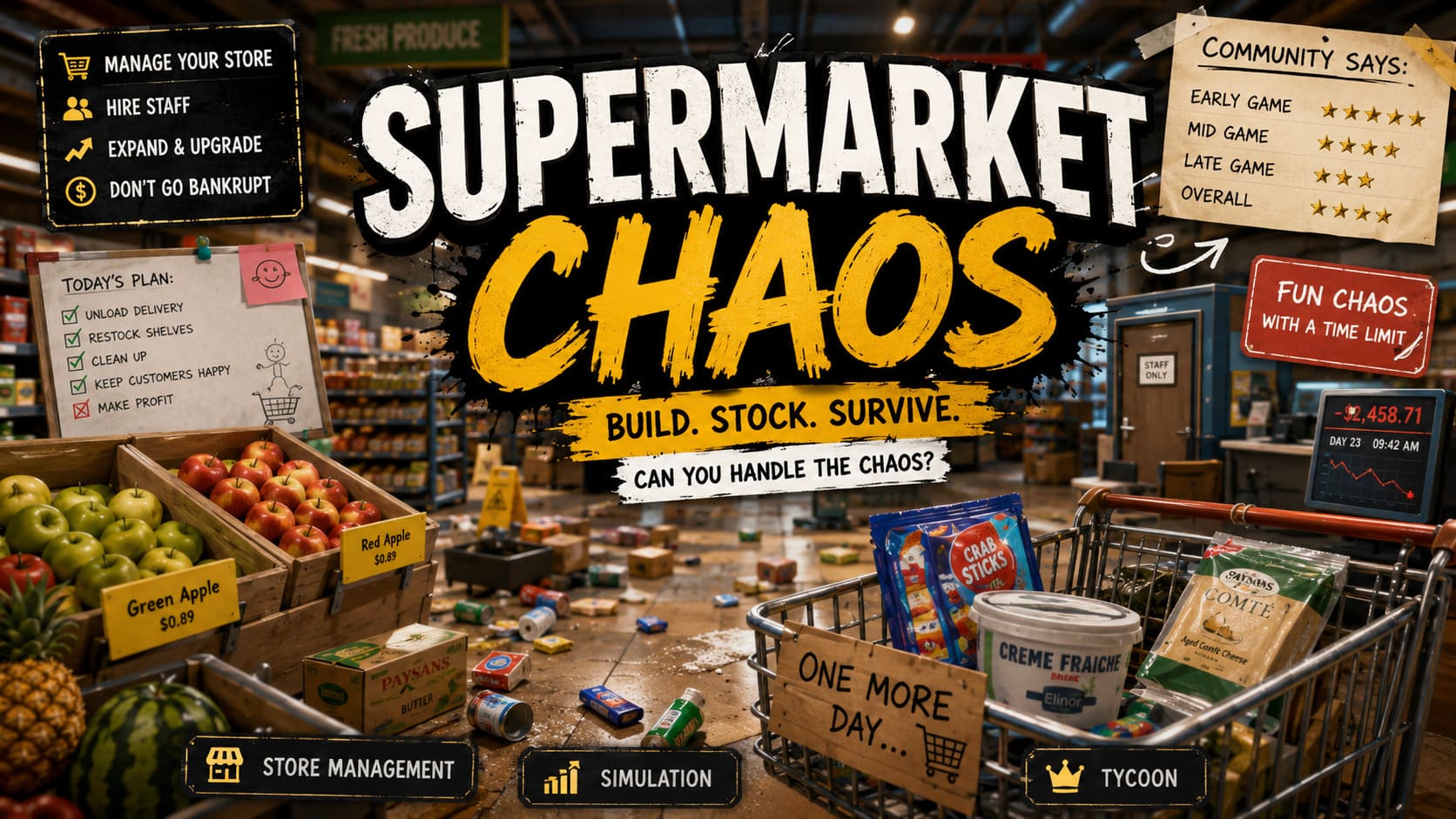
What I actually got feels like a strange hybrid: part satisfying shop simulator, part repetitive labor job, and part chaotic experiment in how far player patience can stretch before breaking.
The real question isn’t whether the game works. It does. The question is whether it respects your time once the honeymoon phase fades.
HUNGER Release Date 2026: PvPvE Horror Extraction Shooter Guide
The Hook: Why Supermarket Chaos Feels So Addictive at First
The opening hours are dangerously good. You start small—one aisle, basic products, a few customers wandering in like they’re unsure if your store is even legally open. That early simplicity is where the game absolutely nails its psychological hook.
There’s a constant sense of “just one more day.” You finish stocking shelves, clean up a bit, balance your cash flow, and suddenly it’s 2 AM in real life.
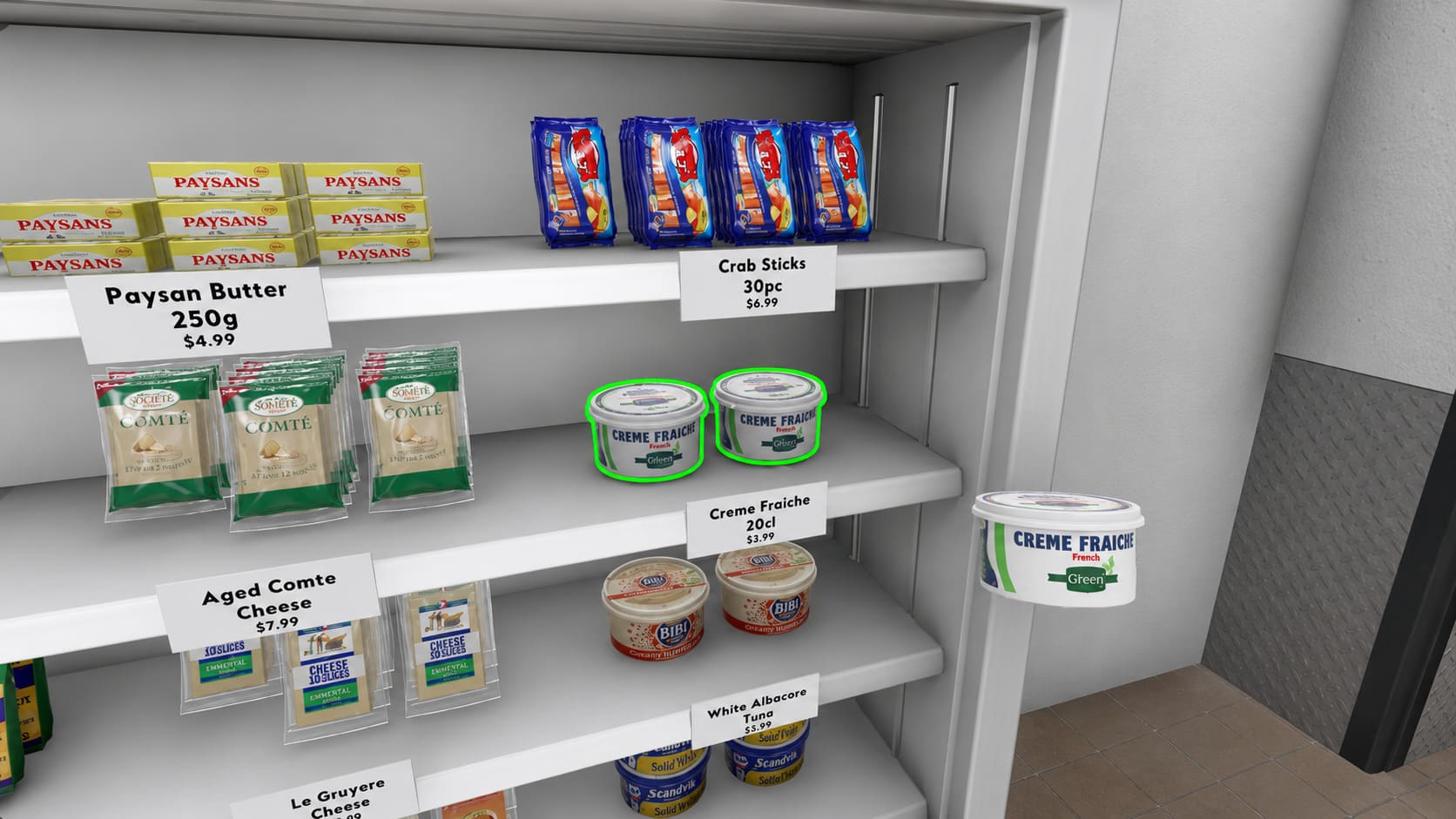
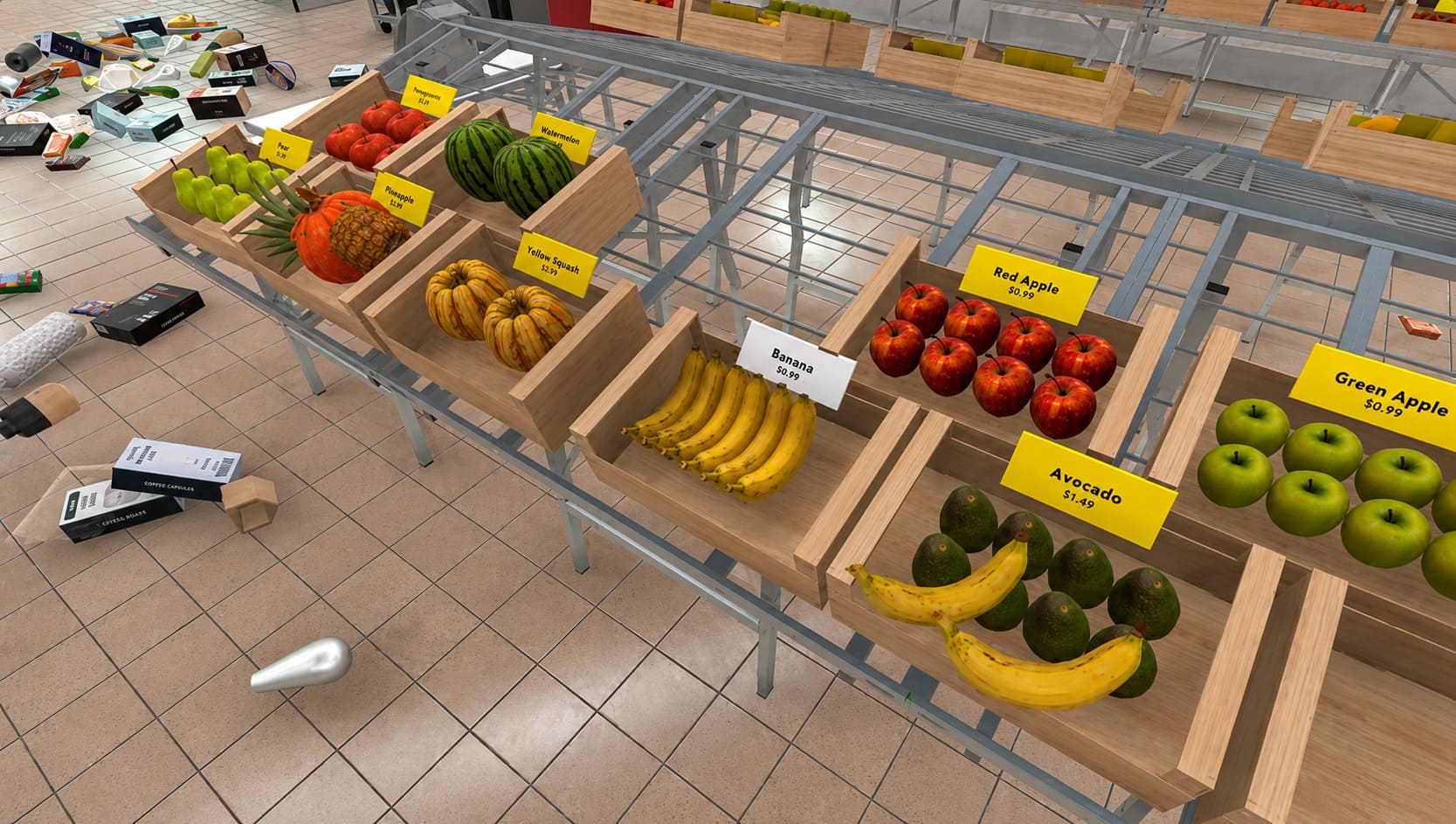
The progression system is doing most of the heavy lifting here. Unlocking new product licenses and expanding your store feels genuinely rewarding. Even something as simple as moving from canned goods to fresh produce feels like a meaningful upgrade.
What really sells it, though, is the micro-optimization layer. You’re not just placing items—you’re thinking about traffic flow, shelf visibility, pricing cycles, and how not to go bankrupt because you overbought bread again.
It scratches that spreadsheet-brain itch in a way that fans of management sims will immediately recognize.
Where the Fantasy Starts Cracking
After around 8–12 hours, depending on how efficient you play, the cracks start showing. The biggest issue isn’t difficulty—it’s repetition that stops evolving.
You’re still doing the same core actions, just in larger quantities. More boxes. More customers. More cleanup. The game doesn’t introduce enough systemic variety to keep the loop fresh.
At first, manually unloading deliveries feels immersive. Later, it feels like you’re stuck in a never-ending warehouse shift where your promotion to “manager” was purely symbolic.
This is the moment where many players on Reddit describe a very specific emotional shift: from “this is relaxing chaos” to “why am I doing all the work in my own business?”
The AI Problem: Your Employees Are Not Helping
Once you finally afford staff, things should improve. In theory, hiring workers turns the game into a true management sim where you oversee systems instead of doing everything manually.
In practice, the AI often feels like it’s actively avoiding competence.
Stockers ignore empty shelves. Cashiers sometimes idle while customers form lines that look like airport security queues. Workers occasionally path into weird corners like they’re contemplating life instead of doing their job.
The frustrating part isn’t that AI is bad—it’s that it’s almost good enough to tease you. You can see what the game is trying to simulate, but it never fully lands the execution.
So instead of becoming a manager, you become a babysitter with a clipboard.
The Midgame Wall: When Systems Stop Evolving
Every management sim risks hitting a plateau, but Supermarket Chaos hits it harder than most.
Once you’ve unlocked most store upgrades and product tiers, the game shifts into maintenance mode. Growth slows, new mechanics thin out, and the core loop becomes increasingly predictable.
There’s no dramatic escalation system pushing you forward. No major rival chains. No surprise economic crises that force adaptation. Just more of what you were already doing—except now your store is bigger and slightly more annoying to maintain.
At this stage, many players either quit or turn the game into a background task while watching YouTube on a second monitor.
And honestly, that second use-case might be where the game unintentionally shines.
What the Community Actually Agrees On
After digging through community discussions, reviews, and long-form gameplay breakdowns, a pattern emerges. People don’t disagree about what the game is. They disagree about whether that identity is fun long-term.
Here’s the breakdown I kept seeing repeated in different forms:
- Early game = extremely engaging
- Mid game = repetitive but still satisfying
- Late game = automation problems + content stagnation
- Overall = fun sandbox, weak long-term structure
A lot of players compare it to a “great idea that needed tighter systems,” which is both accurate and a bit harsh depending on your tolerance for grind-heavy sims.
Who Will Actually Enjoy This Game?
Not every game needs to appeal to everyone, and Supermarket Chaos definitely has a specific audience carved out for it.
You’ll probably enjoy it if your brain lights up when you’re optimizing layouts, balancing numbers, or turning chaos into order. It sits in the same mental category as games where the fun comes from efficiency, not storytelling.
Best fit players:
- Fans of systems-heavy simulators
- Players who enjoy slow optimization loops
- People who like multitasking games while watching content
- Tycoon lovers who don’t mind repetitive cycles
Probably not for you if:
- You need constant gameplay variety
- You hate repetitive manual tasks
- You expect polished AI systems
- You want narrative progression or structured endgame goals
Quick Breakdown Table
| Aspect | Strength | Weakness |
|---|---|---|
| Early Game Loop | Extremely addictive | Honeymoon fades fast |
| Management Depth | Surprisingly detailed systems | Becomes repetitive over time |
| AI Systems | Ambitious design intent | Inconsistent execution |
| Progression | Satisfying early growth | Weak endgame structure |
| Replay Value | Good sandbox potential | Limited long-term goals |
The Real Verdict: Fun Chaos With a Time Limit
Here’s the honest take after looking at both community sentiment and the actual gameplay structure: Supermarket Chaos is a game you enjoy in bursts, not marathons.
The first stretch of gameplay feels incredible. You’re constantly improving, unlocking, expanding, and reacting to small crises in your store. It’s exactly the kind of controlled chaos simulation that hooks you hard.
But the longer you stay, the more you notice the seams. Systems don’t deepen enough. Automation doesn’t fully automate. And the endgame doesn’t really end so much as it just continues without purpose.
Still, there’s something oddly charming about it. Even when it becomes repetitive, there’s a strange comfort in keeping your store alive and watching the numbers go up while your brain drifts somewhere else.
If you pick it up on sale, you’ll likely get a solid chunk of enjoyable hours out of it. Just don’t expect a perfectly tuned management masterpiece—it’s more like a messy, addictive sandbox that occasionally forgets you’re supposed to be the manager.
Final Thought
Supermarket Chaos isn’t trying to be a flawless simulator. It’s trying to recreate the feeling of running a store where everything is slightly on fire but still somehow functioning.
And honestly? It succeeds at that part a little too well.