Fellowship Legendary Items Guide: Drop Sources, Crafting Mechanics, and Target Farming Strategies (2026)
When I first reached Fellowship’s endgame, I made the same mistake that many players make. I assumed Legendary items would eventually drop naturally if I simply kept running dungeons. After dozens of Champion and Paragon clears, I realized something important: the players finishing powerful endgame builds weren’t necessarily luckier than everyone else—they simply understood how the loot systems actually worked.
As someone who spends countless hours streaming co-op RPGs, dungeon crawlers, and loot-driven games, Fellowship immediately grabbed my attention. The combat feels rewarding, dungeon mechanics remain engaging even after repeated runs, and character progression has enough depth to keep theorycrafters busy for months. But if there’s one thing that separates casual progression from true endgame optimization, it’s Legendary gear.
In this guide, I’ll break down the farming methods, crafting strategies, and progression routes that helped me assemble multiple high-performance builds without relying entirely on RNG. Whether you’re playing Helena, Meiko, Vigour, Rime, or another hero, these strategies can dramatically reduce the grind.
Why Legendary Items Matter More Than Raw Stats
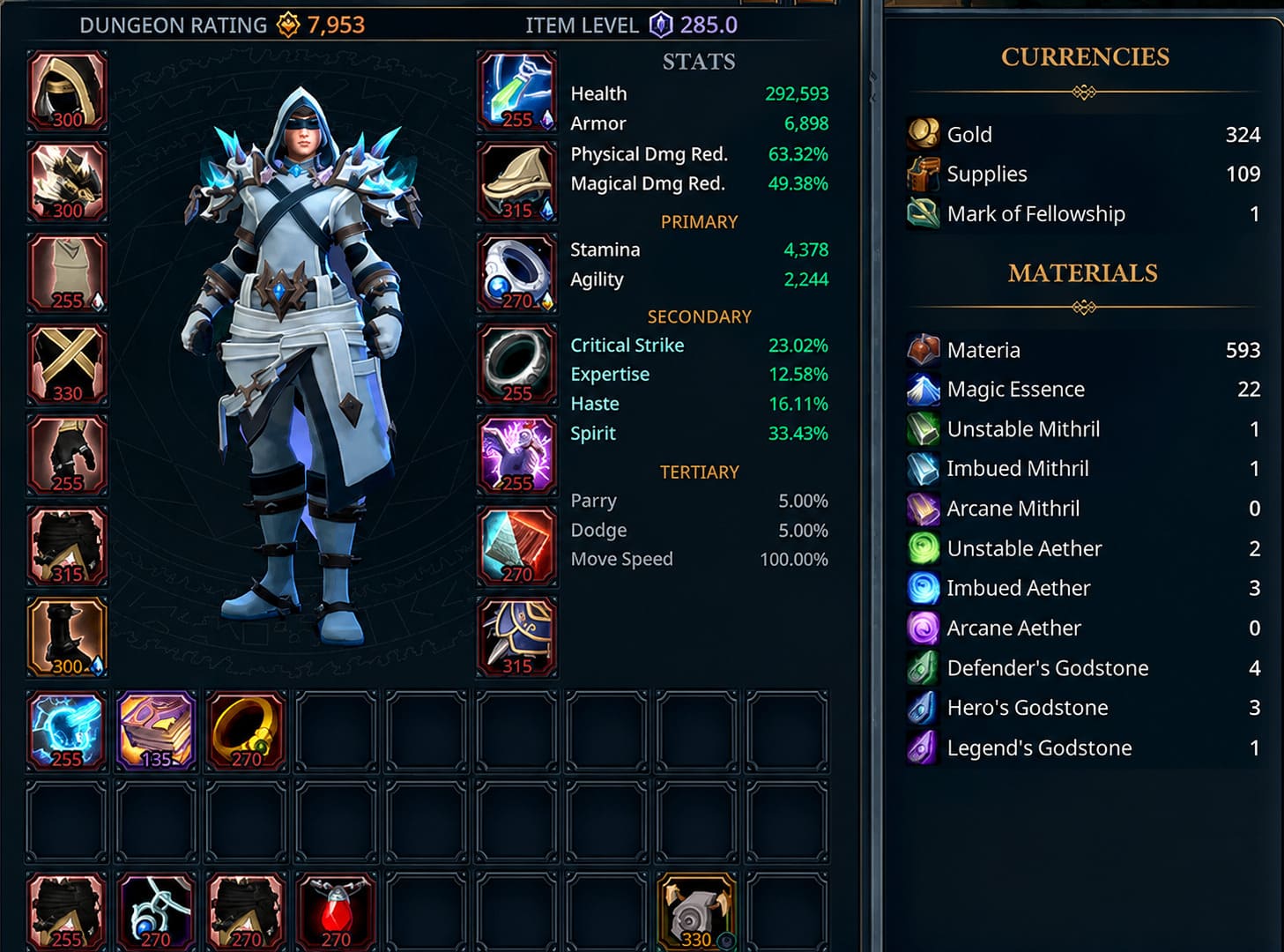
Many new players focus too heavily on item level.
That’s understandable because most RPGs train players to chase bigger numbers. Fellowship works a little differently.
A Legendary item isn’t valuable because it adds a few extra points of Strength, Intelligence, or Defense. The real power comes from the unique passive effects attached to the item itself. These modifiers can fundamentally alter how your character functions during combat.
I’ve seen builds gain entirely new rotations, survivability options, and burst windows simply because of one well-chosen Legendary piece.
Even after testing multiple item level combinations, I found that the passive effect almost always contributes more to overall performance than a modest stat increase.
Legendary Power Priorities
| Priority | Importance |
|---|---|
| Legendary Passive Effect | Extremely High |
| Correct Item Slot | High |
| Set Synergy | High |
| Item Level Optimization | Moderate |
| Perfect Secondary Stats | Low Early On |
This is why many experienced players are perfectly comfortable using a lower item-level Legendary until they eventually obtain an upgraded version.
Unlocking Legendary Drops
Before farming begins, players need access to content that can actually reward Legendary items.
The biggest misconception I see in community discussions is that players expect Legendary drops from lower difficulties.
That simply isn’t where the endgame loot pool begins.
Minimum Requirements
To access Legendary drops consistently, you’ll need:
- Champion Difficulty unlocked
- Endgame dungeon progression completed
- Proper gear score for higher-tier activities
- A group capable of clearing Champion content reliably
Once Champion difficulty becomes available, Legendary items officially enter the reward pool.
That doesn’t mean they’ll rain from the sky.
It simply means every completed run now has a chance to reward one.
The Best Legendary Drop Sources in 2026
After hundreds of runs and countless discussions with experienced players, several activities stand out above the rest.
1. Champion Dungeon Completion Chests
This is where most players obtain their first Legendary items.
The final reward chest at the end of a Champion dungeon can contain Legendary gear regardless of whether you achieved a perfect speed clear.
That’s an important detail.
Many players stress about timers unnecessarily. While timed runs provide better overall efficiency and additional resources, a completed dungeon still gives you a shot at Legendary rewards.
If your group struggles with optimization, focus on consistent clears first.
Consistency beats failed speed runs every time.
2. Drakheim Capstone Runs
When discussing reliable progression, Drakheim deserves special attention.
The dungeon acts as an important milestone because it provides one of the safest paths toward securing your first Legendary reward.
The exact item remains random, but receiving a guaranteed Legendary is incredibly valuable during early endgame progression.
Whenever viewers ask me where they should start farming, Drakheim is usually my first recommendation.
3. High-Level Challenge Dungeons
Once your character becomes established, Challenge Dungeons become the true farming destination.
Particularly effective breakpoints include:
- +10 Challenge Difficulty
- +20 Challenge Difficulty
These tiers significantly improve reward quality while boosting overall farming efficiency.
The difference becomes noticeable over longer sessions.
Instead of hoping for occasional lucky drops, you’re stacking the odds in your favor with every completed run.
The Most Underrated Legendary Strategy: Crafting
This is where Fellowship becomes much more interesting.
Many players continue chasing random drops long after they should have shifted toward crafting and reroll systems.
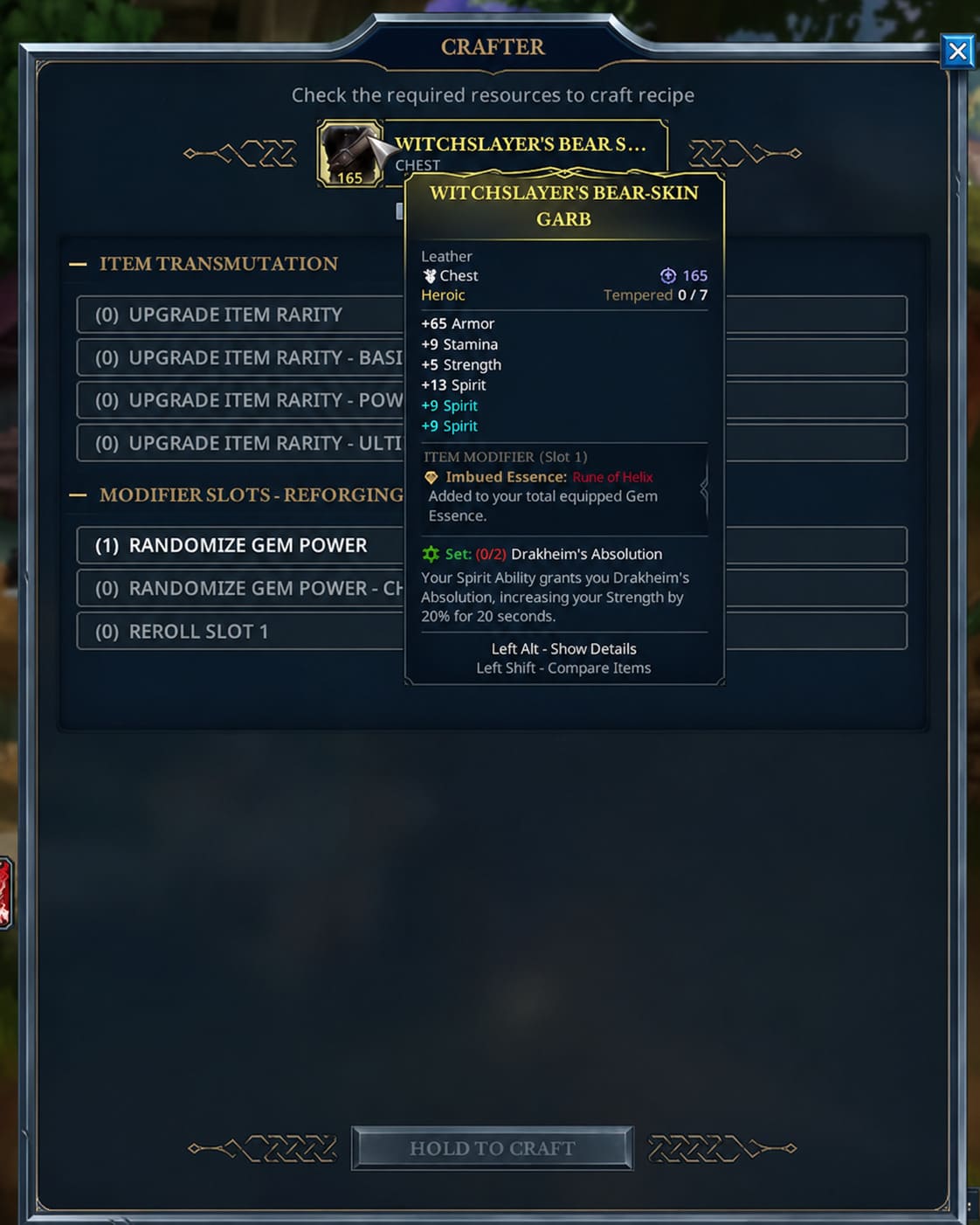
The Craftsman vendor is arguably one of the most important NPCs in the entire game.
If you’re ignoring him, you’re making Legendary acquisition far harder than necessary.
How the Reforging System Works
The basic concept is simple.
You start with an item from the slot you want to improve.
For example:
- Necklace
- Ring
- Cloak
- Weapon
- Armor Piece
You then bring that item to the Craftsman and use reroll materials earned through salvaging gear.
The system presents multiple replacement choices from the same equipment category.
Because the pool contains both standard and Legendary variants, repeated rerolls create surprisingly strong odds of eventually finding the piece you’re targeting.
My Personal Crafting Routine
Every farming session follows the same pattern:
- Run Champion or Challenge dungeons.
- Keep useful upgrades.
- Salvage unwanted gear.
- Collect reroll resources.
- Visit the Craftsman.
- Target missing equipment slots.
This loop consistently produces better results than relying solely on random dungeon rewards.
Never Ignore Salvaging
One habit separates efficient players from frustrated grinders.
They salvage everything.
Almost every purple-quality item that doesn’t improve your build should become crafting resources.
At first glance, dismantling high-quality gear feels painful.
But those resources eventually become targeted Legendary opportunities.
A useless weapon drop today can become tomorrow’s best-in-slot necklace.
That’s a trade worth making.
Item Level: Important but Often Overrated
Let’s address one of the biggest debates within the Fellowship community.
Should you chase item level first?
In my opinion, no.
Here’s why.
Legendary effects remain identical regardless of item level.
The stat increase between lower and higher versions certainly exists, but the gameplay-changing passive effect remains the same.
Example Comparison
| Version | Passive Effect | Stats |
|---|---|---|
| iLvl 270 | Full Effect | Lower |
| iLvl 300 | Full Effect | Better |
| iLvl 330 | Full Effect | Best |
Notice the important detail.
The passive remains unchanged.
That means obtaining the correct Legendary is usually far more important than waiting for the perfect version.
Build completion should come before stat perfection.
My Recommended Endgame Farming Route
If I were starting a fresh character today, this is exactly how I would approach progression.
Step 1: Quickplay Farming
Quickplay remains one of the easiest methods for generating resources.
Focus on:
- Supplies
- Marks of Fellowship
- Weekly reward purchases
- Filling weak equipment slots
The goal isn’t perfect gear.
The goal is reaching the power level necessary for Champion farming.
Step 2: Secure Your Weapon
Your weapon influences performance more than almost any other single item.
A proper Epic weapon unlocks critical character progression and talent options.
If the wrong version drops, don’t panic.
Use available crafting systems to reroll toward the weapon your build actually requires.
Step 3: Begin Champion Farming
Once your weapon and core gear are established:
- Farm Champion dungeons consistently.
- Learn boss mechanics.
- Improve dungeon routes.
- Build crafting resources.
This phase is where your Legendary collection begins growing rapidly.
Step 4: Transition Into Challenge Content
As your character strengthens, move into higher-tier Challenge Dungeons.
These runs generate:
- Better rewards
- More crafting materials
- Increased Legendary opportunities
- Faster overall progression
At this stage, your focus shifts from obtaining any Legendary to obtaining specific Legendary pieces.
Fellowship Meta Tier List 2026: Best DPS, Tanks, and Healers Ranked
Final Thoughts
After spending extensive time with Fellowship throughout 2026, I genuinely believe its Legendary system strikes a solid balance between excitement and progression. Random drops still create those memorable moments every loot-driven game needs, but the crafting systems ensure dedicated players can steadily work toward their goals instead of relying entirely on luck.
If there’s one piece of advice I’d give every player chasing endgame power, it’s this: stop obsessing over perfect item levels and start focusing on Legendary effects.
The strongest builds I’ve tested weren’t always using maximum-level gear. They were using the right Legendary passives, the right synergies, and efficient crafting strategies.
Farm Champion content consistently, salvage aggressively, invest in the Craftsman, and use Challenge Dungeons to accelerate progression. Follow that approach, and you’ll spend far less time praying for lucky drops and far more time actually enjoying Fellowship’s excellent endgame content.
For me, that’s what makes the game so enjoyable. Every dungeon run feels like meaningful progress, and when that perfect Legendary finally appears, it genuinely feels earned.